Reptile
How to Set Up a Bioactive Reptile Terrarium (2026)
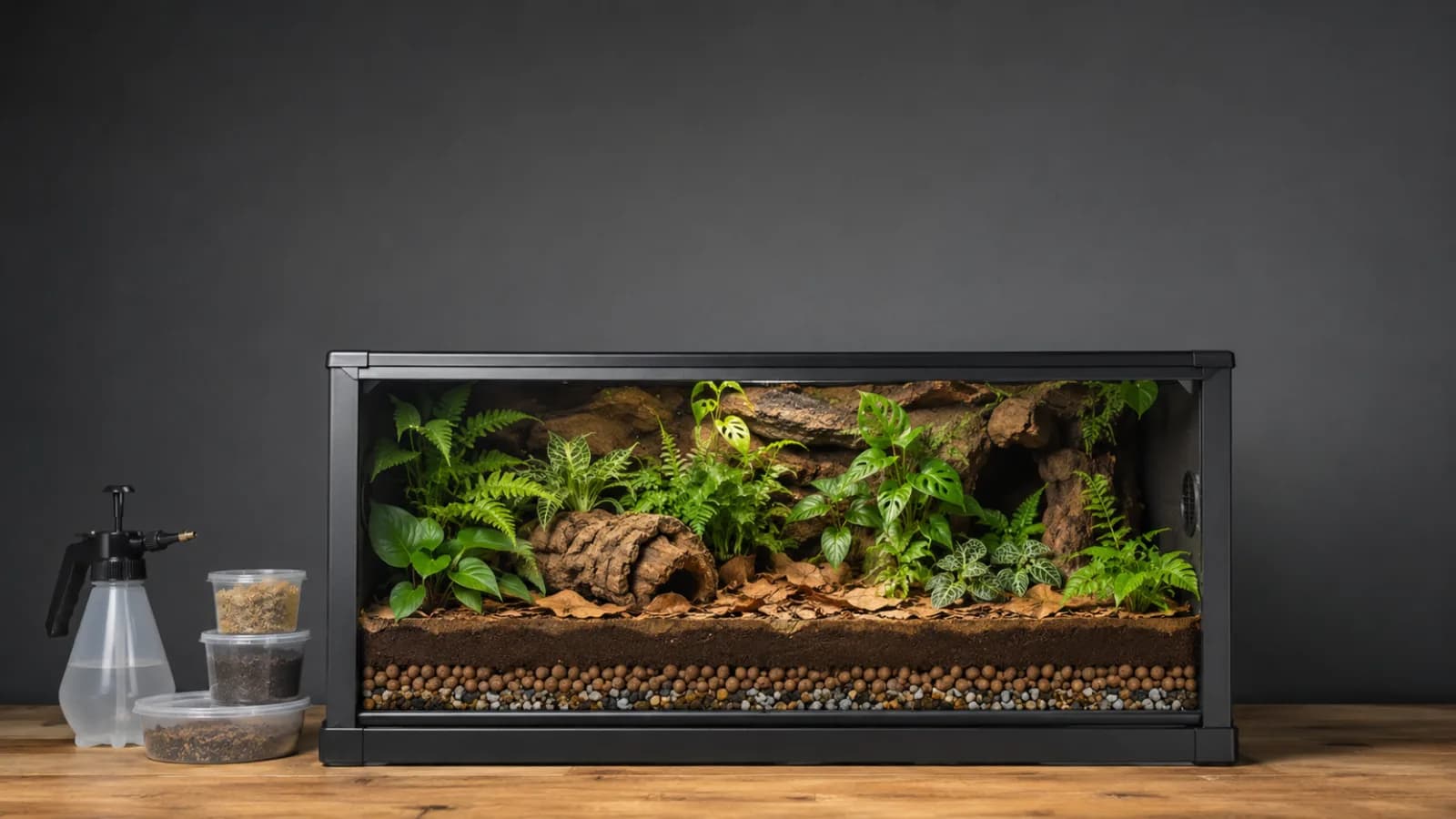
This is not a head-to-head gear ranking — it is a build sequence. A bioactive terrarium is a small living ecosystem, and the enclosure is only the shell: what makes it self-cleaning is the deep organic substrate, the springtails and isopods that eat waste inside it, and the heat, light, and humidity dialed in for one specific animal. The picks below are the setup kit, in build order — a humidity-sealed enclosure, a living substrate, two cleanup-crew cultures, the thermostat that has to regulate whatever heat source you mount, a UVB fixture, and a pair of gauges to watch the climate — not nine products ranked against each other. This kit is built around an arid, desert species; a tropical animal needs a different substrate and humidity plan. If you are not ready to research your species' parameters or wait weeks for the cleanup crew to establish, read the caveats before you buy anything.
By Nick Miles · Updated August 12, 2026 · 12 min read
PetPalHQ is reader-supported. We may earn a commission from qualifying Amazon purchases at no extra cost to you.
Evidence at a Glance
REPWILD 4x2x2 (120 Gallon) PVC Reptile Enclosure
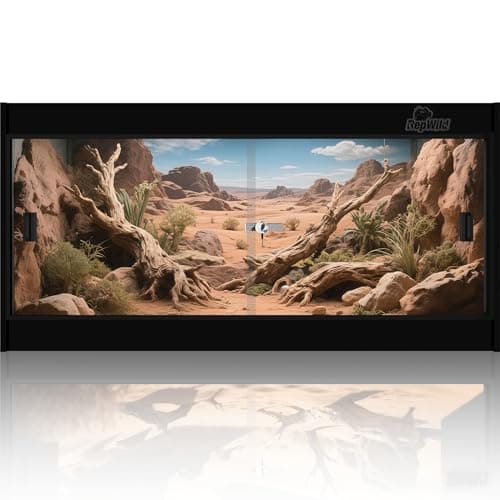
The humidity-sealed shell — 3/5" PVC panels that stay stable and resist warping in high humidity, a locking front tempered-glass door, and a mesh top for UVB and heat, with seams the maker recommends siliconing for a bioactive build, so the enclosure holds a living substrate instead of leaking moisture.
Sources: REPWILD manufacturer documentation, ARAV reptile-husbandry consensus, Bioactive-husbandry documentation
Verified Jul 12, 2026
The Bio Dude Terra Sahara Bioactive Substrate (36 quarts)
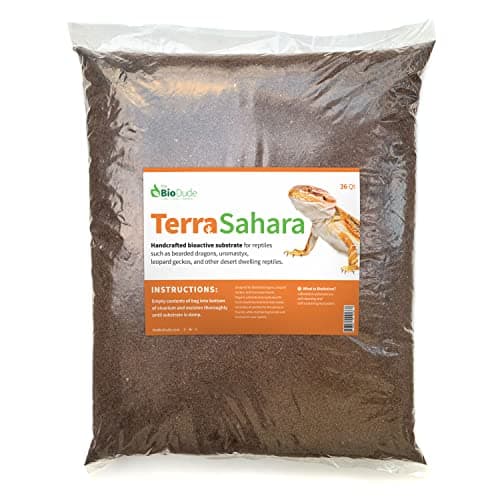
The living floor for an arid build — a bio-balanced desert substrate that holds tunnels and burrows, drains without clogging, and keeps water in its mid and bottom layers without raising cage humidity, so a desert species gets a stable ecosystem that can last its life per The Bio Dude.
Sources: The Bio Dude manufacturer documentation, Bioactive-husbandry documentation, ARAV reptile-husbandry consensus
Verified Jul 12, 2026
TC INSECTS Live Springtail (Temperate) Culture 8oz
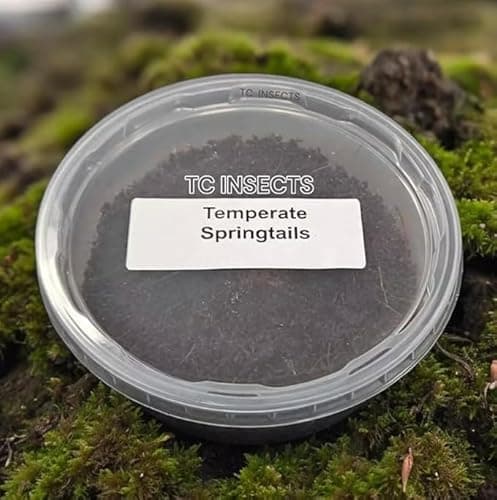
The biological engine of bioactive — a live culture loaded with eggs to hatch hundreds of springtails per TC INSECTS, the microfauna that consume mold and break down waste inside the substrate so the floor cleans itself between spot-cleanings.
Sources: TC INSECTS manufacturer documentation, Bioactive-husbandry documentation, ARAV reptile-husbandry consensus
Verified Jul 12, 2026
Our Picks
REPWILD
RepWild 4x2x2 (120 Gallon) PVC Reptile Enclosure
8.7 / 10
- 3/5" thick PVC panels that stay stable, insulate, and resist warping in humidity, per REPWILD
- Front-opening tempered-glass door with a lock and handle for secure, low-stress access
- Durable mesh top for ventilation and for UVB and heat to reach the animal
- Precision panels that seal near-invisibly with minimal silicone out of the box
$349.99
Current price · checked Sep 8, 2026
BIODUDE
The Bio Dude Terra Sahara Bioactive Substrate (36 quarts)
8.5 / 10
- Bioactive substrate for arid and desert species — bearded dragons, uromastyx, leopard geckos
- Accommodates desert plants such as succulents and cacti
- Holds moisture in mid and bottom layers without raising cage humidity, per The Bio Dude
- Bio-balanced multi-ingredient mix that supports a balanced ecosystem and can last the animal's life
$62.95
Current price · checked Sep 8, 2026
TC INSECTS
TC INSECTS Live Springtail (Temperate) Culture 8oz
8.3 / 10
- Live culture loaded with eggs to ensure hundreds of springtails hatch, per TC INSECTS
- Springtails consume mold and decaying organic matter inside the substrate
- The biological engine of a bioactive build — the crew that makes the floor self-cleaning
- Seeded into the substrate weeks ahead of the animal to establish a population
$14.99
Current price · checked Sep 8, 2026
TC INSECTS
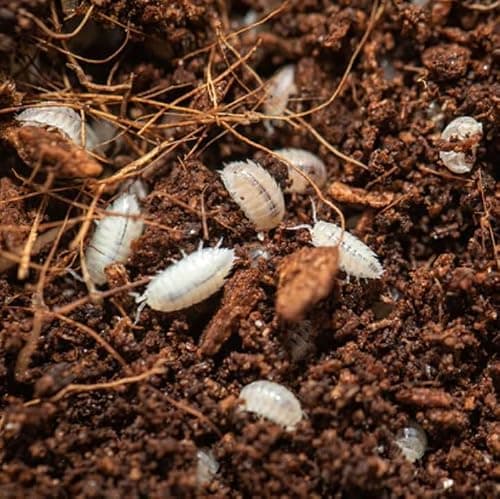
TC INSECTS Dwarf White Isopods (Qty 25+)
8.1 / 10
- 25+ dwarf white isopods, a mix of adults and juveniles per TC INSECTS
- A 2-5mm micro species, gentle enough for animals stressed by larger cleaner insects
- Fast-breeding, described by the maker as ideal for bioactive terrariums
- Breaks down larger waste and leaf litter that springtails alone leave behind
$18.98
Current price · checked Sep 8, 2026
Vivarium Electronics
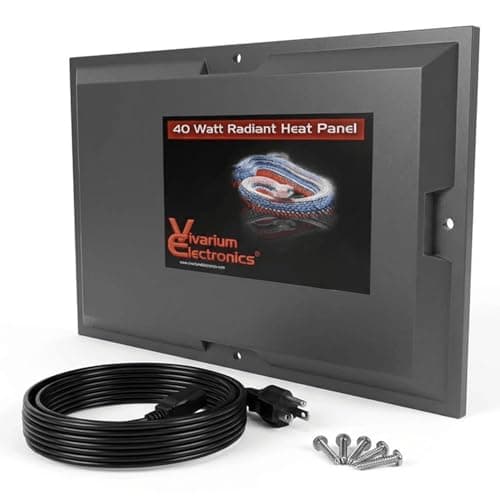
Vivarium Electronics 40W Radiant Heat Panel
8.0 / 10
- Made in USA with a glass-reinforced Noryl housing for durable, safe radiant heat
- Raises basking-area temperature only, most effective within 16" below the panel
- Sized for a 2'x4' or smaller enclosure in a room above 75°F
- Thermal fuse cuts power if the panel gets too hot, a built-in safety backstop
$89.99
Current price · checked Sep 8, 2026
REPTIZOO
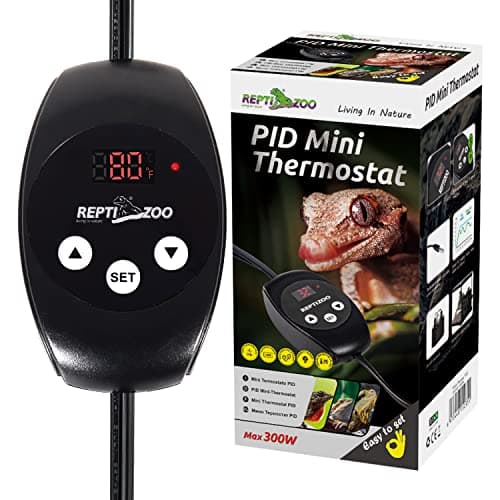
REPTIZOO Dimming Thermostat (PID Temperature Controller)
8.2 / 10
- Dimming thermostat with a smart PID heating mode that tapers power for stable temperatures, per REPTIZOO
- Proportional-style control designed specifically for heat lamps and suitable for almost any heater, per the maker
- Constant temperature control range 41-140°F (5-60°C), with a °F/°C switchable LED display
- Accurate probe senses real-time temperature and adjusts output continuously; memory function
$27.99
Current price · checked Sep 8, 2026
Hygger zoo
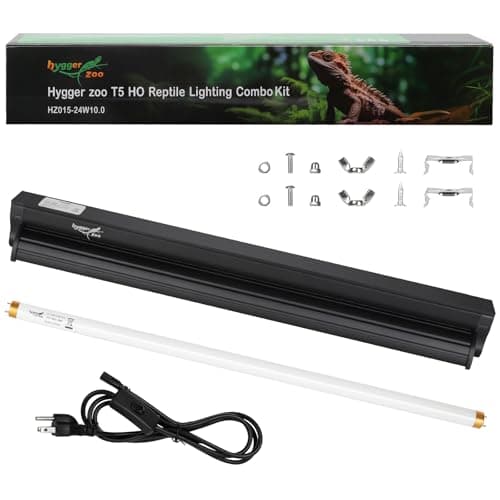
Hygger zoo T5 UVB Reptile Light Fixture (HO 10.0, 24W, 22")
7.9 / 10
- T5 HO 10.0 fixture, 24W, 22" — high UVB output for desert reptiles per Hygger zoo
- Supports D3 synthesis and calcium and phosphorus absorption
- Polished curved reflector directs stronger UVB down to the animal
- Aluminum hood dissipates heat for a longer fixture life
$36.99
Current price · checked Sep 8, 2026
FMATOZ
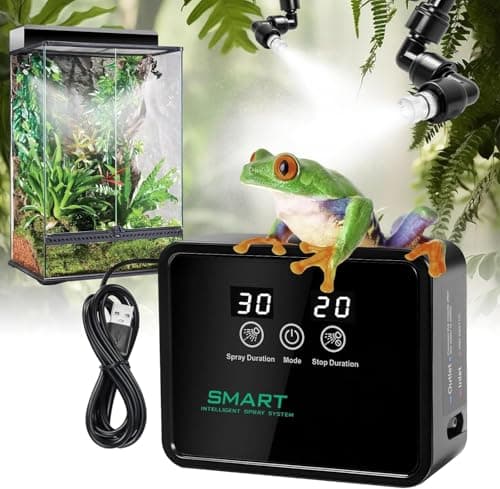
FMATOZ Automatic Reptile Mister (360° Nozzle, Timer)
7.8 / 10
- Smart timer: spray 5-60 seconds, intervals 1-24 hours, for a natural rainforest cycle
- Dual 360° nozzles and ultra-quiet operation compared with foggers
- Connects to any large bucket (not included) for days of unattended operation
- 16ft hose, DIY-friendly with tubing, nozzles, and clips to place spray where needed
$26.99
Current price · checked Sep 8, 2026
JEDEW
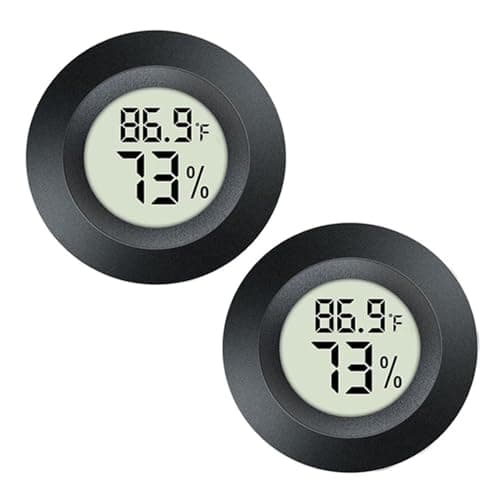
JEDEW Digital Thermometer Hygrometer (2 Pack)
7.7 / 10
- 2-pack digital LCD thermo-hygrometer — one for the warm end, one for the cool end
- Reads every 10 seconds for near-live temperature and humidity
- Temperature 0-70°C (32-158°F); humidity 10-99%RH
- Accuracy of ±1°F and ±3%RH for at-a-glance monitoring
$6.92
Current price · checked Sep 8, 2026
The Short Answer
Treat a bioactive terrarium as a living system you build in sequence, not a product you buy. First set the species, because the animal decides the substrate, heat, UVB, and humidity — this kit is built around an arid, desert reptile, and a tropical species needs a different plan. Start with a sealed shell: the REPWILD 4x2x2 PVC Enclosure resists warping in humidity and, per REPWILD, should have its seams siliconed for a bioactive build. Lay the living floor with The Bio Dude Terra Sahara, a desert substrate that holds moisture in its lower layers without raising cage humidity — the wrong choice for tropical animals, which need a humidity-retaining mix instead. Then seed the cleanup crew ahead of the animal: a TC INSECTS Springtail culture and TC INSECTS Dwarf White Isopods are the microfauna that eat mold and waste, and they need weeks to establish. Provide heat from above with a radiant panel sized to the enclosure, and never run one unregulated — the REPTIZOO Dimming Thermostat is that non-negotiable controller, a proportional-style PID unit chosen because that is the control class a radiant panel is designed for, and because an unregulated panel is a burn and overheat risk. Supply UVB with the Hygger zoo T5 HO fixture for D3 and calcium use, hold humidity to the range the species needs — by hand or on a timer, whichever you will actually keep up — and verify both ends of the gradient with a two-pack of JEDEW Thermometer-Hygrometers. The core never changes: match every parameter to the species, seed the life before the animal, and never run heat without a thermostat.
Every product on this list has been scored against the PetPal Gear Score, a weighted composite of expert consensus, observed effectiveness, animal safety, long-term durability, and value. Review method: Editorial synthesis of reptile-husbandry and bioactive-keeping guidance — the Association of Reptilian and Amphibian Veterinarians (ARAV) husbandry consensus, bioactive-husbandry documentation from The Bio Dude and other makers, and reptile-keeping community consensus. Manufacturer documentation from REPWILD, The Bio Dude, TC INSECTS, REPTIZOO, Hygger zoo, and JEDEW was reviewed. Community consensus from r/bioactive and r/reptiles was included as consensus, not quotation. No first-hand product testing — PetPalHQ does not run a testing lab.. Synthesized from 3+ expert sources.
A bioactive terrarium goes wrong, in this guide's editorial judgment, for one reason more than any other: it is treated as a style of decoration instead of a living system tuned to one animal. A keeper buys an enclosure, pours in a bag of substrate labeled "bioactive," drops in some bugs, and expects the box to clean itself around whatever reptile they happen to own. The substrate was never the hard part. Which species you are keeping, whether the substrate matches its climate, whether the heat is regulated, whether the UVB is the right strength, and whether the cleanup crew had weeks to establish — that is the bioactive build. The living floor is one stage in a sequence, not a product that finishes the job.
Start with the species, because it is the decision every other one depends on and the one no purchase can undo. A desert animal and a rainforest animal need opposite substrates, opposite humidity, and different UVB, and no cleanup crew changes that. This kit is built around an arid, desert reptile — the Terra Sahara substrate keeps ambient humidity low on purpose, and the 10.0 UVB is high-desert strength. A tropical species needs a humidity-retaining mix, a drainage layer, and a different climate plan, and the roundups this guide points to should be matched to your actual animal, not the other way around. None of that is a spec you read off a box; it is the research the build rests on.
Then build outward in stages. Seal one strong enclosure as the shell, lay the living substrate deep, seed the springtails and isopods weeks ahead of the animal so the crew is established before anything lives on top of it, and only then dial the climate — basking heat on a thermostat, UVB over the basking zone, humidity on a schedule that matches the species, and two gauges to prove the gradient is real. The picks below are that kit, in build order, not nine products ranked against each other. Each one earns its place by doing a job the finished terrarium needs done — and where a claim rests on a source or a maker's documentation, that is named rather than asserted, because PetPalHQ does not run a testing lab.
One principle sits above the whole build and never bends. A bioactive terrarium is safe only when every parameter is matched to the species, the heat source runs on a thermostat, the UVB is the correct strength and freshness, the gradient is measured at both ends, and the cleanup crew was established before the animal arrived. A desert kit is wrong for a tropical animal; an unregulated heat panel is a burn risk; and a self-cleaning floor still reduces husbandry rather than replacing it. Treat the terrarium as the living system it is, and it becomes the thing a captive reptile rarely gets — an environment that works with its biology instead of against it.
Head-to-Head Comparison
| Feature | RepWild 4x2x2 (120 Gallon) PVC Reptile Enclosure | The Bio Dude Terra Sahara Bioactive Substrate (36 quarts) | TC INSECTS Live Springtail (Temperate) Culture 8oz | TC INSECTS Dwarf White Isopods (Qty 25+) | Vivarium Electronics 40W Radiant Heat Panel | REPTIZOO Dimming Thermostat (PID Temperature Controller) | Hygger zoo T5 UVB Reptile Light Fixture (HO 10.0, 24W, 22") | FMATOZ Automatic Reptile Mister (360° Nozzle, Timer) | JEDEW Digital Thermometer Hygrometer (2 Pack) |
|---|---|---|---|---|---|---|---|---|---|
| Role in the setup | Sealed enclosure | Living substrate | Cleanup crew — mold | Cleanup crew — waste | Basking heat | Heat control | UVB | Humidity | Climate monitoring |
| Where it goes | The room, sited and sealed | The enclosure floor, laid deep | Seeded into the substrate | Seeded into the substrate | Mounted on the mesh top | Between heat source and outlet | Over the basking zone | Plumbed to a bucket | One at each end of the gradient |
| Build stage | Stage 1 — build the shell | Stage 2 — lay the floor | Stage 3 — seed the life | Stage 3 — seed the life | Stage 4 — dial the climate | Stage 4 — dial the climate | Stage 4 — dial the climate | Stage 4 — dial the climate | Stage 4 — verify the climate |
| Arid vs. tropical fit | Both — seal to suit species | Arid only — desert mix | Both — needs a moist retreat | Both — needs a moist retreat | Both — basking heat either way | Both — required either way | Desert 10.0 — lower for tropical | Occasional arid, central tropical | Both — verifies either climate |
| Check price | Amazon | Amazon | Amazon | Amazon | Amazon | Amazon | Amazon | Amazon | Amazon |
$349.99
Current price · checked Sep 8, 2026
- 3/5" thick PVC panels that stay stable, insulate, and resist warping in humidity, per REPWILD
- Front-opening tempered-glass door with a lock and handle for secure, low-stress access
- Durable mesh top for ventilation and for UVB and heat to reach the animal
- Precision panels that seal near-invisibly with minimal silicone out of the box
- Beginner-friendly manual; sold in multiple sizes (this is 48"x24"x24")
A bioactive terrarium is not a product you buy — it is a small living ecosystem you build, and the enclosure is only the shell that holds it. The REPWILD 4x2x2 earns the foundation slot because a bioactive build asks something a plain cage does not: it has to keep a deep, moist, living substrate and a steady microclimate in place for years. REPWILD documents a 48"x24"x24" enclosure made from 3/5" thick PVC panels that stay stable and insulating and resist warping in high humidity, with a front-opening tempered-glass door that locks, a durable mesh top for ventilation and for UVB and heat to pass through, and precision panels that seal near-invisibly with little silicone.
Where it fits the setup: this is the box everything else goes inside, and its job is to hold conditions the species needs. The PVC construction is the reason it anchors a bioactive build rather than a display tank — it insulates, so heat and humidity stay where you set them, and it resists the warping that moisture inflicts on wood or particleboard over time. One honesty point matters up front: REPWILD recommends siliconing the seams if you are building bioactive, because a self-cleaning substrate means standing moisture, and moisture finds every unsealed joint. Households weighing this shell against other builds on size, sealing, and ventilation should read our roundup of the best PVC reptile enclosures for bioactive setups before committing, because the enclosure choice constrains every layer you build on top of it.
The honest caveats are about matching the box to the animal and to the room. This is a 4-foot enclosure, so it suits a medium reptile, not a hatchling that would get lost in it or a giant that would outgrow it — size the enclosure to the species, and confirm the interior dimensions before buying. The mesh top is a feature for airflow and light, but airflow and high humidity pull against each other, so a very humidity-dependent tropical species may need the top partly covered to hold moisture, which is a species decision, not a default. And any enclosure is only as secure as its assembly and its lock, so check the door, the seams, and the mesh before an animal goes in. Confirm current price, dimensions, and availability before buying, since large-item listings and sizes shift. Bought as a sealed foundation to build a living system inside, it is the strongest single starting point in this kit.
What We Love
- PVC panels insulate and resist warping, holding heat and humidity for a living build
- Locking front-opening glass door gives secure, low-stress access to service the terrarium
- Mesh top lets UVB and heat reach the animal while venting excess moisture
- Precision panels seal cleanly, and the maker guides siliconing seams for bioactive use
What Could Be Better
- Seams should be siliconed for bioactive, an extra build step the box does not do for you
- A 4-foot enclosure suits a medium reptile, not a hatchling or a very large species
- Mesh-top airflow can fight humidity retention for tropical animals, needing partial covering
- Large-item assembly and siting is real work — this is a project, not an unboxing
The Verdict
Buy this as the sealed foundation, not the finished habitat. Its insulating PVC and locking glass door make it the box a living substrate can survive in — but budget for siliconing the seams, size it to your species, and plan the humidity trade-off that comes with the mesh top.
Sources
- REPWILD (Amazon product listing, 4x2x2 120 Gallon PVC Enclosure): 48"x24"x24" enclosure built from 3/5" thick PVC panels that stay stable and insulating and resist warping in high humidity, with a locking front-opening tempered-glass door and a durable mesh top for ventilation and UVB and heat penetration
- Reptile-husbandry and bioactive consensus: a bioactive terrarium needs an enclosure that holds humidity and resists moisture damage, because a deep living substrate and a stable microclimate cannot be maintained in a leaky or warping box
$62.95
Current price · checked Sep 8, 2026
- Bioactive substrate for arid and desert species — bearded dragons, uromastyx, leopard geckos
- Accommodates desert plants such as succulents and cacti
- Holds moisture in mid and bottom layers without raising cage humidity, per The Bio Dude
- Bio-balanced multi-ingredient mix that supports a balanced ecosystem and can last the animal's life
- Proper aeration and drainage so it won't clog or stagnate; holds tunnels and burrows
Give a reptile a bare floor and you have a cage to clean forever; give it a living substrate and the floor starts cleaning itself. The Bio Dude Terra Sahara is that living floor — for a desert animal. The Bio Dude documents a bio-balanced, multi-ingredient bioactive substrate made for arid and desert species like bearded dragons, uromastyx, and leopard geckos, one that accommodates desert plants such as succulents and cacti, holds tunnels and burrows, and drains with proper aeration so it will not clog or stagnate. The maker states it can support a balanced ecosystem that lasts the animal's life.
Where it fits the setup: the single most important thing to understand about this substrate is what it deliberately does not do. Terra Sahara holds water in its mid and bottom layers without raising the enclosure's humidity — that is exactly right for a desert reptile that needs a dry surface but benefits from a moisture reserve below, and exactly wrong for a tropical animal that needs high ambient humidity. This is the honesty core of the whole guide: the substrate must match the species. A crested gecko, a dart frog, or any rainforest animal needs a humidity-retaining tropical mix and a drainage layer, not this desert blend. Keepers matching a substrate to their specific animal should read our roundup of the best bioactive and bearded-dragon substrates before ordering, because pouring the wrong climate onto the floor undoes the build.
The honest caveats are about time and matching. A bioactive substrate is not instant — it needs the cleanup crew seeded into it and weeks to establish before the ecosystem is doing real work, so this goes in early, not the day the animal arrives. Thirty-six quarts fills a floor but may not reach the depth burrowing species want, so confirm your enclosure's footprint and the depth your animal needs. And "self-cleaning" is a reduction in spot-cleaning, not the end of husbandry — you still remove large waste, watch for problem mold, and keep the climate in range. Confirm current price and availability before buying. Matched honestly to an arid species, it is the layer that turns a box into a functioning ecosystem.
What We Love
- Purpose-built for arid species and desert plants, holding burrows and tunnels
- Holds a moisture reserve below without raising surface humidity — right for a desert build
- Bio-balanced mix drains without clogging and can support the ecosystem for the animal's life
- Reduces spot-cleaning once the cleanup crew is established in it
What Could Be Better
- Desert-specific — the wrong substrate for a tropical, humidity-dependent species
- Needs weeks and a seeded cleanup crew to establish before it works
- 36 quarts may not reach the depth a heavy burrowing species wants
- Reduces spot-cleaning but does not replace ongoing husbandry
The Verdict
The living floor that makes a build bioactive — but only for an arid animal. Confirm your species is a desert reptile before you pour it; a tropical animal needs a humidity-retaining mix instead, and Terra Sahara would fight the humidity that animal depends on.
Sources
- The Bio Dude (Amazon product listing, Terra Sahara 36 quarts): bio-balanced multi-ingredient bioactive substrate for arid and desert species such as bearded dragons, uromastyx, and leopard geckos that holds tunnels and burrows, drains without clogging or stagnating, and can last the animal's life
- Reptile-husbandry and bioactive consensus: a bioactive substrate must match the species' native climate — a desert mix for arid reptiles and a humidity-retaining mix for tropical ones — because the substrate sets the moisture the whole ecosystem runs on
$14.99
Current price · checked Sep 8, 2026
- Live culture loaded with eggs to ensure hundreds of springtails hatch, per TC INSECTS
- Springtails consume mold and decaying organic matter inside the substrate
- The biological engine of a bioactive build — the crew that makes the floor self-cleaning
- Seeded into the substrate weeks ahead of the animal to establish a population
- Pairs with isopods so the two microfauna cover different waste and scales
The word "bioactive" points at something alive doing the cleaning, and springtails are the smallest and busiest of that living crew. The TC INSECTS Springtail Culture seeds them into the floor. TC INSECTS documents an 8-ounce live culture loaded with eggs to ensure hundreds of springtails hatch — the tiny microfauna that eat mold and break down decaying matter inside the substrate. Worked into the Terra Sahara after it is laid and lightly moistened in a pocket that holds a little more water, they multiply into a standing population that patrols the soil.
Where it fits the setup: springtails are the engine that turns a substrate from dirt into a system. They consume the mold that would otherwise bloom on organic material and help process the waste and dropped food that reach the soil, which is the mechanism behind "self-cleaning." That is why this pick sits in the build sequence before the animal, not after — the crew needs time and a food source to establish, and dropping it in on the same day you add the reptile gives it no head start. Seed it early, keep a moist retreat for it even in a desert build, and let it settle for weeks while you dial in the climate above it.
The honest caveats are about establishment and expectations. A cleanup crew is a bio-establishment wait most beginners underestimate — it is weeks, not days, before the population is large enough to matter, and it never eliminates husbandry, it reduces the spot-cleaning between deep services. Springtails also need some moisture, which in an arid build means a damp corner or a hydrated lower layer rather than a wet surface, so match their microhabitat to the desert design without soaking the whole floor. And live cultures are shipped livestock, so time the order to mild weather and open it promptly. Confirm current price and availability before buying. As the first half of the cleanup crew, this is the cheap, living piece that makes the whole build worth calling bioactive.
What We Love
- Seeds the microfauna that eat mold and break down waste in the substrate
- Egg-loaded culture is built to hatch hundreds and establish a standing population
- Low cost for the biological engine that makes a terrarium self-cleaning
- Works alongside isopods so the crew covers mold and larger waste together
What Could Be Better
- Takes weeks to establish — a bio-establishment wait beginners underestimate
- Needs a moist retreat even in a desert build, which must be planned
- Live shipped culture is weather-sensitive and should be seeded promptly
- Reduces spot-cleaning but does not replace husbandry
The Verdict
The living engine that earns the word bioactive, for a few dollars. Seed it into the substrate weeks before the animal, give it a moist retreat even in an arid build, and let it establish — it is the piece that makes the floor clean itself between services.
Sources
- TC INSECTS (Amazon product listing, Live Springtail Temperate Culture 8oz): an 8oz live springtail culture loaded with eggs to ensure hundreds of springtails hatch, seeding the microfauna that consume mold and break down waste in a bioactive substrate
- Reptile-husbandry and bioactive consensus: springtails are the microfauna that consume mold and decaying matter in a living substrate, and seeding them ahead of the animal is what makes a terrarium self-cleaning rather than a box of soil
$18.98
Current price · checked Sep 8, 2026
- 25+ dwarf white isopods, a mix of adults and juveniles per TC INSECTS
- A 2-5mm micro species, gentle enough for animals stressed by larger cleaner insects
- Fast-breeding, described by the maker as ideal for bioactive terrariums
- Breaks down larger waste and leaf litter that springtails alone leave behind
- Ship-temperature caveat: do not order if temperatures are below 20 or above 95°F
Springtails handle mold and the fine work; something a little larger is needed to break down the bigger waste, and that is the isopod's job. The TC INSECTS Dwarf White Isopods are the second half of the cleanup crew. TC INSECTS documents 25-plus dwarf white isopods shipped as a mix of adults and juveniles — a small 2-to-5mm micro species the maker recommends for animals that larger cleaner insects would stress, and one described as fast-breeding and ideal for bioactive terrariums. Seeded into the same substrate as the springtails, they establish their own population over the following weeks.
Where it fits the setup: isopods and springtails divide the labor. The springtails graze mold and the finest matter, and the isopods process the coarser waste, shed skin, dropped food, and any leaf litter — together they keep the substrate turning over instead of accumulating. Choosing a dwarf white micro species is a deliberate welfare call: at 2 to 5mm they are small enough not to bother a reptile that a larger isopod might pester, which matters in an enclosure the animal cannot leave. Seeded early alongside the springtails, they are the other half of the biological system the whole build depends on.
The honest caveats start with the shipping window the maker itself flags: do not order dwarf whites if temperatures are below 20 or above 95°F, because they are live animals in transit and extremes kill a culture in the box. Like the springtails, they take weeks to build a working population, so they go in ahead of the reptile, not with it. And an arid build has to give even a desert crew a slightly moister pocket to survive, because isopods dry out — matching their microhabitat without wetting the whole desert floor is part of the design. Confirm current price and availability before buying. As the coarse-waste half of the cleanup crew, they are the piece that keeps the substrate from slowly filling with what springtails are too small to move.
What We Love
- Processes the coarser waste and leaf litter springtails are too small to handle
- Dwarf 2-5mm micro species is gentle on animals stressed by larger cleaners
- Fast-breeding, so a small starter culture builds into a working population
- Completes the cleanup crew alongside the springtails for a true bioactive floor
What Could Be Better
- Hard shipping window — not to be ordered below 20 or above 95°F
- Weeks to establish before the population does meaningful work
- Needs a moist retreat even in a desert build to avoid drying out
- A starter quantity that takes patience to reach full working numbers
The Verdict
The coarse-waste half of the cleanup crew that finishes the bioactive floor. A gentle dwarf species safe for sensitive animals — just respect the shipping-temperature window, seed it early with the springtails, and give it a moist pocket to survive an arid build.
$89.99
Current price · checked Sep 8, 2026
- Made in USA with a glass-reinforced Noryl housing for durable, safe radiant heat
- Raises basking-area temperature only, most effective within 16" below the panel
- Sized for a 2'x4' or smaller enclosure in a room above 75°F
- Thermal fuse cuts power if the panel gets too hot, a built-in safety backstop
- Low-profile under 2" thick with a 6ft cord, detachable cord, and screws for mounting
A reptile does not make its own body heat, so the enclosure has to supply it — and for a bioactive build, a radiant panel does that without the burn risk of an exposed bulb or the substrate contact of a heat mat. The Vivarium Electronics 40W Radiant Heat Panel is the heat source here. Vivarium Electronics documents a US-made panel in a glass-reinforced Noryl housing that delivers durable radiant heat, raising the basking-area temperature rather than the whole enclosure, most effective within 16 inches below the panel and sized for a 2'x4' or smaller enclosure in a room above 75°F. It mounts low-profile at under 2 inches thick, with a detachable cord and a thermal fuse that cuts power if it overheats.
Where it fits the setup: mounted to the mesh top of the REPWILD enclosure, the panel creates the warm basking zone a reptile thermoregulates against, while leaving a cooler end so the animal can choose its temperature. Radiant heat suits bioactive because it warms from above like the sun and does not bake the living substrate or the cleanup crew the way an under-tank heater would. But the single most important rule on this page attaches to this pick: this panel must run on a thermostat. It is not optional. An unregulated heat source can climb past a safe temperature and burn or overheat the animal, and the built-in thermal fuse is a last-resort cutoff, not a substitute for regulation. Keepers comparing panels on wattage, coverage, and safety features should read our roundup of the best reptile radiant heat panels before mounting anything, because the panel and its controller are bought as a pair.
The honest caveats follow from how the panel works. It raises the basking area only and is most effective within 16 inches, so panel height and enclosure size have to match the spec — too far away and it will not reach the basking temperature the species needs. It is rated for a 2'x4' or smaller enclosure in a room already above 75°F, so a cold room or a larger cage is outside its design. And it heats one zone by design, which is correct for a gradient but means it is one part of a climate plan, not the whole of it. Confirm current price and availability before buying. Paired with its thermostat, it is the safe, substrate-friendly way to give a bioactive terrarium its basking heat.
What We Love
- Radiant heat from above warms a basking zone without baking the living substrate
- Durable US-made Noryl housing with a thermal fuse as a built-in overheat backstop
- Low-profile mounting on the mesh top preserves enclosure space
- Creates a defined basking area, supporting the temperature gradient a reptile needs
What Could Be Better
- Must run on a thermostat — an unregulated panel is a burn and overheat risk
- Heats the basking area only, most effective within 16" below the panel
- Rated for a 2'x4' or smaller enclosure in a room above 75°F, not a cold room or big cage
- One zone by design — part of a climate plan, not the whole of it
The Verdict
The safe, substrate-friendly way to give a bioactive terrarium its basking heat — but never on its own. This panel must run on a thermostat; the built-in fuse is a last-resort cutoff, not regulation. Match the mounting height to the 16-inch spec and the enclosure to its size rating.
$27.99
Current price · checked Sep 8, 2026
- Dimming thermostat with a smart PID heating mode that tapers power for stable temperatures, per REPTIZOO
- Proportional-style control designed specifically for heat lamps and suitable for almost any heater, per the maker
- Constant temperature control range 41-140°F (5-60°C), with a °F/°C switchable LED display
- Accurate probe senses real-time temperature and adjusts output continuously; memory function
- Maximum output load 300W — ample headroom for a radiant panel; not for use with sunlamps
A heat source without a controller is a hazard waiting for a hot day, and the thermostat is what turns a radiant panel from a risk into a regulated climate tool. The REPTIZOO Dimming Thermostat is that controller, and it is the required partner to whatever heat panel you mount above the basking zone — chosen deliberately as a proportional-style unit, because that is the control class a radiant panel is designed for. REPTIZOO documents a dimming thermostat with a smart PID heating mode built for heat lamps and heaters, a highly accurate probe that senses real-time temperature and adjusts output continuously, a constant control range of 41 to 140°F (5 to 60°C), a °F/°C switchable LED display with a memory function, and a maximum output load of 300 watts.
Where it fits the setup: the panel plugs into the thermostat, the probe sits at the basking zone, and the controller regulates power to hold the basking spot at the target. The reason this pick is a proportional controller is the guide's engineering teaching moment: a plain on-off thermostat switches the heater hard around the setpoint, so the temperature saws up and down, while a dimming/PID unit tapers the output as the zone approaches target — a steadier basking temperature, and per the maker a more stable and efficient mode that also extends heating-element life. Either way the rule does not bend: this piece is not negotiable with any radiant panel, because an unregulated panel is exactly the burn-and-overheat scenario a thermostat exists to prevent. Keepers comparing controllers on accuracy, probe placement, and on-off versus proportional control should read our roundup of the best reptile thermostats before wiring anything, because the controller is a safety device, not an accessory.
The honest caveats come straight from the maker's guidance. The probe belongs near the basking zone but at least 15 centimeters — about six inches — from the heat source itself, never directly under it, or the controller will regulate the wrong temperature. The 300-watt maximum output load covers any radiant panel in the usual range but rules the unit out for high-wattage rigs, and REPTIZOO says not to use it with sunlamps. The maker also notes that a very small gap between the set and actual temperature can produce very low output, and suggests verifying operation on first setup by raising the setpoint a few degrees — and, sensibly, monitoring the system during first use. Confirm current price and availability before buying. As the mandatory partner to the heat panel, this is the box that keeps the basking heat safe — and steady.
What We Love
- Proportional PID dimming control — the class radiant panels are designed for
- Tapers power smoothly for a steadier basking temperature than on-off cycling
- Wide 41-140°F range with a switchable °F/°C LED display and memory function
- The required regulator that makes a radiant panel safe to run at all
What Could Be Better
- 300W maximum output load — ample for a radiant panel, but not for high-wattage rigs
- Not for use with sunlamps, per the maker
- Probe must sit about six inches from the heat source, never directly under it
- Costs more than a basic on-off controller — the price of proportional control
The Verdict
The non-negotiable partner to a radiant heat panel, in the control class those panels are designed for. Its PID dimming mode holds the basking zone steady instead of sawing around the setpoint — place the probe per the maker's guidance, stay within the 300W load rating, and never run a heat panel without it.
$36.99
Current price · checked Sep 8, 2026
- T5 HO 10.0 fixture, 24W, 22" — high UVB output for desert reptiles per Hygger zoo
- Supports D3 synthesis and calcium and phosphorus absorption
- Polished curved reflector directs stronger UVB down to the animal
- Aluminum hood dissipates heat for a longer fixture life
- Mounts on the mesh top or inside the vivarium; UVA/UVB ratio similar to sunlight
Heat keeps a reptile warm, but UVB is what lets it use its food — without it, a reptile cannot make vitamin D3 and cannot absorb the calcium it eats. The Hygger zoo T5 HO fixture supplies that UVB. Hygger zoo documents a T5 HO 10.0 fixture, 24 watts and 22 inches, with high UVB output aimed at D3 synthesis and calcium and phosphorus absorption, a polished curved reflector that drives stronger UVB downward, an aluminum hood that dissipates heat for longer life, and a UVA/UVB ratio the maker likens to sunlight. It mounts on the mesh top or inside the vivarium and is built for desert reptiles and amphibians.
Where it fits the setup: UVB is not optional for most day-active desert species, and the 10.0 output is the high-desert strength a bearded dragon or similar basker needs. The fixture sits over the basking zone so the animal gets UVB and warmth in the same spot it already returns to, and the reflector matters because UVB falls off fast with distance — a good reflector puts more of it where the animal sits. The 10.0 strength is chosen for the arid animal this whole kit is built around; a tropical or shade-dwelling species needs a lower output, which is another place the species sets the spec. Keepers matching bulb strength and mounting distance to their animal should read our roundup of the best reptile UVB bulbs before mounting, because UVB strength and distance are matched to the species, not guessed.
The honest caveats are about output over time and placement. UVB lamps decay well before they stop making visible light, so the fixture needs replacing on the maker's schedule even when it still looks bright — an old bulb quietly starves the animal of D3. Mounting distance and any mesh between the lamp and the animal both cut the UVB that arrives, so the basking spot has to be set at the right distance under the fixture, not just anywhere warm. And UVB is species-specific: a 10.0 desert lamp is too strong for a shade animal and too weak if mounted too far from a high-desert basker. Confirm current price and availability before buying. As the UVB layer, it is what turns good food and good heat into an animal that can actually use them.
What We Love
- High 10.0 UVB output matched to desert baskers for D3 and calcium use
- Curved reflector drives more UVB down to the basking zone where it is needed
- Aluminum hood manages heat for a longer fixture life
- Mounts flexibly on mesh or inside, near the basking heat the animal already uses
What Could Be Better
- UVB decays before the visible light does — the bulb needs scheduled replacement
- Mounting distance and mesh both cut delivered UVB and must be set correctly
- 10.0 desert strength is wrong for a tropical or shade-dwelling species
- Effective only when the basking spot sits at the right distance beneath it
The Verdict
The UVB layer that lets a desert reptile actually use its calcium — for the arid animal this kit is built around. Set the basking distance to the fixture, replace the bulb on schedule even when it still glows, and match a different strength if your species is not a high-desert basker.
$26.99
Current price · checked Sep 8, 2026
- Smart timer: spray 5-60 seconds, intervals 1-24 hours, for a natural rainforest cycle
- Dual 360° nozzles and ultra-quiet operation compared with foggers
- Connects to any large bucket (not included) for days of unattended operation
- 16ft hose, DIY-friendly with tubing, nozzles, and clips to place spray where needed
- Built for chameleons, snakes, frogs, geckos, and tropical plants
Humidity is the parameter a bioactive build lives or dies on, and for many species it needs to be delivered on a schedule rather than by hand. The FMATOZ Automatic Reptile Mister does that job. FMATOZ documents a smart-timer misting system with sprays adjustable from 5 to 60 seconds at intervals of 1 to 24 hours to mimic a natural rainforest cycle, dual 360° nozzles, ultra-quiet operation next to a fogger, a 16-foot hose, and a connection to any large bucket for days of unattended running. It is built for chameleons, snakes, frogs, geckos, and tropical plants.
Where it fits the setup: how central this pick is depends entirely on the species, and that is the honest framing. For a tropical animal, misting is the core of the humidity plan — regular cycles hold the ambient moisture a rainforest species needs and trigger the humidity spikes that support healthy shedding. For the arid, desert reptile this particular kit is built around, misting is occasional and targeted — a light schedule to support shedding or a humid hide, not a rainforest cycle that would wreck a desert climate. The timer's wide range is what makes the same device serve both, dialed to the animal. Keepers matching a humidity system to their species should read our roundup of the best reptile misting and fogging systems before plumbing anything, because a misting schedule that is right for a frog is wrong for a uromastyx.
The honest caveats are about matching and upkeep. The biggest risk is over-humidifying a species that needs a dry environment, so the schedule must be set to the animal, not to the device's rainforest default. It needs a bucket that is not included, and any water system in a warm enclosure needs clean water and periodic maintenance to avoid nozzle scale and stagnation. And misting interacts with the enclosure's ventilation — too much water with too little airflow invites the wrong kind of mold even a cleanup crew struggles with. Confirm current price and availability before buying. As the humidity layer, it is the tool that makes the moisture side of the climate repeatable, tropical or arid, as long as the schedule matches the species.
What We Love
- Programmable schedule delivers repeatable humidity instead of hand-misting
- Wide timer range serves both tropical rainforest cycles and light arid targeting
- Quiet, bucket-fed operation runs unattended for days
- Long hose and adjustable 360° nozzles place spray exactly where needed
What Could Be Better
- Over-misting a dry species is a real risk — the schedule must match the animal
- Requires a bucket that is not included in the box
- Water in a warm enclosure needs maintenance to avoid scale and stagnation
- Misting and ventilation must be balanced or the wrong mold can take hold
The Verdict
The humidity layer that makes moisture repeatable — central for a tropical species, occasional and targeted for the arid animal this kit centers on. Set the schedule to the species rather than the device's rainforest default, and balance misting against the enclosure's airflow.
$6.92
Current price · checked Sep 8, 2026
- 2-pack digital LCD thermo-hygrometer — one for the warm end, one for the cool end
- Reads every 10 seconds for near-live temperature and humidity
- Temperature 0-70°C (32-158°F); humidity 10-99%RH
- Accuracy of ±1°F and ±3%RH for at-a-glance monitoring
- Runs about 10 months on an LR44 battery
Every other piece in this build sets a condition; this one tells you whether the conditions are real. The JEDEW Thermometer-Hygrometer two-pack is how you verify the climate you built. JEDEW documents a pair of digital LCD units that read temperature and humidity every 10 seconds, covering 0 to 70°C (32 to 158°F) and 10 to 99% relative humidity, accurate to about ±1°F and ±3%RH, and running roughly 10 months on an LR44 battery. Two units is the point — one for each end of the enclosure.
Where it fits the setup: a reptile enclosure is supposed to have a gradient, a warm basking end and a cooler retreat, and the only honest way to confirm a gradient is to measure both ends at once. Put one unit at the basking zone under the heat source and one at the cool end, and the pair shows you the actual spread the animal is choosing between — not a single number that hides whether the cool end is a true refuge or just as hot. The humidity readout does the same job for the moisture side, telling you whether the misting schedule is holding the range the species needs or drifting. Keepers comparing gauges on accuracy, probe options, and placement should read our roundup of the best reptile thermometers and hygrometers before trusting a single reading, because a climate you cannot measure is a climate you are guessing at.
The honest caveats are about accuracy and trust. Inexpensive digital gauges drift and vary unit to unit, so the ±1°F and ±3%RH are guidance, not gospel — cross-check a critical basking temperature with a second method rather than betting an animal's health on one cheap sensor. Placement changes the reading, so a gauge stuck in the wrong spot reports the wrong climate confidently. And a gauge only reports; it does not control, so it is the eyes on the system the thermostat and your humidity routine actually run. Confirm current price and availability before buying. As the monitoring layer, a two-pack is the cheapest honesty in the build — proof the gradient you designed is the gradient the animal is living in.
What We Love
- Two units let you verify both ends of the temperature gradient at once
- Near-live 10-second readings for temperature and humidity together
- Wide ranges cover any reptile climate, arid or tropical
- The cheapest way to prove the climate you built is the climate that exists
What Could Be Better
- Budget digital gauges drift — cross-check a critical basking temperature
- Accuracy varies unit to unit, so ±1°F and ±3%RH is guidance, not gospel
- Reports only; it does not control heat or humidity
- Placement changes the reading, so a misplaced gauge misleads confidently
The Verdict
The cheapest honesty in the build — proof the gradient and humidity you designed are the ones the animal is actually living in. Use both units, one per end, cross-check a critical basking temperature with a second method, and treat the gauges as the eyes the thermostat and your humidity routine run blind without.
How We Score
Formula
PetPal Bioactive-Setup Score = (Expert Consensus × 0.35) + (Setup Fit × 0.25) + (Safety / Welfare Design × 0.20) + (Value × 0.20)
Score Factors
- Expert Consensus · 35%
- Synthesized from ARAV reptile-husbandry consensus, bioactive-husbandry documentation from The Bio Dude and other makers, and reptile-keeping community consensus. The PetPal Bioactive-Setup Score is a composite of expert opinion — PetPalHQ does not run a testing lab.
- Setup Fit · 25%
- How directly the item advances a complete bioactive build in sequence — the sealed shell, the living substrate, the seeded cleanup crew, and the heat, UVB, and humidity — rather than how it performs as a standalone product ranked against rivals.
- Safety / Welfare Design · 20%
- Alignment with reptile-welfare principles — parameters matched to the species, a regulated heat source on a thermostat, correct UVB, a verified temperature gradient, and a cleanup crew established before the animal arrives.
- Value · 20%
- Cost relative to the item's role in the build, including durability in a humid living enclosure and how much of the safe, self-cleaning outcome the item is responsible for.
| Rank | Product | Score |
|---|---|---|
| #1 | REPWILD RepWild 4x2x2 (120 Gallon) PVC Reptile Enclosure | 8.7 |
| #2 | BIODUDE The Bio Dude Terra Sahara Bioactive Substrate (36 quarts) | 8.5 |
| #3 | TC INSECTS TC INSECTS Live Springtail (Temperate) Culture 8oz | 8.3 |
| #4 | REPTIZOO REPTIZOO Dimming Thermostat (PID Temperature Controller) | 8.2 |
| #5 | TC INSECTS TC INSECTS Dwarf White Isopods (Qty 25+) | 8.1 |
| #6 | Vivarium Electronics Vivarium Electronics 40W Radiant Heat Panel | 8.0 |
| #7 | Hygger zoo Hygger zoo T5 UVB Reptile Light Fixture (HO 10.0, 24W, 22") | 7.9 |
| #8 | FMATOZ FMATOZ Automatic Reptile Mister (360° Nozzle, Timer) | 7.8 |
| #9 | JEDEW JEDEW Digital Thermometer Hygrometer (2 Pack) | 7.7 |
When NOT to Buy
A bioactive terrarium is not a shortcut around husbandry, and some keepers should not start one yet. If you are not willing to research your specific species' temperature, UVB, and humidity parameters and set them precisely, a bioactive build will not save you — it makes those parameters more important, not less, because a living substrate and a cleanup crew are added responsibilities, not a substitute for the animal's basic needs. A bioactive setup is a reason to learn your species' numbers, never a way to avoid them.
This particular kit is built around an arid, desert reptile, and it is the wrong kit for a tropical animal. The Terra Sahara substrate is a desert mix that deliberately keeps ambient humidity low, and the 10.0 UVB is high-desert strength — a crested gecko, a dart frog, or any rainforest species needs a humidity-retaining substrate, a drainage layer, a different UVB output, and a central rather than occasional misting schedule. Match the roundups this guide points to your actual animal before ordering, and if your species is tropical, treat the substrate and UVB picks here as illustrations of the method, not the parts list. The species sets the parameters; the parameters never bend to fit a kit you already own.
Finally, two honest limits. A bioactive build is not "set and forget" — the cleanup crew needs the substrate seeded weeks ahead of the animal to establish, live plants and a drainage layer add work for tropical builds, and the crew reduces spot-cleaning rather than replacing husbandry. And the heat side is a hard safety line: a radiant panel must run on a thermostat, because an unregulated heat source is a burn and overheat risk, and no cleanup crew or living plant compensates for a temperature that is out of range. Keepers who want the climate side laid out end to end can start from our reptile habitat environmental control hub. Confirm current price, dimensions, and availability on every item before buying — listings, sizes, and live-animal shipping windows move over time.
Frequently Asked Questions
- What actually makes a terrarium "bioactive"?
- A bioactive terrarium is a small living ecosystem rather than a decorated box. The core is a deep organic substrate seeded with a cleanup crew — microfauna like springtails and isopods that eat mold, waste, and decaying matter inside the soil, so the floor processes much of its own mess between deep cleanings. In a tropical build, live plants and a drainage layer are usually part of it too, taking up nutrients and helping manage moisture. The whole system runs under the correct heat, UVB, and humidity for the species living in it. The important honesty point is that bioactive reduces spot-cleaning, it does not eliminate husbandry. You still remove large waste, watch the climate, and keep every parameter in range. The living crew is a help, not a replacement for a keeper who knows their animal's needs.
- Is this desert kit right for my tropical reptile, like a crested gecko?
- No, and this is the most important caveat in the guide. This kit is built around an arid, desert species. The Terra Sahara substrate is a desert mix that deliberately keeps ambient humidity low, and the UVB fixture is high-desert 10.0 strength. A tropical animal such as a crested gecko, a dart frog, or a rainforest snake needs the opposite in several places: a humidity-retaining substrate over a drainage layer, a central misting schedule rather than an occasional one, and usually a lower UVB output. The method in this guide still applies to a tropical build — seal the shell, lay a living floor, seed the crew ahead of the animal, then dial the climate — but the specific substrate and UVB picks would be wrong. Match the roundups this guide links to your actual species, and let the animal's native climate set every parameter.
- Do I really need a thermostat with a radiant heat panel?
- Yes, without exception. A radiant heat panel must run on a thermostat, and this is a hard safety rule, not a nice-to-have. An unregulated heat source can climb past a safe temperature and burn or overheat the animal, which cannot leave the enclosure to escape it. The thermostat sits between the panel and the outlet, with its probe near the basking zone, and regulates power to hold the basking spot at the target instead of letting it rise — a proportional dimming controller like this kit's REPTIZOO tapers the output smoothly rather than switching hard on and off, which is the control style a radiant panel is designed for. A panel's built-in thermal fuse, where it has one, is a last-resort cutoff for a fault condition, not a substitute for everyday temperature regulation. Buy the panel and the controller as a pair, place the probe correctly, and never run the heat source on its own.
- How long before I can put my reptile in a new bioactive setup?
- Longer than most beginners expect, and rushing it is a common mistake. The cleanup crew needs the substrate seeded weeks ahead of the animal so the springtails and isopods can establish a working population — dropping them in on the same day as the reptile gives them no head start, and the floor will not be doing meaningful cleanup work yet. In a tropical build with live plants, you also want the plants rooted and growing before the animal disturbs them, which adds more time. During that window you also dial in and verify the climate, watching your gauges to confirm the heat gradient and humidity hold steady across days, not minutes. Treat the establishment period as part of the build, not a delay. A terrarium that has settled for a few weeks is far more stable than one an animal moves into the day it is assembled.
- Does a bioactive setup mean I never have to clean the enclosure?
- No. Bioactive reduces cleaning, it does not remove it. The cleanup crew consumes mold and breaks down waste and dropped food inside the substrate, which cuts down the constant spot-cleaning a bare floor demands. But you still remove large waste the crew cannot process quickly, monitor for problem mold if moisture and airflow fall out of balance, refresh water, keep up whatever humidity routine the species needs, and keep an eye on the substrate's condition over time. You also keep verifying the climate, because a cleanup crew has nothing to do with whether the basking temperature or humidity is correct. The honest way to think about it is that a bioactive build changes the kind of maintenance rather than ending it. The living system handles the small, constant decomposition, and you handle the animal's health, the climate, and everything the microfauna are too small or too slow to manage.
Bottom Line
Set the species first, then build to its numbers. This kit is an arid, desert setup — the Terra Sahara substrate and the 10.0 UVB are desert-specific, and a tropical animal needs a humidity-retaining substrate, a drainage layer, and a different UVB and misting plan. The parameters follow the animal, never the reverse.
Build in sequence: shell, then floor, then life, then climate. Seal the REPWILD enclosure's seams, lay the living substrate deep, seed the TC INSECTS springtails and isopods weeks before the animal, then dial heat, UVB, and humidity — a bioactive floor needs time to establish, not a same-day rush.
Never run a radiant heat panel without a thermostat. Whichever panel you mount plugs into the REPTIZOO dimming controller, with the probe placed per the maker's guidance; an unregulated heat source is a burn and overheat risk, and a panel's built-in thermal fuse is a last resort, not regulation. Proportional PID control is the class radiant panels are designed for.
Match the climate tools to the animal and verify them. The Hygger zoo T5 UVB and a two-pack of JEDEW gauges only work when tuned to the species and measured — one gauge per end proves the gradient is real. The whole climate side is covered in our reptile habitat environmental control hub.
Bioactive reduces cleaning; it does not replace husbandry. The cleanup crew eats mold and waste and cuts spot-cleaning, but you still watch the climate, remove large waste, and keep the parameters in range. Treat the terrarium as a living system to maintain, not a purchase that finishes itself — that is exactly why it works when you build it that way.
Sources & Methodology
Methodology
PetPal Bioactive-Setup Score = (Expert Consensus × 0.35) + (Setup Fit × 0.25) + (Safety / Welfare Design × 0.20) + (Value × 0.20)
Expert review sources
- Association of Reptilian and Amphibian Veterinarians (ARAV) — reptile husbandry and welfare consensus
- The Bio Dude — bioactive husbandry documentation and Terra Sahara substrate documentation
- Bioactive-keeping consensus on cleanup crews, substrate matching, and climate gradients
- REPWILD — 4x2x2 PVC Reptile Enclosure product documentation
- TC INSECTS — Live Springtail Culture and Dwarf White Isopods product documentation
- REPTIZOO — Dimming Thermostat (PID Temperature Controller) product documentation
- Hygger zoo — T5 HO UVB Reptile Light Fixture product documentation
- JEDEW — Digital Thermometer Hygrometer product documentation
Community sources
- r/bioactive — bioactive substrate, cleanup-crew, and establishment consensus
- r/reptiles — species-parameter and heat-regulation consensus
Prices and specs verified July 12, 2026.
About the author
Nick Miles is the chief editor of PetPalHQ. This bioactive terrarium setup plan and its kit are editorial synthesis of ARAV reptile-husbandry consensus, bioactive-husbandry documentation from The Bio Dude and other makers, and reptile-keeping community consensus — PetPalHQ does not run a testing lab. The PetPal Bioactive-Setup Score is a composite of expert opinion, not a measurement. Sources are cited by name throughout.
PetPalHQ is a participant in the Amazon Services LLC Associates Program. We may earn commissions from qualifying purchases — at no extra cost to you.
More Guides
Reptile
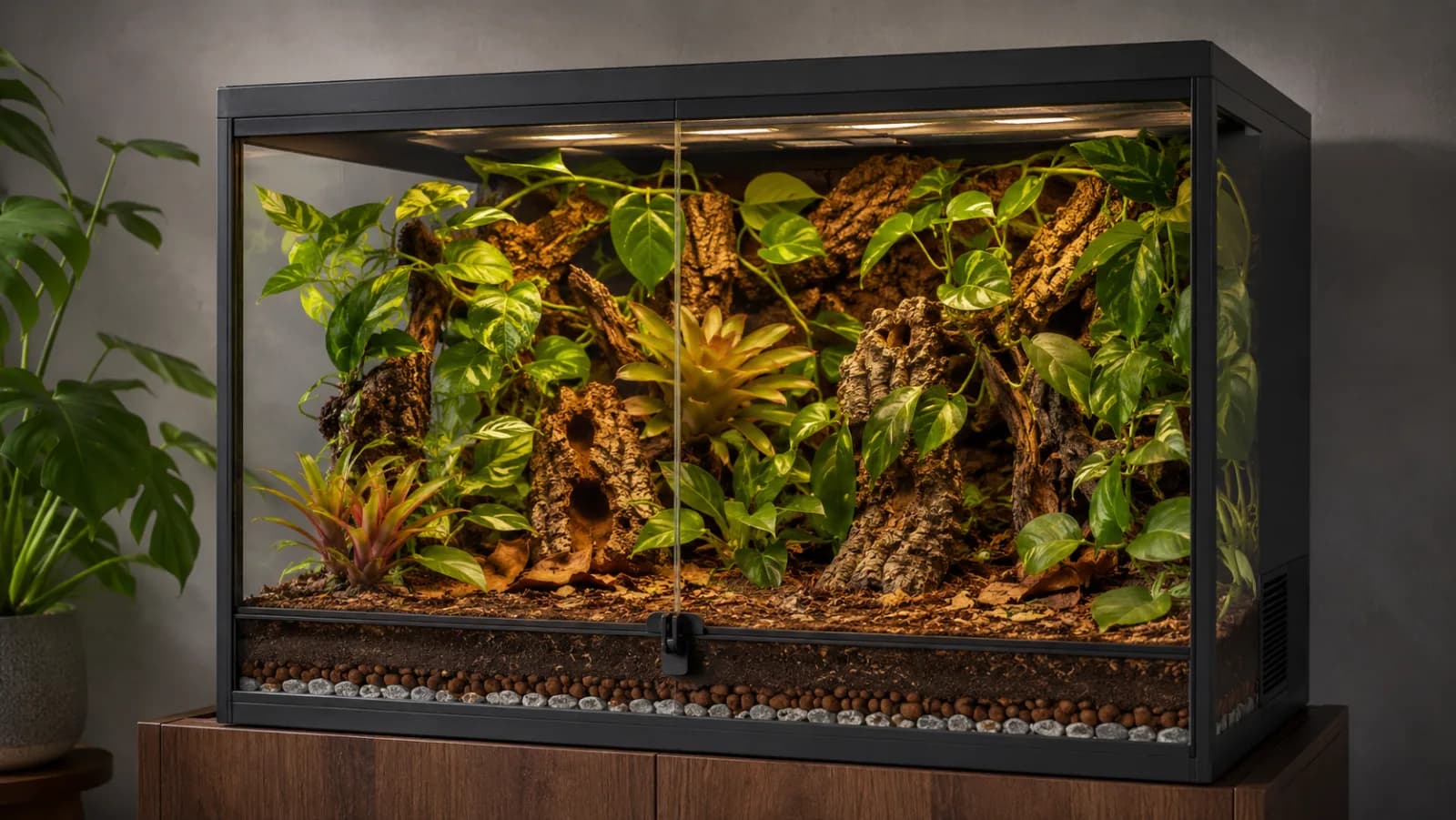
Best PVC Reptile Enclosures for Bioactive Setups (2026)
Reptile
Best Bearded Dragon Substrates 2026: Safe Loose & Solid Options
Reptile
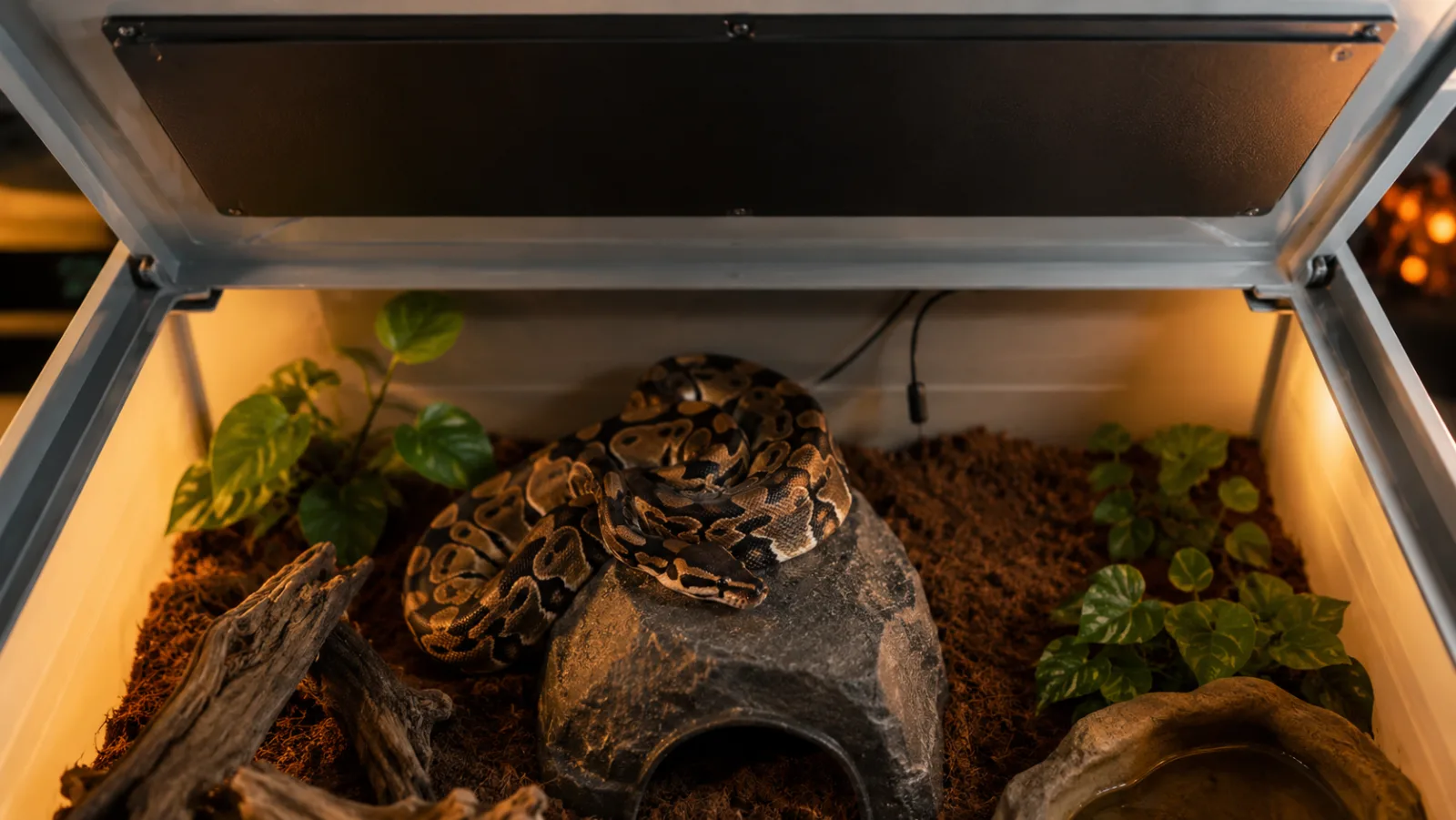
Best Reptile Radiant Heat Panels and Overhead Heat for 2026
Reptile
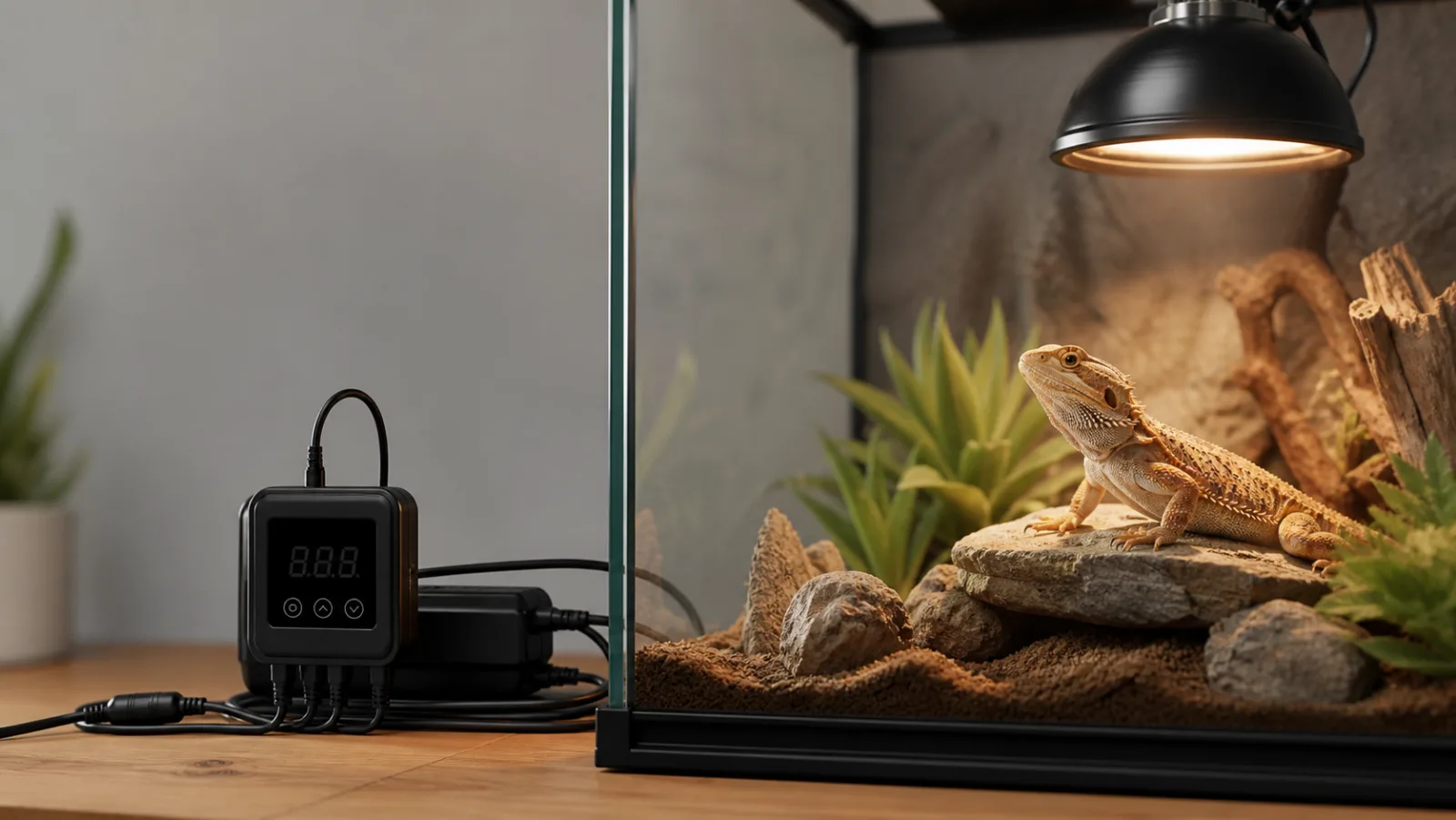
Best Reptile Thermostats for Heat Mats, CHEs & Heating Elements (2026)
Reptile
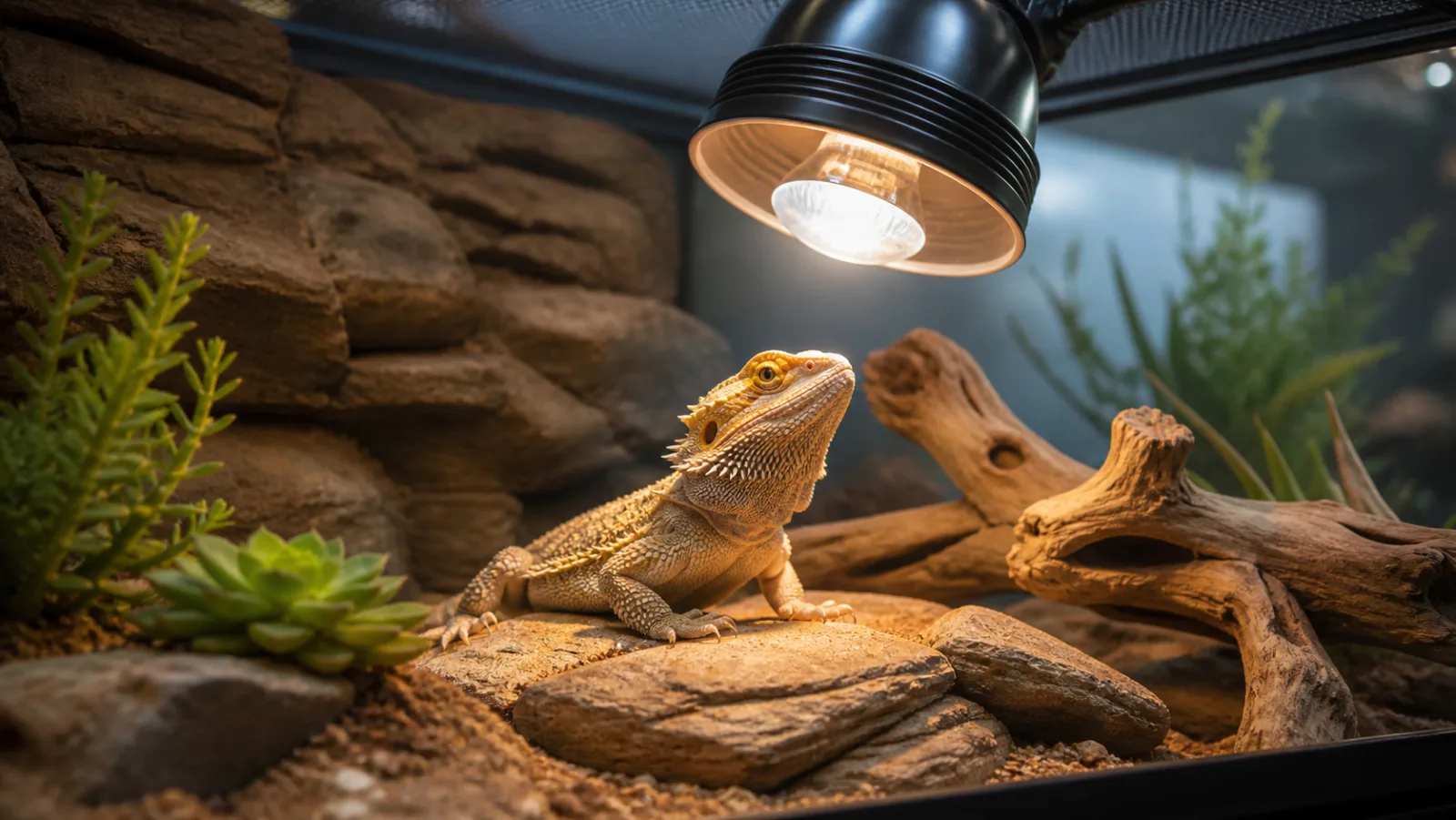
Best Reptile UVB Bulbs for Safe Lighting (2026)
Reptile