Cats & Dogs
Leaving Your Pet Home Alone for the Weekend: The Automation Checklist
This is not a gadget haul — it is a planning checklist for the weekend a cat stays home while you go. A feeder, a diet guard, a fountain, self-cleaning litter with a plain backup box, and a camera cover two nights for a self-reliant adult cat. The honest ceiling is 48 to 72 hours; past that, a person does the job a machine cannot. Dogs are a separate answer entirely — a weekend away for a dog household means a sitter, boarding, or taking the dog along, not a bowl of kibble on a timer.
By Nick Miles · Updated September 30, 2026 · 12 min read
PetPalHQ is reader-supported. We may earn a commission from qualifying Amazon purchases at no extra cost to you.
Evidence at a Glance
PETLIBRO Granary Smart Camera Feeder
Scheduled meals with a built-in check — up to ten portions a day and a 1080p camera, so an empty bowl at home is something you can actually see rather than assume.
Sources: PETLIBRO (Amazon product listing), Pet-sitting and animal-welfare consensus on verified feeding
Verified Jul 16, 2026
PetSafe Drinkwell 360 Stainless Steel Multi-Pet Fountain
Moving water that survives a weekend — a 128-ounce stainless reservoir with five free-falling streams, sized so a multi-cat home does not run the bowl dry before you get back.
Sources: PetSafe (Amazon product listing), Pet-sitting and animal-welfare consensus on hydration
Verified Jul 16, 2026
Furbo 360 Dog Camera (No Subscription Required)
The verification layer — a rotating 360-degree view with two-way audio and no monthly fee, whose real job away from home is confirming the feeder fired and the pet is moving normally.
Sources: Furbo (Amazon product listing), Pet-sitting and animal-welfare consensus on the verification loop
Verified Jul 16, 2026
Our Picks
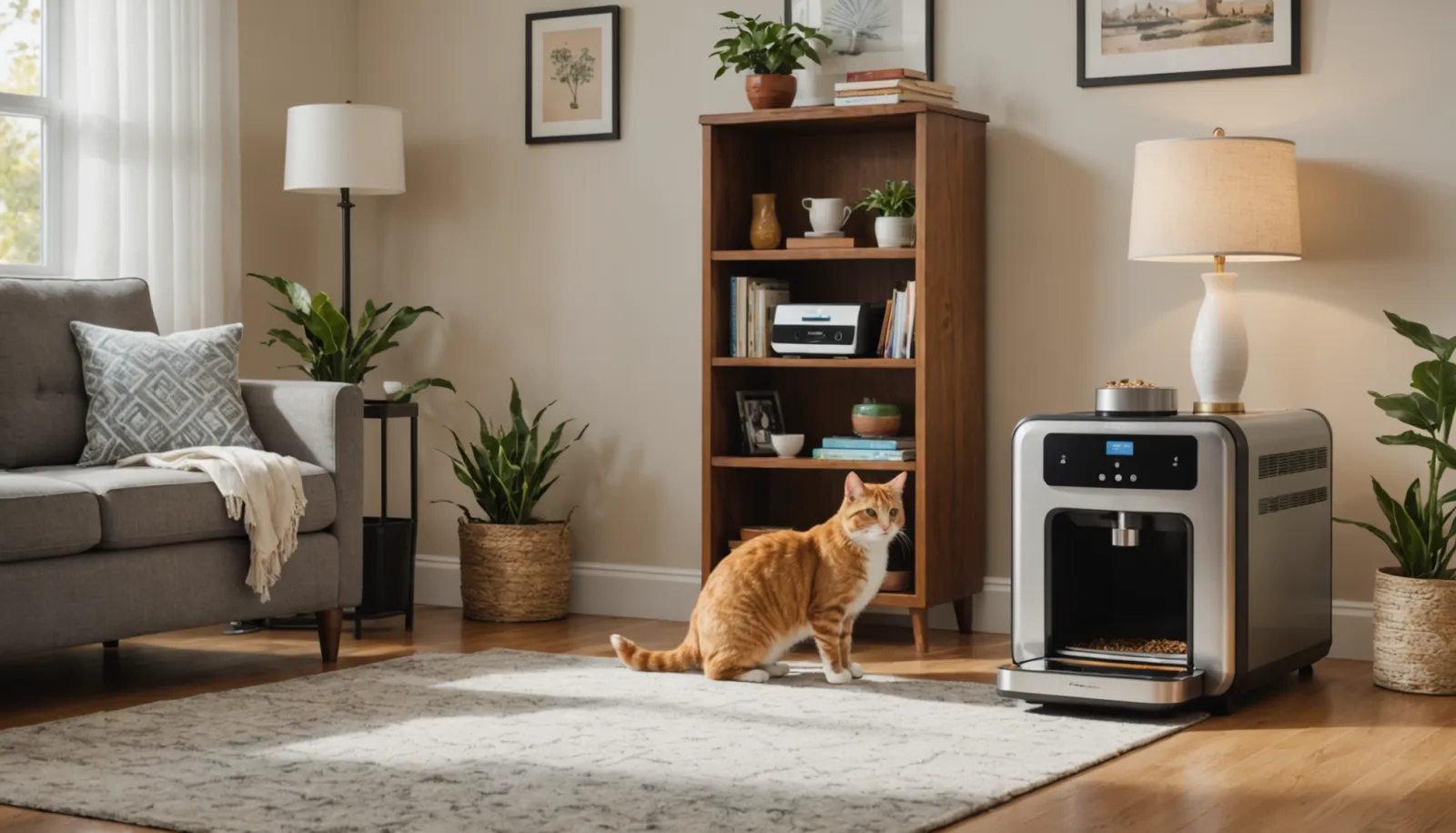
PETLIBRO
PETLIBRO Granary Smart Camera Feeder
8.6 / 10
- Up to ten scheduled meals a day per PETLIBRO documentation
- 1080p camera with a 145-degree lens and night vision
- Two-way audio and Wi-Fi app control from a phone
- 5L hopper covers a weekend without a refill
$139.99
Current price · checked Sep 8, 2026
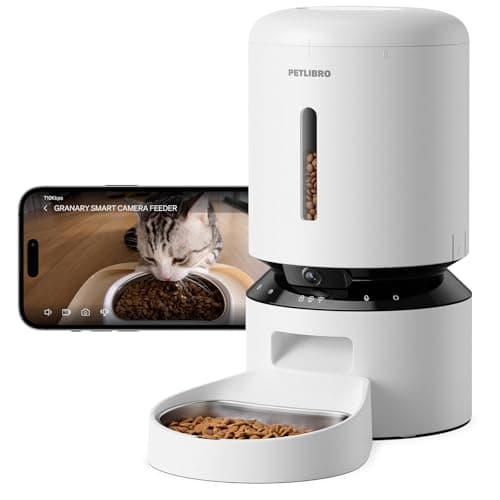
Sure Petcare
Sure Petcare SureFeed Microchip Pet Feeder
8.5 / 10
- Reads implanted microchips and RFID tags per Sure Petcare
- Built for multi-pet, prescription-diet, and weight-managed homes
- Lid opens for the right pet and seals when it leaves
- Wet- and dry-food compatible per the manufacturer
$199.00
Current price · checked Sep 26, 2026
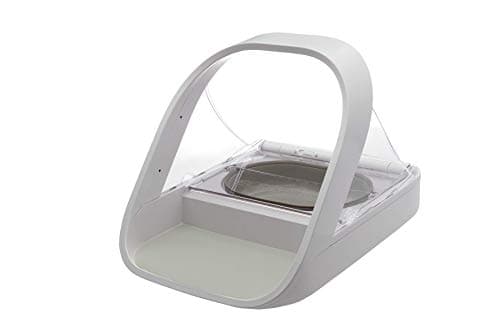
PetSafe
PetSafe Drinkwell 360 Stainless Steel Multi-Pet Fountain
8.4 / 10
- 128-ounce stainless reservoir per PetSafe documentation
- Five free-falling streams for simultaneous multi-cat access
- Stainless surface avoids the scratched-plastic problem
- Dishwasher-safe top components for easy cleaning
$75.99
Current price · checked Sep 8, 2026
IRIS USA
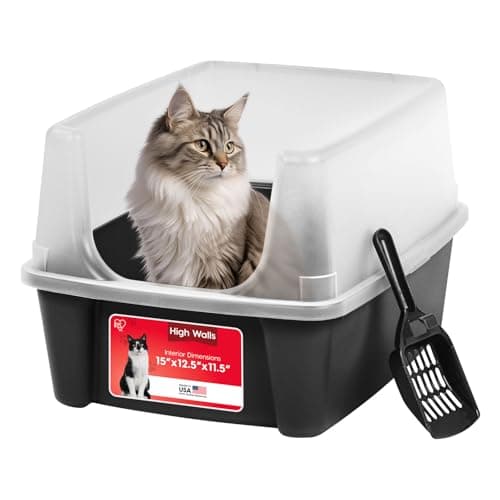
IRIS USA Large Open-Top High-Sided Litter Pan
8.2 / 10
- Large open-top pan with high sides per IRIS USA
- Contains the scatter a digging cat kicks out
- Lower front entry suits kittens and senior cats
- Cheap enough to buy several and hit the count
$22.99
Current price · checked Sep 8, 2026
Furbo
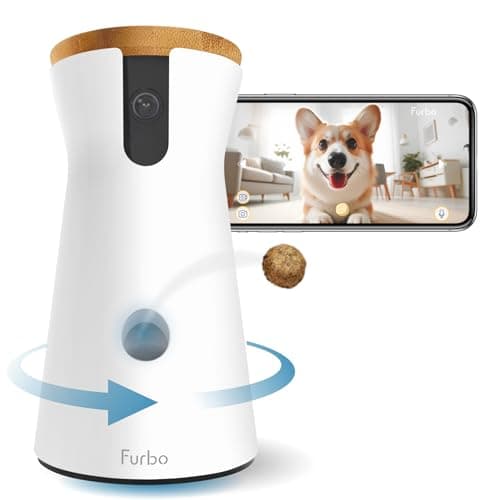
Furbo 360 Dog Camera (No Subscription Required)
8.1 / 10
- Rotating 360-degree view with two-way audio per Furbo
- Phone-controlled treat toss for a quick remote interaction
- Adjustable barking and meowing alerts
- No subscription needed for see, talk, and toss
$184.00
Current price · checked Sep 26, 2026
Eheim
Eheim Feed-Air Everyday Programmable Automatic Fish Feeder
8.0 / 10
- Battery-operated programmable feeder from an established brand
- Adjustable dosing opening sets a genuinely small portion
- Ventilation design keeps dry food from clumping into a clog
- Mounts above the water line on a daily schedule
$72.00
Current price · checked Sep 8, 2026
The Short Answer
For a healthy adult cat, two nights alone is a solved problem with the right setup: a scheduled feeder, a fountain that keeps water moving, enough litter capacity, and a camera to confirm it all fired. The honest ceiling is 48 to 72 hours. Past that, automation stops being enough and a pet sitter is the answer — this checklist equips a weekend, it does not replace care. Dogs are a different answer entirely: most dogs should not be left overnight without a sitter or boarding, so a weekend away for a dog household means a sitter, boarding, or taking the dog along, not a feeder on a timer. The rows below are cat-weighted, and each links to the full category roundup behind it. Run every device on its real schedule for a week before you rely on it, and line up a nearby person with a key, because automation fails silently and a camera only tells you — it cannot unjam a feeder.
Every product on this list has been scored against the PetPal Gear Score, a weighted composite of expert consensus, observed effectiveness, animal safety, long-term durability, and value. Review method: Editorial synthesis of pet-sitting and animal-welfare consensus — veterinary and shelter guidance on time-alone limits, plus manufacturer and Amazon listings for each device. Sources are named rather than asserted, and community consensus is treated as consensus, not quotation. No first-hand product testing — PetPalHQ does not run a testing lab. The PetPal Weekend-Ready Score is a composite of expert opinion and documented specifications, not a measurement.. Synthesized from 5+ expert sources.
Leaving a pet home for a weekend goes wrong, in this guide's editorial judgment, not during the trip but in the planning — or the lack of it. A busy household pours food into a bowl on the way out the door, leaves an extra dish of water, and hopes two nights pass quietly. Usually they do. The times they do not are the ones worth planning for: a bowl licked empty by the first evening, a fountain that a cat never trusted, a single litter box that turns a tidy cat into a stressed one, an auto-feeder that jammed on the first morning with nobody watching. This checklist is built around that last fact, because the quiet failures are the dangerous ones.
The governing truth is simple: automation buys a weekend, not a week. For a healthy, self-reliant adult cat, two nights with a scheduled feeder, moving water, enough litter capacity, and a camera to confirm it all fired is a genuinely solved problem. Bought as a full set the checklist runs about $725, though a realistic cat-household core of feeder, fountain, camera, and a backup box lands nearer $406. The picks below are that setup as a checklist, in the order the weekend needs it — feed, water, litter, watch — not six products ranked against one another. Where a claim rests on a maker's listing or on pet-care consensus, it is named rather than asserted, because PetPalHQ does not run a testing lab.
Two honesty lines sit above the gear and never bend. The first is about time: past roughly three days, no arrangement of devices is enough, and a pet sitter is the answer, because a machine cannot notice a subtle illness or respond to a crisis. The second is about dogs. The rows here are cat, fish, and small-pet weighted because most dogs should not be left overnight alone at all — they need breaks, exercise, and company, so a dog weekend means a sitter, boarding, or bringing the dog along. A feeder on a timer is not a dog plan.
Everything else follows from the way automation fails: silently. A jammed hopper, an unplugged fountain, and a stuck litter motor all look fine from a distance, which is why the checklist is layered rather than trusting. Scheduled meals get a camera to verify them, moving water gets a plain bowl beside it, a powered litter box gets cheap backup pans, and the whole setup gets a nearby person with a key who can do the one thing no device can — physically respond. Provision that way, dry-run every piece for a full week before you leave, and a weekend away stays uneventful, which is the entire goal.
Gone longer than a weekend: the zero-manual-backup upgrade tier
Everything above this line is scoped to the honest 48-to-72-hour ceiling this checklist opens with — a self-reliant adult cat, a dry-run week ahead of time, and a neighbor with a key as the human backup. That's a different job from a household that travels regularly, or that wants the between-visit hours genuinely hands-off even when a sitter is already checking in once a day.
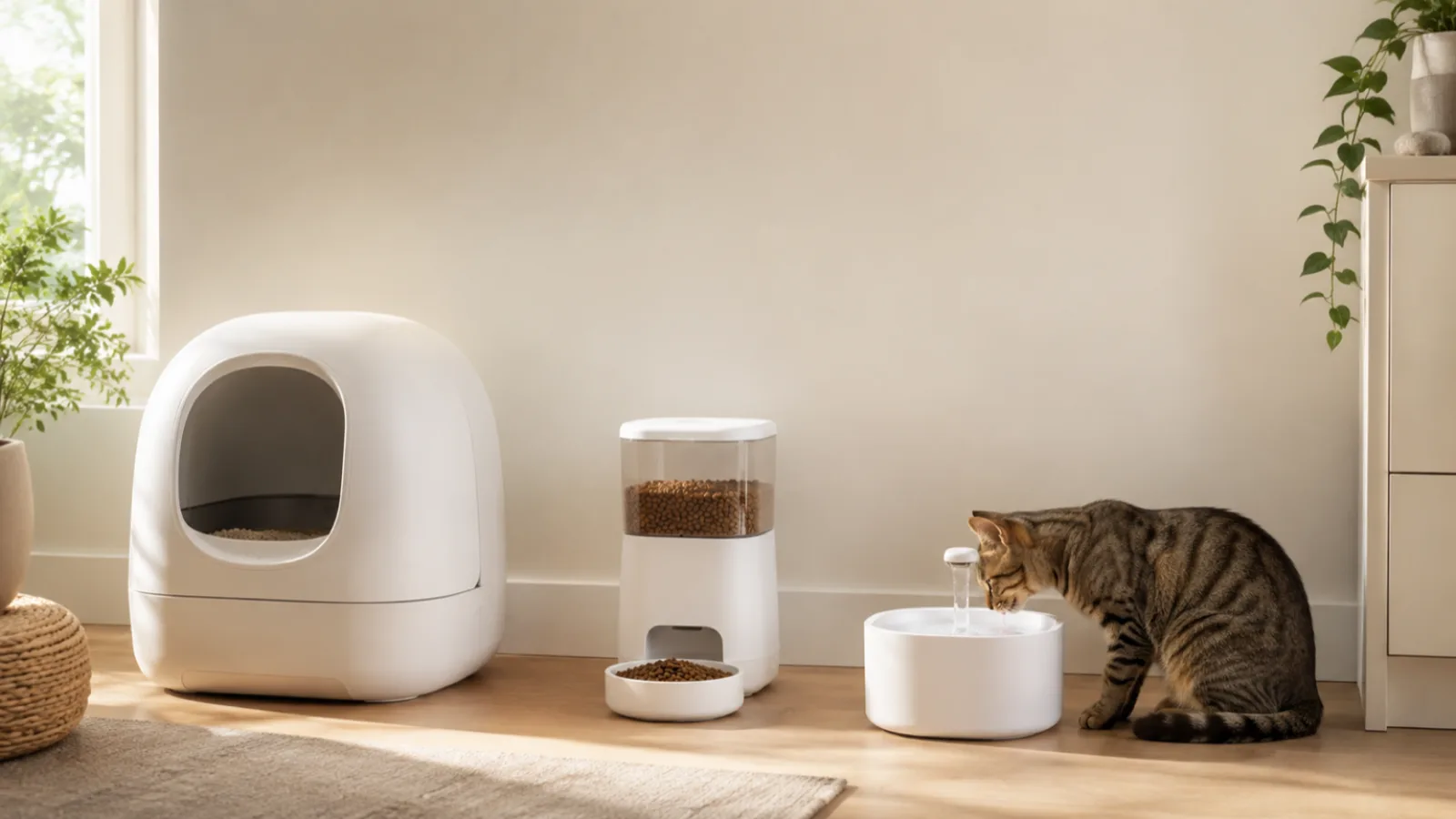
For that "gone longer, want the belt-and-suspenders version" household, two upgrades replace this checklist's individual devices with dedicated systems built for exactly that gap. Our Best Auto-Replenishing Pet Care Station guide covers the litter, feeding, and water problem as one integrated station rather than three separate devices — a genuinely different framing from the PETLIBRO feeder and Drinkwell fountain above, which are chosen here specifically as a weekend-scoped, budget-conscious set, not as a long-absence system. And for a multi-pet or indoor/outdoor household where the diet-guard problem in this checklist (the SureFeed microchip feeder) extends to the door itself, our Best Microchip Cat Doors guide covers chip-selective entry that keeps the wrong animal out without a person managing the door.
Neither upgrade changes the two honesty lines this checklist is built on: a sitter is still the answer past about three days, and a dog household still needs a sitter, boarding, or to travel with the dog. The upgrade tier is for stretching what automation covers between human check-ins, not for extending the honest ceiling on how long a pet can go with no person involved at all.
Head-to-Head Comparison
| Feature | PETLIBRO Granary Smart Camera Feeder | Sure Petcare SureFeed Microchip Pet Feeder | PetSafe Drinkwell 360 Stainless Steel Multi-Pet Fountain | IRIS USA Large Open-Top High-Sided Litter Pan | Furbo 360 Dog Camera (No Subscription Required) | Eheim Feed-Air Everyday Programmable Automatic Fish Feeder |
|---|---|---|---|---|---|---|
| The checklist job | Scheduled meals | Diet guard | Fresh water | Backup boxes | Eyes on the house | The fish tank |
| What it provides | Meals fired and camera-verified | The wrong pet kept out of the bowl | Moving water sized for a weekend | The fail-safe n+1 spare | Verification the setup worked | A week of portioned fish food |
| Set up when | Dry-run a week before | Batteries in, tested before | Running for weeks before | Filled fresh before you go | Alerts set before you go | Tested for days before |
| PetPal Weekend-Ready Score | 8.6 | 8.5 | 8.4 | 8.2 | 8.1 | 8.0 |
| The fail-safe note | Camera shows the bowl was eaten | Chip-gated so diets stay apart | Leave a plain backup bowl too | Works through a power cut | A human with a key responds | Underfeed rather than over |
| Check price | Amazon | Amazon | Amazon | Amazon | Amazon | Amazon |
$139.99
Current price · checked Sep 8, 2026
- Up to ten scheduled meals a day per PETLIBRO documentation
- 1080p camera with a 145-degree lens and night vision
- Two-way audio and Wi-Fi app control from a phone
- 5L hopper covers a weekend without a refill
- The camera closes the loop — you can see the bowl
Meals are the first thing to automate, because a missed feeding is the fastest way a quiet weekend turns into a problem. The PETLIBRO Granary earns the top slot for one reason the other feeders here cannot match: it lets you watch the bowl. PETLIBRO documents up to ten meals a day, a 1080p camera with a 145-degree lens and night vision, two-way audio, and a 5L hopper. A dry-food schedule is easy; knowing the schedule worked is the hard part, and the camera is what supplies it.
That verification is the whole case for this pick. A feeder on a timer is a leap of faith — it dispenses on cue whether or not the pet ate, and a hopper bridge or a stuck auger looks exactly like a well-fed cat from a thousand miles away. The camera turns that guess into a glance. If meals matter more broadly than a single trip, the full field of scheduled and multi-pet models sits in our roundup of the best automatic pet feeders, which sorts them by hopper size, portioning, and app reliability.
The honest limits are worth stating. This is a dry-food-first feeder, so households that feed canned or raw get less from it, and it does not gate access — one pet can still raid another's bowl, which is the next pick's job. It also lists at $139.99, and on our August 18, 2026 check the buy box matched list rather than sitting below it, so budget the full price rather than a discount. Bought for a self-reliant adult cat and paired with a camera you actually check, it is the most useful single device on this list.
What We Love
- The camera confirms the meal was eaten, not just dispensed
- Up to ten portions supports small, frequent feeding
- 5L hopper handles a two-night trip without a refill
- Two-way audio lets you settle an anxious pet remotely
What Could Be Better
- Dry-food-first — not a canned or raw solution
- Does not gate access, so bowl-raiding goes unpoliced
- App and firmware reliability vary by home and update
The Verdict
Start the checklist here for a single self-reliant cat: scheduled meals plus a camera is the one combination that lets you see the bowl instead of trusting it. Feed dry food, keep the hopper topped, and treat the camera as the point of the pick rather than a bonus.
Sources
- PETLIBRO (Amazon product listing, Granary Smart Camera Feeder): documents up to ten meals per day, a 1080p camera with a 145-degree wide-angle lens and night vision, two-way audio, Wi-Fi app control, and a 5L hopper for kibble or semi-moist food
- Pet-sitting and animal-welfare consensus (veterinary and shelter guidance as synthesized by the pet-care community): an automated feeder is only trustworthy for an unattended pet when something confirms the meal was actually eaten, because a jammed hopper or a skipped bowl looks identical to a fed pet until someone checks
$199.00
Current price · checked Sep 26, 2026
- Reads implanted microchips and RFID tags per Sure Petcare
- Built for multi-pet, prescription-diet, and weight-managed homes
- Lid opens for the right pet and seals when it leaves
- Wet- and dry-food compatible per the manufacturer
- Battery-powered, so a power cut cannot stop it
In a two-cat home, or a cat-and-dog home, the feeder that earns its place is the one that keeps the wrong nose out of the right bowl. The SureFeed reads a pet's implanted microchip, opens for that animal, and seals shut when it walks away. Sure Petcare describes it as built for multi-pet, prescription-diet, and weight-management households, and because it reads the chip itself, it does not depend on a collar tag that a cat may or may not be wearing when you leave.
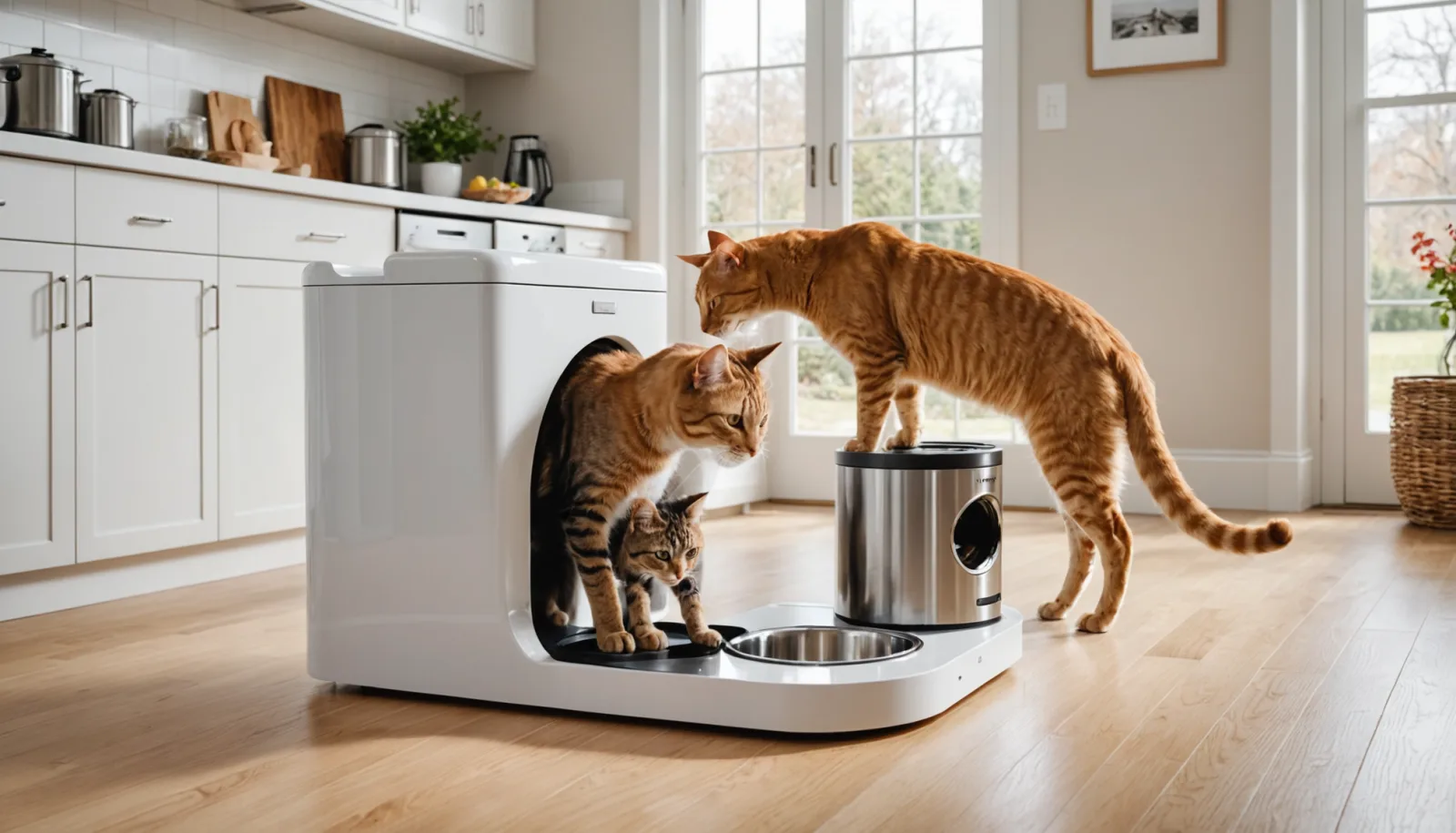
This is where a weekend away quietly goes wrong without a plan. The diet conflict that a person referees at every meal — the sibling who steals prescription food, the dog whose nose follows the cat's bowl — runs unsupervised the moment the house empties. A schedule-only feeder cannot fix it, because portioning food on time does nothing to stop the wrong animal reaching it. If diet policing is the real problem, the dedicated field lives in our roundup of the best smart pet feeders for multi-pet homes, including the app-connected models.
The honesty here is about category. This is access control, not meal scheduling — it guards the bowl but does not portion on a timer, so a household that needs both pairs it with a scheduled feeder for the gated pet. It also runs on batteries, which is a genuine strength for an outage but a thing to check before a trip. It sits at $199.00 with no discount running on the current listing, so budget the full sticker rather than planning around a sale. For a multi-pet diet split, nothing else on this list does its job.
What We Love
- Chip-gated access keeps diets separate with no referee
- Reads the implanted chip, not a collar tag that goes missing
- Wet- and dry-food compatible per Sure Petcare
- Battery power means an outage cannot open the bowl
What Could Be Better
- Access control only — it does not schedule meals
- One bowl per unit, so more pets may mean more feeders
- Battery dependence is a thing to check before you leave
The Verdict
Add the SureFeed when the household has a diet conflict a person normally polices — a prescription eater, a weight-managed cat, a food-thief sibling. It guards the bowl rather than filling it on a clock, so pair it with a scheduled feeder if timed meals also matter, and fresh batteries go on the pre-trip list.
Sources
- Sure Petcare (Amazon product listing, SureFeed Microchip Pet Feeder): reads implanted microchips and RFID collar tags, is designed for multi-pet, prescription-diet, and weight-management households, works with both wet and dry food, and is battery-powered rather than mains-connected
- Pet-sitting and animal-welfare consensus (veterinary and shelter guidance as synthesized by the pet-care community): in a multi-pet home an unattended stretch is exactly when bowl-raiding goes unpoliced, so keeping the wrong pet out of a prescription or weight-managed diet becomes a hardware problem once no one is home to intervene
$75.99
Current price · checked Sep 8, 2026
- 128-ounce stainless reservoir per PetSafe documentation
- Five free-falling streams for simultaneous multi-cat access
- Stainless surface avoids the scratched-plastic problem
- Dishwasher-safe top components for easy cleaning
- Large capacity sized for a multi-day absence
Water is the need people plan for last and regret first. A tipped bowl or a reservoir that runs dry on the second morning is a real risk over a weekend, and the fountain that handles it is the one with capacity and moving water. PetSafe documents a 128-ounce stainless reservoir with five free-falling streams and dishwasher-safe top parts. The volume is the point for an absence: it is enough that a multi-cat home does not drain it before you get back, and the movement keeps the water inviting.
A fountain also nudges a stubborn drinker. Many cats prefer running water to a still bowl, and the five-stream geometry gives more than one cat access at once, which matters in a home where competition otherwise thins out the shy drinker. The stainless surface sidesteps the scratched-plastic film that makes older fountains hard to keep feeling clean. The wider category, from budget stainless to design-led compacts, sits in our roundup of the best cat water fountains if a different capacity or footprint fits the room better.
Two honest cautions travel with this pick. First, a fountain is a pump, and a pump can fail — so a plain filled bowl always sits beside it as the no-moving-parts fallback, and that redundancy is not optional over a weekend. Second, cats distrust new water sources, so this runs for weeks before the trip, not introduced the day you leave. Set up early and backed up with a bowl, it keeps water fresh through a two-night absence without asking a machine to be perfect.
What We Love
- Largest capacity here — fits a multi-cat home for a weekend
- Moving water tempts a cat that ignores a still bowl
- Five streams give more than one cat access at once
- Stainless, dishwasher-safe parts stay easy to keep clean
What Could Be Better
- A pump can fail — a plain backup bowl is mandatory
- Large footprint needs a measured spot first
- Filters are consumables that need replacing on schedule
The Verdict
Choose the Drinkwell 360 for its capacity, and set it up weeks ahead so a wary cat is used to it before you go. Then defeat its one failure mode the simplest way there is — leave a plain filled bowl right beside it, because moving water is better but a bowl never unplugs itself.
Sources
- PetSafe (Amazon product listing, Drinkwell Stainless Steel 360 Multiple Pet Fountain): a 128-ounce (3.8L) stainless steel reservoir with five adjustable free-falling streams for simultaneous multi-pet access, dishwasher-safe top components, and carbon and foam replacement filters
- Pet-sitting and animal-welfare consensus (veterinary and shelter guidance as synthesized by the pet-care community): cats often distrust an unfamiliar water source, so a fountain wants to be running for weeks before a trip rather than introduced the day you leave, and a plain backup bowl is left alongside it in case the pump fails
$22.99
Current price · checked Sep 8, 2026
- Large open-top pan with high sides per IRIS USA
- Contains the scatter a digging cat kicks out
- Lower front entry suits kittens and senior cats
- Cheap enough to buy several and hit the count
- Unpowered, so it survives an outage or a jam
Cheap insurance is still insurance, and the plain pan is the item that makes the whole litter plan fail-safe. The IRIS USA high-sided pan is the box you buy two or three of. IRIS USA documents a large open-top pan with high sides that contain scatter and a lower front entry. It has no motor, no app, and nothing to go wrong — which is precisely why it belongs on a checklist built around the fact that automation fails silently.
Its job is redundancy. The powered box is the convenience; these plain pans are what keep a cat from ever facing a single soiled option two days into a trip. Placed in a different room from the automatic box, a backup pan means a jam or a power cut does not leave the house without a working toilet, and it satisfies the extra count the n+1 rule asks for without a machine at every station. This is the least glamorous purchase on the list and one of the most important.
The honesty is about scooping and reach. A manual box is only as clean as it starts the weekend, so these get a fresh fill and a scoop right before you leave, giving a cat a clean option to fall back on. High sides that trap scatter can be a stretch for a stiff senior or a small kitten, so the low-entry front matters, and any less-mobile cat gets a genuinely easy box among the set. Filled fresh and placed apart from the powered unit, a plain pan is what turns the litter plan from hopeful into fail-safe.
What We Love
- Unpowered — keeps working through an outage or jam
- Cheap enough to reach the n+1 count several times over
- High sides contain the scatter a digging cat throws
- Low front entry works for kittens and senior cats
What Could Be Better
- Only as clean as the scoop it gets before you leave
- No odor or dust control beyond the litter itself
- High walls can still challenge a very stiff senior cat
The Verdict
Buy the plain pan precisely because it cannot break — it is the fail-safe under the powered box. Fill it fresh and scoop it right before you go, place it in a separate room, and let it cover the n+1 spare so a jam or an outage never leaves a cat without a clean option.
Sources
- IRIS USA (Amazon product listing, Large Open-Top High-Sided Litter Pan): a large open-top litter box with high sides to contain scatter and a lower front entry, in a simple plastic design inexpensive enough to buy several of for a multi-cat home
- Pet-sitting and animal-welfare consensus (veterinary and shelter guidance as synthesized by the pet-care community): the standard provision for a multi-cat home is one box per cat plus one extra, spread across rooms, and a plain unpowered pan keeps working through a power cut or a mechanical jam that stops an automatic box
$184.00
Current price · checked Sep 26, 2026
- Rotating 360-degree view with two-way audio per Furbo
- Phone-controlled treat toss for a quick remote interaction
- Adjustable barking and meowing alerts
- No subscription needed for see, talk, and toss
- The device that verifies the rest of the checklist
A camera is the one piece of this checklist that feeds, waters, and cleans nothing — and it may be the most important, because it is how you learn the rest of the plan worked. Furbo documents a rotating 360-degree view, two-way audio, treat tossing, and adjustable alerts, with the standard listing offering see, talk, and toss without a monthly fee. Away from home its job is verification: the feeder fired, the water is moving, the pet is behaving like itself.
That framing changes what to look for. The point is not entertainment but a status check on everything else — an empty auto-feeder, a stopped fountain, or a cat that has not moved all day are the signals the camera exists to surface. The no-subscription version matters here, because a device leaned on mainly for trips is a poor fit for a recurring bill; just confirm the listing still shows the lower no-subscription price and the correct SKU, since Furbo sells a near-identical paid-plan model. The wider field lives in our roundup of the best pet cameras.
The limit is the honest heart of the pick, and it is not a flaw in the hardware. A camera tells you when something is wrong; it cannot fix anything. It cannot unjam a feeder, refill a dry fountain, or comfort a distressed animal — so alerts get set before you leave, and a nearby person with a key is arranged as the hands that respond when the picture goes bad. Used as the verification layer over a human backup, not as a substitute for one, it is what makes the whole automated setup trustworthy.
What We Love
- Verifies the whole setup fired — the checklist's status check
- No subscription on the standard listing for see, talk, toss
- Two-way audio settles a pet or gets its attention
- Rotating view covers a room from one mounting spot
What Could Be Better
- Reports a problem but cannot fix one — needs a human backup
- Easy to buy the wrong SKU — confirm 'no subscription'
- Alert false-positives in a noisy home need tuning
The Verdict
Add the Furbo as the verification layer, not the safety net — it shows you the feeder fired and the pet is fine, which is exactly the reassurance a weekend away needs. Set the alerts before you leave and line up a person with a key, because the camera's honest limit is that it can only tell you when to send them.
Sources
- Furbo (Amazon product listing, Furbo 360 Dog Camera): documents a rotating 360-degree view, two-way audio, phone-controlled treat tossing, and adjustable barking and meowing alerts, with the standard listing offering see, talk, and toss without a paid subscription
- Pet-sitting and animal-welfare consensus (veterinary and shelter guidance as synthesized by the pet-care community): a camera's real value for an unattended pet is the verification loop — confirming the feeder fired, the water is flowing, and the animal is moving normally — but it only reports a problem, so a nearby human with a key has to be the one who can physically respond
$72.00
Current price · checked Sep 8, 2026
- Battery-operated programmable feeder from an established brand
- Adjustable dosing opening sets a genuinely small portion
- Ventilation design keeps dry food from clumping into a clog
- Mounts above the water line on a daily schedule
- Uses your own food, so the diet stays consistent
Fish are the easiest housemate to leave and the easiest to harm with kindness, because the classic mistake is a neighbor who overfeeds and fouls the tank. A programmed feeder removes that hazard by dosing the same small amount on a clock. Eheim documents a battery-operated programmable feeder with an adjustable dosing opening and a ventilation design that keeps dry food from clumping in humidity, mounted above the water line. The adjustable dose and the anti-clump vent are the two features that separate a real vacation feeder from a gimmick.
Those details are what fail on cheaper units. A fixed-scoop feeder dumps too much, and a feeder without ventilation lets tank humidity cake the flakes into a clog that skips days — the single most common failure mode for aquarium feeders. Being able to set a small, tank-appropriate portion, and having a vent that keeps the food dry, is why this one is built for an unattended week rather than an afternoon. The comparison against wifi and budget models sits in our roundup of the best vacation fish feeders.
The honesty is about price and testing. This model has been climbing in price, and it is more feeder than a single long weekend strictly needs — for regular travel or a tank you cannot risk, the premium earns itself. As with every device here, it runs for several days at home first, so you watch the portion drop cleanly before you rely on it. Set to the smallest working dose and tested ahead, it keeps a tank fed without the overfeeding a well-meaning human tends to add.
What We Love
- Adjustable dose sets a small, tank-appropriate portion
- Ventilation fights the humidity clumping that clogs feeders
- Battery power avoids an outage failure mode
- Uses your own food, keeping the diet consistent
What Could Be Better
- Priciest here and overkill for one long weekend
- No wifi or app — nothing to adjust once you leave
- Still needs a test run to confirm portion and flow
The Verdict
For a tank you cannot risk, the Eheim Feed-Air is the reliable default: adjustable portioning and real humidity protection from an established brand. Set the smallest dose that works, run it for days before the trip, and remember the goal is to underfeed on purpose rather than let a helpful human overfeed by hand.
Sources
- Eheim (Amazon product listing, Feed-Air Everyday Automatic Fish Feeder): a battery-operated programmable everyday fish feeder with an adjustable dosing opening for portion control and a ventilation design that keeps dry flake and pellet food from clumping in humidity, mounted above the water line on a daily schedule
- Pet-sitting and animal-welfare consensus (aquatics and vacation-care guidance as synthesized by the pet-care community): the safe default for an unattended tank is to underfeed rather than overfeed, since many established adult fish tolerate short periods with little food and a fouled tank from an over-dosing feeder is the bigger risk
How We Score
Formula
PetPal Weekend-Ready Score = (Expert Consensus × 0.35) + (Checklist Fit × 0.25) + (Fail-Safe & Verification Design × 0.20) + (Value × 0.20)
Score Factors
- Expert Consensus · 35%
- Synthesized from pet-sitting and animal-welfare consensus on time-alone limits and unattended care, plus manufacturer documentation. The PetPal Weekend-Ready Score is a composite of expert opinion — PetPalHQ does not run a testing lab.
- Checklist Fit · 25%
- How directly the device provisions a specific weekend-away need — meals, diet separation, water, litter capacity, or verification — in a sensible order, rather than how it ranks as a standalone product against rivals.
- Fail-Safe & Verification Design · 20%
- How well the item survives the fact that automation fails silently — battery backup, a manual fallback, or a camera that confirms the plan worked. This factor also carries the non-product checklist rows that no device replaces: setting the thermostat and adding a wifi thermometer with app alerts against summer heat, lights on a timer, a posted vet contact, an emergency card, and a nearby neighbor with a key. The single most important habit is a full week-long dry-run before you leave.
- Value · 20%
- Cost against the role the item plays over a weekend and the trips after it, including running costs like filters, litter, batteries, and any subscription. A no-subscription camera and a no-fee litter box rate well here for what they return without a recurring bill.
| Rank | Product | Score |
|---|---|---|
| #1 | PETLIBRO PETLIBRO Granary Smart Camera Feeder | 8.6 |
| #2 | Sure Petcare Sure Petcare SureFeed Microchip Pet Feeder | 8.5 |
| #3 | PetSafe PetSafe Drinkwell 360 Stainless Steel Multi-Pet Fountain | 8.4 |
| #4 | IRIS USA IRIS USA Large Open-Top High-Sided Litter Pan | 8.2 |
| #5 | Furbo Furbo 360 Dog Camera (No Subscription Required) | 8.1 |
| #6 | Eheim Eheim Feed-Air Everyday Programmable Automatic Fish Feeder | 8.0 |
When NOT to Buy
Do not buy any of this for a dog and call it a plan. The rows here are cat, fish, and small-pet weighted on purpose, because most dogs should not be left overnight without a sitter or boarding — a dog needs bathroom breaks, exercise, and company that no feeder on a timer supplies. For a dog household a weekend away means a sitter, boarding, or taking the dog with you. If the honest answer is to bring the dog along, our late-summer pet road trip checklist covers what a traveling dog actually needs, and it is the better read than any of the gear above.
Do not lean on automation past its ceiling. Two nights is a solved problem for a self-reliant adult cat; beyond about three days, gear stops being enough and a pet sitter becomes the answer. Kittens, seniors, and cats with medical needs want a person regardless of how short the trip is, because they are the animals most likely to need a response the machine cannot give. The devices still earn their place with a sitter checking in — they just stop being the whole plan.
Do not treat this as a hardware fix for a stations problem. If the real issue is that the pets fight over food or crowd one feeding spot, adding a feeder does not solve it — the layout does. Fix the number and placement of feeding stations first with our guide on how to stop pets stealing each other's food, then automate the setup that already works. And confirm each price and seller before buying, since deal prices move — a machine covers the weekend, but it never replaces the person who can physically respond when something goes wrong.
Frequently Asked Questions
- How long can a cat safely stay home alone with automation?
- For a healthy adult cat, 24 to 48 hours alone is widely considered acceptable with the right setup — a scheduled feeder, fresh moving water, and enough clean litter — and about three days is the ceiling most pet-care guidance draws. The conditions matter as much as the clock. The cat has to be a self-reliant adult with no medical needs, the automation has to have been dry-run for a full week beforehand so you know it works, and someone should ideally lay eyes on the home at least once. Kittens, senior cats, and any cat on medication or with a health condition need a person regardless of how short the trip is. Automation stretches a safe absence to a weekend; it does not extend it indefinitely, and the honest move past that ceiling is to arrange a sitter rather than add another gadget.
- Can I leave my dog for a weekend with an automatic feeder?
- No — and this is the honest fork the whole checklist turns on. A feeder solves a cat's meals, but a dog needs far more than food: bathroom breaks, exercise, and company are daily needs no device supplies, and most dogs should not be left overnight without a person. A weekend away for a dog household means one of three things — a pet sitter who visits or stays, a boarding kennel, or taking the dog along on the trip. Puppies, senior dogs, and dogs with anxiety or medical needs are even less suited to being left, and a lonely dog left too long tends toward distress and destructive behavior. The gear on this list is genuinely cat, fish, and small-pet weighted for that reason. If leaving the dog is not an option and bringing it is, packing for a dog on the road is a different checklist entirely.
- What happens if the feeder jams or fails while I'm gone?
- This is exactly why the checklist is layered instead of trusting a single device, because automation fails silently — a jammed hopper looks identical to a fed pet until someone checks. The defense has two parts. First is verification: a camera on the feeding station lets you confirm the bowl was actually eaten from rather than assuming the schedule worked, so a failure becomes something you notice within hours instead of at the end of the trip. Second is a human backup: a trusted neighbor, friend, or sitter with a key who can physically go over and fix what the camera can only show you. A camera that reveals a problem is worthless if nobody can respond to it. Set your alerts before you leave, arrange that person in advance, and keep the simple fallbacks in place — a plain water bowl beside the fountain, a manual litter box beside the powered one — so a single mechanical failure never leaves your pet without the basics.
- Do I need cameras in every room?
- No — one well-placed camera covers what matters, and more than that is usually wasted. The job of a camera on a weekend away is verification, not surveillance, so it goes where it can confirm the things most likely to fail: point it at the feeding and water station, or at the room where the pet spends most of its time. A rotating or wide-angle model covers a whole room from a single mount, which is plenty for checking that the feeder fired, the water is moving, and the pet is behaving normally. Trying to watch every room tends to produce more false alerts and more anxiety without adding real safety. Pick the one spot where a problem would show up first, put a single good camera there, and spend the attention on tuning its alerts rather than multiplying the hardware.
- Should I just hire a pet sitter instead of buying all this gear?
- For some situations, yes, and it is worth being honest about which. A pet sitter is the right call any time the trip runs beyond about three days, for any dog household, and for kittens, senior pets, or animals with medical or anxiety needs — cases where a person's judgment and hands genuinely cannot be automated. But the choice is not strictly either-or, because the gear still serves a sitter. A visiting sitter who comes once a day is far more effective backing a home where the feeder, fountain, and litter are already handling the between-visit hours, and a camera lets you and the sitter coordinate on what actually needs attention. Think of it as a spectrum: a self-reliant adult cat for two nights can lean mostly on automation with a neighbor as backup, while a longer absence, a dog, or a vulnerable pet needs a sitter as the primary plan with the gear supporting them.
- I travel more than a weekend at a time — what's the upgrade from this checklist?
- Two dedicated systems replace this checklist's individual devices once the household travels regularly or wants the between-visit hours genuinely hands-off. Our Best Auto-Replenishing Pet Care Station guide covers litter, feeding, and water as one integrated station rather than three separate weekend-scoped devices. And if the household also needs to control which animal can use a door — not just which bowl a pet eats from — our Best Microchip Cat Doors guide covers chip-selective entry. Neither upgrade changes the honest three-day ceiling on how long any pet can go with no person checking in at all.
Bottom Line
Solve the weekend, not the week. Two nights alone is a genuine, solved problem for a healthy adult cat with a feeder, a fountain, enough litter, and a camera — but a long weekend is the ceiling, and past it a pet sitter does the job a machine cannot.
Feed on a schedule you can see, and guard the bowl if you must. A PETLIBRO Granary fires meals and lets a camera confirm the bowl was eaten, while a SureFeed keeps the wrong pet out of a prescription or weight-managed diet in a multi-pet home.
Make water and litter fail-safe, never single-point. A PetSafe Drinkwell 360 keeps water moving with a plain bowl beside it, and cheap IRIS pans keep the n+1 litter count intact so the setup survives a jam or an outage.
Watch, but arrange hands too. A no-subscription Furbo 360 verifies the setup fired — but a camera only reports, so a nearby neighbor with a key is the part that responds when it did not.
Dry-run everything, and know the dog rule. Run every device on its real schedule for a full week before you rely on it, and remember the whole checklist is cat, fish, and small-pet weighted — a dog household needs a sitter, boarding, or to take the dog along.
Sources & Methodology
Methodology
PetPal Weekend-Ready Score = (Expert Consensus × 0.35) + (Checklist Fit × 0.25) + (Fail-Safe & Verification Design × 0.20) + (Value × 0.20)
Expert review sources
- Pet-sitting and animal-welfare consensus on how long a cat can be left alone with automation
- Veterinary and shelter guidance on unattended care, the verification loop, and the dry-run rule
- PetSafe and Sure Petcare product documentation for the fountain and microchip feeder
- PETLIBRO, IRIS USA, and Furbo product documentation
- Aquatics vacation-care consensus on underfeeding an unattended tank
Community sources
- Pet-owner community consensus on weekend automation, litter n+1 backups, and camera verification
- Aquarium-keeper consensus on programmable feeders and overfeeding risk
Prices and specs verified July 16, 2026.
About the author
Nick Miles is the chief editor of PetPalHQ. This checklist is an editorial synthesis of pet-sitting and animal-welfare consensus on time-alone limits cross-checked against the manufacturer and Amazon listings for each device — PetPalHQ does not run a testing lab. The PetPal Weekend-Ready Score is a composite of expert opinion and documented specifications, not a measurement. The honest frame throughout is that automation equips a weekend rather than a week and never replaces a pet sitter or a nearby human who can respond in person.
PetPalHQ is a participant in the Amazon Services LLC Associates Program. We may earn commissions from qualifying purchases — at no extra cost to you.
More Guides
Cats & Dogs
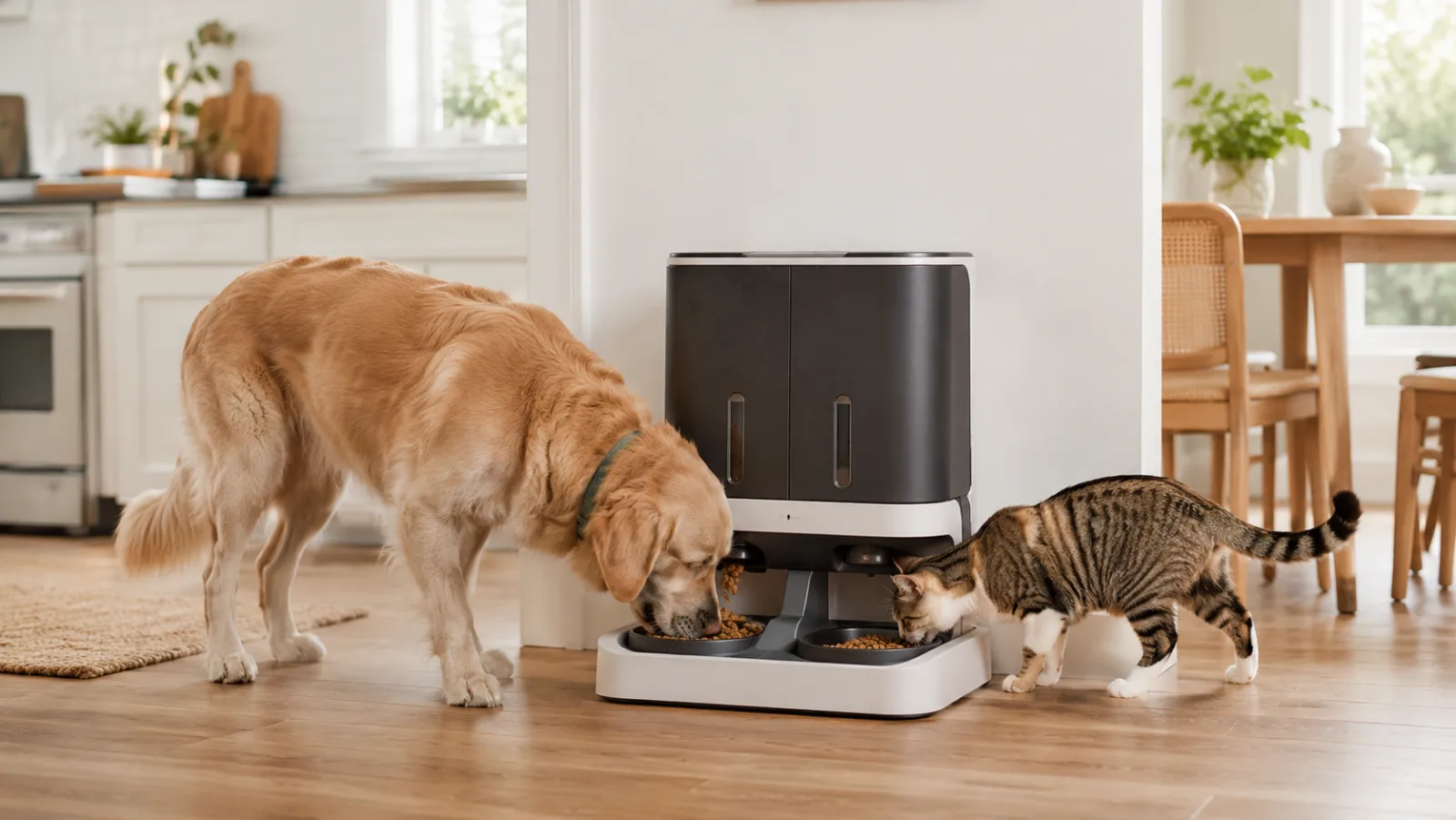
Best Automatic Pet Feeders for Busy Families (2026)
Cats & Dogs
Best Smart Pet Feeders for Multi-Pet Homes: Microchip, RFID, and Wet-Food Picks (2026)
Cats & Dogs
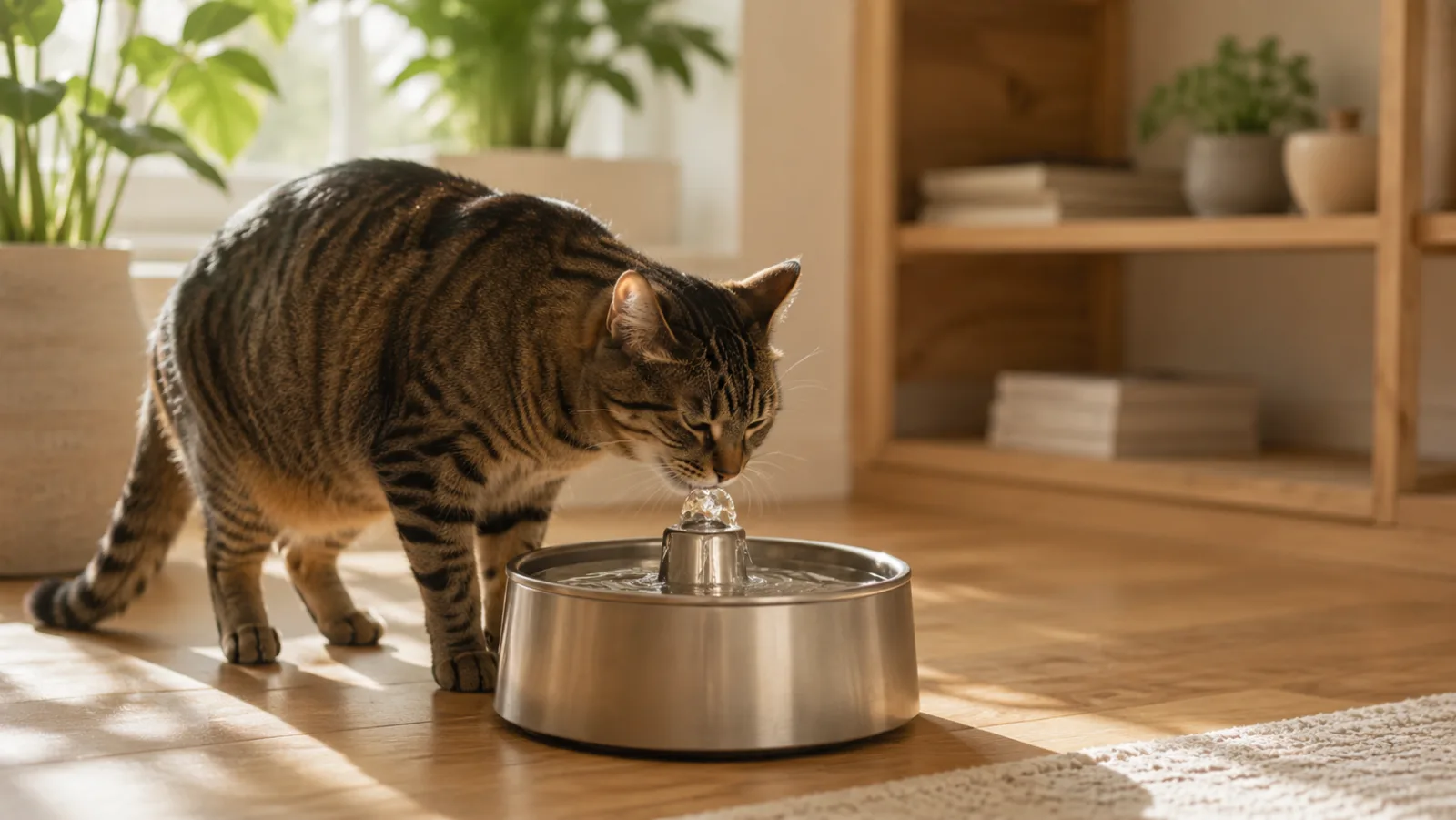
Best Cat Water Fountains for Hydration, Cleaning Ease, and Quiet Operation (2026)
Cats & Dogs
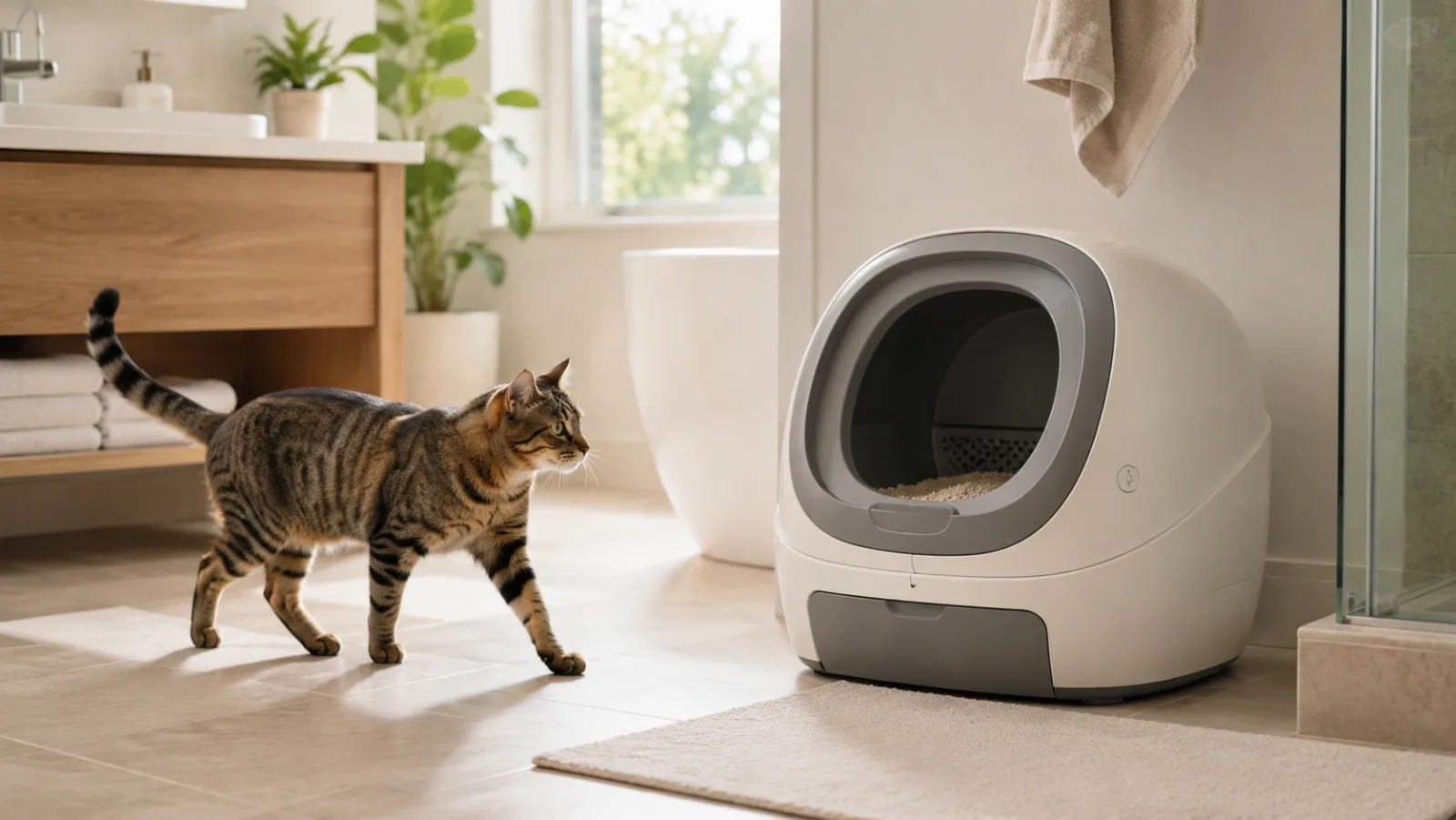
Best Self-Cleaning Litter Boxes With No Subscription (2026)
Cats & Dogs
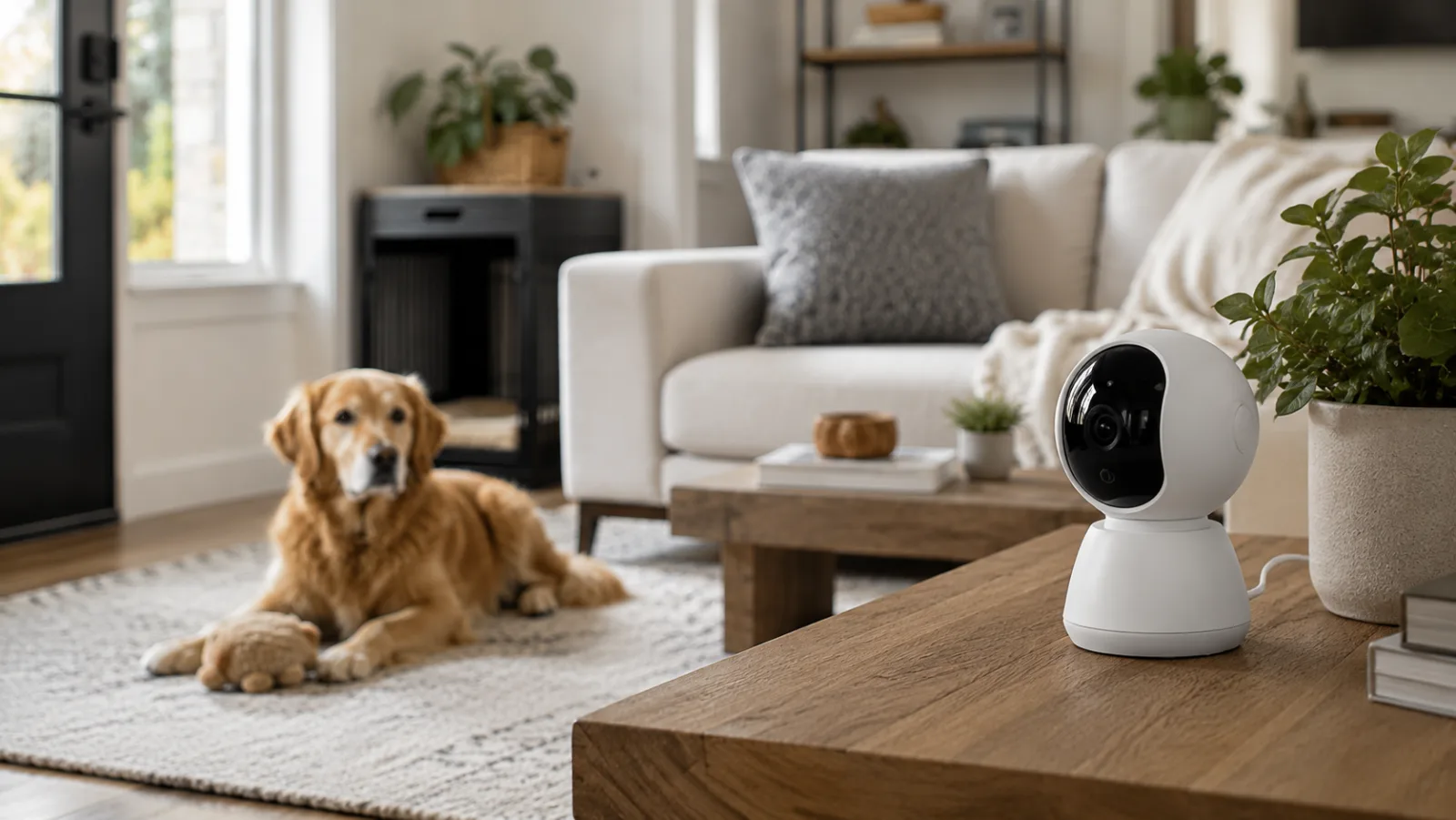
Best Pet Cameras for Dogs and Cats: Monitoring, Treat-Toss, and Subscription-Free Picks (2026)
Cats & Dogs
How to Stop Pets Stealing Each Other's Food (Microchip Feeders & Feeding Stations)
Cats & Dogs
Best Auto-Replenishing Pet Care Station: Litter, Feeding & Water (2026)
Cats & Dogs