Aquarium
Reef Tank Maintenance Schedule: Daily, Weekly, Monthly (2026)
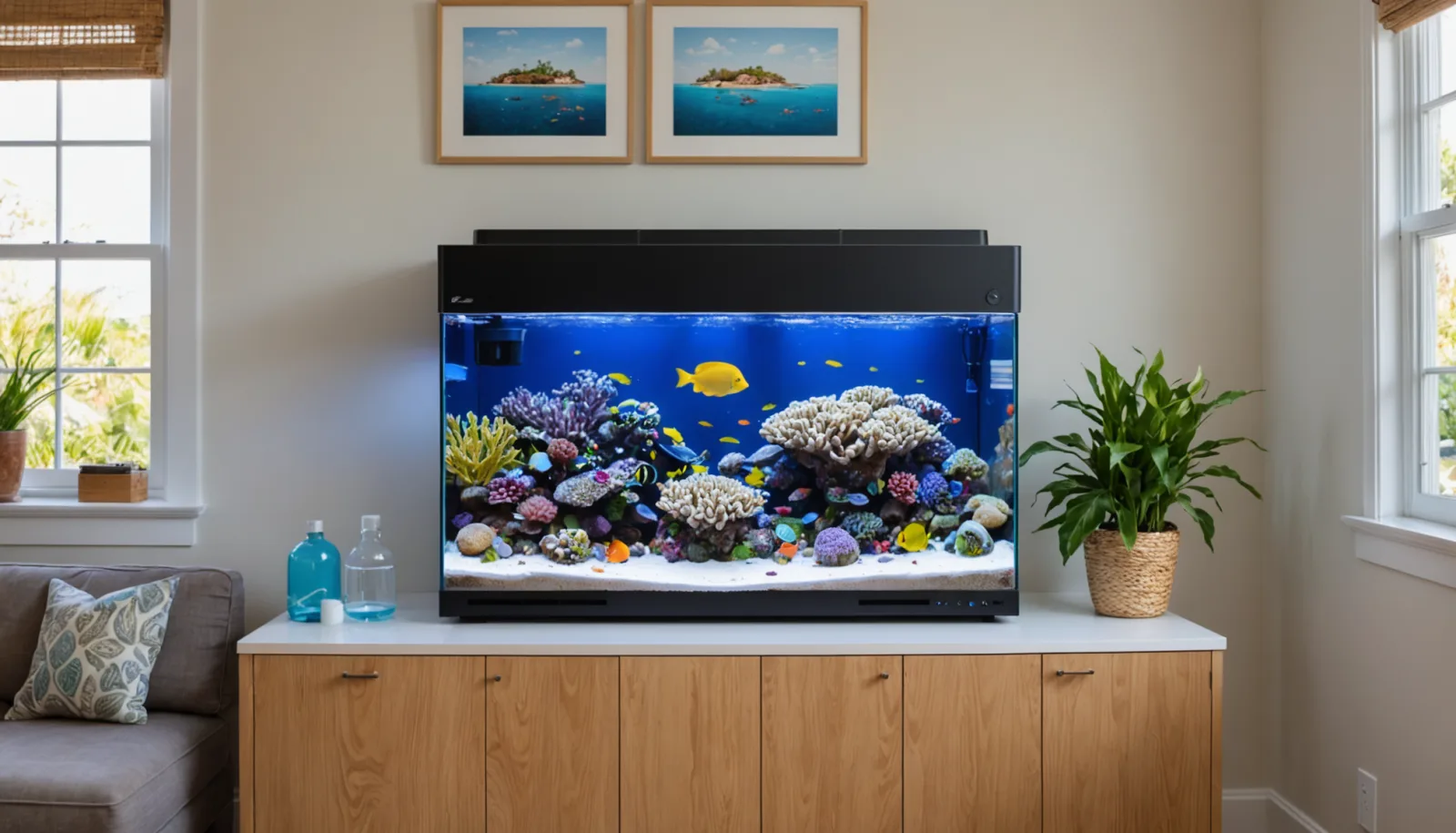
This is not a reef-tank build list — it is the upkeep rhythm that keeps an already-wet reef alive. The picks below are the maintenance bench in schedule order — an automatic top-off unit that runs every day, an RO/DI system and reef salt for the weekly water change, a test kit and two-part supplement for test-then-dose chemistry, a dosing pump to automate it, filter socks swapped every few days, a refractometer for salinity, a no-spill changer for water-change day, and a magnet scraper for monthly glass service — not ten products ranked against each other. The full bench costs under a thousand dollars and most reefers already own half of it; if the schedule itself is the thing you will not keep, read the caveats before buying, because a reef rewards a steady hand and punishes a neglected one.
By Nick Miles · Updated September 30, 2026 · 13 min read
PetPalHQ is reader-supported. We may earn a commission from qualifying Amazon purchases at no extra cost to you.
Evidence at a Glance
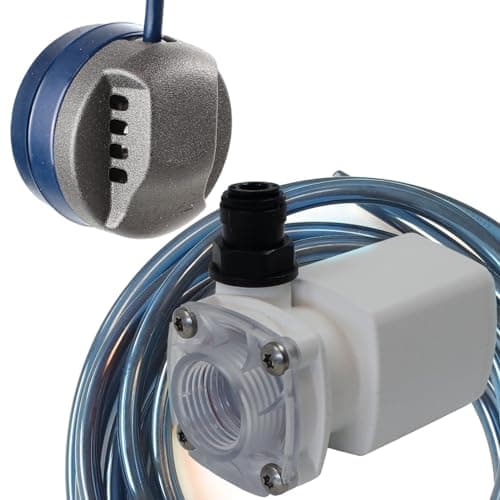
Tunze Osmolator 3 (3154) Automatic Top-Off System
The daily anchor — an automatic top-off system that holds a consistent salt concentration by replacing only the fresh water evaporation removes, per Tunze, with a setup that needs no configuration and built-in safety measures against overfilling, automating the single most frequent task on the whole schedule.
Sources: Tunze manufacturer documentation, Reef-keeping education consensus (Bulk Reef Supply's maintenance curriculum and the reef community), Published reef water-chemistry targets
Verified Jul 16, 2026
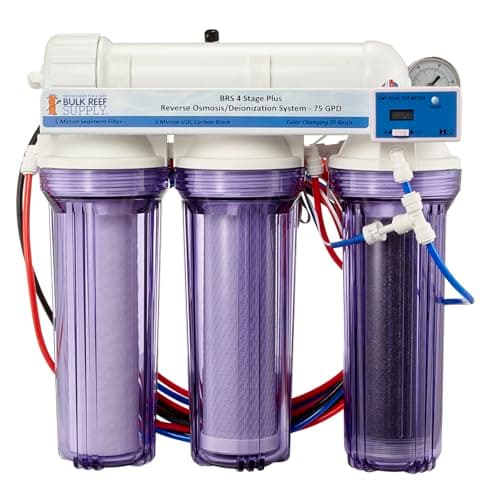
Bulk Reef Supply 4 Stage Value Plus 75 GPD RO/DI System
The water source — a four-stage 75 GPD RO/DI system that strips sediment, chlorine, VOCs, and dissolved solids to a DI-polished finish per Bulk Reef Supply, with a built-in TDS meter that reads zero when the water is pure, making every weekly water change and top-off start from clean water rather than tap.
Sources: Bulk Reef Supply manufacturer documentation, Published reef water-chemistry targets, Reef-keeping education consensus (Bulk Reef Supply's maintenance curriculum and the reef community)
Verified Jul 16, 2026
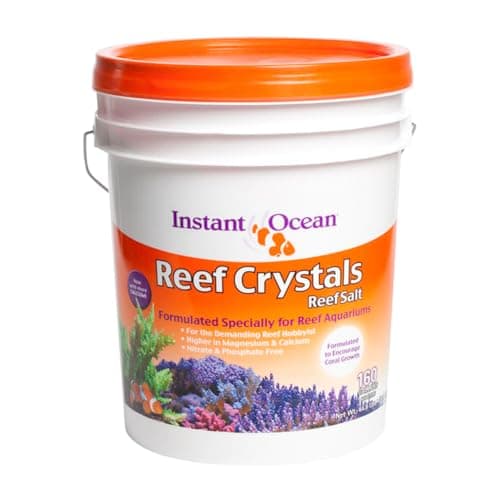
Instant Ocean Reef Crystals Reef Salt (160 gal)
The weekly consumable — a reef salt mix formulated for reef aquariums with elements in concentrations greater than natural sea water, extra calcium, and extra trace elements per Instant Ocean, mixed with RO/DI to replace what a reef consumes between changes and to hold a steady salinity.
Sources: Instant Ocean manufacturer documentation, Reef-keeping education consensus (Bulk Reef Supply's maintenance curriculum and the reef community), Published reef water-chemistry targets
Verified Jul 16, 2026
Our Picks
Tunze
Tunze Osmolator 3 (3154) Automatic Top-Off System
8.6 / 10
- Holds a consistent salt concentration by replacing evaporation per Tunze
- Easy setup that needs no configuration out of the box
- Space-saving integrated design for the sump area
- Incorporated safety measures against overfilling
$249.99
Current price · checked Sep 8, 2026
Bulk Reef Supply
Bulk Reef Supply 4 Stage Value Plus 75 GPD RO/DI System
8.5 / 10
- Four stages to a DI-polished finish per Bulk Reef Supply
- 75 GPD membrane rated up to 99% efficiency
- Built-in TDS meter reads pre-DI and post-membrane water
- Pressure gauge, auto-shutoff solenoid, and flush valve
$249.99
Current price · checked Sep 8, 2026
Instant Ocean
Instant Ocean Reef Crystals Reef Salt (160 gal)
8.4 / 10
- Formulated specifically for reef aquariums per Instant Ocean
- Elements in concentrations greater than natural sea water
- Extra calcium for stony coral and coralline growth
- Extra trace elements plus heavy-metal detoxifiers
$79.97
Current price · checked Sep 8, 2026

Red Sea
Red Sea Reef Foundation Pro Test Kit
8.3 / 10
- Titration tests for calcium, magnesium, and alkalinity per Red Sea
- High-accuracy method for balanced reef-foundation elements
- Enables accurate dosing rather than dosing blind
- Includes 75 calcium, 75 alkalinity, and 60 magnesium tests
$87.99
Current price · checked Sep 8, 2026
ESV
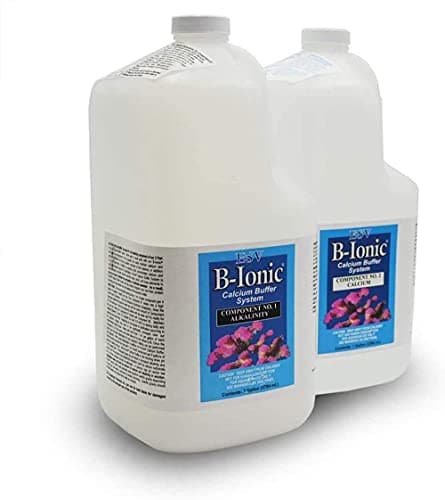
ESV B-Ionic Calcium Buffer System (2-Gallon)
8.2 / 10
- Two-component system maintaining calcium and alkalinity per ESV
- No powder mixing and no disruption of ionic balance
- Restores inorganic ions lost to protein skimming
- Dosed to replace measured consumption, not a fixed amount
$48.00
Current price · checked Sep 8, 2026
Kamoer
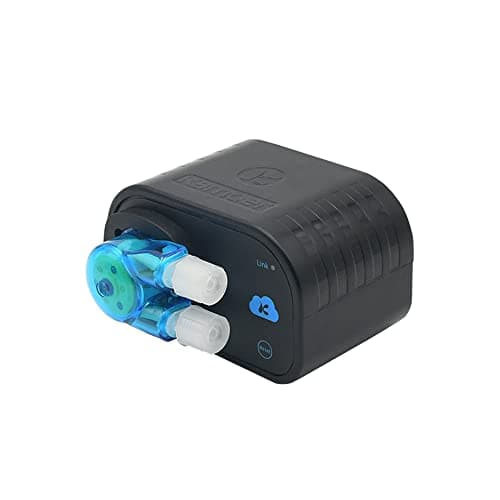
Kamoer X1 PRO-T Programmable WiFi Dosing Pump
8.1 / 10
- Single-head pump dosing 24 times a day to once per 99 days per Kamoer
- Minimum addition of 0.1 ml for fine control
- WiFi control over 2.4 GHz networks, with app scheduling
- Manual, continuous, and automatic modes with flow calibration
$135.45
Current price · checked Sep 8, 2026

Aquatic Experts
Aquatic Experts Felt Filter Socks (4" Ring, 200 Micron, 2-pack)
8.0 / 10
- Molded 4-inch ring fits standard sump cups per Aquatic Experts
- Dense polyester felt captures detritus at 200 microns
- Traps uneaten food, waste, and fine particles
- Cleanable and reusable multiple times
$17.99
Current price · checked Sep 8, 2026
Agriculture Solutions
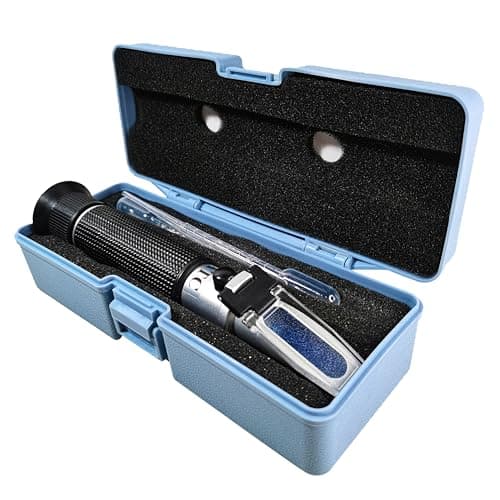
Agriculture Solutions Salinity Refractometer
7.9 / 10
- Reads specific gravity and parts per thousand per Agriculture Solutions
- Automatic temperature compensation for a steady reading
- 0 to 100 PPT range covers reef and brackish water
- Ships with hard case, dropper, and calibration screwdriver
$17.99
Current price · checked Sep 8, 2026
Python
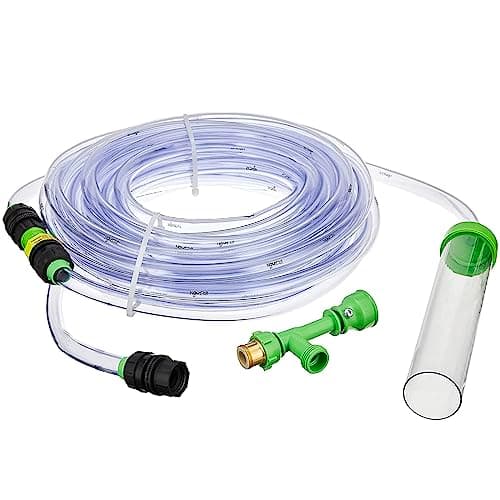
Python No Spill Clean and Fill (50 ft)
7.8 / 10
- Drains and fills directly without buckets per Python
- 50-foot length reaches most tank-to-sink layouts
- Does not disturb fish or decor during maintenance
- Adapts easily to most faucets
$84.99
Current price · checked Sep 8, 2026
Aqueon
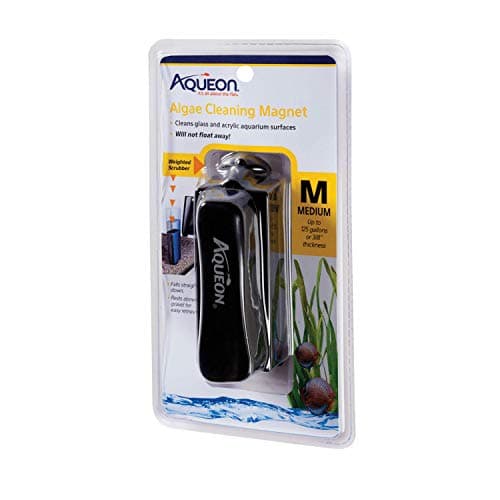
Aqueon Magnetic Algae Scraper (Medium)
7.7 / 10
- Cleans the inside glass from the outside per Aqueon
- Curved pad works on flat and curved surfaces
- Rated for glass or acrylic tanks
- Falls straight down for easy retrieval if separated
$14.95
Current price · checked Sep 8, 2026
The Short Answer
Run a reef tank on a schedule, not on rescue missions. Every day, an automatic top-off unit like the Tunze Osmolator 3 replaces evaporated water with fresh RO/DI. That holds salinity steady. Every week, mix new salt water with a Bulk Reef Supply RO/DI system and Instant Ocean Reef Crystals for a 10-to-15 percent water change. Then test alkalinity, calcium, and magnesium with the Red Sea Reef Foundation Pro kit. Dose only what the tests show is missing. Add the ESV B-Ionic two-part by hand, or run it through a Kamoer dosing pump. Swap Aquatic Experts filter socks every few days. Confirm salinity with a refractometer. Use a Python No Spill to drain and refill on water-change day. Once a month, scrape the glass with an Aqueon magnet and soak pumps to clear deposits. The core truth never changes. Consistency on a fixed rhythm keeps a healthy reef healthy far more than any single product does.
Every product on this list has been scored against the PetPal Gear Score, a weighted composite of expert consensus, observed effectiveness, animal safety, long-term durability, and value. Review method: Editorial synthesis of reef-tank maintenance guidance — reef-keeping education consensus (Bulk Reef Supply's maintenance curriculum and the reef community), published reef water-chemistry targets, and saltwater-aquarium husbandry consensus. Manufacturer documentation from Tunze, Bulk Reef Supply, Instant Ocean, Red Sea, ESV, Kamoer, Aquatic Experts, Python, and Aqueon was reviewed. Community consensus from reef-keeping forums was included as consensus, not quotation. No first-hand product testing — PetPalHQ does not run a testing lab.. Synthesized from 6+ expert sources.
A reef tank, in this guide's editorial judgment, is kept alive by rhythm rather than by rescue. The tanks that fail are rarely the ones missing a piece of equipment; they are the ones where the small, dull, repeated tasks slipped — a top-off skipped, a test not run, a water change put off until a big corrective one was needed. The single governing truth of reef upkeep is that a steady hand on a fixed schedule keeps a healthy tank healthy, and no product on this page substitutes for that consistency. This is not a build list for a new tank. It is the daily, weekly, and monthly routine that keeps an already-established reef stable, and the gear below exists to make each recurring task easy enough that it actually gets done.
The rhythm starts every day and grows outward. Daily, evaporation is replaced with fresh purified water so salinity never climbs. Weekly, new salt water is mixed from pure water and reef salt for a small partial change, and the three foundation elements — calcium, alkalinity, and magnesium — are measured so the tank can be dosed back to balance. The order there is not optional: the reef is tested first and dosed second, always, because a supplement added blind is as likely to harm a stable tank as help it.
Between those anchors sit the smaller jobs that keep the water clear. A filter sock in the sump strains detritus and is swapped every few days before its catch decays. A refractometer confirms salinity on the same weekly beat, checking both the tank and each freshly mixed batch. On water-change day a no-spill changer drains the old water and moves the new, and once a month the glass is scraped and the pumps are soaked clear of the deposits that slowly throttle a reef's flow. Each task is minor on its own; together, on schedule, they are the whole of reef maintenance.
One principle sits above the whole routine and never bends. Stability beats perfection — a reef held steadily at good-enough numbers outlasts one chased toward ideal ones, and the same day, the same rhythm, matters more than any single reading. The automation on this page, from the top-off unit to the dosing pump, exists to protect that stability by removing the tasks a person forgets, not to replace the judgment behind them. A reef rewards the keeper who tests before dosing, changes water on time, and services the tank on a calendar — and where a claim below rests on a maker's documentation or on reef-keeping consensus, that source is named rather than asserted, because PetPalHQ does not run a testing lab.
Head-to-Head Comparison
| Feature | Tunze Osmolator 3 (3154) Automatic Top-Off System | Bulk Reef Supply 4 Stage Value Plus 75 GPD RO/DI System | Instant Ocean Reef Crystals Reef Salt (160 gal) | Red Sea Reef Foundation Pro Test Kit | ESV B-Ionic Calcium Buffer System (2-Gallon) | Kamoer X1 PRO-T Programmable WiFi Dosing Pump | Aquatic Experts Felt Filter Socks (4" Ring, 200 Micron, 2-pack) | Agriculture Solutions Salinity Refractometer | Python No Spill Clean and Fill (50 ft) | Aqueon Magnetic Algae Scraper (Medium) |
|---|---|---|---|---|---|---|---|---|---|---|
| Stage in the schedule | Daily top-off | Weekly water | Weekly water | Weekly chemistry | Test then dose | Test then dose | Every 3–7 days | Weekly check | Water-change day | Monthly service |
| How often it runs | Continuously | Batch weekly | Mixed per batch | Weekly minimum | As tests show | Small daily doses | Swapped every few days | Weekly | Weekly to biweekly | Monthly |
| What it does | Replaces evaporation | Makes pure water | Mixes reef salt | Reads Ca, Alk, Mg | Restores Ca and Alk | Automates the dose | Traps detritus | Verifies salinity | Drains and refills | Clears glass film |
| PetPal Reef-Upkeep Score | 8.6 | 8.5 | 8.4 | 8.3 | 8.2 | 8.1 | 8.0 | 7.9 | 7.8 | 7.7 |
| Check price | Amazon | Amazon | Amazon | Amazon | Amazon | Amazon | Amazon | Amazon | Amazon | Amazon |
$249.99
Current price · checked Sep 8, 2026
- Holds a consistent salt concentration by replacing evaporation per Tunze
- Easy setup that needs no configuration out of the box
- Space-saving integrated design for the sump area
- Incorporated safety measures against overfilling
- Tops off with fresh RO/DI, never salt water
Evaporation is the one maintenance task a reef tank hands its keeper every single day. The Tunze Osmolator 3 is what takes it off the to-do list. Tunze documents an automatic top-off system that holds a consistent aquarium salt concentration by replacing evaporated water. It has a setup that needs no configuration, a space-saving integrated design, and incorporated safety measures against overfilling. Left to a person, topping off is a daily chore that gets skipped on busy days. Handed to an automatic unit, it becomes invisible and, more importantly, precise.
Where it fits the schedule: this is the daily layer, and it runs on its own between every other task on the list. The physics are the reason it earns the first slot. When water evaporates from a reef, only the fresh water leaves and the salt stays behind. So salinity creeps upward a little every day until fresh RO/DI is added back. An automatic top-off replaces that loss continuously with fresh water. That keeps salinity flat instead of sawtoothing between manual refills. It is also the piece that makes a short trip away from the tank possible, because the most frequent task is the one already covered. For the full field of top-off units and float-versus-optical sensor trade-offs, see our roundup of the best automatic top-off systems.
The honest caveats start with sensors. An automatic top-off is only as safe as its reservoir and its sensor. A dry reservoir tops off nothing. A stuck sensor is the classic way a tank gets flooded or a pump runs dry. So the reservoir is refilled on its own small rhythm and the sensor is wiped clean of salt creep. And it tops off with fresh water only. It does not change water, dose, or test. It is one automated layer under a schedule, not the schedule itself. As the daily anchor, it removes the single most repetitive job and holds salinity steadier than a human hand ever will.
What We Love
- Automates the most frequent daily task on the schedule
- Holds salinity flat instead of drifting between manual top-offs
- Configuration-free setup with built-in overfill safety
- Covers the daily job during a short trip away
What Could Be Better
- A dry reservoir or a salt-crept sensor defeats the automation
- Tops off fresh water only — it does not change, dose, or test
The Verdict
Automate the daily top-off first, because it is the task the schedule demands most often and the one a person skips soonest. It holds salinity steady and buys a little freedom from the tank — just keep the reservoir filled and the sensor clean.
Sources
- Tunze (Amazon product listing, Osmolator 3 3154): an automatic top-off system that holds a consistent aquarium salt concentration by replacing evaporated water, with an easy setup that needs no configuration, a space-saving integrated design, and incorporated safety measures against overfilling
- Reef-keeping education consensus (Bulk Reef Supply's maintenance curriculum and the reef community): evaporation removes only fresh water and leaves salt behind, so salinity climbs unless fresh RO/DI top-off water replaces the loss, which makes an automatic top-off the way to automate the single most frequent maintenance task
$249.99
Current price · checked Sep 8, 2026
- Four stages to a DI-polished finish per Bulk Reef Supply
- 75 GPD membrane rated up to 99% efficiency
- Built-in TDS meter reads pre-DI and post-membrane water
- Pressure gauge, auto-shutoff solenoid, and flush valve
- Standard garden-hose connection with sink adapter
Every drop of water that enters a reef starts as purified water, whether it tops off evaporation or mixes into a water change. The Bulk Reef Supply 4 Stage RO/DI System is what makes it on demand. Bulk Reef Supply documents a 75 GPD membrane running up to 99 percent efficiency. It works through sediment removal, chlorine and VOC reduction, RO filtration, and a final DI resin polish. It has a built-in TDS meter, a pressure gauge, an auto-shutoff solenoid and flush valve, and a standard garden-hose connection. That TDS meter is the quiet star of the unit, because it turns "is my water pure" from a guess into a number.
Where it fits the schedule: this is the source of both weekly water and daily top-off, so it feeds two other stages rather than standing alone. Tap water carries silicates and phosphates that feed nuisance algae in a reef. That is exactly why reef water is made rather than poured from the faucet. The four stages strip those contaminants and the DI resin removes what the membrane leaves behind. The maintenance signal is built in. When the post-DI TDS reads anything above zero, the resin is spent and it is time to swap it. Comparing membrane grades, waste ratios, and resin capacities across systems is worth doing before a purchase, and our roundup of the best RO/DI aquarium water systems lays those trade-offs out.
The honest caveats are about waste, pressure, and consumables. An RO/DI system produces several units of wastewater for every unit of pure water, so it is plumbed with that drain line in mind. Membrane output also falls with low household water pressure and cold temperatures. So a slow trickle is often a pressure problem rather than a broken unit. And the filters and resin are consumables on their own replacement clock. The pressure gauge tracks the sediment stage and the TDS meter tracks the resin. As the water source, it is the foundation the weekly change and the daily top-off both draw from, and a reef is only as clean as the water it is fed.
What We Love
- Makes pure, algae-starving water on demand for the whole tank
- Built-in TDS meter turns water purity into a readable number
- Auto-shutoff and flush valve protect the membrane
- Feeds both the weekly change and the daily top-off
What Could Be Better
- Produces several units of wastewater per unit of pure water
- Output drops with low household pressure or cold water
- Filters and DI resin are recurring consumables
The Verdict
Make reef water rather than pouring it, because tap water's silicates and phosphates are the algae you will otherwise fight all year. This four-stage unit polishes water to a DI finish and tells you when the resin is spent with its own TDS meter — plan for the wastewater line and the consumable filters.
Sources
- Bulk Reef Supply (Amazon product listing, 4 Stage Value Plus 75 GPD RO/DI): a 75 GPD membrane delivering up to 99% efficiency through four stages — sediment removal, chlorine and VOC reduction, RO filtration, and final DI resin polishing — with a built-in TDS meter reading pre-DI and post-membrane water, a pressure gauge, an auto-shutoff solenoid and flush valve, and a standard garden-hose connection
- Published reef water-chemistry targets: reef water must be free of the silicates, phosphates, and dissolved solids that tap water carries, and the DI resin that removes the last of them is exhausted once the built-in TDS meter reads above zero, which is the signal to replace it
$79.97
Current price · checked Sep 8, 2026
- Formulated specifically for reef aquariums per Instant Ocean
- Elements in concentrations greater than natural sea water
- Extra calcium for stony coral and coralline growth
- Extra trace elements plus heavy-metal detoxifiers
- One box mixes 160 gallons of salt water
A weekly water change is only as good as the salt it is mixed from. Reef Crystals is the consumable that makes each batch. Instant Ocean documents a salt formulated specifically for reef aquariums. It carries essential ocean reef elements in concentrations greater than natural sea water, with extra calcium to encourage stony coral and coralline growth, extra trace elements, and agents that detoxify traces of heavy metals. One box mixes 160 gallons. Where the RO/DI system supplies pure water, the salt supplies everything a reef needs added back. That is why the two are bought and stored together.
Where it fits the schedule: this is the other half of weekly water, and it works only alongside the RO/DI source rather than on its own. A modest partial water change each week is the consensus rhythm for a reef. It is small enough not to shock the tank, yet frequent enough to keep trace elements topped up and dissolved waste diluted. The salt is mixed with RO/DI, aerated, brought to temperature, and matched to the tank's salinity before it ever goes in. So the change stabilizes the water rather than jolting it. The extra calcium and trace elements are aimed squarely at the stony corals and coralline algae that a reef, unlike a fish-only tank, is trying to grow.
The honest caveats are about mixing discipline and consistency. Salt is dissolved fully and given time to mix and stabilize before use. Cloudy, freshly mixed water dumped straight into a tank can swing chemistry. So a mixing container and a small pump earn their keep. Reef Crystals is also a consumable that gets repurchased on the same clock as the water changes it feeds. A box is a recurring line item rather than a one-time buy. Confirm current price and availability before buying, since salt pricing moves with shipping weight. As the weekly consumable, it is what replaces what the reef spends, one measured change at a time.
What We Love
- Adds calcium and trace elements a growing reef consumes
- Concentrations tuned above natural sea water for reef demand
- Neutralizes heavy metals that RO/DI water may still carry
- A large 160-gallon box lowers the cost per change
What Could Be Better
- Must be fully dissolved and stabilized before use
- A recurring consumable tied to the water-change rhythm
- Freshly mixed water can swing chemistry if used too soon
The Verdict
Mix reef salt with RO/DI for the weekly change, and give each batch time to dissolve, aerate, and match the tank's salinity before it goes in. Reef Crystals adds back the calcium and trace elements a reef spends, and a big box keeps the per-change cost down — just treat it as the recurring consumable it is.
Sources
- Instant Ocean (Amazon product listing, Reef Crystals Reef Salt): a salt formulated specifically for reef aquariums, containing essential ocean reef elements in concentrations greater than natural sea water, with extra calcium to encourage stony coral and coralline algae growth, extra trace elements, and agents that neutralize traces of heavy metals; one box mixes 160 gallons
- Reef-keeping education consensus (Bulk Reef Supply's maintenance curriculum and the reef community): a weekly partial water change of roughly 10 to 15 percent with RO/DI-mixed salt water is the consensus baseline for reef tanks, replenishing trace elements and diluting waste at the same time
$87.99
Current price · checked Sep 8, 2026
- Titration tests for calcium, magnesium, and alkalinity per Red Sea
- High-accuracy method for balanced reef-foundation elements
- Enables accurate dosing rather than dosing blind
- Includes 75 calcium, 75 alkalinity, and 60 magnesium tests
- Alkalinity — the fastest-moving element — tested most often
The Red Sea Reef Foundation Pro Test Kit turns the week's guesswork into three readings. Those readings are what the entire dosing routine depends on. Red Sea documents a high-accuracy titration kit measuring calcium, magnesium, and alkalinity. These are the elements that must stay in balanced proportions for coral health and growth. It carries enough reagent for 75 calcium tests, 75 alkalinity tests, and 60 magnesium tests, sized so alkalinity can be checked most often. Titration is slower than a color-match strip. But it produces the numeric precision that dosing a reef actually requires.
Where it fits the schedule: this is the measurement half of test-then-dose, and it comes before any supplement goes into the tank. The three foundation elements sit in commonly published ranges near 8 to 9 dKH alkalinity, 400 to 450 ppm calcium, and 1250 to 1350 ppm magnesium. Corals draw them down as they grow, and alkalinity moves fastest. That is why it is the one tested weekly at a minimum and twice weekly by many reefers. Testing first is the discipline that separates a stable reef from a crashed one, because it reveals how much each element has actually been consumed. To compare titration kits against digital monitors and continuous controllers, our roundup of the best reef test kits and monitors covers the range.
The honest caveats are about method and freshness. Titration takes attention. A drop counted wrong or an endpoint color read hastily throws the result. So the test is run in good light with a steady hand. Reagents also degrade with age and heat. A kit that has sat warm for a couple of years reads less reliably than a fresh one. As the measurement stage, it is the instrument the whole dosing routine reads from. Dose without it and the reef is flying blind.
What We Love
- Titration accuracy fit for real reef dosing decisions
- Covers all three foundation elements in one kit
- Ample test counts, weighted toward fast-moving alkalinity
- The measurement that makes every dose deliberate
What Could Be Better
- Titration is slower and needs careful, well-lit technique
- Reagents degrade with age and heat and must stay fresh
The Verdict
Test before you dose, always, because a reef's calcium, alkalinity, and magnesium only mean something as measured numbers. This titration kit is accurate enough to dose from and carries the most reagent for the alkalinity you will check most — just run it carefully and keep the reagents fresh.
Sources
- Red Sea (Amazon product listing, Reef Foundation Pro Test Kit): a high-accuracy titration kit for the measurement of calcium, magnesium, and alkalinity — elements that must be available in balanced proportions for sustainable coral health and growth — enabling accurate dosing of reef foundation supplements, and including 75 calcium tests, 75 alkalinity tests, and 60 magnesium tests
- Published reef water-chemistry targets: commonly published reef ranges sit near 8 to 9 dKH alkalinity, 400 to 450 ppm calcium, and 1250 to 1350 ppm magnesium, with alkalinity moving fastest of the three and therefore tested most often — weekly at minimum, twice weekly for many reefers
$48.00
Current price · checked Sep 8, 2026
- Two-component system maintaining calcium and alkalinity per ESV
- No powder mixing and no disruption of ionic balance
- Restores inorganic ions lost to protein skimming
- Dosed to replace measured consumption, not a fixed amount
- Balanced two parts kept in equal step with each other
Once the test kit shows alkalinity or calcium has slipped, something has to put it back. ESV B-Ionic is the two-part liquid that does it. ESV documents a two-component supplement that maintains calcium and alkalinity with no mixing of powders, no disruption of ionic balance, and no organic additives. It also helps restore inorganic ions lost to protein skimming. ESV calls it the best alternative to a calcium reactor. The two parts are dosed in equal measure so the ionic balance the reef depends on never tips one way or the other.
Where it fits the schedule: this is the dose in test-then-dose, and it is only ever added in the amount the test kit called for. A reef consumes calcium and alkalinity continuously as corals build skeleton. A two-part supplement replaces exactly that, in the same proportion it was used. The rule that governs it is simple: measure first, then dose to the measurement. Never pour in a standard amount on a calendar alone. A tank with low coral demand needs far less than a stony-dominant one, and overdosing alkalinity is one of the faster ways to stress corals. Kept in step with weekly testing, the two parts hold the foundation elements flat between water changes.
The honest caveats are about balance and precision. The two components have to stay in step. Dosing one without the other pushes the ratio out and undoes the point of a balanced system. So they are added together and tracked together. Doses are small and demand-driven, so a graduated syringe or a pump does the measuring better than an eyeballed cap. As the dosing stage, it is the hand that steadies the numbers the test kit reads. It is powerful in balance and risky when guessed.
What We Love
- Replaces consumed calcium and alkalinity in balanced parts
- No powder mixing and no ionic-balance disruption
- Restores ions that protein skimming strips out
- Scales to the tank's real demand, from soft to stony
What Could Be Better
- The two parts must be dosed together or the ratio drifts
- Overdosing alkalinity can stress corals quickly
The Verdict
Dose two-part only to the number the test kit gives you, and always add both components in step. B-Ionic replaces the calcium and alkalinity a growing reef consumes without powders or ionic disruption — just measure the dose precisely, because blind or unbalanced dosing does more harm than good.
Sources
- ESV (Amazon product listing, B-Ionic Calcium Buffer System): a two-component liquid supplement system that maintains calcium and alkalinity levels with no mixing of powders, no disruption of ionic balance, and no addition of organic chemicals, and helps restore inorganic ions lost to protein skimming — what ESV calls the best alternative to a calcium reactor
- Reef-keeping education consensus (Bulk Reef Supply's maintenance curriculum and the reef community): test-then-dose discipline means measuring alkalinity and calcium first and dosing only to replace measured consumption, keeping the two components balanced rather than dosing blind on a schedule alone
$135.45
Current price · checked Sep 8, 2026
- Single-head pump dosing 24 times a day to once per 99 days per Kamoer
- Minimum addition of 0.1 ml for fine control
- WiFi control over 2.4 GHz networks, with app scheduling
- Manual, continuous, and automatic modes with flow calibration
- Power-off memory holds the schedule through outages
Hand-dosing works until it doesn't. The Kamoer X1 PRO-T is where a reef's dosing moves from a daily chore to a background routine. Kamoer documents a single-head programmable pump with a flow rate over 70 ml/min and a minimum addition of 0.1 ml. It doses anywhere from 24 times a day to once every 99 days, with WiFi control on 2.4 GHz networks. It offers manual, continuous, and automatic modes with flow calibration, plus a power-off memory function. Splitting a day's dose into many tiny automated additions is the whole point, because a reef holds steadier on a steady drip than on one big daily pour.
Where it fits the schedule: this is the automation layer over test-then-dose. It does not replace testing. It executes the dose the testing defines. As a reef's coral demand grows, the daily requirement for calcium and alkalinity climbs. Delivering it in small, frequent, scheduled amounts keeps the numbers flat instead of spiking after each manual dose. The pump is calibrated so its output is known, then set to deliver the measured daily demand. The weekly test confirms the setting is still right. When a single head is not enough for a mixed dosing plan, our roundup of the best reef dosing pumps covers multi-head units and controllers. Confirm current price and availability before buying, since dosing hardware pricing shifts often.
The honest caveats are about calibration, connectivity, and dependence. A dosing pump is only as accurate as its calibration. Tubing stretches and pump heads wear, so output is re-checked periodically rather than trusted forever. The WiFi runs on 2.4 GHz only, not 5 GHz, which trips up keepers on a modern router until the band is sorted. And automating a dose makes a wrong setting run unattended. So the weekly test is the safety check that keeps a miscalibrated pump from quietly overdosing the tank. As the automation stage, it wins on consistency once demand is real. But it executes your judgment, it does not supply it.
What We Love
- Delivers many small doses for steadier chemistry than by hand
- Fine 0.1 ml minimum and wide scheduling range
- App control and power-off memory for reliable dosing
- Frees the daily dose from manual attention
What Could Be Better
- WiFi is 2.4 GHz only, not 5 GHz
- Calibration drifts as tubing and heads wear
- Runs a wrong setting unattended if testing lapses
The Verdict
Automate dosing once a reef's demand is high enough that hand-dosing gets inconsistent, and let the pump deliver the daily amount in small, frequent doses. The X1 PRO-T holds calcium and alkalinity steadier than a manual pour — recalibrate it periodically and keep testing, because it runs your setting whether the setting is right or not.
Sources
- Kamoer (Amazon product listing, X1 PRO-T Dosing Pump): a single-head programmable dosing pump with a flow rate over 70 ml/min, a minimum addition of 0.1 ml, dosing from 24 times a day down to once every 99 days, WiFi control over 2.4 GHz networks only, manual, continuous, and automatic modes with flow calibration, and a power-off memory function
- Reef-keeping education consensus (Bulk Reef Supply's maintenance curriculum and the reef community): splitting a daily dose into many small automated additions holds calcium and alkalinity steadier than one large manual dose, which is why a dosing pump wins on consistency once a reef's demand is high enough to matter
$17.99
Current price · checked Sep 8, 2026
- Molded 4-inch ring fits standard sump cups per Aquatic Experts
- Dense polyester felt captures detritus at 200 microns
- Traps uneaten food, waste, and fine particles
- Cleanable and reusable multiple times
- Sold as a 2-pack so one is always ready to swap in
Detritus is the quiet enemy of reef water quality. A filter sock is the cheapest mechanical defense against it. Aquatic Experts documents felt socks with a smooth molded 4-inch ring that fits standard sump filter cups. The dense polyester felt captures uneaten food, waste, and detritus at 200 microns. Each sock measures 4 by 14 inches and is reusable after cleaning, sold two to a pack. A sock does one job. It strains the water flowing into the sump. Doing it on a tight rhythm is what keeps fine waste from dissolving back into the tank.
Where it fits the schedule: this is the every-few-days task, and it lives in the sump alongside the skimmer and return pump. The 200-micron felt catches particles fine enough to clear the water visibly. But the catch is a countdown. Trapped detritus starts breaking down within days, releasing the nitrate and phosphate it was meant to remove. So the sock is swapped or cleaned every 3 to 7 days rather than left to load up. The two-pack is deliberate: one sock is in service while its partner is washed and dried, so the swap is never blocked on laundry. Because socks live in the sump, our roundup of the best reef aquarium sumps and refugiums is the place to see where they fit the whole filtration picture.
The honest caveats are about fit, upkeep, and the trade-off itself. The molded ring fits standard cups but is not compatible with Red Sea filter trays, so the sump's holder is worth checking before buying. Socks also demand the discipline they reward. A neglected sock is worse than no sock, because a clogged, decomposing one actively feeds the water it was filtering. And felt socks trap detritus but do not replace the skimmer or the water change. They are mechanical pre-filtration, not the whole system. As the every-few-days job, they keep the water polished between water changes, as long as the swap actually happens on time.
What We Love
- Cheap mechanical polishing that clears fine detritus fast
- Reusable felt keeps the running cost low
- Two-pack keeps a clean sock always ready to swap
- Fits standard sump cups without extra hardware
What Could Be Better
- Not compatible with Red Sea filter trays
- A neglected sock decomposes and re-pollutes the water
- Mechanical pre-filter only — not a skimmer or a water change
The Verdict
Run filter socks in the sump and swap them every few days, because their whole value depends on the swap happening before the catch breaks down. The reusable felt polishes water cheaply and the two-pack keeps a clean one ready — just confirm they fit your sump's cup, not a Red Sea tray.
Sources
- Aquatic Experts (Amazon product listing, Felt Filter Socks 200 Micron): felt filter socks with a smooth molded 4-inch plastic ring that fits standard sump filter cups and holders — but is not compatible with Red Sea filter trays — using dense polyester felt to capture fine particles such as uneaten food, fish waste, and detritus at 200 microns, measuring 4 by 14 inches and cleanable and reusable multiple times; 2-pack
- Reef-keeping education consensus (Bulk Reef Supply's maintenance curriculum and the reef community): a filter sock traps detritus mechanically but must be swapped or cleaned every 3 to 7 days before the trapped waste breaks down and re-pollutes the water it was meant to clean
$17.99
Current price · checked Sep 8, 2026
- Reads specific gravity and parts per thousand per Agriculture Solutions
- Automatic temperature compensation for a steady reading
- 0 to 100 PPT range covers reef and brackish water
- Ships with hard case, dropper, and calibration screwdriver
- Verifies both tank water and freshly mixed salt water
Salinity is the one number a reef cannot drift on. A refractometer is the small tool that keeps it honest. Agriculture Solutions documents a refractometer reading two scales: specific gravity (D 20/20) and parts per thousand from 0 to 100. It has automatic temperature compensation and a kit that includes a hard case, dropper, calibration screwdriver, and cleaning cloth. Unlike a swing-arm hydrometer, a refractometer reads a single drop against a light source. That makes it precise enough to trust week to week.
Where it fits the schedule: this is the weekly verification that ties the daily top-off and the weekly change together. Reef salinity is held near 35 ppt, a specific gravity of about 1.025 to 1.026. The goal is steadiness rather than a perfect number. A reef tolerates a stable reading far better than a wandering one. The refractometer checks two things on the same rhythm. First, the tank itself, to catch slow drift. Second, each freshly mixed batch of salt water, so a water change lands on the same salinity the tank already holds instead of jolting it. That double duty is why it earns a permanent spot on the maintenance shelf.
The honest caveats are about calibration and technique. A refractometer is only accurate if it is calibrated, and it is calibrated against RO/DI water reading zero. An uncalibrated unit reads confidently wrong, which is worse than not reading at all. Temperature and a dry, clean prism matter too. So the sample is given a moment to settle and the glass is wiped between reads. And it measures salinity only. It says nothing about alkalinity, calcium, or magnesium, which is the test kit's job. As the weekly check, it is cheap insurance that the single most important stability number is actually where the keeper thinks it is.
What We Love
- Precise single-drop reading of salinity week to week
- Automatic temperature compensation for reliability
- Checks both tank water and freshly mixed batches
- Inexpensive for a permanent shelf tool
What Could Be Better
- Reads wrong unless calibrated against RO/DI zero
- Technique and a clean prism affect the reading
- Measures salinity only, not the foundation elements
The Verdict
Verify salinity weekly and calibrate the refractometer against RO/DI zero before trusting it, because an uncalibrated one reads confidently wrong. It checks both the tank and each new salt batch so a water change never jolts the salinity — just remember it measures salinity alone, and the test kit still handles the chemistry.
Sources
- Agriculture Solutions (Amazon product listing, Salinity Refractometer): a salinity refractometer measuring on two scales — specific gravity (D 20/20) and parts per thousand from 0 to 100 — with automatic temperature compensation, supplied with a hard case, a dropper, a calibration screwdriver, a user manual, and a cleaning cloth
- Published reef water-chemistry targets: reef salinity is held near 35 ppt, or a specific gravity of 1.025 to 1.026, and kept steady rather than chased, because stability matters more than hitting a perfect number and a refractometer calibrated against RO/DI zero is how that reading is verified
$84.99
Current price · checked Sep 8, 2026
- Drains and fills directly without buckets per Python
- 50-foot length reaches most tank-to-sink layouts
- Does not disturb fish or decor during maintenance
- Adapts easily to most faucets
- Drains reef water to the sink cleanly and quickly
Water-change day is the anchor of the whole schedule. The Python No Spill is the tool that makes the drain half of it painless. Python documents a 50-foot clean-and-fill system that both drains and fills an aquarium directly, without disturbing fish or decor, adapting to most faucets. Listed at $99.99 and often discounted, it replaces the bucket brigade that makes many reefers dread water changes. And a water change that is easy is a water change that actually happens on schedule.
Where it fits the schedule: this is the water-change-day workhorse, and on a reef it earns its keep on the drain side more than the fill side. Siphoning old water and detritus out to the sink is where the Python shines, pulling a measured volume without lifting a single bucket. The refill, though, comes with a reef-specific rule. A reef is refilled with pre-mixed RO/DI salt water brought to matched salinity and temperature, not tap water run straight from the faucet. So the fill side is used to move new salt water from a mixing station rather than from the tap. Used that way, it turns the weekly change from a chore into a ten-minute routine. Confirm current price and availability before buying, since the discount off list moves around.
The honest caveats are about the reef refill, length, and pace. The faucet-fill feature that makes this tool famous is a freshwater convenience. A reef keeper never fills a reef with tap water, so that half of the tool is repurposed to move mixed salt water instead. The 50-foot length is generous but fixed, so a very long run to a distant sink may still need planning. And it drains and fills. It does not mix salt or heat water, which stay upstream tasks on the mixing station. As the water-change-day tool, it removes the physical friction that makes weekly changes slip. That is exactly why a reef that gets changed on time tends to have one of these.
What We Love
- Drains old water and detritus without lifting buckets
- Makes the weekly change fast enough to actually keep
- 50-foot reach fits most tank-to-sink layouts
- Often discounted below its list price
What Could Be Better
- Faucet-fill is a freshwater feature — never fill a reef from the tap
- Fixed length may fall short of a distant sink
- Does not mix salt or heat the refill water
The Verdict
Use the Python to drain water-change day painlessly, and repurpose its fill side to move pre-mixed salt water rather than tap. Listed at $99.99 and often discounted, it removes the bucket work that makes weekly changes slip — just never refill a reef straight from the faucet.
Sources
- Python (Amazon product listing, No Spill Clean and Fill 50 ft): a 50-foot no-spill clean-and-fill system that drains as well as fills an aquarium directly, without disturbing fish or decor during routine maintenance, and adapts easily to most faucets
- Reef-keeping education consensus (Bulk Reef Supply's maintenance curriculum and the reef community): on a reef the Python drains old water to the sink cleanly, but the refill must be pre-mixed RO/DI salt water at matched salinity and temperature, never tap water run straight from the faucet
$14.95
Current price · checked Sep 8, 2026
- Cleans the inside glass from the outside per Aqueon
- Curved pad works on flat and curved surfaces
- Rated for glass or acrylic tanks
- Falls straight down for easy retrieval if separated
- Handles the routine glass film between deeper cleans
Once a month the routine turns to the surfaces the water touches. The Aqueon Magnetic Algae Scraper is the simplest tool in that job. Aqueon documents a medium magnetic scraper that cleans the inside of the aquarium from the outside. It has a curved pad for flat and curved glass or acrylic, and it falls straight down for easy retrieval if it separates from its outer magnet. Wiping the glass is the visible half of monthly service. It keeps the viewing panes clear without a hand ever going in the water.
Where it fits the schedule: this is the monthly-service layer, and the glass magnet is one part of a broader once-a-month sweep. Coralline algae and film build on the glass steadily. A magnet clears it from outside so corals are never disturbed and no contaminants come off a hand or sleeve. The other, less visible half of monthly service is the pumps. Wavemakers and return pumps accumulate coralline and calcium deposits that slowly throttle their flow. A periodic soak of their wet-sides in a vinegar or citric-acid solution strips those deposits and restores output. For the powerheads that move a reef's water and need that soak, our roundup of the best reef wavemakers and powerheads is the reference.
The honest caveats are about grit, magnet strength, and scope. Any grain of sand caught under the pad will scratch the glass. So the magnet is kept clear of the substrate line and checked before each pass, especially on acrylic. Magnet strength is also matched to glass thickness. Too weak and it will not hold across a thick pane. Too aggressive and it is awkward to move. And a glass magnet cleans glass. It is not a substitute for the water change, the socks, or the pump soak that make up the rest of monthly service. As the monthly-service tool, it keeps the reef looking as healthy as the schedule keeps it.
What We Love
- Clears glass film from outside without wetting a hand
- Curved pad suits both flat and curved panels
- Floats free and drops straight down for easy retrieval
- Inexpensive and simple for a recurring job
What Could Be Better
- Trapped grit will scratch glass or acrylic
- Magnet strength must match the tank's glass thickness
- Cleans glass only — not the pumps or the water itself
The Verdict
Scrape the glass monthly from outside, and pair it with the less visible monthly job of soaking pumps to clear deposits. This magnet keeps the panes clear without disturbing corals — just keep grit out from under the pad, because one trapped grain is all it takes to scratch the glass.
Sources
- Aqueon (Amazon product listing, Magnetic Algae Scraper Medium): a medium magnetic algae scraper that cleans the inside of the aquarium from the outside, with a curved pad that cleans flat and curved surfaces of glass or acrylic, and that falls straight down for easy retrieval if it separates from the outer magnet
- Reef-keeping education consensus (Bulk Reef Supply's maintenance curriculum and the reef community): monthly service also means soaking wavemaker and return-pump wet-sides in a vinegar or citric-acid solution to strip the coralline and calcium deposits that slowly throttle a reef's flow
How We Score
Formula
PetPal Reef-Upkeep Score = (Expert Consensus × 0.35) + (Schedule Fit × 0.25) + (Reef-Chemistry / Water-Quality Design × 0.20) + (Value × 0.20)
Score Factors
- Expert Consensus · 35%
- Synthesized from reef-keeping education consensus (Bulk Reef Supply's maintenance curriculum and the reef community), published reef water-chemistry targets, saltwater husbandry consensus, and manufacturer documentation. The PetPal Reef-Upkeep Score is a composite of expert opinion — PetPalHQ does not run a testing lab.
- Schedule Fit · 25%
- How directly the item serves a recurring maintenance task on its own cadence — the daily top-off, the weekly water change and chemistry test, the every-few-days sock swap, and the monthly service — rather than how it performs as a standalone product ranked against rivals.
- Reef-Chemistry / Water-Quality Design · 20%
- Alignment with reef-upkeep principles — stable salinity near 35 ppt, balanced alkalinity, calcium, and magnesium held by test-then-dose discipline, RO/DI-based water, and detritus kept out of the water column. Consistency is valued over chasing perfect numbers.
- Value · 20%
- Cost relative to the item's role in the schedule, including the ongoing consumables each one carries — salt, reagents, two-part, DI resin, and filter socks. This bench is the equipment cost, not the recurring cost of running a reef.
| Rank | Product | Score |
|---|---|---|
| #1 | Tunze Tunze Osmolator 3 (3154) Automatic Top-Off System | 8.6 |
| #2 | Bulk Reef Supply Bulk Reef Supply 4 Stage Value Plus 75 GPD RO/DI System | 8.5 |
| #3 | Instant Ocean Instant Ocean Reef Crystals Reef Salt (160 gal) | 8.4 |
| #4 | Red Sea Red Sea Reef Foundation Pro Test Kit | 8.3 |
| #5 | ESV ESV B-Ionic Calcium Buffer System (2-Gallon) | 8.2 |
| #6 | Kamoer Kamoer X1 PRO-T Programmable WiFi Dosing Pump | 8.1 |
| #7 | Aquatic Experts Aquatic Experts Felt Filter Socks (4" Ring, 200 Micron, 2-pack) | 8.0 |
| #8 | Agriculture Solutions Agriculture Solutions Salinity Refractometer | 7.9 |
| #9 | Python Python No Spill Clean and Fill (50 ft) | 7.8 |
| #10 | Aqueon Aqueon Magnetic Algae Scraper (Medium) | 7.7 |
When NOT to Buy
A reef-tank maintenance schedule keeps a healthy tank healthy. It does not rescue a tank already in crisis, and it is the wrong first purchase for anyone whose tank is not yet built and cycled. If you are still choosing a tank, plumbing a sump, and cycling live rock, this bench comes later. The day-0 build is a different project, and our beginner's guide to starting a saltwater reef tank is the place to start there. The gear below assumes a tank that is already wet, stocked, and stable, and its whole job is to keep it that way.
Restraint and rhythm rule out the usual shortcuts. The most common way a reef goes wrong is not too little equipment but too little consistency. That means dosing blind on a calendar instead of testing first, chasing a perfect number instead of holding a steady one, or skipping the small weekly change until a big corrective one is needed. Test-then-dose is the discipline that prevents it. Measure alkalinity, calcium, and magnesium, then add only what the reading shows is missing, in balance. And some tasks this bench does not cover still belong to the same weekly rhythm. The protein skimmer's collection cup is emptied and wiped weekly so a dirty neck never kills skim performance, and our roundup of the best protein skimmers for saltwater reef tanks is the reference for the skimmer itself. If your instinct is to buy every automation at once and stop paying attention, that instinct is the warning sign, because automation executes judgment rather than replacing it.
Finally, the honest budget note: this bench is the equipment, not the cost of running a reef. Salt, test reagents, two-part supplement, DI resin, replacement filter socks, and electricity are the ongoing bill, and it does not stop. The full bench costs under a thousand dollars and most reefers already own half of it, but the consumables are forever. There is also gear this schedule assumes but does not list, from a heater and controller to a mixing container and a spare pump, that a stocked reef already has. Confirm current price and availability on every item before buying, since prices and sellers on reef equipment move constantly.
Frequently Asked Questions
- How often should you do water changes on a reef tank?
- The consensus baseline is a partial change of roughly 10 to 15 percent every week, mixed from RO/DI water and reef salt. The exact figure matters less than the regularity. Smaller, more frequent changes beat large, rare ones for a specific reason. A reef is a stability machine, and a big change swings temperature, salinity, and chemistry all at once. That stresses corals more than the accumulated waste a small weekly change removes. A modest weekly change also replenishes trace elements steadily and dilutes nitrate and phosphate before they build to levels that feed algae. So the tank never lurches between clean and dirty. A lightly stocked tank with strong skimming and dosing can sometimes stretch the interval, and a heavily stocked stony-coral system may want a little more. But the habit of a set day and a set volume is what actually protects the reef. The change you perform every week without thinking about it is worth far more than the perfect change you keep meaning to do.
- Do you need a dosing pump, or can you dose the reef by hand?
- Both work, and which one fits depends on how much your reef consumes rather than on sophistication. A lightly stocked tank with modest coral demand can be dosed perfectly well by hand. You measure alkalinity and calcium, then add the measured amount of two-part once a day, and that is genuinely enough at low demand. What changes as a reef fills in with stony corals is the size of the daily requirement and the cost of getting it wrong. A large single dose spikes the numbers and then lets them fall until the next one. That daily sawtooth is harder on corals than a flat line. A dosing pump wins there by splitting the day's dose into many tiny automated additions that hold the numbers steady. It also removes the chance of a forgotten dose entirely. The rule that governs either approach is identical, though. You test first and dose only what the reading shows is missing. A pump automates the delivery, not the judgment, so the weekly test stays non-negotiable whether you dose by hand or by machine.
- Why is my reef tank's salinity slowly rising or falling?
- Drifting salinity almost always traces back to how top-off water is handled, because evaporation is the mechanism behind it. When water evaporates, only the fresh water leaves and the salt stays. So if evaporation is not replaced with fresh RO/DI, salinity climbs steadily day by day. A slow rise is the classic signature of inconsistent top-off. A slow fall, by contrast, usually means the opposite. Salt water is being added where fresh water should be, such as topping off with salt water instead of RO/DI, or salt creep flaking back into the sump. An automatic top-off that replaces evaporation continuously is the usual fix for a rising trend. Checking that only fresh water is used for top-off addresses a falling one. One more culprit is worth ruling out before chasing the tank. An uncalibrated refractometer can invent a drift that is not real. So calibrating the meter against RO/DI zero is the first thing to confirm when the number looks wrong.
- Can you use tap water with a dechlorinator instead of RO/DI for a reef?
- You can physically, and plenty of fish-only saltwater keepers do. But the reef-keeping consensus is firmly against it for a coral tank. A dechlorinator neutralizes the chlorine and chloramine in tap water. It does nothing about the silicates, phosphates, nitrates, copper, and other dissolved solids that municipal water carries in varying amounts. In a fish-only tank those contaminants are often tolerable. In a reef they are the fuel for exactly the problems reefers fight hardest. Silicates and phosphates feed nuisance algae and cyanobacteria, and trace metals stress invertebrates. That is why the standard is RO/DI water reading zero on a TDS meter, purified specifically to remove what a dechlorinator leaves behind. The honest nuance is that tap water quality varies enormously by region. A few keepers with genuinely excellent tap water get away with it. But they are the exception, and they are gambling on a supply that can change without warning. For a reef, making pure water is cheap insurance against a slow, hard-to-diagnose algae battle.
- What reef maintenance can you safely skip while on vacation?
- Automation decides how long a reef can be left, and the honest answer scales with how much of the daily routine is already hands-off. Take a short trip of two or three days. A healthy, stable reef with an automatic top-off keeping salinity steady can usually be left with no intervention at all, beyond an automatic feeder or simply light feeding on either side of the trip. The daily top-off is the one task that cannot lapse, and if it is automated, the tank coasts. Longer absences raise the stakes, because dosing, water changes, and filter-sock swaps all pause while you are gone. A dosing pump extends the safe window considerably by keeping calcium and alkalinity stable for a week or more. But a missed water change and an unswapped sock eventually catch up. A trip beyond a week or so genuinely needs a trusted sitter briefed on top-off refills and feeding, not just automation. The safest vacation prep is a short routine. Test and correct chemistry the day before you leave so the tank starts from a stable baseline. Feed lightly rather than overfeeding to compensate. Leave written instructions for anyone covering it. A reef left steady stays steady, but a reef left already drifting only drifts further.
Bottom Line
Run the reef on a schedule, not on rescue missions — the rhythm is the product, and consistency keeps a healthy tank healthy far better than any single purchase does. The Tunze Osmolator 3 automates the daily top-off so salinity never drifts while you sleep.
Make the water, then change it weekly. The Bulk Reef Supply RO/DI system supplies pure water for both top-off and changes, and Instant Ocean Reef Crystals mixes into the modest weekly change that replaces what a reef consumes.
Test before you dose, every time. The Red Sea Reef Foundation Pro kit reads calcium, alkalinity, and magnesium, and ESV B-Ionic two-part replaces only what the test shows is missing — dose blind and a stable reef becomes an unstable one.
Automate the repetitive work once demand is real, but keep testing. A Kamoer dosing pump holds chemistry steadier than a manual pour, and a refractometer verifies salinity weekly — automation executes your judgment, it does not supply it.
Keep the small jobs small. Swap Aquatic Experts filter socks every few days before the catch breaks down, drain and refill with a Python on water-change day, and once a month scrape the glass with an Aqueon magnet and soak the pumps clear.
Sources & Methodology
Methodology
PetPal Reef-Upkeep Score = (Expert Consensus × 0.35) + (Schedule Fit × 0.25) + (Reef-Chemistry / Water-Quality Design × 0.20) + (Value × 0.20)
Expert review sources
- Reef-keeping education consensus — Bulk Reef Supply's maintenance curriculum and the reef community
- Published reef water-chemistry targets for salinity, alkalinity, calcium, and magnesium
- Saltwater-aquarium husbandry consensus on test-then-dose discipline and water changes
- Tunze, Bulk Reef Supply, Instant Ocean, and Red Sea maintenance-equipment documentation
- ESV, Kamoer, and Aquatic Experts dosing and filtration documentation
- Python and Aqueon water-change and glass-service product documentation
Community sources
- Reef-keeping forums — water-change cadence, dosing, and salinity consensus
- Saltwater reef community — filter-sock and equipment-maintenance consensus
Prices and specs verified July 16, 2026.
About the author
Nick Miles is the chief editor of PetPalHQ. This reef-tank maintenance schedule and its equipment bench are editorial synthesis of reef-keeping education consensus (Bulk Reef Supply's maintenance curriculum and the reef community), published reef water-chemistry targets, saltwater-aquarium husbandry consensus, and manufacturer documentation — PetPalHQ does not run a testing lab. The PetPal Reef-Upkeep Score is a composite of expert opinion, not a measurement. Sources are cited by name throughout.
PetPalHQ is a participant in the Amazon Services LLC Associates Program. We may earn commissions from qualifying purchases — at no extra cost to you.
More Guides
Aquarium
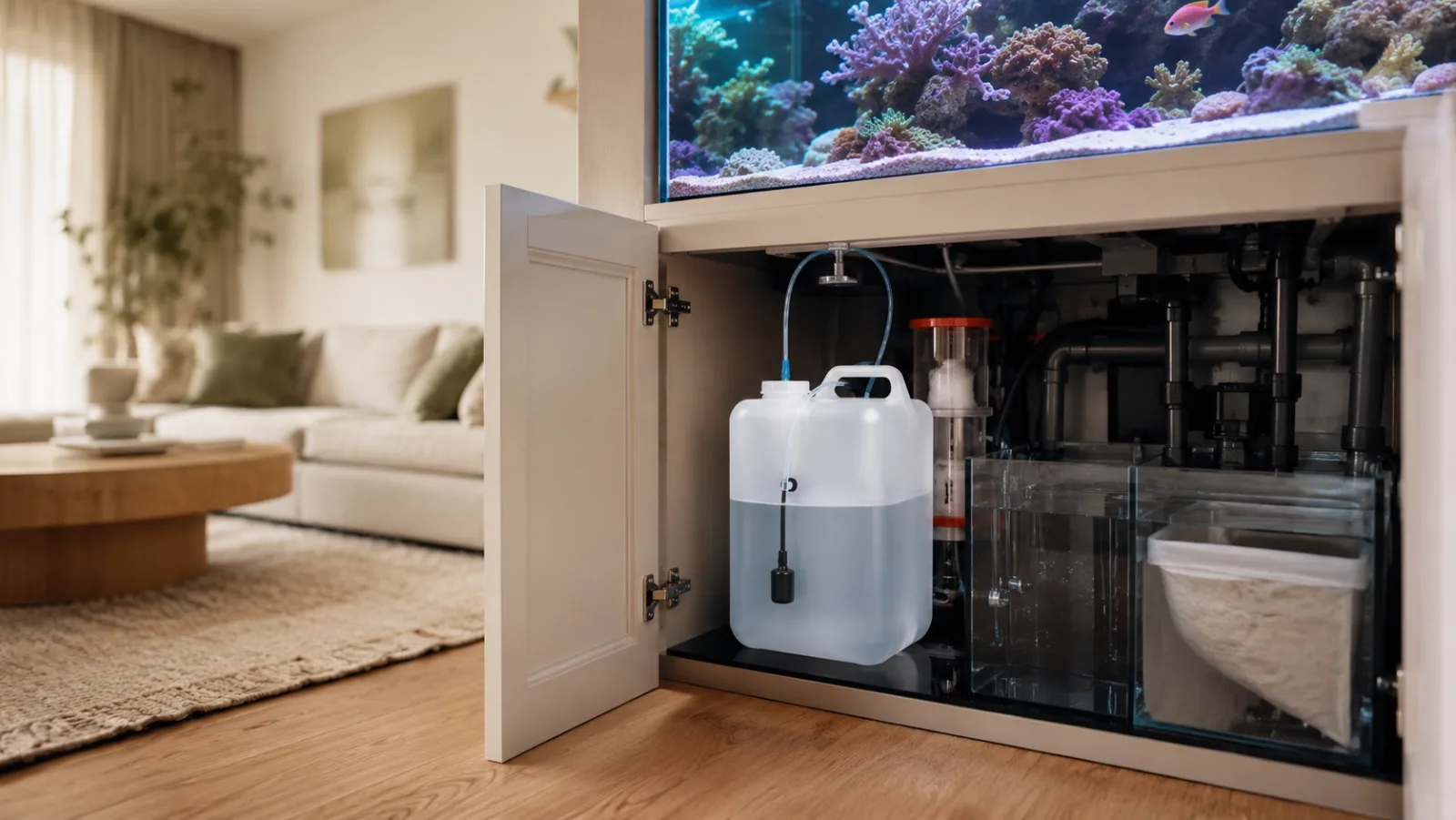
Best Automatic Top-Off (ATO) Systems for Reef Tanks (2026)
Aquarium
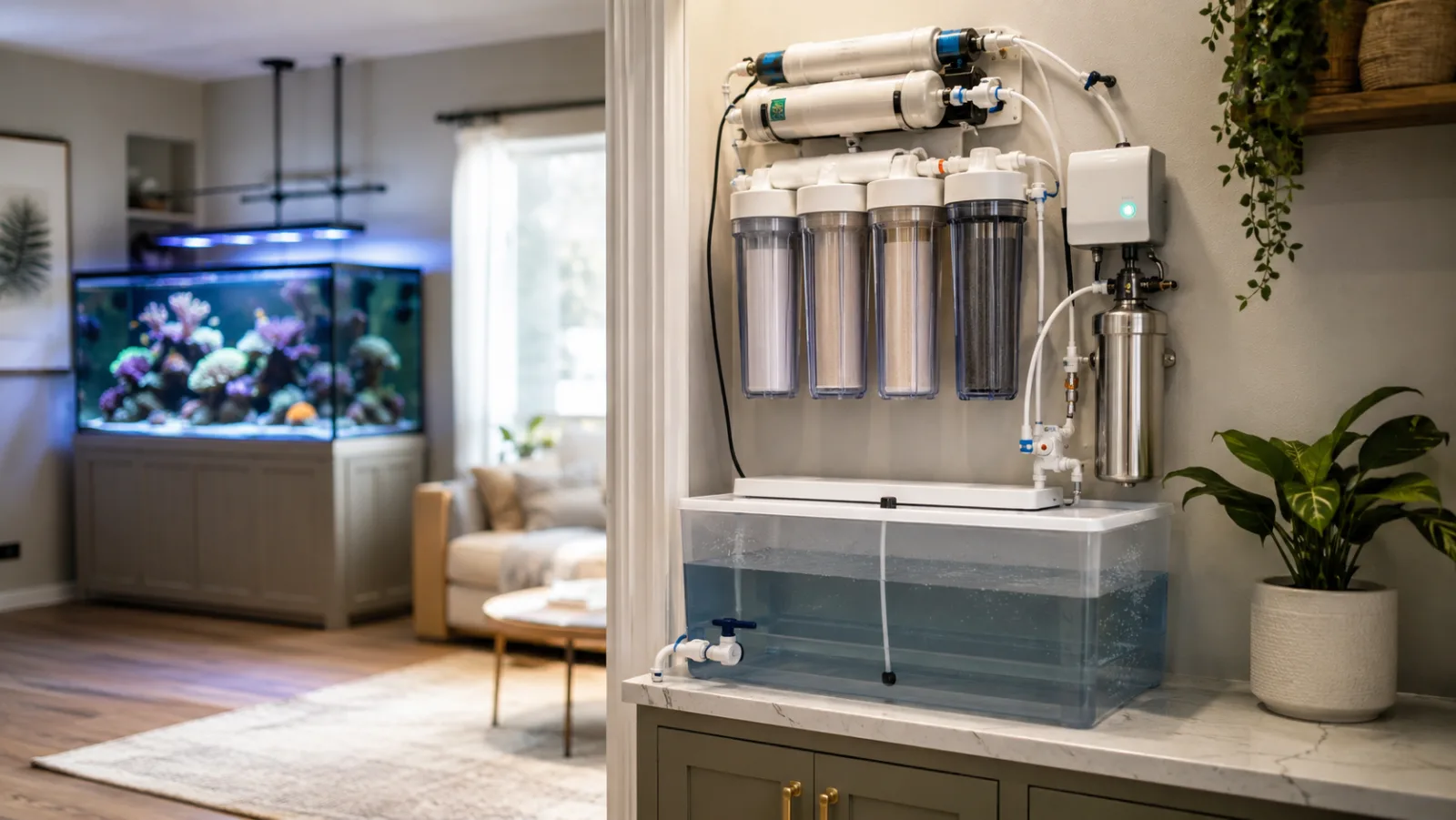
Best RO/DI Water Systems for Reef Aquariums (2026)
Aquarium
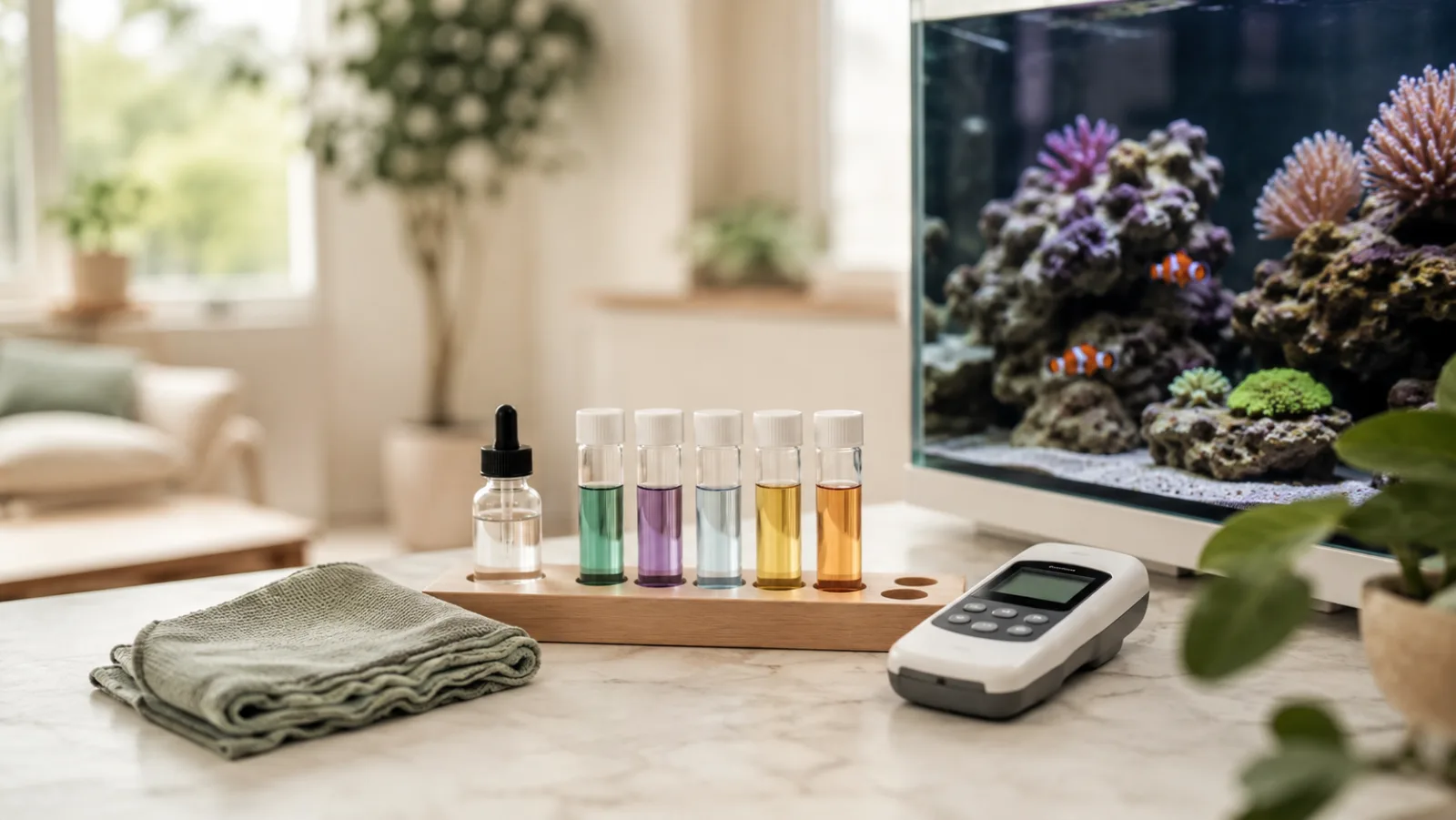
Best Reef Test Kits & Water Monitors (2026)
Aquarium
Best Reef Dosing Pumps (2026)
Aquarium
Best Protein Skimmers for Saltwater & Reef Tanks (2026)
Aquarium