Aquarium
Best Reef Aquarium Sumps and Refugiums (2026)
The Eshopps RS-75 is the three-chamber sump we'd reach for first on most nano-to-mid reef tanks, pairing a refugium/Berlin/wet-dry layout with a fair price. The Fiji Cube Fiji-20 is the premium full-cast-acrylic build for a mid-to-large reef, with more water volume and more built-in equipment holders, so match the sump to your tank size, gear, and cabinet space rather than chasing the biggest box.
By Nick Miles · Updated September 30, 2026 · ~12 min read
PetPalHQ is reader-supported. We may earn a commission from qualifying Amazon purchases at no extra cost to you.
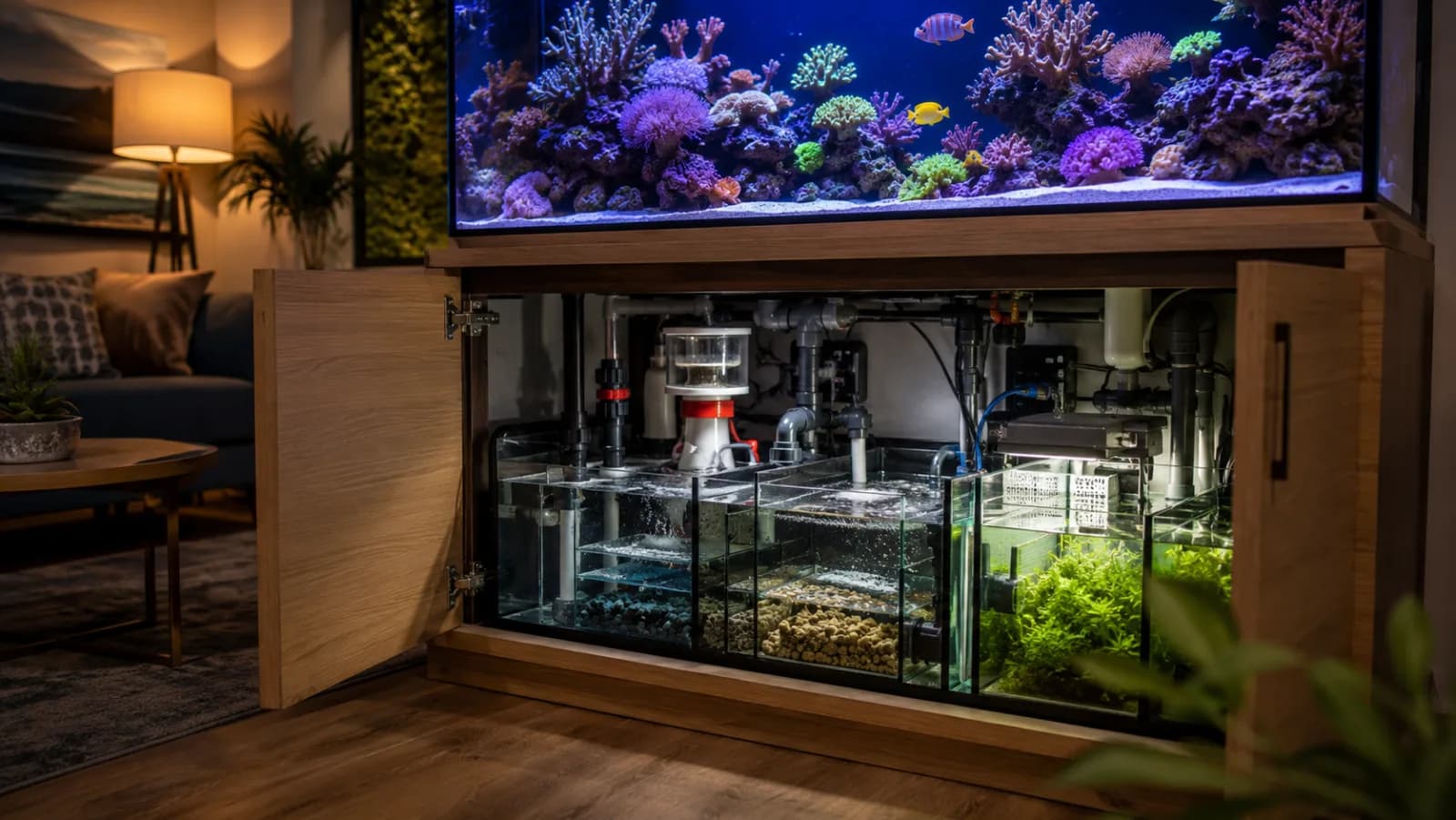
Evidence at a Glance
Eshopps RS-75 Reef Sump (Refugium / Berlin / Wet-Dry)
A three-chamber reef sump the manufacturer lists as refugium, Berlin, or wet/dry capable, with a 20 by 10 by 16 inch footprint rated for 10 to 75 gallon tanks — the balanced value pick for most nano-to-mid reefs.
Sources: Eshopps product page, Bulk Reef Supply product page, Amazon listing
Verified Jun 25, 2026
IceCap 15 Reef Sump V2
A square 15 by 15 by 14 inch sump Premium Aquatics lists with two 1 inch drains, a triple probe holder, a twin heater holder, and a Klir-compatible 4 inch sock holder — the pick for the most equipment holders.
Sources: CoralVue product page, Premium Aquatics product page, Amazon listing
Verified Jun 25, 2026
Fiji Cube Fiji-20 Advanced Reef Sump 2nd Gen
A full cast-acrylic sump with a top support brace that Bulk Reef Supply lists at 20 gallons for 60 to 100 gallon tanks, with a floss box, filter sock, dosing holes, and an ATO float-valve holder — the premium, refugium-ready build.
Sources: Fiji Cube product page, Bulk Reef Supply product page, Amazon listing
Verified Jun 25, 2026
Our Picks
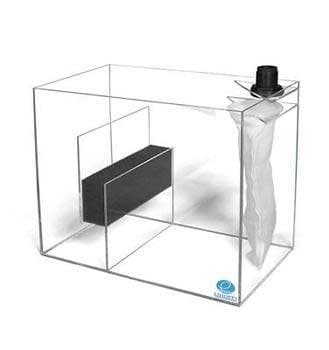
Eshopps
Eshopps RS-75 Reef Sump (Refugium / Berlin / Wet-Dry)
9.3 / 10
- Three-chamber design that runs as a refugium, Berlin, or wet/dry filter (manufacturer listing)
- 20 by 10 by 16 inch footprint rated for 10 to 75 gallon tanks (Eshopps/BRS)
- Built-in 4 inch filter sock for mechanical pre-filtering
- 6 by 9.5 inch skimmer chamber and 5 by 9.5 inch return chamber (Eshopps/BRS)
$262.85
Current price · checked Sep 8, 2026
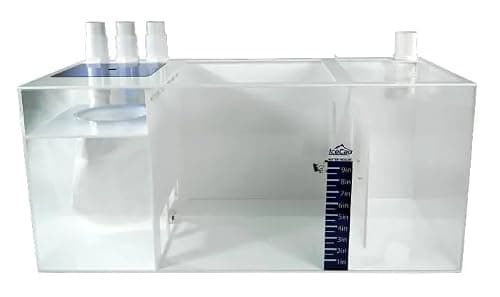
IceCap
IceCap 15 Reef Sump V2
9.1 / 10
- 15 by 15 by 14 inch square footprint rated for 10 to 80 gallon tanks (CoralVue)
- Two 1 inch intake drains plus an emergency drain holder (Premium Aquatics)
- Triple probe holder and twin heater holder for tidy gear (Premium Aquatics)
- 4 inch filter sock holder that fits the Klir Di-4 auto-fleece roller
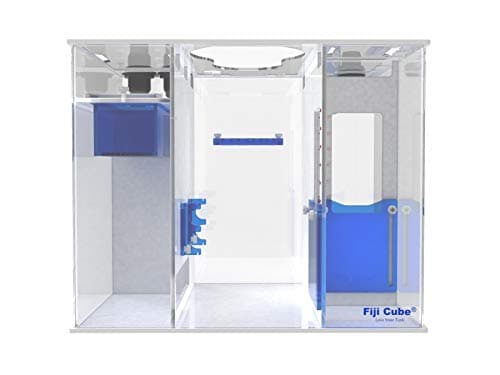
Fiji Cube
Fiji Cube Fiji-20 Advanced Reef Sump 2nd Gen
9.2 / 10
- Full cast acrylic with a full top support brace against bowing (Fiji Cube/BRS)
- 20 by 15 by 16 inch sump holding 20 gallons, rated for 60 to 100 gallon tanks (BRS)
- Water level adjustable from 5 to 12 inches across the chambers (Fiji Cube)
- Interchangeable filter floss box and 4 inch filter sock, sock included (BRS)
$404.99
Current price · checked Sep 8, 2026
Eshopps
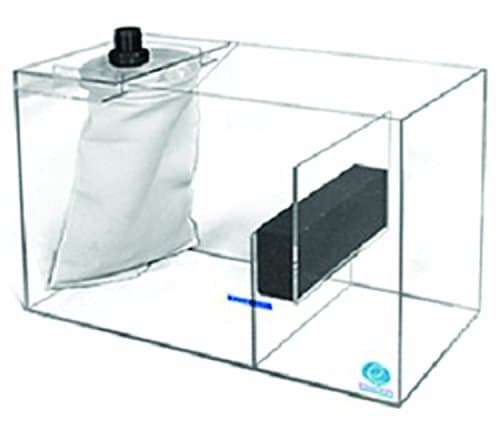
Eshopps RS-100 Reef Sump
8.6 / 10
- Larger RS-family sump rated for roughly 75 to 125 gallon tanks (RS-100 line)
- Around 24 by 12 by 16 inches with near 18 gallons of water volume (RS-100 line)
- Runs as a refugium, Berlin, or wet/dry setup (manufacturer listing)
- 7 inch filter sock and a higher flow ceiling than the RS-75 (RS-100 line)
Eshopps
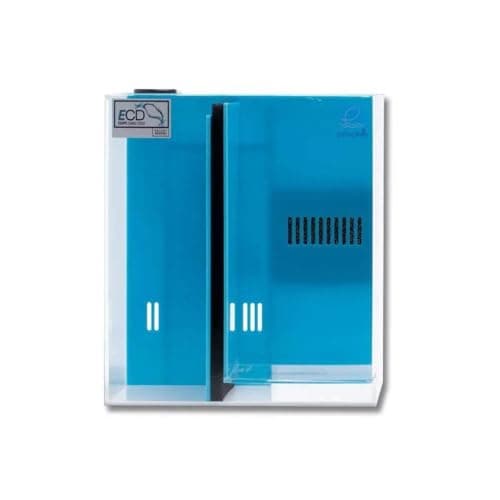
Eshopps Refugium Cube Nano
7.9 / 10
- Compact three-chamber refugium sump: skimmer, refugium, and return zones
- USA-made acrylic cube built for chaeto and pod culture (manufacturer listing)
- Dual-channel design feeds the refugium its own separate, unfiltered water
- Skimmer chamber runs a filter sock so it does not compete with the refugium
The Short Answer
The Eshopps RS-75 is the reef sump to buy first for most nano-to-mid tanks, a flexible three-chamber box that Eshopps lists at 20 by 10 by 16 inches and rates for 10 to 75 gallon tanks. It can run as a refugium, Berlin, or wet/dry filter, which is why chamber layout matters more than raw size. A sump itself is just a second tank below your display that hides the skimmer, heater, return pump, and a refugium while adding steadying water volume. The Fiji Cube Fiji-20 is the premium cast-acrylic build for a mid-to-large reef, with a full top support brace, 20 gallons of sump water, and holders for a heater, probes, dosing lines, and an automatic top-off float valve. Match the sump to your tank size, your equipment, and the space inside your cabinet.
Every product on this list has been scored against the PetPal Gear Score, a weighted composite of expert consensus, observed effectiveness, animal safety, long-term durability, and value. Review method: Editorial synthesis of manufacturer and retailer specifications consulted directly. We read the Eshopps and Fiji Cube product pages, plus the Bulk Reef Supply and Premium Aquatics listings, and each spec is quoted from the page it came from. PetPalHQ did not test these sumps first-hand and does not run a testing lab. The ReefSump Score is a composite of published specifications and expert and hobbyist consensus rather than a measurement, and the rank reflects best-fit use case instead of raw score order. A higher-ranked pick is the better fit for its scenario, not necessarily the higher score. Price is deliberately not a scoring factor, so the premium pick is neither rewarded nor penalized for cost on the rubric; the price caveats instead live in the cons, the verdicts, and the skip-it section.. Synthesized from 4+ expert sources.
A reef aquarium sump is a second tank that sits in the cabinet below your display. It does the quiet, unglamorous work of filtration. The skimmer, heater, return pump, and a refugium all live down there, out of sight of the show tank. A sump also adds water volume to the system, and more water means steadier temperature, salinity, and chemistry. A refugium goes a step further by growing macroalgae that pulls nitrate and phosphate out of the water. The catch is that a sump is mostly a box of chambers, so the layout of those chambers — and the quality of the acrylic and baffles — matters far more than the raw gallon rating on the label.
The picks below are editorial synthesis. PetPalHQ does not run a testing lab. Every product here was chosen by reading manufacturer and retailer specifications from Eshopps and Fiji Cube. We also read the Bulk Reef Supply and Premium Aquatics listings and weighed reefkeeping consensus. Where sources framed things differently, we deferred to chamber layout, build quality, and a leak-free track record over a bigger gallon number.
This guide is the sump-and-refugium companion to our broader filtration and maintenance hub. Rank reflects best-fit use case, value all-rounder and premium build, rather than raw score order. The right pick is the one that matches your tank size, equipment, and cabinet space, not simply the highest number.
Head-to-Head Comparison
| Feature | Eshopps RS-75 Reef Sump (Refugium / Berlin / Wet-Dry) | IceCap 15 Reef Sump V2 | Fiji Cube Fiji-20 Advanced Reef Sump 2nd Gen | Eshopps RS-100 Reef Sump | Eshopps Refugium Cube Nano |
|---|---|---|---|---|---|
| Best-fit use case | All-round 3-chamber value sump | Most equipment holders and drains | Premium cast-acrylic build | Larger tanks, more water volume | Refugium-first compact sump |
| Footprint (L x W x H) | 20 x 10 x 16 in (Eshopps/BRS) | 15 x 15 x 14 in (CoralVue) | 20 x 15 x 16 in (BRS) | ~24 x 12 x 16 in (RS-100 line) | Nano cube footprint |
| Rated tank size | 10-75 gal | 10-80 gal | 60-100 gal | ~75-125 gal (RS-100 line) | ~10-35 gal refugium |
| Sump water volume | ~12 gal (Eshopps/BRS) | Mid-size, not listed | 20 gal (BRS) | ~18 gal (RS-100 line) | Small nano volume |
| Mechanical filtration | 4 in filter sock | 4 in sock, fits Klir Di-4 | Floss box + 4 in sock (included) | 7 in filter sock (RS-100 line) | Filter sock + channel design |
| Check price | Amazon | Amazon | Amazon | Amazon | Amazon |
$262.85
Current price · checked Sep 8, 2026
- Three-chamber design that runs as a refugium, Berlin, or wet/dry filter (manufacturer listing)
- 20 by 10 by 16 inch footprint rated for 10 to 75 gallon tanks (Eshopps/BRS)
- Built-in 4 inch filter sock for mechanical pre-filtering
- 6 by 9.5 inch skimmer chamber and 5 by 9.5 inch return chamber (Eshopps/BRS)
- Around 12 gallons of sump water volume and a 600 GPH max flow (Eshopps/BRS)
The Eshopps RS-75 is the sump we would point most reefers toward first, and it earns the top slot on overall balance rather than on any single standout spec. Eshopps and Bulk Reef Supply both list a 20 by 10 by 16 inch footprint rated for tanks of 10 to 75 gallons. The manufacturer's listing says it can run as a refugium, a Berlin-style sump, or a wet/dry filter. That configuration flexibility is the main reason to start here instead of with a single-purpose box.
The chamber layout is the real draw. Water enters one chamber, passes a 4 inch filter sock, and then splits toward the skimmer and refugium zones before it reaches the return pump. Eshopps lists a 6 by 9.5 inch skimmer chamber alongside a 5 by 9.5 inch return chamber, and a 600 GPH maximum flow gives most nano-to-mid reef tanks plenty of room to work.
One thing the listings skip is that a sump is only ever as quiet as the plumbing you connect to it, so plan to dial in the drain and add a baffle sponge if you start chasing micro-bubbles. The included filter sock is also a wear item, which means you should rinse or replace it on a regular schedule rather than leaving it to clog.
The downsides are real, too. At roughly 12 gallons of water volume, the RS-75 sump buffers a smaller system than the 20 gallon Fiji-20. It also ships with fewer built-in equipment holders, since the Fiji-20 adds a removable heater holder, a probe holder, dosing holes, and a float-valve mount that the RS-75 leaves to you. For a balanced, USA-made sump at a fair price, though, the RS-75 remains the easy recommendation.
What We Love
- Flexible three-chamber layout runs as refugium, Berlin, or wet/dry
- Fair price for a USA-made reef sump
- Sensible footprint fits most nano-to-mid cabinets
- Included 4 inch filter sock handles mechanical filtration
- Proven RS-family design with a solid leak track record
What Could Be Better
- Only about 12 gallons of water volume, less buffer than the 20 gallon Fiji-20
- Fewer built-in equipment holders than the Fiji-20
- Single 1 inch drain, so plumbing must be dialed in for quiet flow
- Refugium zone is modest compared with a purpose-built refugium sump
The Verdict
The balanced, USA-made sump to buy first for most nano-to-mid reef tanks, because the RS-75 pairs a flexible three-chamber layout with a fair price, so dial in the drain and pick the filtration style that suits your system.
Sources
- Eshopps: Dimensions 20x10x16 in; recommended tank size 10-75 gal; total water volume 12 US gallons; skimmer chamber 6x9.5 in; return pump chamber 5x9.5 in; 4 in filter sock; max flow 600 GPH
- Bulk Reef Supply: 20 L x 10 W x 16 H in; recommended 10-75 gallons; 12 US gallons total water volume; one 4-inch filter sock included; max flow rate 600 GPH; 1x 1 in bulkhead drain
- 15 by 15 by 14 inch square footprint rated for 10 to 80 gallon tanks (CoralVue)
- Two 1 inch intake drains plus an emergency drain holder (Premium Aquatics)
- Triple probe holder and twin heater holder for tidy gear (Premium Aquatics)
- 4 inch filter sock holder that fits the Klir Di-4 auto-fleece roller
- Adjustable baffles with a 9.4 by 9.6 inch skimmer section (Premium Aquatics)
Equipment room is where the IceCap 15 V2 pulls ahead, and CoralVue and Premium Aquatics both list a 15 by 15 by 14 inch footprint rated for tanks of 10 to 80 gallons. That square shape packs more chamber width into a tight cabinet than a long, narrow sump can, which is the main reason to look here rather than elsewhere.
The holders are really the story, because Premium Aquatics lists two 1 inch drains plus an emergency drain holder, a triple probe holder, and a twin heater holder. A 4 inch filter sock holder fits the Klir Di-4 auto-fleece roller. The skimmer section measures 9.4 by 9.6 inches, with a 4.7 by 9.4 inch return zone beside it. Adjustable baffles also let you tune the water level to your gear.
Beyond the spec sheet, the V2 dropped the old freshwater reservoir in order to widen the return chamber. That is a sensible change for most reefers, but it removes a small built-in top-off buffer, so you will need to run an automatic top-off instead.
The compromises here are fairly modest, because the IceCap sump gives you holders rather than the biggest water volume, and its refugium space is tighter than a dedicated refugium cube. For a reef builder who wants every probe, heater, and sock to have a home, though, the IceCap 15 is the most equipment-friendly pick in this lineup.
What We Love
- Deepest set of equipment holders in this lineup
- Two 1 inch drains plus an emergency drain holder
- Square footprint packs chamber width into a tight cabinet
- 4 inch sock holder fits the Klir Di-4 auto-fleece roller
- Adjustable baffles let you tune the water level to your gear
What Could Be Better
- Mid-size water volume, not the biggest buffer here
- V2 dropped the freshwater reservoir, so you must run an ATO
- Refugium space is tighter than a dedicated refugium box
- The 15 inch depth can crowd a shallow stand
The Verdict
The pick for reefers who want a home for every probe, heater, and sock, because the IceCap 15 V2 trades raw water volume for the deepest set of equipment holders in this comparison.
Sources
- CoralVue: Footprint 15in x 15in x 14in; for aquariums ranging from 10-80 gallons; single 4in filter sock holder; constructed to adapt with adjustable baffles and probe holders and room for skimmers, heaters, return pumps and reactors
- Premium Aquatics: 15in x 15in x 14in for 10-80 gallons; Two 1in drains plus emergency drain holder; 4in filter sock holder fits Klir Di-4; skimmer section 9.4in x 9.6in; return pump section 4.7in x 9.4in; Triple Probe Holder; Twin Heater Holder; V2 removed the freshwater reservoir and increased return space
$404.99
Current price · checked Sep 8, 2026
- Full cast acrylic with a full top support brace against bowing (Fiji Cube/BRS)
- 20 by 15 by 16 inch sump holding 20 gallons, rated for 60 to 100 gallon tanks (BRS)
- Water level adjustable from 5 to 12 inches across the chambers (Fiji Cube)
- Interchangeable filter floss box and 4 inch filter sock, sock included (BRS)
- Removable heater holder, probe holder, dosing holes, and ATO float-valve holder (BRS)
Build quality is the central case for the Fiji-20, because Fiji Cube and Bulk Reef Supply both describe full cast acrylic with a full top support brace that stiffens the tank and fights long-term bowing. A polycarbonate cover cuts noise and evaporation as well, and that cast-acrylic shell is the reason this sump sits at the premium end of the lineup.
The feature set runs deep, since BRS lists a 20 by 15 by 16 inch sump holding 20 gallons of water and rated for 60 to 100 gallon tanks. The water level adjusts from 5 to 12 inches across the skimmer, refugium, and equipment zones. You also get an interchangeable floss box and a 4 inch filter sock, with the sock included. A removable heater holder, probe holder, dosing holes, and an auto-top-off float valve holder round it out.
A detail the spec page omits is that all of that bundled gear means more to set up on day one. The float-valve holder still needs your own ATO pump and controller, and refugium-ready does not mean refugium-stocked, so you still supply the macroalgae and the light.
The honest trade-offs come down to price and size, because the Fiji-20 costs well over a hundred dollars more than the RS-75 and eats a larger footprint, and a nano tank simply does not need 20 gallons of sump water. For a mid-to-large reef that wants a premium, refugium-ready build, though, the Fiji Cube sump is the one to beat.
What We Love
- Full cast acrylic and top brace resist long-term bowing
- Large 20 gallon water volume steadies a bigger reef
- Bundled floss box, filter sock, and holders for fast setup
- Adjustable 5 to 12 inch water level across the chambers
- Refugium-ready zone for macroalgae and copepods
What Could Be Better
- Premium price, well above the RS-75
- Large 20 by 15 by 16 inch footprint needs a big stand
- More bundled gear means more to install on day one
- ATO float-valve holder still needs your own pump and controller
The Verdict
The premium, refugium-ready build for a mid-to-large reef, because the Fiji-20 wins on cast-acrylic quality and bundled gear, so long as you budget for the higher price and the larger footprint.
Sources
- Fiji Cube: Full cast acrylic with full top support brace; interchangeable filter socks or filter floss holder; water level in the sump is adjustable from 5 in to 12 in; refugium compartment to cultivate copepods; polycarbonate sump cover and lid included
- Bulk Reef Supply: 20 L x 15 W x 16 H in; 20 gallon water capacity; recommended 60-100 gallons; full cast acrylic with full top support brace; two 4 in holders for floss box and filter sock; removable heater holder, test probe holder and dosing holes; removable auto top-off float valve holder; skimmer 14.2x8.1, refugium 5.2x5.8, return 8.1x5.8
- Larger RS-family sump rated for roughly 75 to 125 gallon tanks (RS-100 line)
- Around 24 by 12 by 16 inches with near 18 gallons of water volume (RS-100 line)
- Runs as a refugium, Berlin, or wet/dry setup (manufacturer listing)
- 7 inch filter sock and a higher flow ceiling than the RS-75 (RS-100 line)
- Open-chamber layout that keeps maintenance simple and quick
Bigger systems are where [the RS-100](/go/Eshopps RS-100 reef sump) makes the most sense, because it is the larger step-up in the same family as our value pick. Eshopps rates [the RS-100](/go/Eshopps RS-100 reef sump) line for roughly 75 to 125 gallon tanks, well above the RS-75, and the manufacturer's listing says it too can run as a refugium, Berlin, or wet/dry setup. More tank means more water demand, and this sump is built to answer it.
The extra size shows up in the numbers, since [the RS-100](/go/Eshopps RS-100 reef sump) family lists around 24 by 12 by 16 inches and near 18 gallons of water volume, along with a 7 inch filter sock and a higher flow ceiling than the RS-75. That added buffer holds parameters steadier on a big, heavily stocked reef than a smaller sump can manage.
The part the listing leaves out is that the open-chamber RS-100 leans toward a simple, easy-to-clean layout rather than a maze of baffles. That keeps maintenance quick, but it also means fewer built-in equipment holders than the IceCap, so plan ahead for where your probes and heaters will sit.
The drawbacks come down to size and price, because at over $460 [the RS-100 sump](/go/Eshopps RS-100 reef sump) is a serious spend, its larger footprint may not fit a smaller stand, and it is plainly overkill for a nano or mid reef. Buy it only when your display is genuinely big, since for a large tank that needs more sump volume, [the RS-100](/go/Eshopps RS-100 reef sump) is the natural pick in this lineup.
What We Love
- Bigger water volume buffers a large, heavily stocked reef
- Rated for roughly 75 to 125 gallon displays
- Runs as a refugium, Berlin, or wet/dry setup
- Open-chamber layout keeps maintenance quick and simple
- 7 inch filter sock handles more debris than smaller sumps
What Could Be Better
- High price, over $460 at the time of check
- Large footprint may not fit a smaller cabinet
- Overkill for a nano or mid reef tank
- Open layout offers fewer built-in equipment holders than the IceCap
- Exact specs vary by generation, so confirm the size before buying
The Verdict
The right step-up only when your display is genuinely large, because [the RS-100 sump](/go/Eshopps RS-100 reef sump) adds water volume and a bigger footprint that would be overkill on a nano or mid reef tank.
- Compact three-chamber refugium sump: skimmer, refugium, and return zones
- USA-made acrylic cube built for chaeto and pod culture (manufacturer listing)
- Dual-channel design feeds the refugium its own separate, unfiltered water
- Skimmer chamber runs a filter sock so it does not compete with the refugium
- Refugium chamber about 5 by 9 inches, rated for 10 to 35 gallon tanks
A refugium-first sump is a different tool, and [the Cube Nano](/go/Eshopps Refugium Cube Nano) is built around that job rather than all-in-one filtration. It is still a compact three-chamber sump, with a skimmer, a refugium, and a return zone, but Eshopps designed it to put the refugium first. We rank it last on the sump rubric on purpose. It is here for reefers who specifically want a refugium, not a do-everything sump.
The whole point is nutrient export. Eshopps uses a dual-channel design that feeds the refugium chamber its own separate, unfiltered water, while the skimmer chamber gets a filter sock first. That separation lets the macroalgae pull nitrate and phosphate out of the water without competing with the skimmer. The refugium chamber runs about 5 by 9 inches, which suits chaeto and a pod population on a nano or small reef.
Worth flagging up front: this is a compact unit rated for 10 to 35 gallon tanks, so it holds modest water and gear. There is room for a nano-scale skimmer and a reactor or two, but not a full bank of probes or a large return pump. Treat [the Eshopps refugium](/go/Eshopps Refugium Cube Nano) as a focused, refugium-led setup rather than the sump for a big system.
The honest trade-offs are scope and value. [The Cube Nano](/go/Eshopps Refugium Cube Nano) costs more than the RS-75 yet skips the Berlin and wet/dry modes, so it does less as a general-purpose sump. It only makes sense if a macroalgae refugium is your actual goal. For pod culture and nutrient export on a small system, though, it is a tidy, purpose-built choice.
What We Love
- Purpose-built for a macroalgae refugium and pod culture
- Channel design exports nutrients without fighting the skimmer
- USA-made acrylic in white, blue, or clear
- Compact footprint suits a nano or small reef
- Filter sock polishes water before the skimmer chamber
What Could Be Better
- Refugium-first design skips the Berlin and wet/dry modes the RS-family runs
- Costs more than the RS-75 yet does less as a general-purpose sump
- Small water volume adds little parameter buffer
- Compact return and equipment chambers limit a large return pump or reactor bank
- Only worth it if a dedicated refugium is your real goal
The Verdict
A compact, refugium-first sump rather than a do-everything box, because [the Cube Nano](/go/Eshopps Refugium Cube Nano) is the pick only when nutrient export and pod culture are your real goal instead of all-in-one filtration.
How We Score
Formula
ReefSump Score = (Chamber & Refugium Layout × 0.30) + (Acrylic & Baffle Quality × 0.25) + (Equipment Compatibility × 0.20) + (Volume vs Footprint × 0.15) + (Leak Record × 0.10)
Score Factors
- Chamber & Refugium Layout · 30%
- This factor looks at how the sump splits flow into the skimmer, refugium, and return zones, and it carries the highest weight because the layout decides what the sump can actually run. A good design keeps each chamber separate so the jobs do not fight one another, and a real refugium zone lets macroalgae export nitrate and phosphate. The ReefSump Score is a composite of manufacturer specifications and expert consensus rather than a measurement, since PetPalHQ does not run a testing lab.
- Acrylic & Baffle Quality · 25%
- This factor covers the build material and the baffle design, because cast acrylic and a top brace resist bowing over years of continuous use. Clean baffles trap micro-bubbles before they reach the return pump, and adjustable baffles let you tune the water level to your gear. A sump with better acrylic and smarter baffles earns a higher mark here than a thinner, fixed-baffle box.
- Equipment Compatibility · 20%
- This factor measures how much room and how many holders the sump gives your gear, which includes space for a skimmer, heater, return pump, and reactors. It also weighs the probe holders, dosing holes, an automatic top-off mount, and a filter sock or floss tray. A sump that provides more homes for your equipment scores higher than one that leaves your gear with nowhere to sit.
- Volume vs Footprint · 15%
- This factor balances how much water and capacity you get against the cabinet space the sump eats, because more water buffers temperature, salinity, and chemistry while a large footprint may not fit your stand. It rewards a sump that delivers useful volume without wasting space, since the biggest box is not helpful if it cannot pass through the cabinet door.
- Leak Record · 10%
- This factor weighs seam quality and the brand's track record for staying dry, because a sump runs for years under your tank and often goes unattended for long stretches. Strong seams and a clean history matter more than they first appear. Price is excluded from the rubric, so the premium and larger picks are neither rewarded nor penalized for cost.
| Rank | Product | Score |
|---|---|---|
| #1 | Eshopps Eshopps RS-75 Reef Sump (Refugium / Berlin / Wet-Dry) | 9.3 |
| #2 | Fiji Cube Fiji Cube Fiji-20 Advanced Reef Sump 2nd Gen | 9.2 |
| #3 | IceCap IceCap 15 Reef Sump V2 | 9.1 |
| #4 | Eshopps Eshopps RS-100 Reef Sump | 8.6 |
| #5 | Eshopps Eshopps Refugium Cube Nano | 7.9 |
When NOT to Buy
Skip a sump entirely if your tank is a small all-in-one with no overflow, because adding one would mean drilling the tank or hanging an overflow box that you may not want. Skip the Fiji-20 if you run a nano or mid reef, since its 20 by 15 by 16 inch footprint may not fit your stand and you would pay for water volume you do not need. On a display under 60 gallons the RS-75 does the same job for less money. Skip any sump if you are not ready to plumb a drain and tune the water level, because a rushed install is how leaks and bubble noise usually start. And measure your cabinet first, because the best sump is the one that actually fits the space you have. For where a sump fits the wider system, see our aquarium filtration and maintenance hub.
Frequently Asked Questions
- What does a reef sump actually do, and do I need one?
- A sump is a second tank below your display that holds your filtration gear and your extra water, so it hides the skimmer, heater, and return pump while adding volume that steadies temperature and chemistry. A refugium chamber can also grow macroalgae that exports nitrate and phosphate. You do not strictly need one if your tank is a small all-in-one, but once a reef grows, a sump makes filtration, top-off, and dosing far easier to run and to hide out of sight.
- What size sump should I get for my tank?
- You should match the sump to your display and your cabinet, in that order. The layout only helps if the box actually fits. The Eshopps RS-75 suits tanks around 10 to 75 gallons, while the Fiji-20 is rated for 60 to 100. Always measure the inside of your stand first, since a sump that will not pass the cabinet door is the wrong sump no matter how good its chambers are.
- What is a refugium, and is it worth running?
- A refugium is a calm chamber where macroalgae such as chaeto grows under a small light, and as that algae grows it pulls nitrate and phosphate out of the water, which is natural nutrient export. It also shelters the copepods and amphipods that feed your fish and corals. For most reefs it is worth running, and both sumps here fold a refugium zone into a general-purpose box: the RS-75 can be configured as a refugium outright, and the Fiji-20 has a dedicated refugium compartment Fiji Cube sizes for copepod culture.
- Why does chamber layout matter more than sump size?
- Chamber layout matters more because it decides what the sump can actually run. A good design keeps the skimmer, refugium, and return pump in separate zones so they do not fight each other. Baffles trap micro-bubbles before water reaches the return pump, and probe and heater holders keep your gear both tidy and safe. A huge sump with a poor layout is harder to use than a smaller one with smart chambers, because size only adds water buffer while layout adds real function.
- Are acrylic sumps prone to leaking?
- A well-built acrylic sump rarely leaks, which is exactly why seam quality and brand track record carry weight in the rubric here. Cast acrylic with a top brace resists bowing over years of use, and the real leak risk is usually the plumbing rather than the box itself. Most drips start at a loose bulkhead, a bad union, or a sock overflow instead of a failed seam, so test a new sump with fresh water for a full day before you trust it on a stocked reef.
- Can I add a sump to a tank that isn't reef-ready?
- Sometimes you can, but it takes real work, because a sump needs water to drain down and then pump back up, so the tank requires either a drilled overflow or a hang-on overflow box. A reef-ready tank already has the holes and an overflow built in, while a standard tank must be drilled or fitted with an external overflow, which adds both cost and some risk. If you are not comfortable plumbing a drain, plan that step carefully before you buy any sump on this page.
Bottom Line
Get the Eshopps RS-75 for most nano-to-mid reef tanks, because its three-chamber layout runs as a refugium, Berlin, or wet/dry filter at a fair price.
Get the Fiji-20 for a premium, refugium-ready build on a mid-to-large reef, because the full cast acrylic and the top brace are what you are paying extra for.
Both boxes fold a refugium zone into a general-purpose sump, so if macroalgae export is the whole point, budget for a refugium light and the chaeto to put under it.
Whatever you choose, remember that layout beats size, so measure your cabinet, plumb the drain carefully, and tune the water level before you trust the sump overnight.
Sources & Methodology
Methodology
ReefSump Score = (Chamber & Refugium Layout × 0.30) + (Acrylic & Baffle Quality × 0.25) + (Equipment Compatibility × 0.20) + (Volume vs Footprint × 0.15) + (Leak Record × 0.10)
Expert review sources
- Eshopps — RS-75 Oceana reef sump product page and specifications
- Fiji Cube — Fiji-20 Advanced Reef Sump 2nd Gen product page and specifications
- Bulk Reef Supply — RS-75 and Fiji-20 sump product listings and BRStv spotlights
- Premium Aquatics — Eshopps sump product listings
Community sources
- Reefkeeping hobbyist consensus that chamber layout, quiet baffles, and a leak-free seam matter more than raw sump size, and that the sump should be sized to fit the cabinet first
Prices and specs verified June 25, 2026.
About the author
Nick Miles is the chief editor of PetPalHQ. The picks above are editorial synthesis of manufacturer and retailer specifications and published expert and hobbyist consensus — PetPalHQ does not run a testing lab and did not test these products first-hand. The ReefSump Score is a composite of expert opinion and published specs, not a measurement, and rank reflects best-fit use case rather than raw score order. Sources are cited by name throughout.
PetPalHQ is a participant in the Amazon Services LLC Associates Program. We may earn commissions from qualifying purchases — at no extra cost to you.
More Guides
Aquarium
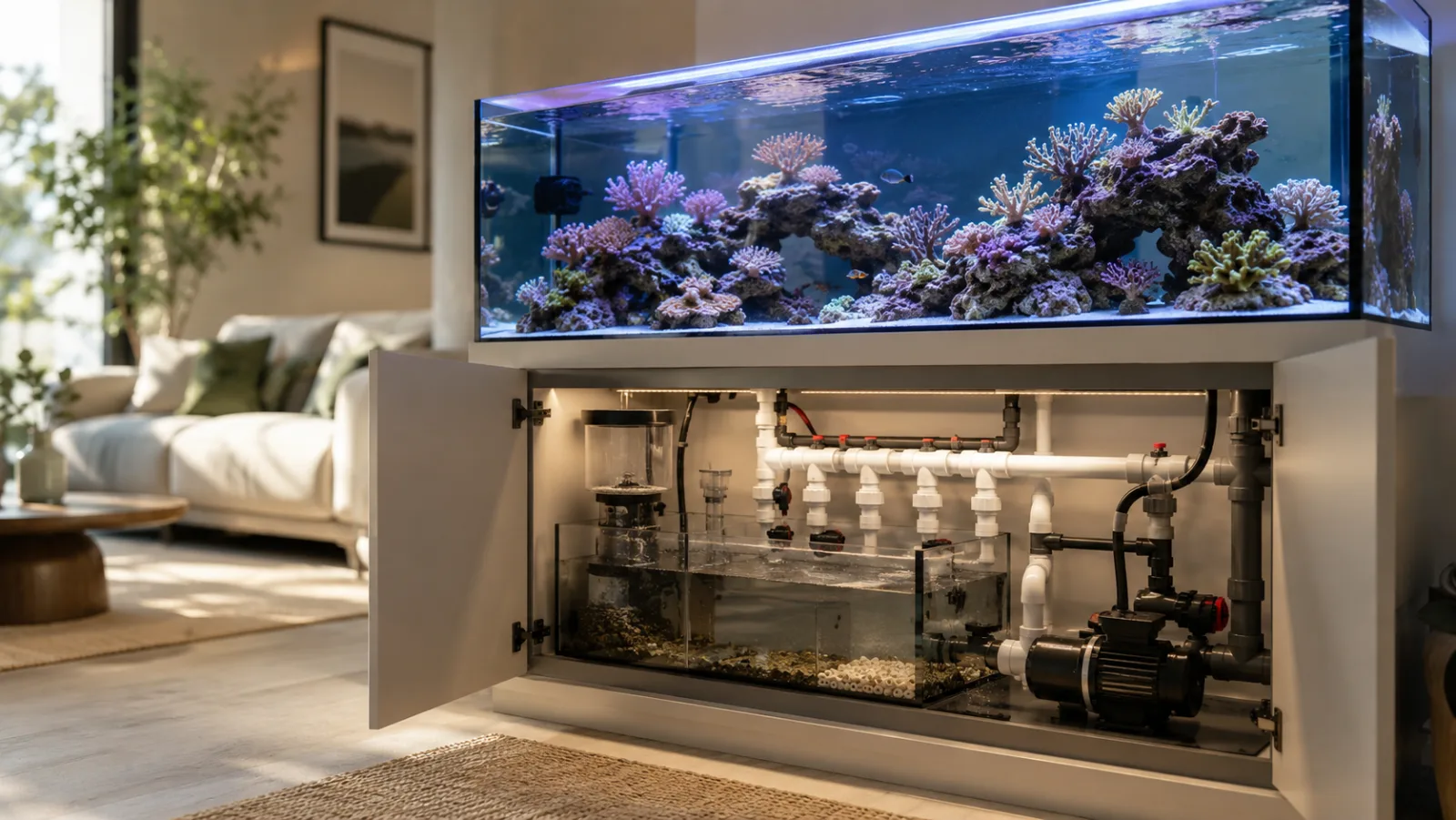
Best Aquarium Return Pumps for Reef Sumps (2026)
Aquarium
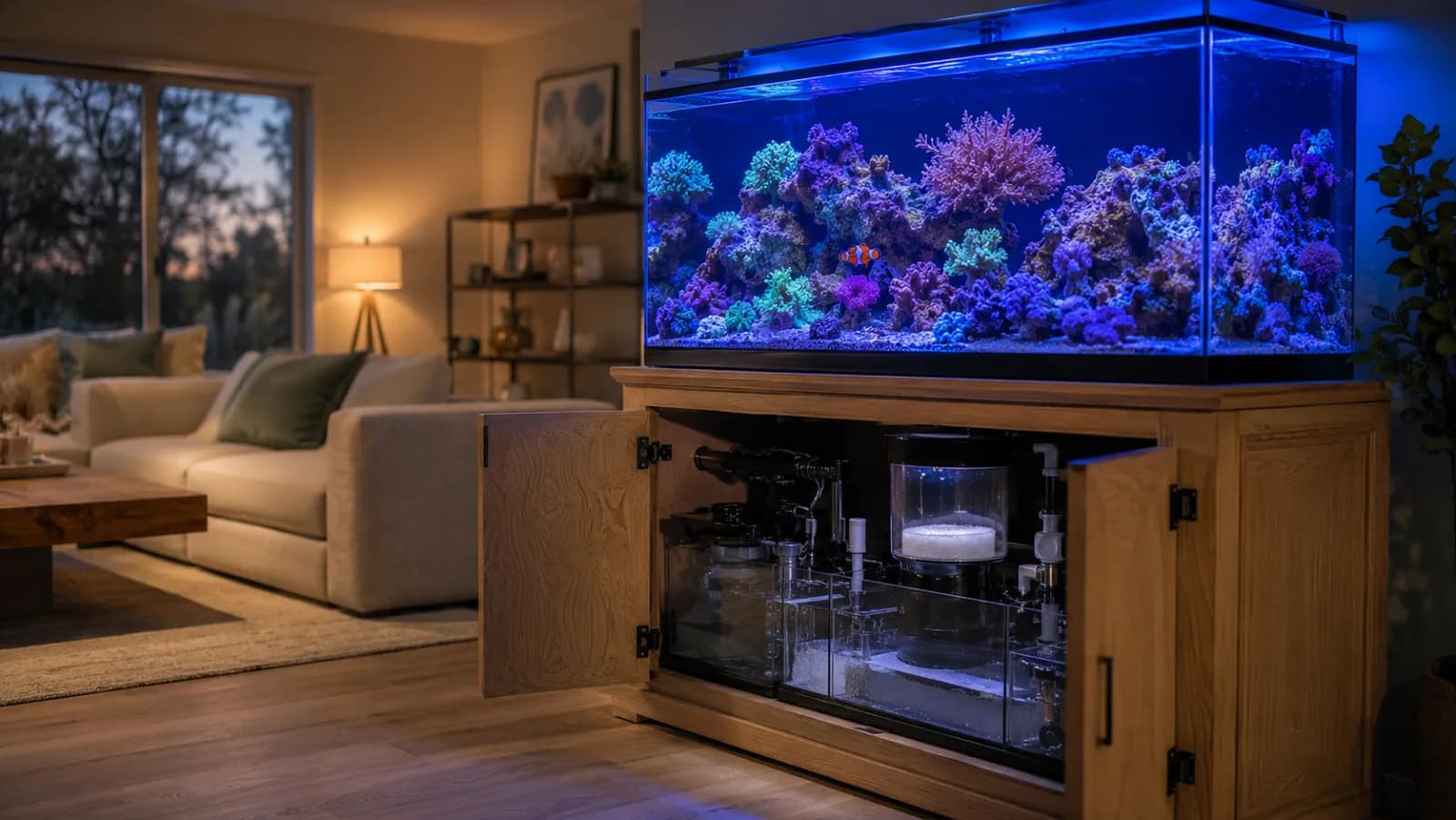
Best Protein Skimmers for Saltwater & Reef Tanks (2026)
Aquarium
Best Reef Dosing Pumps (2026)
Aquarium
Best Automatic Top-Off (ATO) Systems for Reef Tanks (2026)
Aquarium