Aquarium
How to Start a Saltwater Reef Tank for Beginners (2026)
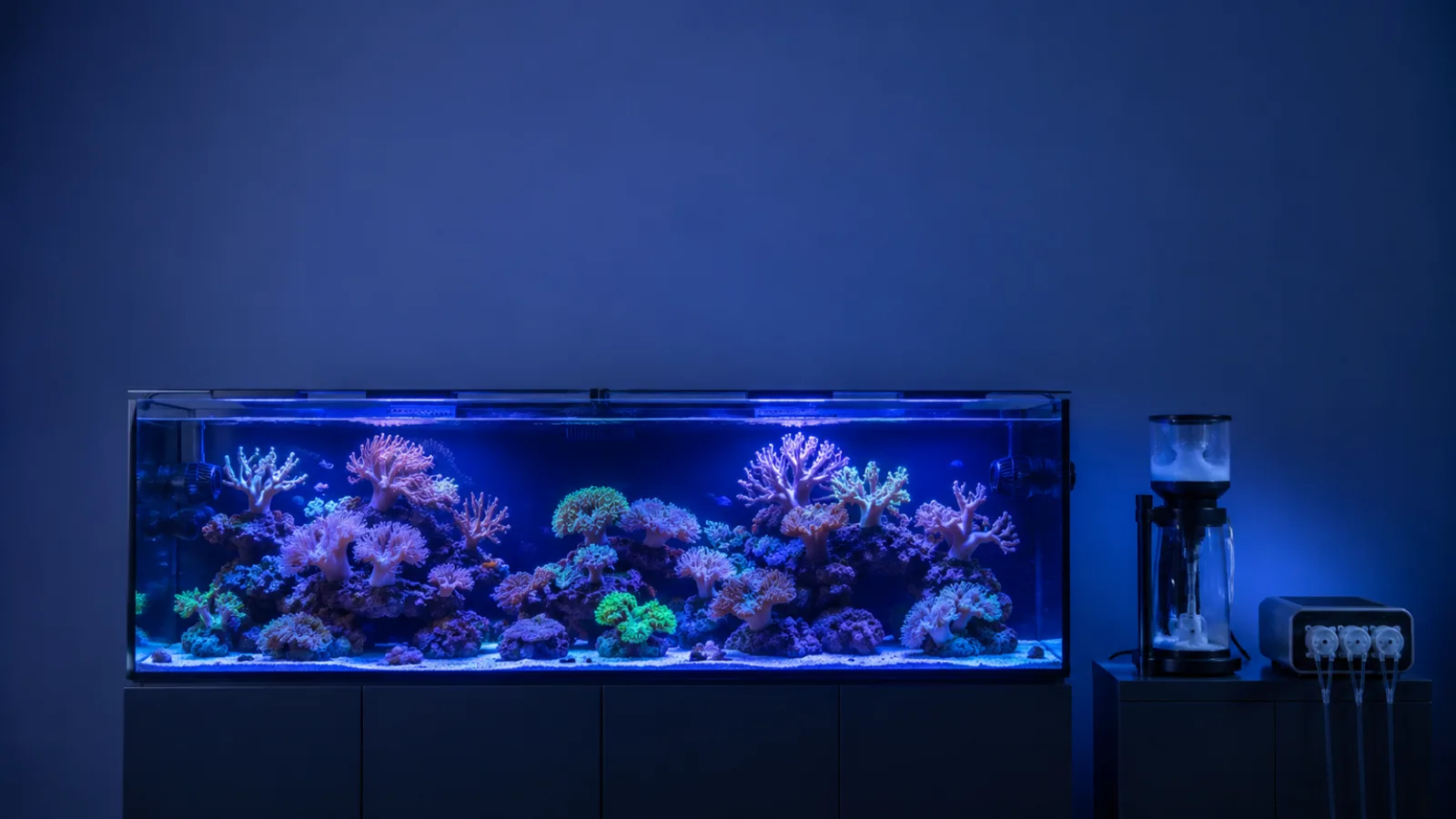
This is not a head-to-head reef-gear ranking — it is a build sequence. A reef tank is not a purchase; it is a slow project where you keep water first and life much later. The picks below are the setup kit in build order — the RO/DI unit that makes pure water, the salt that turns it into seawater, a heater, a wavemaker, a protein skimmer, a coral light, a test kit, and a dosing pump — not eight products ranked against each other. If you will not test water weekly or wait weeks for the tank to cycle, read the caveats before you buy anything, because reef is the slowest and least forgiving branch of the hobby.
By Nick Miles · Updated September 26, 2026 · 12 min read
PetPalHQ is reader-supported. We may earn a commission from qualifying Amazon purchases at no extra cost to you.
Evidence at a Glance
Aquatic Life RO Buddie 4-Stage RO/DI
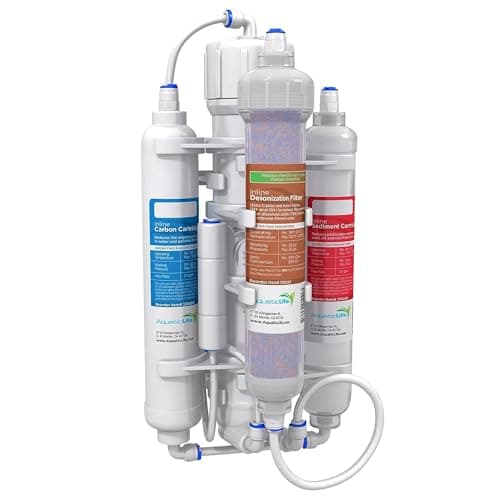
The first stage — a four-stage reverse-osmosis and DI unit that removes debris, chlorine, and total dissolved solids from tap water per Aquatic Life, with a color-changing resin that turns from blue to tan when spent, so the water your whole reef is built on starts pure instead of carrying problems in from the tap.
Sources: Aquatic Life manufacturer documentation, Reef-keeping education consensus (Bulk Reef Supply, Reef2Reef community), Published marine-aquarium water-quality standards
Verified Jul 12, 2026
Red Sea Reef Salt Mix
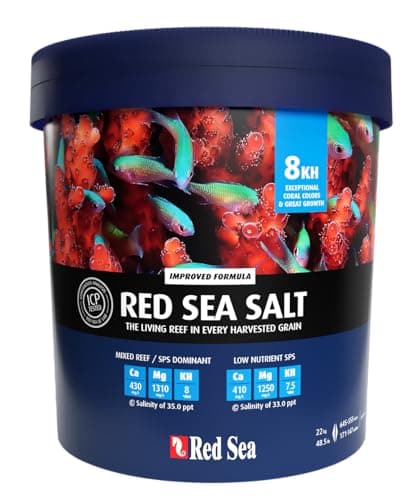
The second stage — a premium sea-salt formula based on salt harvested by solar evaporation and enriched to replicate natural seawater per Red Sea, batch-tested for quality control, that turns pure RO/DI water into the seawater a reef actually lives in; you never substitute tap water or table salt.
Sources: Red Sea manufacturer documentation, Published marine-aquarium water-quality standards, Reef-keeping education consensus (Bulk Reef Supply, Reef2Reef community)
Verified Jul 12, 2026
HITOP 200W Adjustable Aquarium Heater
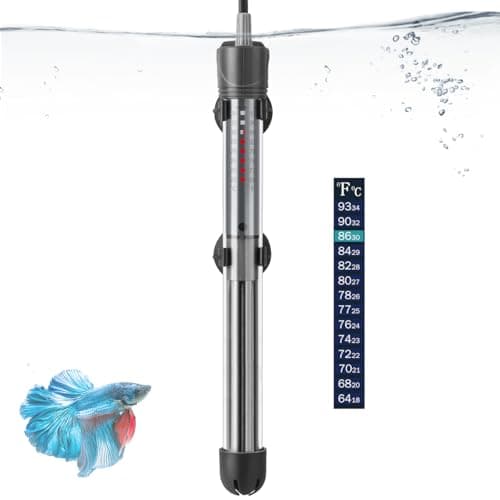
The third stage — a 200W adjustable heater with a built-in thermostat that holds within about ±2°F and 2mm thickened quartz glass per HITOP, because coral and reef livestock need a steady temperature far more than a warm one, and stability is the whole game.
Sources: HITOP manufacturer documentation, Coral-husbandry consensus, Published marine-aquarium water-quality standards
Verified Jul 12, 2026
Our Picks
Aquatic Life
Aquatic Life RO Buddie 4-Stage RO/DI
8.6 / 10
- Four stages — sediment, carbon block, RO membrane, and color-changing DI resin per Aquatic Life
- Sediment filter catches sand and silt; carbon block removes chlorine and odors
- Note: the carbon block will not remove chloramines, only chlorine
- RO membrane removes most total dissolved solids; DI resin removes what remains
$69.99
Current price · checked Sep 8, 2026
Red Sea
Red Sea Reef Salt Mix (175-Gallon Bucket)
8.5 / 10
- Premium formula based on natural salt harvested by solar evaporation per Red Sea
- Enriched with fine minerals to replicate natural seawater
- The listing notes favorable effects on invertebrates
- Every batch biologically and chemically tested for quality control
HITOP
HITOP 200W Adjustable Aquarium Heater
8.2 / 10
- 200W, 10.4 inches, sized for a 30-45 gallon tank per HITOP
- Adjustable 68-93°F with auto on/off at the set temperature
- Built-in thermostat holds within about ±2°F; includes a stick-on thermometer
- 2mm thickened quartz glass, described as 33% thicker than normal
$16.97
Current price · checked Sep 8, 2026
AQUANEAT
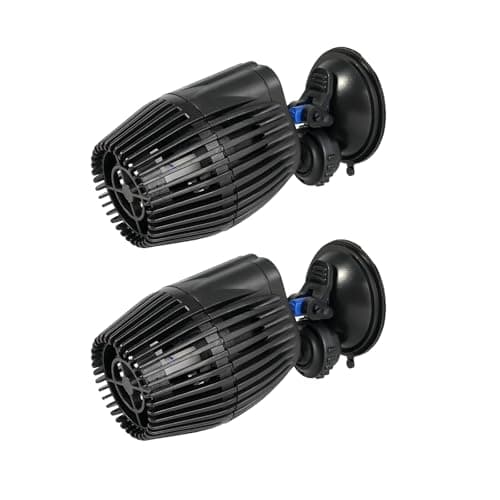
AQUANEAT 2 Pack Circulation Pump
8.0 / 10
- 800 GPH (3000 L/H) each, sold as a two-pack per AQUANEAT
- Recommended for a 60-75 gallon saltwater tank
- 360° rotating suction-cup ball joints to eliminate dead spots
- Mimics natural current for fish, coral, and plants
$18.99
Current price · checked Sep 8, 2026
AQQA
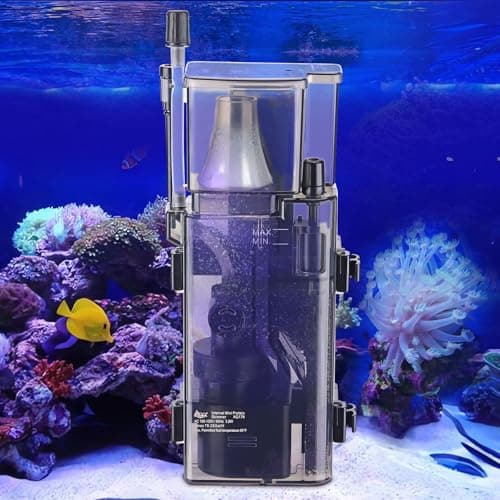
AQQA Aquarium Protein Skimmer (79 GPH)
8.0 / 10
- Generates dense micro-bubbles to remove organic waste and proteins from saltwater per AQQA
- Adjustable height suits a 50-80 gallon reef tank
- Compact build for nano and reef setups
- Transparent body so you can monitor the foam and collection
$35.14
Current price · checked Sep 8, 2026
VIPARSPECTRA
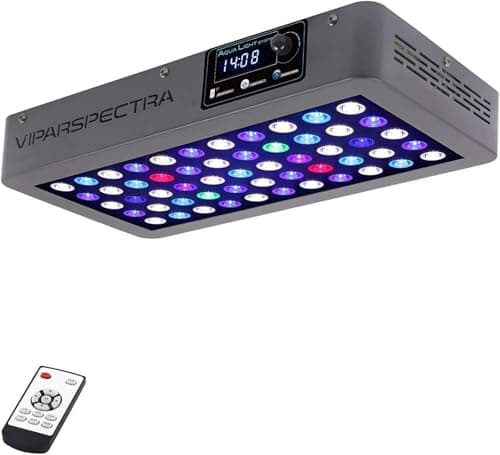
VIPARSPECTRA 165W LED Aquarium Light
8.1 / 10
- V165 timer-control series with an engineered PAR balance per VIPARSPECTRA
- 24-inch by 24-inch coverage footprint
- Dimmable dual channels from 0-100% with an internal timer for auto on/off
- Full-spectrum layout refined with ReefCentral community members
$149.99
Current price · checked Sep 8, 2026

Salifert
Salifert Alkalinity Calcium Magnesium Combo Test Kit
8.3 / 10
- Measures calcium, magnesium, and alkalinity — the core reef minerals per Salifert
- Add drops to a water sample and read the result
- Precise measurement of the essential parameters coral consumes
- Salifert is a widely trusted reef test brand
$49.45
Current price · checked Sep 27, 2026
Jebao
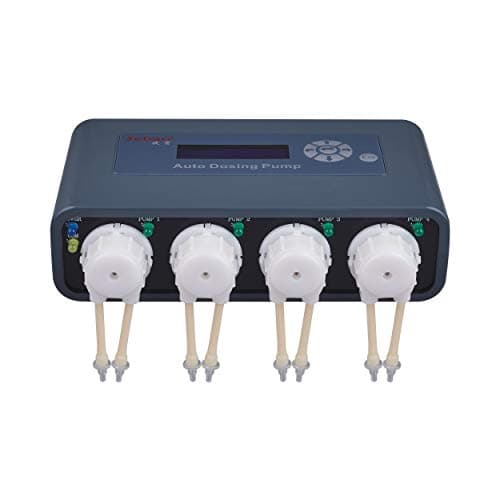
Jebao Doser 2.4 WIFI 4-Channel Auto Dosing Pump
7.9 / 10
- Doses calcium, magnesium, alkalinity, or other liquids per Jebao
- Four channels, DC 12V 7.5W
- WiFi control for iOS and Android, plus a manual controller
- Each channel dosable from 1-9999 ml/day with up to 24 timers a day
$87.99
Current price · checked Sep 8, 2026
The Short Answer
Treat a reef tank as water first and life last, and build it in stages. Start by making pure water: the Aquatic Life RO Buddie 4-Stage RO/DI strips tap water of debris, chlorine, and dissolved solids so nothing you fight later starts in the source. Then turn that water into seawater with Red Sea Reef Salt Mix, a tested formula that replicates natural seawater — you never use tap water or table salt, and you measure salinity with a cheap refractometer or hydrometer you still need beyond this kit. Hold the tank steady with the HITOP 200W Adjustable Aquarium Heater, move the water with the AQUANEAT Circulation Pump so there are no dead spots, and export dissolved waste with the AQQA Protein Skimmer, which does the filtering job a reef tank asks of a skimmer and live rock, not a hang-on-back filter. Once the tank has cycled and the nitrogen cycle is established, light coral with the VIPARSPECTRA 165W LED, track calcium, magnesium, and alkalinity with the Salifert Combo Test Kit, and only then automate the dosing of those minerals with the Jebao Doser 2.4 WIFI pump. The core truth never changes: patience and stable water beat gear, nothing lives until the tank is cycled, and the skimmer and doser are stability tools, not shortcuts around testing.
Every product on this list has been scored against the PetPal Gear Score, a weighted composite of expert consensus, observed effectiveness, animal safety, long-term durability, and value. Review method: Editorial synthesis of reef-keeping guidance — reef-keeping education consensus (Bulk Reef Supply and the Reef2Reef community), published marine-aquarium water-quality standards, and coral-husbandry consensus. Manufacturer documentation from Aquatic Life, Red Sea, HITOP, AQUANEAT, AQQA, VIPARSPECTRA, Salifert, and Jebao was reviewed. Community consensus from r/ReefTank and r/Aquariums was included as consensus, not quotation. No first-hand product testing — PetPalHQ does not run a testing lab.. Synthesized from 3+ expert sources.
A reef tank goes wrong, in this guide's editorial judgment, for one reason more than any other: it is treated as a fish tank you fill and stock, instead of a body of water you build and stabilize first. A beginner buys a tank, adds saltwater and fish in the same weekend, and watches the animals die within days. The fish were never the hard part. The hobby has an old mantra that is worth repeating until it sinks in — you are keeping water, not fish. Everything living in a reef depends on chemistry, temperature, and stability that take weeks to establish, and the gear below exists to make and hold that water long before anything lives in it.
Start with the water itself, because every parameter you will chase later begins there. Pure water comes first from an RO/DI unit that strips the tap of chlorine, metals, and dissolved solids, and then salt turns that pure water into seawater at a salinity you measure rather than guess. You never use tap water, and you never use table salt. From there the sequence is about stability: a heater to hold temperature steady, pumps to keep the whole volume moving, and a protein skimmer to export dissolved waste — which is how reef filtration actually works, through a skimmer and live rock, not a hang-on-back filter. None of that is glamorous, and all of it comes before the first coral.
Then, and only then, does the tank begin to keep life. Once it has cycled — meaning the nitrogen cycle is established and bacteria are quietly converting ammonia to nitrite to nitrate — you add light for coral, a habit of weekly testing to watch the chemistry, and eventually a dosing pump to hold the minerals coral consumes. The picks below are that kit, in build order, not eight products ranked against each other. Each earns its place by doing one job the next stage depends on, and where a claim rests on a maker's documentation or expert consensus, that is named rather than asserted, because PetPalHQ does not run a testing lab.
One principle sits above the whole build and never bends. Nothing lives until the tank is cycled, stable water beats expensive gear every time, and patience is the real equipment. The skimmer and the doser are stability tools, not shortcuts around the slow work of testing and waiting. A reef rewards the keeper who makes water first, measures constantly, and adds life last — and it punishes the one who reverses that order. Treat it as the slow water project it is, and it becomes one of the most rewarding things in the hobby.
Head-to-Head Comparison
| Feature | Aquatic Life RO Buddie 4-Stage RO/DI | Red Sea Reef Salt Mix (175-Gallon Bucket) | HITOP 200W Adjustable Aquarium Heater | AQUANEAT 2 Pack Circulation Pump | AQQA Aquarium Protein Skimmer (79 GPH) | VIPARSPECTRA 165W LED Aquarium Light | Salifert Alkalinity Calcium Magnesium Combo Test Kit | Jebao Doser 2.4 WIFI 4-Channel Auto Dosing Pump |
|---|---|---|---|---|---|---|---|---|
| Stage in the setup | Make pure water | Make seawater | Hold temperature | Create flow | Export waste | Light the coral | Measure chemistry | Automate stability |
| When it comes into play | Before anything else | Right after pure water | Before adding water | Before livestock | Before livestock | After cycling, coral phase | From day one, ongoing | Established tank only |
| Keeps water or keeps life | Keeps water | Keeps water | Keeps water | Keeps water | Keeps water | Keeps life (coral) | Watches the water | Keeps water stable |
| Ongoing cost after purchase | Filters and resin | Salt every change | Electricity | Electricity | Electricity | Electricity | Reagents expire | Dosing liquids |
| Check price | Amazon | Amazon | Amazon | Amazon | Amazon | Amazon | Amazon | Amazon |
$69.99
Current price · checked Sep 8, 2026
- Four stages — sediment, carbon block, RO membrane, and color-changing DI resin per Aquatic Life
- Sediment filter catches sand and silt; carbon block removes chlorine and odors
- Note: the carbon block will not remove chloramines, only chlorine
- RO membrane removes most total dissolved solids; DI resin removes what remains
- Resin changes from blue to tan when spent, so you can see when to replace it; 50 GPD
A reef tank is not a product you buy — it is a slow project, and the first stage is not a fish or a coral but the water itself; the hobby's oldest truth is that you are keeping water, not fish. The Aquatic Life RO Buddie 4-Stage RO/DI earns the first slot because everything downstream is built on the water it makes. Aquatic Life documents a four-stage unit that pushes tap water through a sediment filter for sand and silt, a carbon block that removes chlorine and odors, a reverse-osmosis membrane that removes most total dissolved solids, and a final deionizing resin that removes what is left and changes from blue to tan when it is spent. It is rated at 50 gallons per day.
Where it fits the setup: this is the source, and its value is in what it keeps out. Tap water carries dissolved solids, metals, phosphate, and chlorine that feed nuisance algae and destabilize reef chemistry, so reef keepers start with purified water rather than trying to fix contaminated water later. You make RO/DI water first, then mix salt into it — never the other way around, and never with tap water. One honest limit to plan around: the listing notes the carbon block removes chlorine but not chloramines, which many municipal systems now use, so check your water report. Beginners weighing units on stages, waste ratio, and TDS output should read our roundup of the best RO/DI aquarium water systems before committing, because the water source constrains every parameter you chase afterward.
The honest caveats are about upkeep and pace. Filters and resin are consumables — the color-changing resin tells you when the DI stage is done, but the membrane and carbon have their own lifespans, and spent media quietly stops purifying while looking fine. A cheap inline TDS meter is worth owning so you can confirm the output reads near zero rather than trusting the unit blind. And RO/DI is slow by design, so making water is a plan-ahead chore, not an on-demand tap. Confirm current price and availability before buying. Bought as the first stage rather than an afterthought, it is the single most important piece in the kit, because no salt, light, or dosing fixes water that started dirty.
What We Love
- Removes debris, chlorine, and most dissolved solids so the reef starts on clean water
- Color-changing DI resin makes it obvious when the final stage is spent
- Four stages in a compact unit at an accessible entry price
- The foundation every downstream parameter depends on
What Could Be Better
- Carbon block removes chlorine but not chloramines — check your water report
- Filters and resin are ongoing consumables, not a one-time cost
- Slow by design, so making water is a plan-ahead task
- A separate TDS meter is really needed to confirm the output is pure
The Verdict
Buy this first, before any fish or coral. It makes the pure water the entire reef is built on, and skipping it is how beginners inherit algae and chemistry problems they then spend months fighting. Budget for replacement filters and a TDS meter, and remember it removes chlorine but not chloramines.
Sources
- Aquatic Life (Amazon product listing, RO Buddie 4-Stage RO/DI): 4-stage reverse-osmosis/DI system that removes debris from tap water, with a sediment filter for sand and silt, a carbon block that removes chlorine and odors, an RO membrane that removes most total dissolved solids, and a color-changing DI resin that turns from blue to tan when spent; rated 50 GPD
- Reef-keeping education consensus (Bulk Reef Supply, Reef2Reef community): reef keepers treat purified RO/DI water as the non-negotiable starting point, because tap-water contaminants and dissolved solids seed the nuisance algae and chemistry problems beginners spend months fighting
- Premium formula based on natural salt harvested by solar evaporation per Red Sea
- Enriched with fine minerals to replicate natural seawater
- The listing notes favorable effects on invertebrates
- Every batch biologically and chemically tested for quality control
- Bucket makes 175 gallons of saltwater
Pure water is only half the recipe; the second stage is turning it into seawater. The Red Sea Reef Salt Mix is that stage. Red Sea documents a premium formula based on natural salt harvested by solar evaporation, enriched with fine minerals to replicate natural seawater, with every batch biologically and chemically tested for quality control, and a bucket that makes 175 gallons. You mix it into the RO/DI water from the first stage, never into tap water, and you measure the result rather than guessing — salinity is a number you check, not a feeling.
Where it fits the setup: this is what makes the water a reef can live in, providing the salinity and the major and minor ions that invertebrates and coral depend on. Two rules sit on top of it. First, table salt is not a substitute — it lacks the mineral balance of a reef salt and will not sustain marine life. Second, you need a way to measure salinity: this kit assumes a cheap refractometer or hydrometer that it does not include, because you mix salt to a target reading, not to a scoop count. The chemistry of mixing, aging, and testing new saltwater is exactly what a beginner should learn early, and our beginner's explainer on aquarium water quality, cycling, and testing walks through the parameters and the nitrogen cycle this whole build waits on.
The honest caveats are about handling and patience. Freshly mixed saltwater should be circulated and allowed to fully dissolve and stabilize before it goes near livestock — mixing on demand and dumping it straight in is a beginner mistake. Salt is also an ongoing cost, not a one-time buy, since every water change consumes it, so the 175-gallon bucket is a starting supply, not a lifetime one. And salinity drifts as water evaporates, which is why you top off with pure RO/DI water, not more saltwater. Confirm current price and availability before buying. As the second stage, it is what turns clean water into the environment the rest of the kit supports.
What We Love
- Tested, mineral-enriched formula built to replicate natural seawater
- Large bucket makes 175 gallons, covering setup and early water changes
- The listing highlights favorable effects on invertebrates
- The essential second stage — clean water becomes livable seawater
What Could Be Better
- Requires a refractometer or hydrometer to mix to the right salinity
- Table salt is never a substitute — only a true reef salt works
- An ongoing consumable; every water change uses more
- Freshly mixed water must dissolve and stabilize before use, not go in immediately
The Verdict
The second stage that makes clean water into seawater. Mix it into RO/DI water only, measure salinity with a refractometer or hydrometer rather than guessing, and let fresh batches fully dissolve before they meet livestock. Table salt is not a shortcut and never will be.
Sources
- Red Sea (Amazon product listing, Reef Salt Mix): premium sea-salt formula based on natural salt harvested by solar evaporation, enriched with fine minerals to replicate natural seawater, with every batch biologically and chemically tested for quality control; makes 175 gallons
- Published marine-aquarium water-quality standards: a synthetic salt mix is used to reconstitute seawater to natural marine ranges for salinity and the major and minor ions that invertebrates and coral depend on, which tap water and table salt cannot provide
$16.97
Current price · checked Sep 8, 2026
- 200W, 10.4 inches, sized for a 30-45 gallon tank per HITOP
- Adjustable 68-93°F with auto on/off at the set temperature
- Built-in thermostat holds within about ±2°F; includes a stick-on thermometer
- 2mm thickened quartz glass, described as 33% thicker than normal
- Installs at any angle with two suction cups, plus one spare
With seawater made, the third stage is holding it steady, because a reef is far less forgiving of change than of any single value. The HITOP 200W Adjustable Aquarium Heater covers that job. HITOP documents a 200W, 10.4-inch heater sized for 30 to 45 gallons, adjustable from 68 to 93°F with automatic on/off, a built-in thermostat rated to hold within about ±2°F, a stick-on thermometer, and 2mm thickened quartz glass described as a third thicker than normal. It mounts at any angle with suction cups and ships with a spare.
Where it fits the setup: temperature stability is a pillar of reef water quality, and coral and invertebrates respond badly to swings even inside the acceptable range. The point of a heater here is not warmth but steadiness — a thermostat that holds a set point through the day and night, with the stick-on thermometer as an independent cross-check on what the dial claims. Match the wattage to the water volume; this unit's 30 to 45 gallon rating fits a common beginner reef size. Readers comparing heaters on reliability, accuracy, and failure modes should see our roundup of the best aquarium heaters, since a heater that sticks on or off is one of the more dangerous failures a tank can have.
The honest caveats are about failure and redundancy. A single heater is a single point of failure, and a stuck thermostat can cook or chill a tank, so experienced reefers often run a second heater or an independent temperature controller as a backstop — worth knowing even if a beginner starts with one. Any heater's own thermometer can drift, which is why the separate stick-on gauge and an occasional check with a trusted thermometer matter. And a heater alone does not solve summer heat, when a tank can overheat past the set point regardless. Confirm current price and availability before buying. As the third stage, it keeps the environment steady enough for the life you add much later to survive.
What We Love
- Built-in thermostat and ±2°F rating target the stability reefs need
- Adjustable range and auto on/off suit a common beginner reef size
- Thickened quartz glass and a spare suction cup are practical touches
- Very low cost for a core stability tool
What Could Be Better
- A single heater is a single point of failure — a backup is wise
- The built-in reading can drift; an independent thermometer is still needed
- Sized for 30-45 gallons, so match wattage to your actual volume
- Does not address summer overheating on its own
The Verdict
The third stage: steady temperature, which coral values more than warmth. Cross-check it with an independent thermometer, size the wattage to your tank, and consider a second heater or a controller as a backstop, because a stuck heater is one of the tank's more dangerous failures.
Sources
- HITOP (Amazon product listing, 200W Adjustable Aquarium Heater): 200W, 10.4-inch heater for 30-45 gallon tanks, adjustable from 68-93°F with auto on/off and a built-in thermostat that holds within about ±2°F, built from 2mm thickened quartz glass (33% thicker than normal) and mountable at any angle with suction cups
- Coral-husbandry consensus: reef invertebrates and coral are sensitive to temperature swings, so a stable, tightly held temperature matters far more to their health than the exact set point within the reef range
$18.99
Current price · checked Sep 8, 2026
- 800 GPH (3000 L/H) each, sold as a two-pack per AQUANEAT
- Recommended for a 60-75 gallon saltwater tank
- 360° rotating suction-cup ball joints to eliminate dead spots
- Mimics natural current for fish, coral, and plants
- Do not connect to a timer or controller — the listing warns it may reverse or malfunction
A reef is a moving-water environment, so the fourth stage is flow. The AQUANEAT 2 Pack Circulation Pump adds it. AQUANEAT documents two pumps rated at 800 gallons per hour each, recommended for a 60 to 75 gallon saltwater tank, with 360-degree rotating suction-cup ball joints to aim the current and eliminate dead spots, positioned to mimic the natural current that fish, coral, and plants respond to. The listing is explicit that these should not be run on a timer or controller, which may cause reversal or malfunction.
Where it fits the setup: flow is not decoration — it carries oxygen and food to coral, sweeps detritus into suspension so the skimmer can export it, and prevents the stagnant pockets where waste and nuisance algae settle. Two pumps let you cross or alternate the current across the tank rather than blasting one wall, which is why a pair aimed thoughtfully beats a single stronger pump for even coverage. Aim them off the glass and off the coral, and adjust as you learn where the dead spots hide. Readers matching flow to tank size and coral type should read our roundup of the best reef wavemakers and powerheads, because too little flow starves coral while too much blasts it, and the right answer depends on your stock.
The honest caveats are about placement and control. Follow the listing's warning and do not put these on a timer or wave controller — they are constant-run pumps, and trying to cycle them can damage them. The two-pack's 60 to 75 gallon recommendation is a guide, not a rule, so a smaller nano tank may find 800 GPH each too strong and need them turned toward the glass or spaced to soften the flow. And any powerhead is a pet-safety item in a tank with small livestock, so a guard or careful placement matters. Confirm current price and availability before buying. As the fourth stage, flow is what keeps the whole volume moving so the rest of the kit can do its job.
What We Love
- Two pumps allow crossing flow and even coverage across the tank
- Adjustable ball joints let you aim current and kill dead spots
- Strong output for the price in a two-pack
- Keeps detritus suspended so the skimmer can export it
What Could Be Better
- Must not be run on a timer or controller per the listing
- 800 GPH each can be too strong for a small nano tank
- Powerheads need guarding around small or delicate livestock
- Placement takes trial and error to get right
The Verdict
The fourth stage: moving water that feeds coral and keeps waste in suspension. Run the pair as constant-run pumps — never on a timer, per the listing — and aim them to cross the tank rather than blast one spot. Ease the flow for a smaller tank.
$35.14
Current price · checked Sep 8, 2026
- Generates dense micro-bubbles to remove organic waste and proteins from saltwater per AQQA
- Adjustable height suits a 50-80 gallon reef tank
- Compact build for nano and reef setups
- Transparent body so you can monitor the foam and collection
- Adjustable flow with built-in overflow protection
Reef filtration is not a hang-on-back filter — it is a skimmer, live rock, and biology working together. The fifth stage is exporting dissolved waste, and the AQQA Aquarium Protein Skimmer does it. AQQA documents a skimmer that generates dense micro-bubbles to strip organic waste and proteins from saltwater and reef water, with adjustable height for a 50 to 80 gallon tank, a compact body for nano and reef setups, a transparent housing to watch the foam, adjustable flow, and built-in overflow protection. It pulls dissolved organics out of the water before they break down into nitrate and phosphate.
Where it fits the setup: a protein skimmer is the reef's dedicated waste-export engine, removing organic compounds while they are still dissolved rather than after bacteria have converted them. This is why a reef does not use a hang-on-back filter the way a freshwater tank might — the skimmer plus live rock handles the biological load, and the skimmate cup collects the dark waste you then pour down the drain. The transparent body lets you tune it, since dialing a skimmer to pull the right consistency of foam takes patience and daily observation at first. Readers matching a skimmer to tank size and bioload should read our roundup of the best protein skimmers for saltwater reef tanks, because an undersized or poorly tuned skimmer quietly lets waste build.
The honest caveats are about tuning and expectations. A skimmer is not plug-and-forget — new units often overflow or produce watery skimmate for days while they break in, and finding the right air and water balance is a learning curve. It exports dissolved organics but does not replace water changes, which reset trace elements and export what a skimmer cannot. And a skimmer is a stability aid, not a substitute for stocking lightly and feeding carefully, since the cheapest way to control waste is to produce less of it. Confirm current price and availability before buying. As the fifth stage, it is the reef's primary filtration, doing the export job a hang-on-back filter cannot.
What We Love
- Exports dissolved organics before they become nitrate and phosphate
- Transparent body and adjustable flow make tuning easier to see
- Compact and sized for a common beginner reef range
- Built-in overflow protection reduces early spill risk
What Could Be Better
- Needs a break-in period and patient tuning, not plug-and-forget
- Does not replace regular water changes
- Skimming cannot make up for overstocking or overfeeding
- Sized for 50-80 gallons, so match it to your bioload
The Verdict
The fifth stage and the reef's real filter — micro-bubbles that export waste while it is still dissolved, which a hang-on-back filter cannot do. Expect a break-in period and daily tuning at first, and keep doing water changes; the skimmer supports stability, it does not replace it.
$149.99
Current price · checked Sep 8, 2026
- V165 timer-control series with an engineered PAR balance per VIPARSPECTRA
- 24-inch by 24-inch coverage footprint
- Dimmable dual channels from 0-100% with an internal timer for auto on/off
- Full-spectrum layout refined with ReefCentral community members
- Suitable for photosynthetic coral; controllable by knob or remote
The first five stages keep water; the sixth begins to keep life, and coral needs light to live. The VIPARSPECTRA 165W LED Aquarium Light covers that stage. VIPARSPECTRA documents a V165 timer-control fixture with an engineered PAR balance, a 24-by-24-inch coverage footprint, dual dimmable channels from 0 to 100 percent, an internal timer for automatic sunrise-to-sunset cycles, and a full-spectrum layout the maker says was refined with ReefCentral community members. It is built for photosynthetic coral, and it can be run by knob or remote.
Where it fits the setup: coral is largely photosynthetic, hosting algae that feed it from light, so a reef light is life support for coral rather than mere display lighting. The dual channels and dimming matter because coral must be acclimated to light slowly — the listing itself advises increasing intensity gradually, since coral moved into full-strength light too fast can bleach or die. Start dim, raise intensity over weeks, and let the timer hold a consistent photoperiod. Crucially, this stage comes after the tank has cycled and stabilized, not before. Readers matching a fixture to coral type, tank depth, and footprint should read our roundup of the best reef aquarium LED lighting, because light demand ranges widely from soft coral to demanding stony coral.
The honest caveats are about timing and acclimation. Light belongs to the coral phase, so buying it does not mean rushing coral in — nothing photosynthetic should enter until the tank is cycled and parameters are stable. The gradual-acclimation rule is not optional; a common beginner loss is coral cooked by intensity ramped up too fast. And the 24-by-24-inch coverage is a footprint guide, so a larger or deeper tank may need more than one fixture. Confirm current price and availability before buying. As the sixth stage, it powers the coral, but only once the water beneath it is genuinely ready.
What We Love
- Dimmable dual channels and an internal timer support slow coral acclimation
- Engineered PAR balance and full spectrum aimed at photosynthetic coral
- Defined 24-by-24-inch coverage helps match it to a tank footprint
- Knob or remote control makes photoperiod and intensity easy to set
What Could Be Better
- Only relevant after the tank is cycled and stable — not an early buy
- Coral must be acclimated by raising intensity gradually or it can bleach
- One fixture covers 24x24 inches; larger tanks may need more
- Light demand varies by coral, so the fixture must match your stock
The Verdict
The sixth stage, where the tank starts keeping life: light that coral lives on. Only relevant after cycling, and only used by ramping intensity up slowly over weeks — coral cooked by too much light too fast is a classic beginner loss. Match the footprint to your tank.
$49.45
Current price · checked Sep 27, 2026
- Measures calcium, magnesium, and alkalinity — the core reef minerals per Salifert
- Add drops to a water sample and read the result
- Precise measurement of the essential parameters coral consumes
- Salifert is a widely trusted reef test brand
- A combo kit covering three linked parameters in one box
You cannot keep water you cannot measure, so the seventh stage is testing. The Salifert Alkalinity Calcium Magnesium Combo Test Kit provides it. Salifert documents a combo kit that measures calcium, magnesium, and alkalinity — three linked parameters coral steadily consumes — by adding drops to a water sample and reading the result, and Salifert is a long-trusted name in reef testing. This kit is how you turn reef-keeping from guesswork into a routine of numbers.
Where it fits the setup: calcium, magnesium, and alkalinity are the parameters coral draws down to build its skeleton, and they move together in a balance a reef keeper has to watch. Testing them is what tells you whether the tank is stable, whether a water change is enough, and — later — whether the tank needs dosing at all. Testing is also how a beginner learns the nitrogen cycle in practice, watching ammonia and nitrite rise and fall before anything lives in the tank. This combo kit pairs with a broader beginner testing habit, and our beginner's roundup of the best reef test kits and monitors covers the fuller panel — salinity, ammonia, nitrate, and phosphate — that rounds out a reef test bench.
The honest caveats are about discipline and scope. A test kit only helps if you actually use it on a schedule; weekly testing is the habit that separates a stable reef from a crashing one, and a kit in a drawer does nothing. Reagents expire, so an old kit can read wrong and needs replacing over time. And this combo covers calcium, magnesium, and alkalinity but not salinity, ammonia, nitrate, or phosphate, so it is one part of a test bench, not the whole thing. Confirm current price and availability before buying. As the seventh stage, it is the feedback loop the entire reef depends on — the numbers that tell you when, and whether, to act.
What We Love
- Covers the three linked minerals coral consumes in one kit
- From a reef-testing brand with a strong reputation
- Turns reef-keeping into a routine of numbers, not guesswork
- The feedback loop that tells you when the tank actually needs action
What Could Be Better
- Only useful if you test on a real schedule, ideally weekly
- Reagents expire and need periodic replacement
- Does not cover salinity, ammonia, nitrate, or phosphate
- Reading drop-based tests takes a little practice for consistency
The Verdict
The seventh stage and the reef's feedback loop: measure calcium, magnesium, and alkalinity instead of guessing. It only works as a weekly habit, not a drawer decoration, and it is one part of a bench that still needs salinity, ammonia, nitrate, and phosphate testing.
$87.99
Current price · checked Sep 8, 2026
- Doses calcium, magnesium, alkalinity, or other liquids per Jebao
- Four channels, DC 12V 7.5W
- WiFi control for iOS and Android, plus a manual controller
- Each channel dosable from 1-9999 ml/day with up to 24 timers a day
- Dosing intervals configurable up to 30 days
The last stage is not a new capability but an automation of one you already do by hand, and it comes last for a reason. The Jebao Doser 2.4 WIFI 4-Channel Auto Dosing Pump automates dosing. Jebao documents a four-channel pump that doses calcium, magnesium, alkalinity, or other liquids, running on DC 12V at 7.5W, controllable over WiFi from iOS and Android or by a manual controller, with each channel dosable from 1 to 9999 ml per day across up to 24 timers, and intervals configurable up to 30 days.
Where it fits the setup: as coral grows, it consumes calcium, magnesium, and alkalinity faster than a weekly water change replaces them, and a doser adds small, scheduled amounts to hold those parameters steady between changes. That is the whole value — steadiness, delivered in many small doses rather than a few large manual ones that swing the chemistry. But a doser only works if you already know your numbers, because you set its rate from your test results; it is a tool that acts on the testing habit from the previous stage, not a replacement for it. Readers sizing and comparing dosers should read our roundup of the best reef dosing pumps once their tank actually consumes enough to need one.
The honest caveats are the most important in the guide. A doser is a stability tool, not a life-support shortcut, and it does not belong on a new tank — an empty or lightly stocked reef consumes little and needs no dosing, so buying this early means automating a demand that does not exist yet. Worse, a doser set from bad or absent test data will steadily push parameters in the wrong direction on a schedule, which is more dangerous than not dosing at all. It should be the last stage, added only when testing proves consumption outpaces water changes. Confirm current price and availability before buying. As the eighth stage, it automates a task you have already mastered by hand — never one you are trying to skip.
What We Love
- Holds calcium, magnesium, and alkalinity steady between water changes
- Four channels and fine scheduling suit a growing reef's demand
- WiFi and manual control make dose adjustments straightforward
- Delivers many small doses that avoid the swings of manual dosing
What Could Be Better
- Belongs on an established reef, not a new or lightly stocked tank
- Only as safe as the test data you set it from — bad numbers dose wrong
- Adds cost and complexity before consumption justifies it
- Automates a task you must first understand by hand
The Verdict
The eighth and final stage, and only once testing proves coral is consuming minerals faster than water changes replace them. A doser is a stability tool that acts on your test data, never a shortcut around testing — set from bad numbers, it pushes the tank the wrong way on a timer.
How We Score
Formula
PetPal Reef-Readiness Score = (Expert Consensus × 0.35) + (Setup-Sequence Fit × 0.25) + (Safety / Water-Quality Design × 0.20) + (Value × 0.20)
Score Factors
- Expert Consensus · 35%
- Synthesized from reef-keeping education consensus (Bulk Reef Supply and the Reef2Reef community), published marine-aquarium water-quality standards, coral-husbandry consensus, and manufacturer documentation. The PetPal Reef-Readiness Score is a composite of expert opinion — PetPalHQ does not run a testing lab.
- Setup-Sequence Fit · 25%
- How directly the item advances a correct beginner reef build in order — making water, mixing salt, holding temperature, creating flow, exporting waste, lighting coral, testing, and dosing — rather than how it performs as a standalone product ranked against rivals.
- Safety / Water-Quality Design · 20%
- Alignment with reef water-quality principles — purified source water, replicated seawater chemistry, stable temperature, adequate flow and waste export, and testing before any life goes in. Nothing lives until the tank is cycled.
- Value · 20%
- Cost relative to the item's role in the sequence, including ongoing consumables and how much of the stable-water outcome the item is responsible for. This kit is the equipment cost, not the ongoing cost of running a reef.
| Rank | Product | Score |
|---|---|---|
| #1 | Aquatic Life Aquatic Life RO Buddie 4-Stage RO/DI | 8.6 |
| #2 | Red Sea Red Sea Reef Salt Mix (175-Gallon Bucket) | 8.5 |
| #3 | Salifert Salifert Alkalinity Calcium Magnesium Combo Test Kit | 8.3 |
| #4 | HITOP HITOP 200W Adjustable Aquarium Heater | 8.2 |
| #5 | VIPARSPECTRA VIPARSPECTRA 165W LED Aquarium Light | 8.1 |
| #6 | AQUANEAT AQUANEAT 2 Pack Circulation Pump | 8.0 |
| #7 | AQQA AQQA Aquarium Protein Skimmer (79 GPH) | 8.0 |
| #8 | Jebao Jebao Doser 2.4 WIFI 4-Channel Auto Dosing Pump | 7.9 |
When NOT to Buy
A reef tank is the most expensive, slowest, and least forgiving branch of the aquarium hobby, and it is the wrong first-ever tank for many people. If you will not test water weekly, top off evaporation, and run regular water changes, a reef will punish that neglect faster and more expensively than a freshwater tank. And if you want life in the water within days, this is not the hobby — nothing lives until the tank has cycled, meaning the nitrogen cycle is established and bacteria are converting ammonia to nitrite to nitrate over a period of weeks. Rushing livestock into an uncycled tank is the single most common and most fatal beginner mistake. If you cannot wait weeks and test along the way, do not buy livestock yet.
Sequence and patience rule out shortcuts, too. Coral goes in only after the tank is cycled and parameters are stable, and even then it must be acclimated to light and water slowly rather than dropped in. Fish and invertebrates come after that, added a few at a time so the biological load does not outrun the tank's ability to process waste. The skimmer and the doser are stability tools, not life-support shortcuts — a doser especially does not belong on a new tank, since an unstocked reef consumes almost nothing and a pump set from bad or missing test data will steadily push parameters the wrong way. If your instinct is to buy the automation first to skip the learning, that instinct is the warning sign.
Finally, the honest budget caveat: this kit is the equipment, not the cost of running a reef. Salt, replacement RO/DI filters and resin, test reagents that expire, dosing liquids, electricity, live rock, and the livestock itself are the ongoing bill, and it does not stop. There is also gear this kit assumes but does not include — a refractometer or hydrometer to measure salinity is cheap, and you still need one. As a reef matures and its bioload grows, the next infrastructure step is usually more water volume and filtration space; reef sumps and refugiums are the honest upgrade path there, not a hang-on-back filter, which is not how reef filtration works. Confirm current price and availability on every item before buying, since prices and sellers move over time.
Frequently Asked Questions
- What does it mean that you are "keeping water, not fish"?
- It is the reef hobby's way of saying that the health of every animal in the tank is downstream of water chemistry, temperature, and stability, so those are what you actually manage day to day. A beginner tends to focus on the fish and coral, but the experienced keeper focuses on salinity, alkalinity, calcium, magnesium, temperature, and waste levels, because when those are right and steady, the life takes care of itself, and when they drift, no amount of attention to the animals saves them. That is why the setup sequence spends most of its stages on making and holding good water before anything lives in it. The RO/DI unit, the salt, the heater, the flow pumps, and the skimmer are all water-keeping tools. Get the water right and stable first, and the living part of the hobby becomes far more forgiving.
- How long before I can add fish or coral?
- Plan on weeks, not days, because the tank has to cycle first. Cycling means establishing the nitrogen cycle — growing the bacteria that convert toxic ammonia into nitrite and then into far less harmful nitrate — and that process typically takes several weeks and is tracked with test kits, not guessed by the calendar. Nothing should go in until testing shows ammonia and nitrite have risen and then fallen back to zero. Once the tank is cycled and stable, hardy livestock can be added slowly, a little at a time, so the biological load never outruns the tank's ability to process waste. Coral generally comes after the tank has proven stable, and it needs its own careful light acclimation on top of that. Rushing life into an uncycled tank is the most common and most fatal beginner mistake, so the honest answer is that patience is part of the setup.
- Can I use tap water and regular salt to save money?
- No — both are false economies that damage the tank. Tap water carries chlorine or chloramine, metals, phosphate, and other dissolved solids that feed nuisance algae and destabilize reef chemistry, which is exactly why reef keepers start with RO/DI purified water. Table salt is not reef salt; it lacks the balanced calcium, magnesium, alkalinity, and trace minerals that a synthetic reef salt provides to replicate natural seawater, and marine life cannot live in it. The correct method is to make pure water first, then mix a true reef salt into it to a salinity you measure with a refractometer or hydrometer. The small savings from tap water and table salt turn into far larger costs in dead livestock and months of fighting algae and unstable parameters, so this is one place the shortcut simply does not work.
- Why a protein skimmer instead of a normal hang-on-back filter?
- Because reef filtration works differently from freshwater filtration. A protein skimmer uses dense micro-bubbles to pull dissolved organic waste and proteins out of saltwater before bacteria break them down into nitrate and phosphate, exporting that waste while it is still dissolved — something a hang-on-back filter cannot do. In a reef, the main biological filtration comes from live rock and the bacteria it hosts, and the skimmer handles the export of organics, so the two together do the job a mechanical filter does in freshwater. A hang-on-back filter is not how reef filtration is designed to work, and relying on one is a common misunderstanding. As a tank matures and needs more capacity, the usual upgrade is added water volume and filtration space through a sump or refugium, not a hang-on-back unit.
- Do I need the dosing pump right away?
- No, and buying it first is a mistake. A dosing pump exists to replace the calcium, magnesium, and alkalinity that a growing coral population consumes faster than water changes can keep up with — but a new or lightly stocked tank consumes very little, so there is nothing to dose yet. Worse, a doser is only as safe as the test data you program it from, and a pump set from bad or missing numbers will steadily push parameters the wrong way on a schedule, which is more dangerous than not dosing at all. That is why it is the last stage in the sequence. You add a doser only after the tank is established, the coral is clearly drawing minerals down between water changes, and your weekly testing gives you real numbers to set the rate from. Until then, water changes and testing do the job.
Bottom Line
Keep water, not fish, and build in order. Make pure water with the Aquatic Life RO Buddie RO/DI, then mix it into seawater with Red Sea Reef Salt — never tap water, never table salt — and measure salinity with a cheap refractometer or hydrometer this kit assumes you already own.
Stabilize the environment before any life. The HITOP heater holds a steady temperature, the AQUANEAT pumps move the whole volume with no dead spots, and the AQQA protein skimmer exports dissolved waste — the reef's real filtration, which a hang-on-back filter cannot do.
Add life only after the tank cycles. The VIPARSPECTRA LED powers coral, but only once the nitrogen cycle is established and parameters are stable, and only by ramping light intensity up slowly so the coral is not cooked.
Measure before you act, then automate last. The Salifert test kit turns reef-keeping into a weekly routine of numbers, and the Jebao doser holds calcium, magnesium, and alkalinity steady — but only on an established tank, and only set from real test data, never as a shortcut around testing.
The core truth never changes: patience and stable water beat gear. Nothing lives until the tank is cycled, the skimmer and doser are stability tools rather than life support, and this kit is the equipment cost, not the ongoing cost of salt, filters, reagents, and livestock.
Sources & Methodology
Methodology
PetPal Reef-Readiness Score = (Expert Consensus × 0.35) + (Setup-Sequence Fit × 0.25) + (Safety / Water-Quality Design × 0.20) + (Value × 0.20)
Expert review sources
- Reef-keeping education consensus — Bulk Reef Supply and the Reef2Reef community
- Published marine-aquarium water-quality standards for salinity and reef parameters
- Coral-husbandry consensus on lighting acclimation and parameter stability
- Aquatic Life — RO Buddie 4-Stage RO/DI product documentation
- Red Sea — Reef Salt Mix product documentation
- HITOP — 200W Adjustable Aquarium Heater product documentation
- AQUANEAT — Circulation Pump product documentation
- AQQA — Aquarium Protein Skimmer product documentation
- VIPARSPECTRA — 165W LED Aquarium Light product documentation
- Salifert — Alkalinity Calcium Magnesium Combo Test Kit product documentation
- Jebao — Doser 2.4 WIFI dosing pump product documentation
Community sources
- r/ReefTank — beginner reef setup, cycling, and water-quality consensus
- r/Aquariums — general saltwater setup and equipment consensus
Prices and specs verified July 12, 2026.
About the author
Nick Miles is the chief editor of PetPalHQ. This beginner reef setup sequence and its kit are editorial synthesis of reef-keeping education consensus (Bulk Reef Supply and the Reef2Reef community), published marine-aquarium water-quality standards, coral-husbandry consensus, and manufacturer documentation — PetPalHQ does not run a testing lab. The PetPal Reef-Readiness Score is a composite of expert opinion, not a measurement. Sources are cited by name throughout.
PetPalHQ is a participant in the Amazon Services LLC Associates Program. We may earn commissions from qualifying purchases — at no extra cost to you.
More Guides
Aquarium
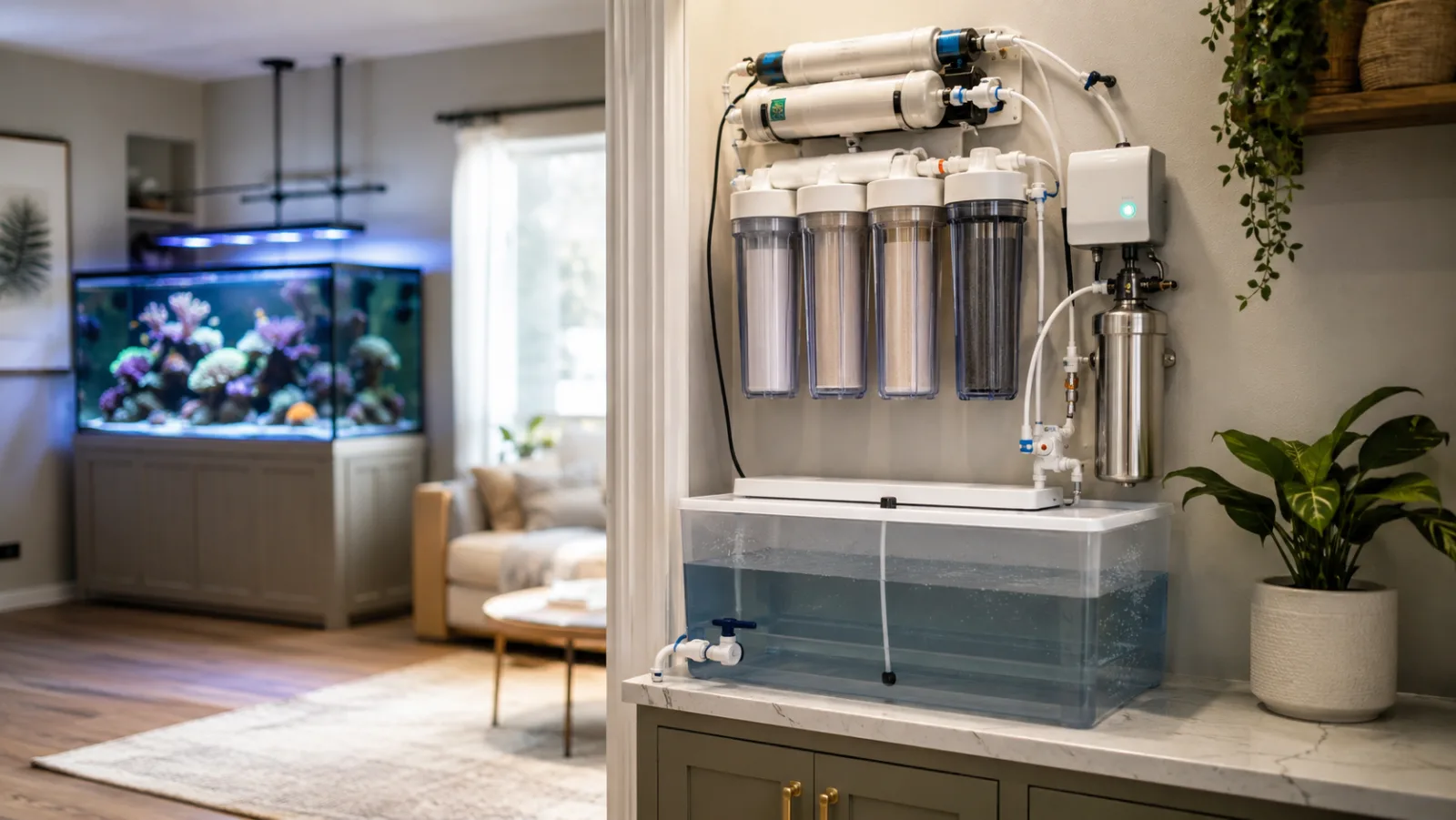
Best RO/DI Water Systems for Reef Aquariums (2026)
Aquarium
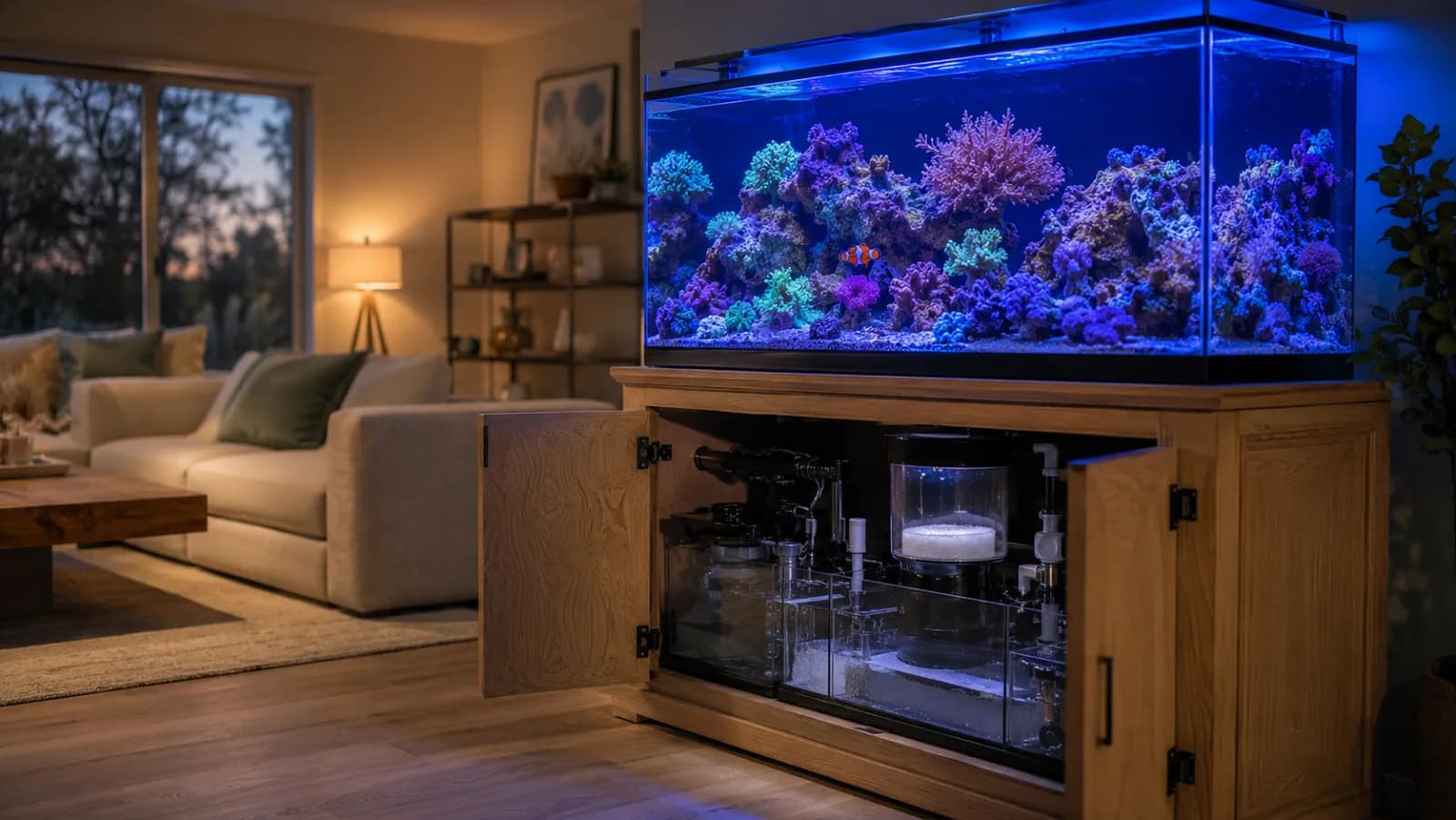
Best Protein Skimmers for Saltwater & Reef Tanks (2026)
Aquarium
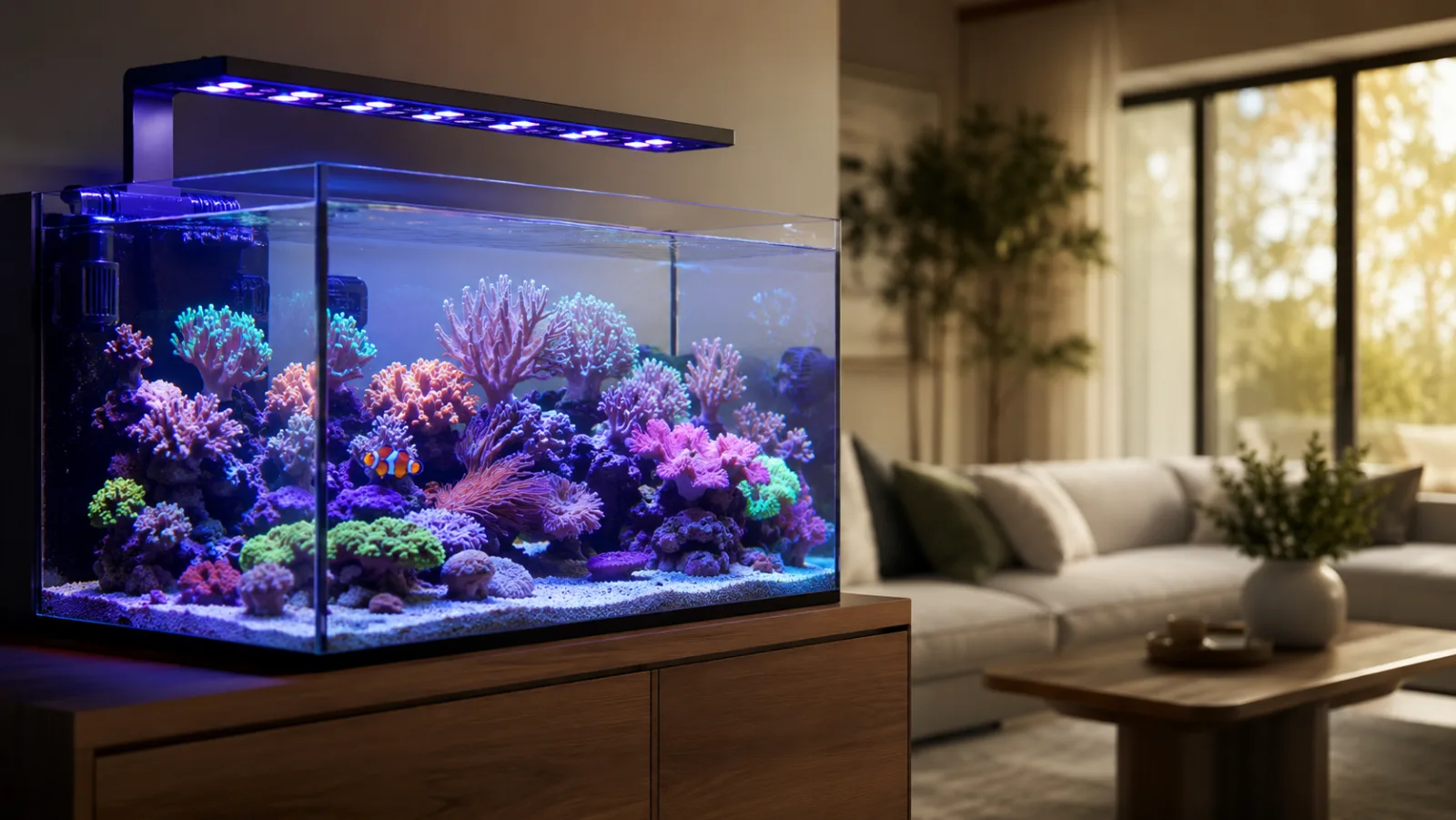
Best Reef Aquarium LED Lighting (2026): Kessil A360XE, AI Hydra 32 HD & Red Sea ReefLED G2
Aquarium
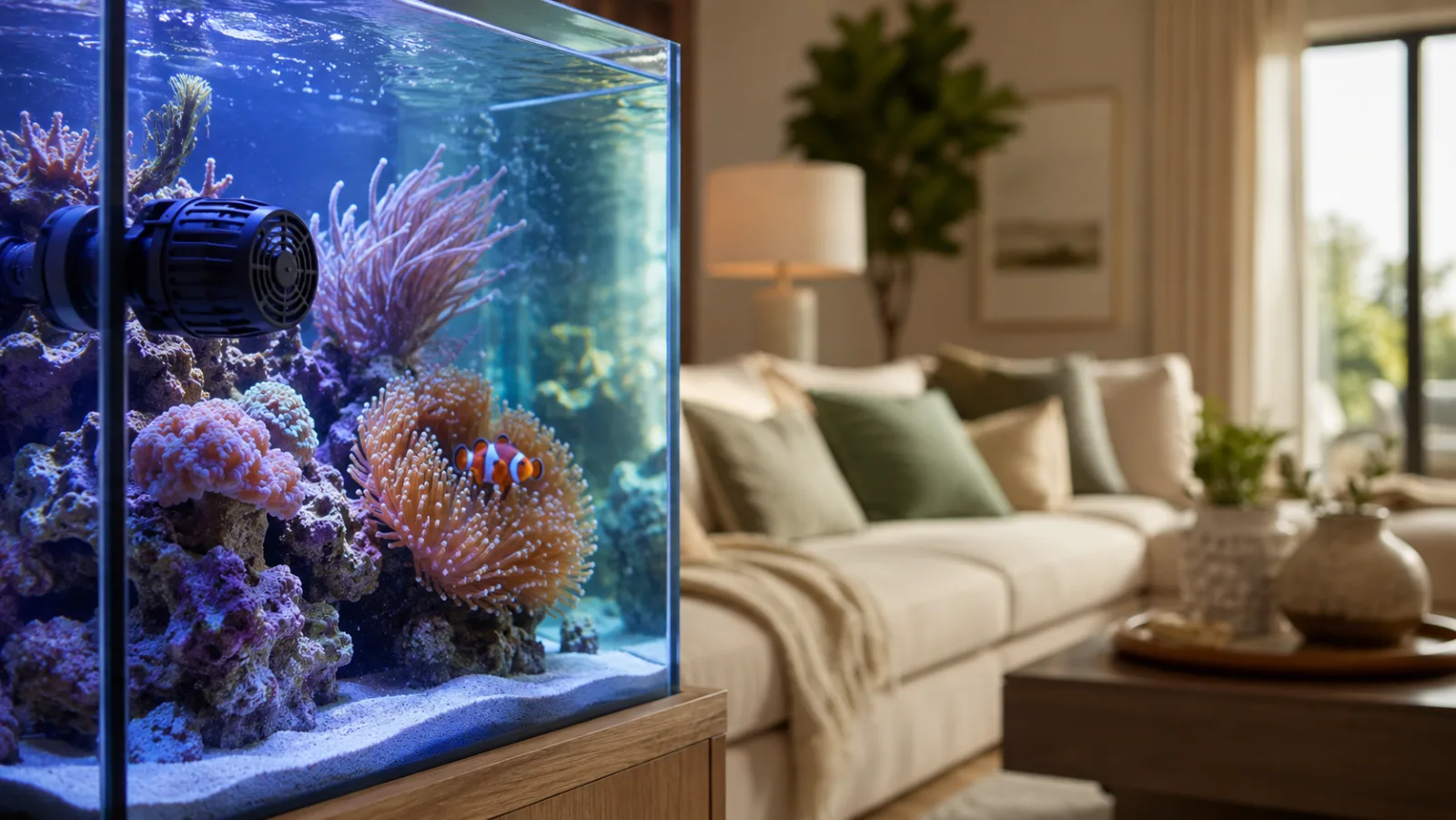
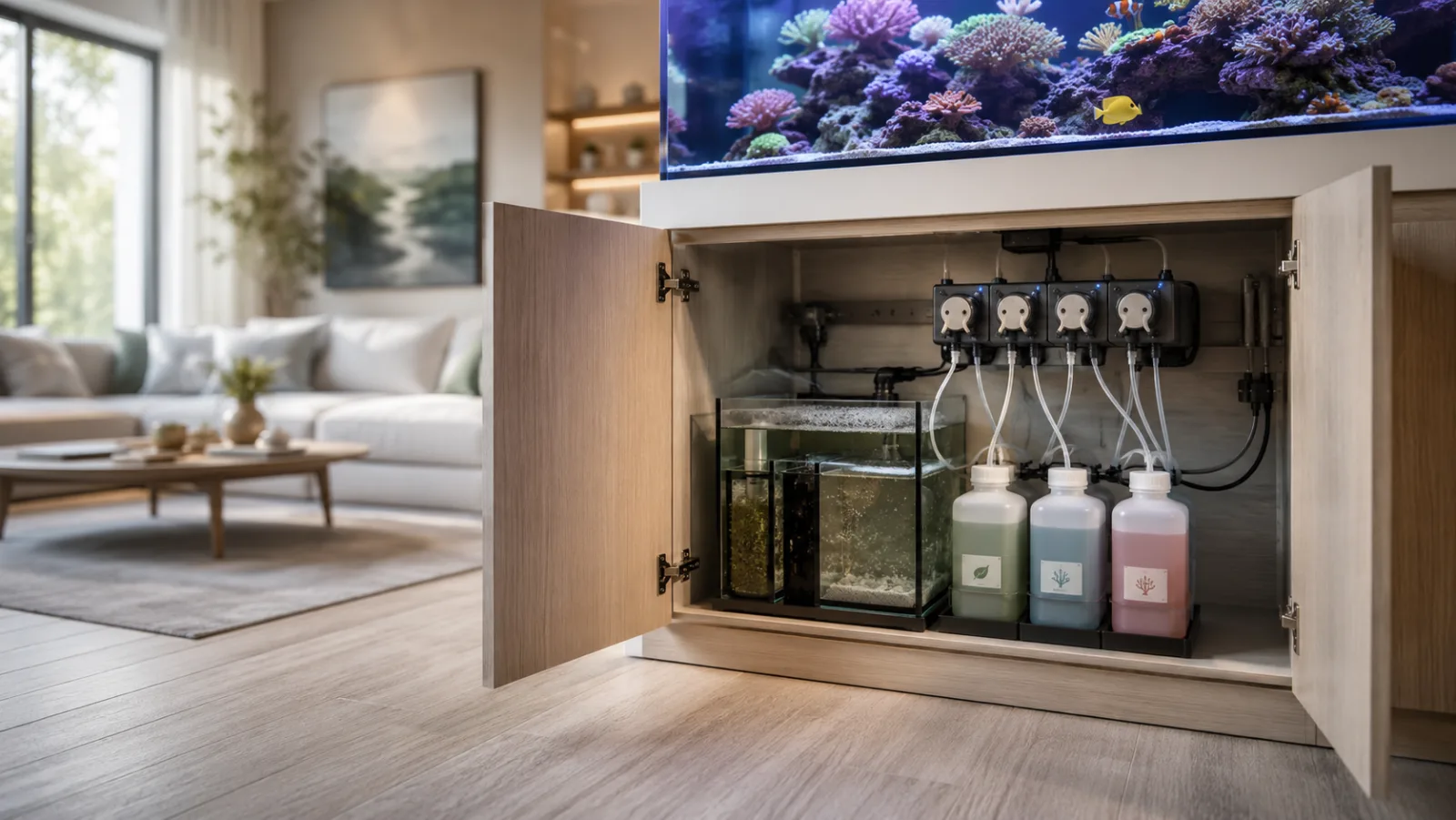
Best Reef Wavemakers & Powerheads (2026)
Aquarium
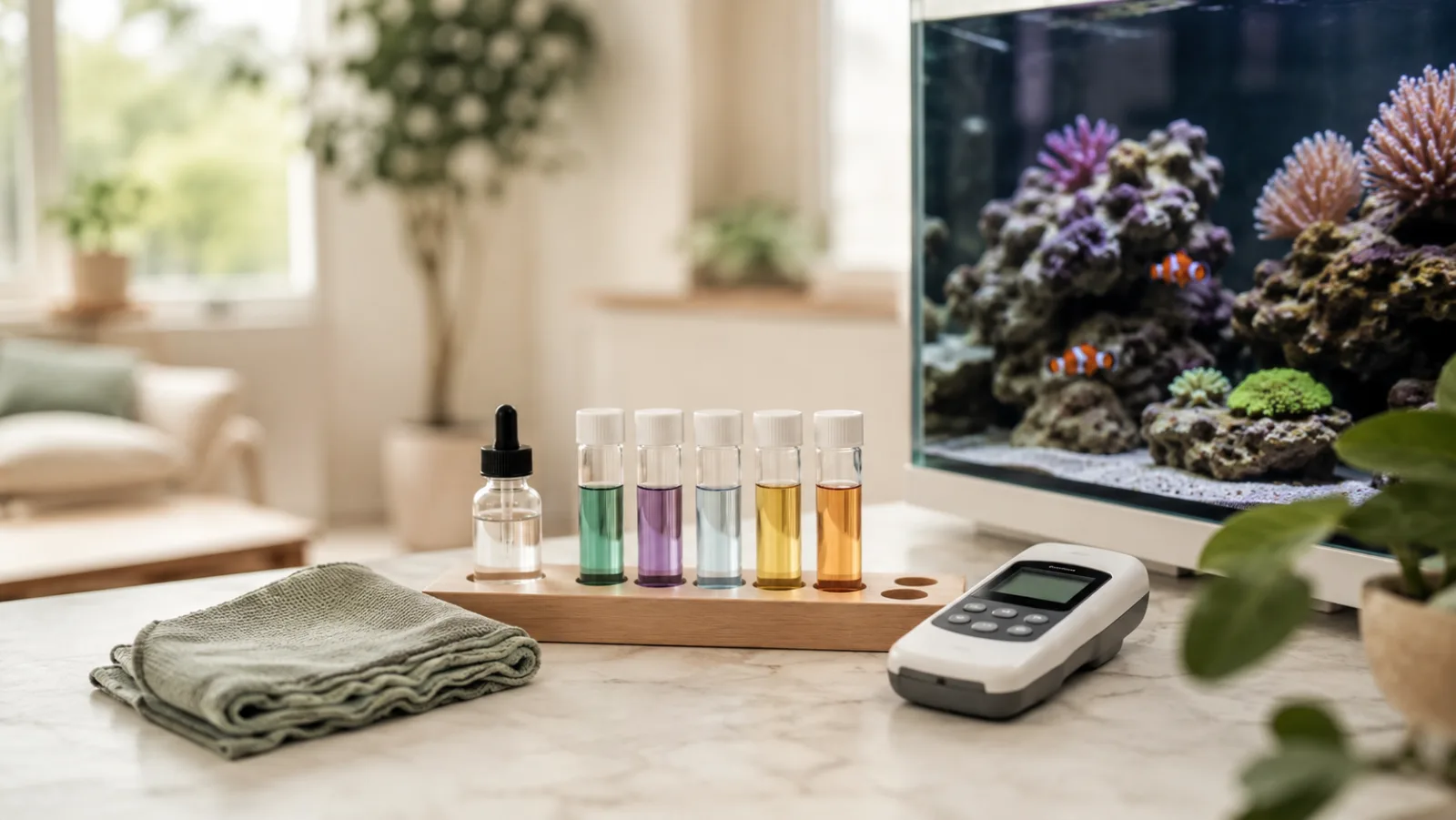
Best Reef Test Kits & Water Monitors (2026)
Aquarium