Cats & Dogs
At-Home Pet Health Monitoring Tools (2026): Smart Scales, Activity Trackers, and Smart Litter for Senior Pets
Greater Goods Smart Baby Scale is the synthesis pick for senior cats and small dogs; the W.C. Redmon Precision Digital Pet Scale is the synthesis pick for large dogs; FitBark 2 is the synthesis pick for activity trends. Editorial recommendations grounded in AAHA, AVMA, AAFP, and AJVR — not first-hand testing. Whistle is no longer a live recommendation: the platform shut down after acquisition by Tractive.
By Nick Miles · Updated August 10, 2026 · 13 min read
PetPalHQ is reader-supported. We may earn a commission from qualifying Amazon purchases at no extra cost to you.
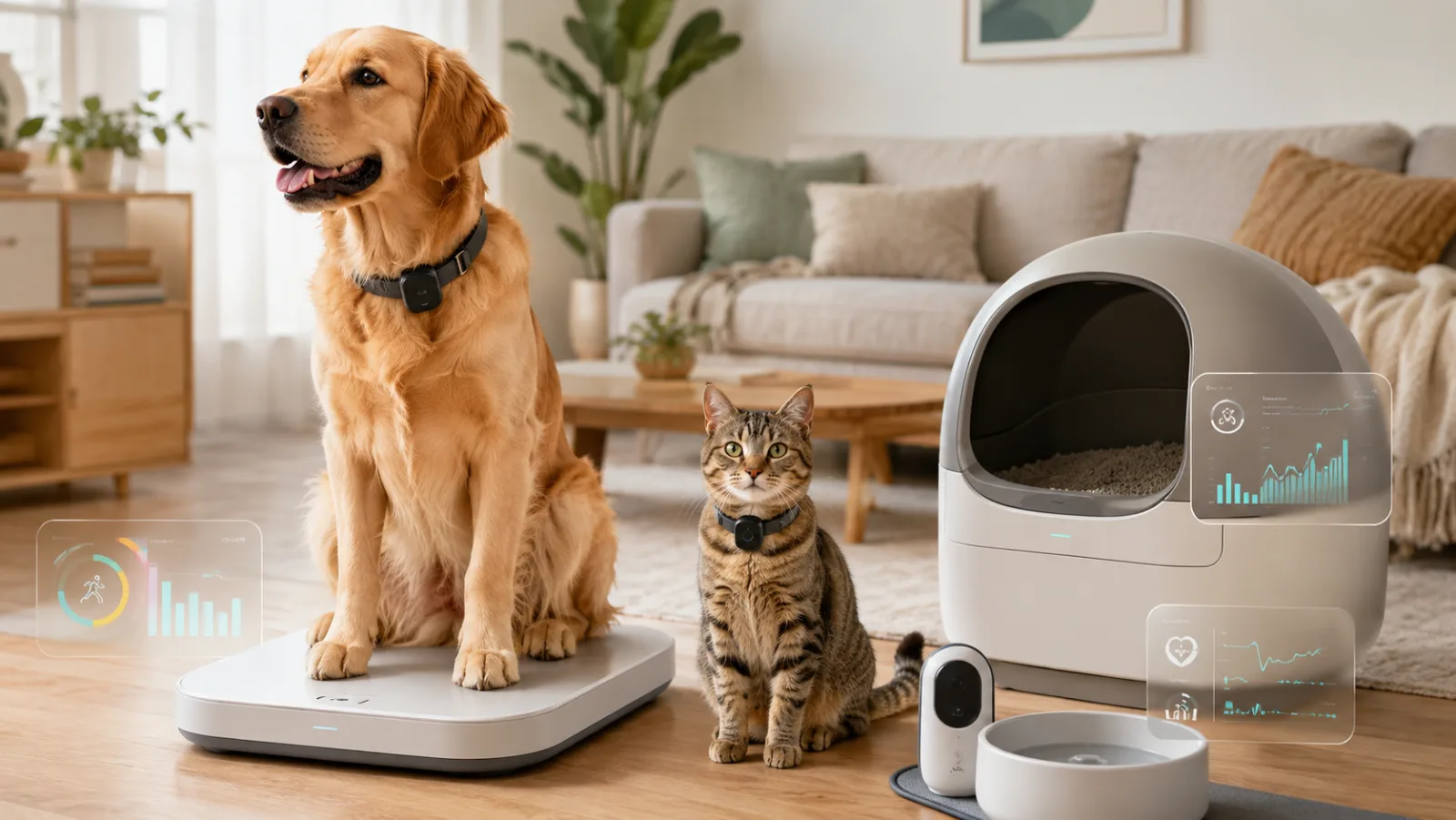
Evidence at a Glance
Greater Goods Smart Baby Scale
Purpose-built infant/pet scale up to 66 lb with a settling algorithm for moving subjects — the synthesis pick for senior cats, kittens, and small dogs.
Sources: Greater Goods manufacturer documentation, AAFP Senior Care Guidelines (home weighing for cats), AAHA 2023 Senior Care Guidelines and client toolkit
Verified May 5, 2026
W.C. Redmon Precision Digital Pet Scale
225 lb capacity, low non-slip platform pet scale — the synthesis pick for large-dog home weighing on a stable, walk-on surface.
Sources: W.C. Redmon manufacturer documentation, AAHA 2023 Senior Care Guidelines (home monitoring), AVMA — healthy weight and body condition resources
Verified May 5, 2026
FitBark 2
Activity, rest, and sleep trend tracker for dogs — the synthesis pick for non-GPS activity trends, used in peer-reviewed canine wearable research.
Sources: FitBark manufacturer documentation, AVMA — pet activity monitors as activity tracking, AJVR — 2024 pilot on commercially available wearable dog health monitors
Verified May 5, 2026
Our Picks
Greater Goods
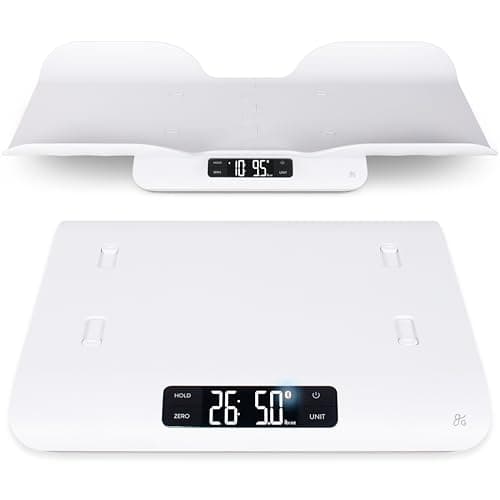
Greater Goods Smart Baby Scale
9.3 / 10
- Capacity up to 66 lb — covers cats, kittens, and most small-to-medium dogs
- 0.1 oz precision sensor with a settling algorithm for moving subjects, per Greater Goods
- Bluetooth sync to the gG Baby app for trend logging
- Low, flat platform geometry that doubles as a pet weighing surface
$57.99
W.C. Redmon
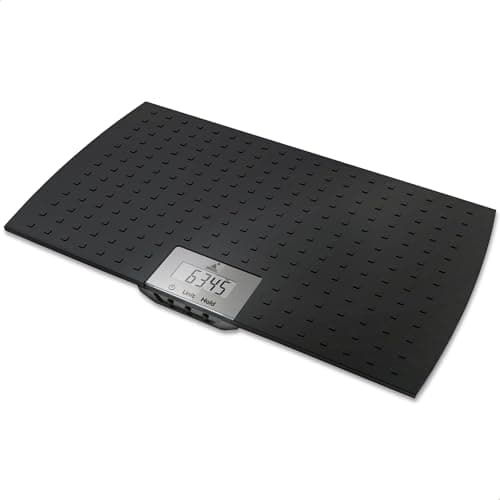
W.C. Redmon Precision Digital Pet Scale
9.0 / 10
- Capacity up to 225 lb — covers virtually every domestic dog
- Large non-skid mat platform sized for dogs to stand naturally
- Low step-on height — friendlier to arthritic and senior dogs than a bathroom scale
- Battery-powered digital readout per W.C. Redmon documentation
$98.99
FitBark
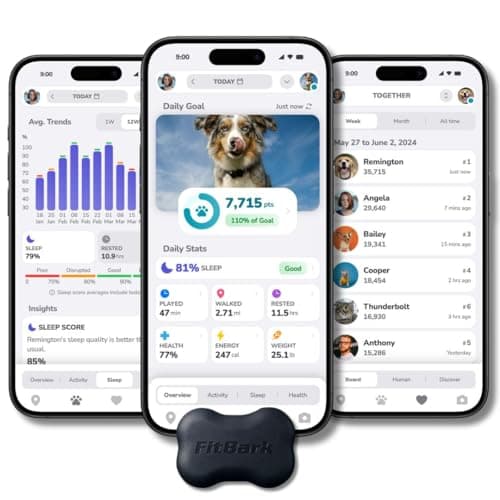
FitBark 2 Dog Activity Monitor
8.9 / 10
- Tracks activity, rest, and sleep trends for dogs — not GPS
- Waterproof, lightweight (~10 g) per FitBark documentation
- Multi-week battery life on a single charge
- Used in peer-reviewed canine wearable research
$49.95
Tractive
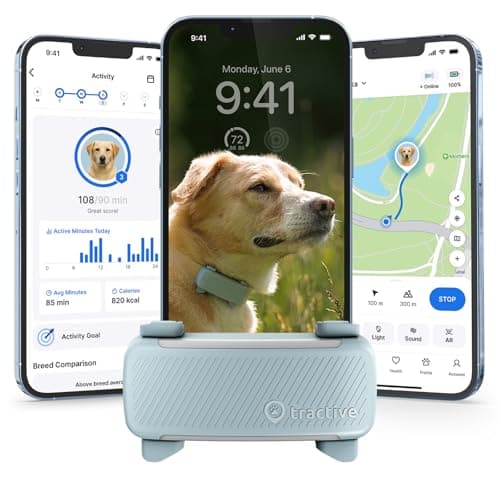
Tractive GPS Dog Tracker
8.6 / 10
- Live GPS with virtual-fence (geofence) alerts per Tractive
- Activity and sleep tracking as standard features
- Vital-signs monitoring — heart rate and respiratory rate on supported devices, per Tractive
- Subscription-based service (separate from hardware purchase)
$55.30
Fi
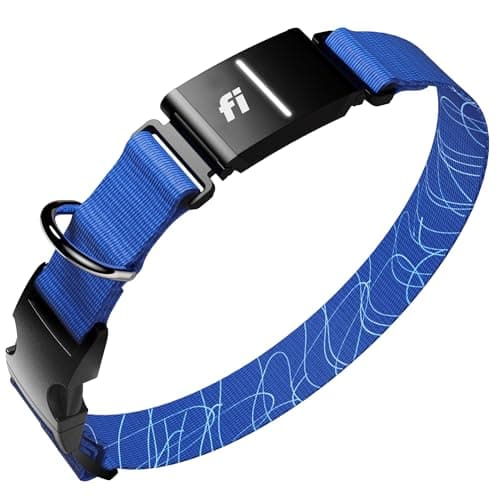
Fi New Series 3+ Smart Dog Tracker Collar
8.3 / 10
- Live GPS with escape alerts per Fi documentation
- Activity, sleep, and behavior monitoring built into the collar
- Apple Watch integration and LED visibility ring
- Bundle includes a 6-month membership at the listed price
$99.00
Withings
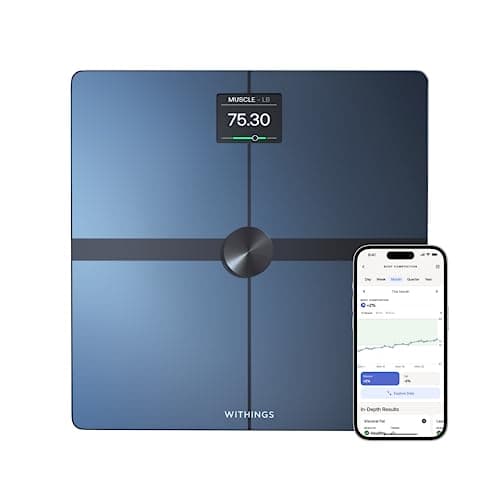
Withings Body Smart
7.9 / 10
- Smart bathroom scale with Wi-Fi and Bluetooth sync
- Withings Health Mate app trend logging — weighed-once, charted-over-time
- Baby Mode workflow lets the owner hold a small pet for a delta reading
- Apple Health compatible, per Withings documentation
$129.95
Whisker
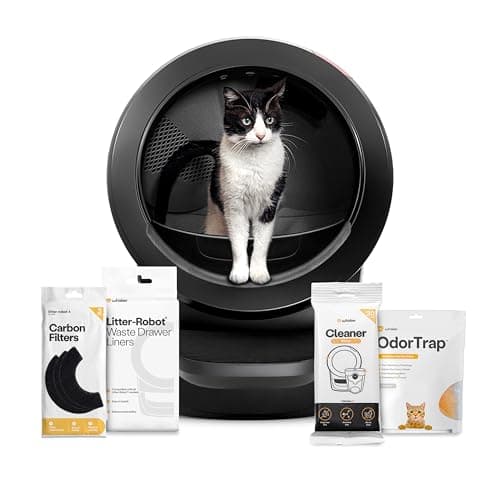
Litter-Robot 4 Insights Bundle
8.0 / 10
- Self-cleaning automatic litter box with in-app usage history per Whisker
- Cat weight estimation and bathroom-use pattern logging in the Whisker app
- Multi-cat household identification via in-app patterns
- Bundle includes OdorTrap refills, liners, cleaner wipes, and carbon filters
$749.00
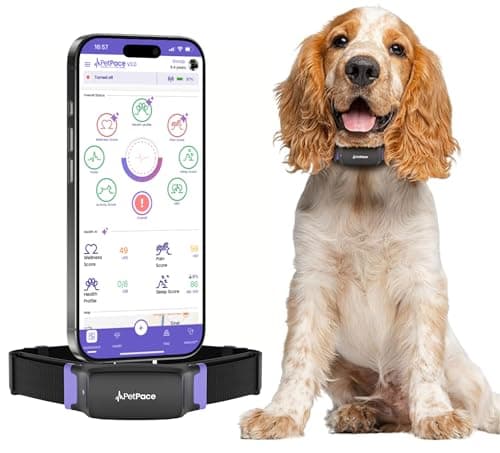
PetPace
PetPace V3.0 AI Health Collar (Medium)
8.8 / 10
- Continuous heart rate, respiration, temperature, pulse, and HRV every 2 minutes
- 24/7 AskaVet telehealth access and Share With Your Vet data reports
- GPS tracking and Apple Watch compatibility included
- Clinically validated over a decade of veterinary research per dvm360
$274.99
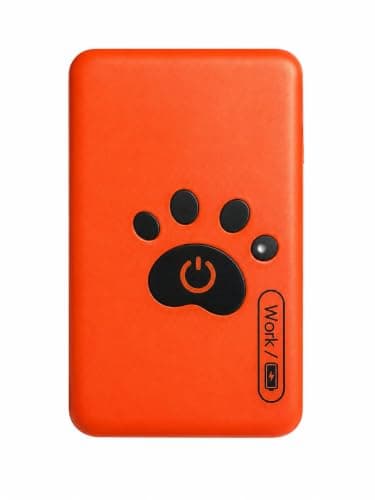
Clvior
Clvior Smart Dog Health Monitoring Collar
8.0 / 10
- Heart rate, respiratory, and HRV trend tracking via app
- No required monthly subscription
- Waterproof daily-wear build
- Comparable hardware price to PetPace, without the required recurring fee
$299.99
The Short Answer
At-home monitoring tools are early-signal trend trackers, not diagnostic devices. The 2023 AAHA Senior Care Guidelines and client toolkit specifically tell owners to track weight, appetite, and behavior at home. Bring trends — not single readings — to the vet. The AAFP senior-cat guidance says trends in biometric data are more valuable than any one data point. The AVMA calls a wearable pet activity monitor a fun way to track activity. A 2024 AJVR pilot found commercially available wearable dog health monitors correlate strongly only over longer durations — confirming these belong in trend-tracking, not diagnosis. For senior cats and small dogs, the synthesis pick is the Greater Goods Smart Baby Scale (purpose-built infant/pet scale, 66 lb capacity, settling algorithm). For large dogs, the synthesis pick is the W.C. Redmon Precision Digital Pet Scale (225 lb capacity, low non-slip platform). For activity and rest trends in dogs, the synthesis pick is the FitBark 2. Whistle is no longer a recommendable product. The Whistle service was shut down after Tractive acquired the company, per The Verge's reporting on the platform sunset. For a household that wants genuine continuous, medical-grade vitals rather than an activity trend — heart rate, respiration, HRV, and temperature checked every couple of minutes, with real telehealth attached — the premium tier above the GPS-and-activity collars is the PetPace AI Smart Collar ($299.00, subscription required, vet-grade and clinically validated over a decade of research) or, for a subscription-free continuous-vitals option, the Clvior Smart Dog Health Monitoring Collar ($299.99, no monthly fee). Neither replaces a vet visit; both push the trend-tracking framing this guide is built on further into genuine physiological monitoring than a step counter or a GPS ping can reach.
Every product on this list has been scored against the PetPal Gear Score, a weighted composite of expert consensus, observed effectiveness, animal safety, long-term durability, and value. Review method: Editorial synthesis of veterinary, trade-association, and peer-reviewed guidance — the 2023 AAHA Senior Care Guidelines and client toolkit, the AVMA's consumer guidance on healthy weight and pet activity trackers, the AAFP Senior Care Guidelines, a 2024 AJVR pilot study on commercially available wearable dog health monitors, manufacturer documentation from Greater Goods, Withings, W.C. Redmon, FitBark, Tractive, Fi, and Whisker (Litter-Robot 4), and current news reporting on the Whistle service shutdown. PetPalHQ does not run a testing lab.. Synthesized from 10+ expert sources.
At-home pet health monitoring tools are early-signal trend trackers, not diagnostic devices. The editorial point of this guide is to keep that distinction in plain view. The 2023 AAHA Senior Care Guidelines and AAHA's senior-care client toolkit specifically tell owners to build regular home checks into senior-pet care. Weight gain or weight loss trends are listed as one of the most useful signals to bring to the vet. The AAFP Senior Care Guidelines reinforce the framing from the cat side: trends in biometric data are more valuable than any single data point. AAFP explicitly notes that owners can weigh senior cats at home with a baby scale. The AVMA's consumer-facing materials add a complementary point, calling a wearable pet activity monitor a fun way to track activity — not a replacement for veterinary care.
Where the picture gets more honest is on accuracy. A 2024 AJVR pilot study on commercially available wearable dog health monitors found very strong correlation with reference measures only over longer durations. This lines up with everything else in this guide: trends, not single readings. That is also why the slate below is built around weight scales — the most repeatable home metric. It also includes an activity tracker validated in canine research, GPS-plus-health collars positioned as activity-and-location signal devices, and one smart-household monitoring ecosystem for cat-specific bathroom-use patterns. Whistle is intentionally absent from the recommendations. The platform was shut down after Tractive acquired the brand, per current reporting. Its inclusion in stale recommendation lists is exactly why this guide is dated on its checks.
PetPalHQ does not run a testing lab. Every recommendation below is editorial synthesis of veterinary guidance and manufacturer documentation, with sources cited by name throughout.
What to actually track
The AAHA 2023 Senior Care Guidelines, the AAHA senior-care client toolkit, the AAFP Senior Care Guidelines, and the AVMA's healthy-weight materials converge on a small list of metrics worth tracking at home. Treat these as a checklist, not as a diagnostic protocol.
- Body weight on a consistent schedule. AAHA's toolkit and AAFP's senior-cat guidance both call out home weight tracking as the highest-leverage at-home metric. AAFP additionally tells owners that a baby scale is appropriate for senior cats, and the AVMA materials frame body weight and body condition as core signals to track over time.
- Appetite and water-intake estimate. Owners cannot precisely measure water intake without a closed system. Recording roughly how much was offered and how much was left — daily for unstable pets, weekly for stable seniors — gives a usable trend.
- Litter-box use (cats) and bathroom frequency (dogs). AAFP specifically lists changes in litter-box use as an early signal in senior cats. Smart litter-box ecosystems like the Litter-Robot 4 surface those patterns, but a notebook works too.
- Sleep and activity trends. AVMA frames pet activity monitors as a way to track movement and rest. The AJVR 2024 pilot is the reminder that those trends are most useful over weeks, not days.
- Pain-behavior changes. The 2023 AAHA Senior Care Guidelines treat behavior change — reduced jumping, reluctance to climb stairs, new aggression around handling — as a pain signal, not a personality shift. Log when a behavior changes, not just whether it has — and for the behaviors that only happen in an empty house, a camera in the room is what turns "he seems fine when I am home" into a dated entry you can hand to the clinic.
- Medications. Adherence and timing matter for senior pets on chronic medications. A simple check-off log alongside the metrics above ties the trend chart to the treatment plan.
The unifying principle across AAHA, AAFP, AVMA, and AJVR is the same: home monitoring works best as a longitudinal trend pulled from consistent measurement, not as a single-day reading interpreted in isolation.
Comparison table
| Product | Form | Target species | Key features | Vet-recommended? | Amazon availability date-checked |
|---|---|---|---|---|---|
| Greater Goods Smart Baby Scale | Infant/pet scale | Cats, kittens, small dogs | 66 lb capacity, settling algorithm, app trend logging | Conditional | 2026-05-05 |
| W.C. Redmon Precision Digital Pet Scale | Large pet scale | Medium-large dogs | 225 lb capacity, low non-slip platform | Conditional | 2026-05-05 |
| FitBark 2 | Activity tracker (no GPS) | Dogs | Activity, rest, sleep trends; used in canine wearable research | Conditional | 2026-05-05 |
| Tractive GPS & Health | GPS + health collar | Dogs and cats | Live GPS, geofence, activity, sleep, vital-signs trends on supported hardware | Conditional | 2026-05-05 |
| Fi Series 3+ | GPS + activity collar | Dogs | Live GPS, escape alerts, activity/sleep trends, Apple Watch integration | Conditional | 2026-05-05 |
| Withings Body Smart | Human smart scale w/ Baby Mode | Small pets via held workflow | Smart trend logging, Apple Health, held-pet delta reading | Conditional | 2026-05-05 |
| Litter-Robot 4 Insights Bundle | Smart litter-box ecosystem | Cats | App-based use frequency, weight estimation, multi-cat differentiation | Conditional | 2026-05-05 |
Greater Goods Smart Baby Scale
Greater Goods documents a 66-lb capacity, a 0.1-oz precision sensor, and a settling algorithm designed to give a stable readout when a small subject moves on the platform. AAFP's Senior Care Guidelines specifically tell owners that a baby scale is an appropriate home tool for weighing senior cats. That framing — rather than the smart-home gloss — is the editorial reason this is the lead scale recommendation for cats, kittens, and small dogs.
W.C. Redmon Precision Digital Pet Scale
The W.C. Redmon Precision Digital Pet Scale is the synthesis pick for medium-to-large dogs. Its 225-lb capacity, low step-on height, and non-slip platform handle the most common at-home weighing failure mode: a dog that will not stand still on a small or unstable surface. The AAHA 2023 Senior Care Guidelines and AVMA healthy-weight materials both frame home weight tracking as part of senior-pet care. The Redmon delivers a walk-on geometry that supports that workflow.
FitBark 2
FitBark's manufacturer documentation positions the FitBark 2 as a non-GPS activity, rest, and sleep trend tracker, and the brand emphasizes research adoption. A 2024 AJVR pilot on commercially available wearable dog health monitors found strong correlation with reference measures over longer durations — a direct reinforcement of the AVMA framing that activity trackers are activity trackers, not clinical sensors. For owners who want non-GPS trend tracking on a dog, this is the cleanest fit.
FitBark GPS
FitBark also sells a GPS-plus-activity device aimed at owners who want one collar to handle both location and behavior trends. FitBark's own store carries it directly, listing the FitBark GPS as its "GPS + Health Monitor" alongside the FitBark 2 "Health Monitor," so go to the brand's store for the GPS variant and expect a subscription line on top of the hardware. This guide keeps FitBark GPS out of the primary slate for that reason: it is a brand-direct purchase with a recurring fee attached, which is a different buying decision from the one the slate is built to answer.
Tractive GPS & Health
Tractive's manufacturer materials position the device as a live GPS with virtual-fence alerts, activity and sleep tracking, and — on supported hardware — heart-rate and respiratory-rate trend monitoring. Tractive is also the company that absorbed the Whistle market after acquiring the brand, which makes it the live successor for owners who previously relied on Whistle. Treat the vital-signs features as a trend layer, not a clinical alert system; the AJVR 2024 pilot's longer-duration framing applies here too.
Fi Series 3+
Fi's Series 3+ documentation emphasizes live GPS, escape alerts, activity and sleep monitoring, and Apple Watch integration on a compact, dog-collar form factor. The bundled six-month membership at the listed retail price is the practical answer to the subscription friction inherent in this category. Owners who specifically want a polished app and Apple Watch integration, and who are evaluating the platform, are exactly Fi's audience.
Withings Body Smart
The Withings Body Smart is a smart bathroom scale with a Baby Mode workflow that supports a held-pet delta reading. Withings positions the scale as Apple Health compatible with Wi-Fi and Bluetooth trend logging in the Health Mate app. This is a conditional pet pick — useful when a household already owns one. It is less appropriate as a purpose-first purchase for senior-pet weighing. The Greater Goods Smart Baby Scale is the cleaner fit.
Litter-Robot 4 Insights Bundle
Whisker's Litter-Robot 4 Insights Bundle is in this guide as a smart-household monitoring ecosystem, not as a generic litter-box recommendation. The Whisker app surfaces use frequency, per-visit weight estimates, and multi-cat differentiation — all signals AAHA's senior-care toolkit and AAFP's Senior Care Guidelines call out as worth tracking. The price ceiling is real; the value depends on the household's actual demand for that data.
Premium continuous-vitals wearables: PetPace and Clvior
Everything above this section is an activity, weight, or bathroom-use trend tracker — genuinely useful, but none of it checks a pet's actual vital signs continuously. The PetPace AI Smart Collar and the Clvior Smart Dog Health Monitoring Collar are a different tier: both track heart rate, respiration, and heart-rate variability on a continuous basis rather than sampling activity counts.
PetPace is the vet-connected option. Independent veterinary trade coverage from dvm360 confirms the underlying technology carries more than a decade of clinical-research validation, and the collar bundles 24/7 AskaVet telehealth plus a Share With Your Vet function that hands a veterinarian the continuous trend history directly. That is a genuinely different tool for a senior pet with a chronic condition or one recovering from surgery — at a real cost: $299.00 in hardware plus a required $25-per-month subscription to unlock the vitals and telehealth.
Clvior covers the same broad vitals category — heart rate, respiratory patterns, HRV, activity — without a required monthly fee, at $299.99, nearly identical hardware pricing to PetPace's $299.00. For a household that wants continuous physiological trend data without PetPace's required $25-per-month subscription, it is the honest no-subscription alternative in this same premium tier. What PetPace's $25 a month buys on top of the hardware is the bundled AskaVet telehealth and the clinical-validation record dvm360 describes — decide whether those two things are worth $300 over three years before you choose between them. Both remain trend tools, not diagnostic devices — the same AJVR-grounded framing that governs every other pick in this guide applies here too.
How to use safely
Home monitoring is most useful when the cadence and the interpretation are right. The synthesis below maps to AAHA's senior-care toolkit, AAFP's Senior Care Guidelines, AVMA consumer guidance, and the AJVR 2024 wearable pilot.
- Weighing cadence. Weekly for frail cats, post-illness pets, and any senior pet on a weight-management plan. Monthly for stable seniors. Use the same scale, in the same spot, at roughly the same time of day. Track a moving average, not a single number.
- Activity-trend cadence. AVMA's framing of activity trackers and the AJVR 2024 pilot both push toward longer-duration reads. Look for sustained shifts over weeks. A single low-activity day on a wearable is noise.
- Litter-box and bathroom-use. AAFP specifically calls out litter-box change as a senior-cat signal. Whether you log it manually or use a smart litter box like the Litter-Robot 4, look for sustained pattern change — not a single off day.
- When to escalate. A persistent weight drop, a sustained activity decline, a behavior change that persists for more than a few days, or a medication-adherence problem all warrant a vet call. AAHA's senior-care guideline frames home monitoring as adjunct to veterinary care; do not let trend visibility become a reason to delay an exam.
The unifying rule is AAFP's: trends, not single readings.
What we don't recommend
- Whistle hardware and recommendation lists that still treat it as active. The Whistle service was shut down following Tractive's acquisition of the brand, per The Verge's reporting on the platform sunset. Pre-owned hardware is a non-recommendation, and any roundup that still lists Whistle as a current product is a signal to check the publication date. Tractive itself is the live successor in the GPS-plus-health category.
- Wearables that hide core monitoring behind undisclosed subscriptions. The total-cost picture for a connected device is the hardware plus the subscription. The editorial bar is straightforward: if a device's headline features become inert without a recurring fee, the subscription cost belongs in the buying decision.
- Human body-composition metrics applied to pets. Withings, similar smart scales, and many fitness-tracker apps surface body-fat percentage or BMI-style scores derived from human bioimpedance models. Those numbers are not directly meaningful for cats and dogs; treat the weight reading as the actionable metric and ignore the rest.
- Scales that are too small, too tall, or too unstable for the patient. AAFP recommends a baby scale for senior cats specifically because measurement design matters. A small, low, flat platform with a settling algorithm produces repeatable readings. A tall or wobbly surface does not. The same principle applies to large-dog scales: low step-on height, non-slip surface, and capacity headroom are the actual product quality signals.
Head-to-Head Comparison
| Feature | Greater Goods Smart Baby Scale | W.C. Redmon Precision Digital Pet Scale | FitBark 2 Dog Activity Monitor | Tractive GPS Dog Tracker | Fi New Series 3+ Smart Dog Tracker Collar | Withings Body Smart | Litter-Robot 4 Insights Bundle | PetPace V3.0 AI Health Collar (Medium) | Clvior Smart Dog Health Monitoring Collar |
|---|---|---|---|---|---|---|---|---|---|
| Form factor | Infant/pet scale | Large pet scale | Activity tracker (no GPS) | GPS + health collar | GPS + activity collar | Human smart scale w/ Baby Mode | Smart litter-box ecosystem | Continuous vitals collar | Continuous vitals collar |
| Target species | Cats, small dogs | Medium-large dogs | Dogs | Dogs and cats | Dogs | Small pets via held workflow | Cats | Dogs (and cats, per PetPace) | Dogs |
| Capacity / scope | 66 lb | 225 lb | Activity, rest, sleep trends | Live GPS + activity + vitals | Live GPS + activity + sleep | Bathroom scale w/ delta workflow | Use history + weight trends | Heart rate, breathing, temp, pulse, HRV every 2 min + telehealth | Heart rate, respiratory, HRV, activity trends |
| Subscription required? | No | No | App-based, free tier | Yes (Tractive plan) | Yes (Fi plan; 6 mo bundled) | Free Health Mate app | App-based; service tiers | Yes ($25/mo billed annually) | No |
| Vet-recommended? | Conditional | Conditional | Conditional | Conditional | Conditional | Conditional | Conditional | Conditional (built-in telehealth) | Conditional |
| Amazon availability date-checked | 2026-05-05 | 2026-05-05 | 2026-05-05 | 2026-05-05 | 2026-05-05 | 2026-05-05 | 2026-05-05 | 2026-07-27 | 2026-07-27 |
| Check price | Amazon | Amazon | Amazon | Amazon | Amazon | Amazon | Amazon | Amazon | Amazon |
$57.99
- Capacity up to 66 lb — covers cats, kittens, and most small-to-medium dogs
- 0.1 oz precision sensor with a settling algorithm for moving subjects, per Greater Goods
- Bluetooth sync to the gG Baby app for trend logging
- Low, flat platform geometry that doubles as a pet weighing surface
The Greater Goods Smart Baby Scale is the cleanest fit in this slate for the senior-cat and small-dog use case the AAFP Senior Care Guidelines explicitly call out. AAFP guidance and the AAHA 2023 Senior Care Guidelines both emphasize that owners can — and should — track weight at home for senior pets, and AAFP specifically tells owners that a baby scale is an appropriate home tool for weighing small pets when stepping on a human scale would be unstable.
Greater Goods documents a 66 lb capacity, a 0.1 oz precision sensor, and a settling algorithm designed to give a usable readout when a baby moves on the platform. For senior-pet purposes, that settling logic is exactly what a small dog or cat needs: the alternative is a number that drifts every time the pet shifts weight, which makes the trend impossible to read. The Bluetooth sync to the gG Baby app is editorially convenient — owners can graph the trend instead of writing it down — but the value here is the platform itself, not the smart-home framing.
What manufacturer documentation does not spell out: the AAFP framing matters more than the smart features. The AAFP says trends in biometric data are more valuable than a single data point, and that is a reminder for owners not to over-react to a half-pound day-to-day fluctuation. Use this as the lead scale recommendation for senior cats, kittens, and small dogs, and weigh on a consistent schedule.
What We Love
- Purpose-built for low body weights — better than a bathroom scale for cats
- Settling algorithm is exactly what a moving senior cat needs
- App trend logging removes the spreadsheet step
- Lowest, flattest platform in the slate — easy step-on for arthritic pets
What Could Be Better
- 66 lb cap rules out medium-to-large dogs
- App ecosystem is built for human babies, not pets
- Bluetooth-only — no native pet weight charting
The Verdict
The synthesis pick when the patient is a senior cat or small dog. Best fit for owners who want a real pet-appropriate weighing platform rather than a workaround on a human scale.
$98.99
- Capacity up to 225 lb — covers virtually every domestic dog
- Large non-skid mat platform sized for dogs to stand naturally
- Low step-on height — friendlier to arthritic and senior dogs than a bathroom scale
- Battery-powered digital readout per W.C. Redmon documentation
The W.C. Redmon Precision Digital Pet Scale is the right large-dog answer for the most common at-home weighing problem. The AAHA 2023 Senior Care Guidelines and the AVMA's healthy-weight guidance both flag it: owners who try to weigh by holding the dog on a human scale end up with numbers that fluctuate with how the dog leans. Redmon documents a 225 lb capacity, a non-slip platform, and a low step-on height. That combination of capacity, surface area, and traction is the difference between a usable weekly trend and a number you stop trusting after the third reading.
Why this geometry matters editorially: the AAHA 2023 Senior Care Guidelines and the AAHA-aligned client toolkit both stress that home weight tracking is part of senior-pet care, and the AVMA's consumer materials on healthy weight tell owners that body weight and body-condition trends are useful adjuncts to vet visits. None of that works if the dog will not step on the scale. A flat, wide, low platform with a non-slip surface is the actual pre-condition for a working at-home weight series.
What manufacturer documentation does not tell you: a stable read on a large dog still depends on the dog standing still for a few seconds. AAFP's "trends matter more than single readings" point applies to dogs too — log a weekly average, not a one-off, especially for an active or anxious senior dog.
What We Love
- Highest capacity in the slate — covers giant breeds
- Walk-on form factor instead of a held-pet workaround
- Non-slip platform addresses the most common reading-instability complaint
- Manufacturer documentation aligns with AAHA/AVMA at-home tracking framing
What Could Be Better
- Large platform footprint requires storage planning
- Battery-powered digital readout — no native app sync
- Overkill for cats and most small dogs
The Verdict
The synthesis pick when the patient is a medium-to-large or giant-breed senior dog. Best fit for owners who want a stable, walk-on surface rather than a held-pet workaround on a bathroom scale.
$49.95
- Tracks activity, rest, and sleep trends for dogs — not GPS
- Waterproof, lightweight (~10 g) per FitBark documentation
- Multi-week battery life on a single charge
- Used in peer-reviewed canine wearable research
FitBark 2 is the strongest non-GPS activity-only pick in this slate because it sits at the intersection of consumer availability and actual research adoption. FitBark's manufacturer materials document waterproof construction, light weight, and multi-week battery life, and the brand emphasizes that researchers have used FitBark devices in studies — including the kind of trend-tracking research the AVMA's consumer materials describe when they call wearable pet activity monitors a fun way to track activity.
The limit matters as much as the capability. A 2024 AJVR pilot on commercially available wearable dog health monitors found that correlation with reference measures was very strong only over longer durations. This lines up with the AAHA 2023 Senior Care Guidelines and AAFP senior-cat guidance: trends, not single readings. Use FitBark 2 to spot a sustained drop in activity or a change in resting pattern over weeks, not to diagnose pain on a single quiet day.
For owners who do not need GPS, this is the cleanest editorial pick. FitBark also sells a GPS-plus-activity device, discussed in the body prose below. The GPS variant does not have a distinct, canonical Amazon listing today, so it lives in body context, not in this slate.
What We Love
- Activity and rest trends, not just step counts
- Used in peer-reviewed canine wearable research per FitBark
- Lightweight enough for small dogs
- No GPS subscription locked-in for owners who only want trends
What Could Be Better
- Dogs only — no senior-cat fit
- Not a diagnostic sensor — AJVR research treats it as a trend tracker
- App ecosystem is the value proposition; subscription tiers can change
The Verdict
The synthesis pick when the metric you want is dog activity and rest trends without GPS overhead. Best fit for owners running a rehab program, monitoring an arthritic dog, or comparing pre- and post-intervention behavior.
$55.30
- Live GPS with virtual-fence (geofence) alerts per Tractive
- Activity and sleep tracking as standard features
- Vital-signs monitoring — heart rate and respiratory rate on supported devices, per Tractive
- Subscription-based service (separate from hardware purchase)
Tractive earns the GPS-plus-health slot because its current manufacturer materials emphasize the early-signal framing this guide is built on: live location, virtual fence, activity, sleep, and — on supported hardware — heart-rate and respiratory-rate trends. None of that is a clinical monitor, and Tractive's positioning is appropriately careful about that. But it does give an owner of an active or escape-prone senior pet a single device that handles "did the cat get out" and "is the dog's resting pattern shifting" at the same time.
Editorially, this fits the AVMA framing of activity trackers as activity trackers — a fun way to track movement — paired with the AAHA Senior Care Guidelines' emphasis on home monitoring of behavior. The vital-signs trends should be read in the same trends-not-diagnoses framework as everything else in this guide. If the resting heart-rate trend shifts persistently, that is a reason to schedule a vet visit, not a reason to self-diagnose.
The honest tradeoff is the subscription. Tractive's location and most health features depend on a paid plan. Owners who only want non-GPS activity trends will get more value from the FitBark 2 above; owners who specifically need location plus trend tracking are exactly the use case Tractive is designed for.
What We Love
- Single device for live GPS, geofence, activity, sleep, and (on supported hardware) vitals
- Works for dogs and cats, per Tractive product positioning
- Strong editorial fit for escape-prone or outdoor pets
- Tractive is the company that absorbed Whistle's market, so the platform is the clear successor
What Could Be Better
- Subscription required for live location and most health insights
- Vital-signs features vary by device — read the spec sheet before buying
- Not a clinical monitor; trend interpretation belongs with a vet
The Verdict
The synthesis pick when one device has to cover both location and health trend tracking. Best fit for active, escape-prone, or outdoor senior pets — and a non-fit for couch-only seniors who do not need GPS.
$99.00
- Live GPS with escape alerts per Fi documentation
- Activity, sleep, and behavior monitoring built into the collar
- Apple Watch integration and LED visibility ring
- Bundle includes a 6-month membership at the listed price
Fi is the subscription-forward GPS-plus-activity competitor in this slate. The current Fi Series 3+ documentation emphasizes live GPS, escape alerts, activity and sleep trends, behavior monitoring, Apple Watch compatibility, and an LED visibility ring on the collar itself, with a six-month membership bundled into the listed retail price.
Why this earns inclusion despite overlap with Tractive: Fi has historically optimized for fit, battery life, and a clean app, and the Apple Watch integration is genuinely useful for caregivers who already live in that ecosystem. The editorial caveat is the same as Tractive's: the GPS and most behavior insights depend on a continuing subscription, and shoppers should know the total-cost picture before buying. Fi's bundled six months softens that, but does not remove it.
For senior dogs specifically, the value proposition is "is my dog moving less than usual" surfaced alongside "where is my dog right now." That fits the AAHA 2023 Senior Care Guidelines' framing of behavior change as an early signal worth tracking — but, again, as a signal, not as a diagnosis. Owners who only need activity trends should look at FitBark 2 first.
What We Love
- Compact, dog-collar form factor with LED visibility
- Apple Watch integration is meaningful in that ecosystem
- Six-month membership bundled at the listed price reduces sticker shock
- Fits the AAHA early-signal framing for active senior dogs
What Could Be Better
- Subscription is the long-term cost, not the hardware
- Cat fit is limited — Fi is built around dog collars
- Behavior insights are trend tools, not clinical alerts
The Verdict
The synthesis pick when the use case is GPS plus activity for an active senior dog and the household values app polish and Apple Watch fit. A non-fit for cats and for owners who want activity trends without a subscription.
$129.95
- Smart bathroom scale with Wi-Fi and Bluetooth sync
- Withings Health Mate app trend logging — weighed-once, charted-over-time
- Baby Mode workflow lets the owner hold a small pet for a delta reading
- Apple Health compatible, per Withings documentation
The Withings Body Smart is a conditional pet pick, and that framing matters. This is a human bathroom scale with a Baby Mode workflow that Withings designed for weighing infants by having the parent step on, then step on while holding the baby, and computing the difference. Owners can use the same workflow for a small cat or toy dog they can lift safely, which makes Body Smart useful for trend tracking when a household already owns one.
The reason this is not a top recommendation is the design intent. AAFP Senior Care Guidance specifically frames the use of a baby scale for cats as a measurement-stable home option, and a held-pet workflow on a human scale is a practical workaround, not a measurement-design solution. It is also harder on the owner — lifting a 14-year-old arthritic cat for a weekly weigh-in is more disruptive than placing the same cat on a low platform.
The honest framing for this slate: if you already own a Withings or comparable smart scale, you can absolutely use it for a small pet's monthly trend. If you are buying a new device specifically to track a senior pet's weight, the Greater Goods Smart Baby Scale is the better-fit purchase.
What We Love
- Strong app trend logging if a Withings or similar scale is already in the home
- Apple Health compatibility for caregivers who chart their own data
- Baby Mode workflow gives a usable delta reading for small pets
- Acceptable trend tool for households that do not want a dedicated pet scale
What Could Be Better
- Held-pet workflow is harder on arthritic seniors than a low platform
- Not a pet-specific weighing platform — measurement design is human-first
- Premium price for a use case Greater Goods covers more cleanly
The Verdict
The synthesis pick when a Withings-class smart scale is already in the household and the pet is small enough to hold safely. A non-fit when buying purpose-first for a senior pet — choose Greater Goods instead.
$749.00
- Self-cleaning automatic litter box with in-app usage history per Whisker
- Cat weight estimation and bathroom-use pattern logging in the Whisker app
- Multi-cat household identification via in-app patterns
- Bundle includes OdorTrap refills, liners, cleaner wipes, and carbon filters
Litter-Robot 4 earns inclusion not as a general litter-box recommendation, but as a smart-household-monitoring ecosystem for cat owners who want bathroom-use patterns and weight trends surfaced in the Whisker app. Whisker's manufacturer materials emphasize use-history logging, weight estimation per visit, and multi-cat differentiation in app analytics. For senior-cat households, that is the early-signal layer the AAHA 2023 Senior Care Guidelines and AAFP Senior Care Guidelines both describe — change in litter-box use is one of the listed indicators senior-cat owners should track at home.
The reason this is here as monitoring infrastructure, not as a litter-box pick, is that this guide is about trend tracking. The Whisker app is genuinely useful at surfacing "this cat used the box less this week" or "this cat's recorded weight is trending down." That is exactly the early-signal framing AAFP recommends. It is not a urinary-disease, diabetes, or pain diagnostic, and the editorial bar for any smart litter box is the same: it makes patterns visible, but a vet still has to interpret the patterns.
Litter-Robot 4 is the highest-priced pick in the slate, and that price has to be justified by the household's actual demand for bathroom-use data. Multi-cat homes and highly data-oriented owners will get more from the Whisker app than households that just want to scoop less.
What We Love
- Surfaces in-app use frequency, weight estimates, and multi-cat patterns
- Strong fit for AAHA/AAFP early-signal framing for senior cats
- Reduces scooping burden as a side benefit
- Bundle includes consumables to reach steady-state use immediately
What Could Be Better
- Highest-priced item in this slate by a wide margin
- Smart-litter data is a signal layer, not a diagnostic device
- Cats with strong substrate or shape preferences may resist enclosed designs
The Verdict
The synthesis pick when smart bathroom-use and weight monitoring justify the price as part of household monitoring. Best fit for multi-cat or data-forward households tracking senior cats; a non-fit for cost-sensitive households or pets that do not adapt to enclosed boxes.
$274.99
- Continuous heart rate, respiration, temperature, pulse, and HRV every 2 minutes
- 24/7 AskaVet telehealth access and Share With Your Vet data reports
- GPS tracking and Apple Watch compatibility included
- Clinically validated over a decade of veterinary research per dvm360
Every other device in this guide is an activity or weight trend tracker. PetPace is a different category: a continuous, multi-parameter vitals collar checking heart rate, breathing, temperature, pulse, and heart-rate variability every two minutes, with AI built specifically to detect pain, stress, and early illness signals rather than just log steps. dvm360's independent trade coverage confirms the underlying technology carries more than a decade of clinical-research validation at veterinary institutions — a materially different pedigree than a consumer activity band.
The AskaVet telehealth layer is the other reason this earns a premium-tier slot: PetPace bundles 24/7 access to licensed vets who can review the collar's continuous data directly, and a Share With Your Vet function that hands your own veterinarian the trend history rather than a verbal summary at a six-month exam. For a senior pet with a chronic condition, or one recovering from surgery, that continuous data stream is a genuinely different tool than an activity-trend wearable.
The honest cost: $299.00 in hardware plus a required subscription — $25/month billed annually, $200/year thereafter — to unlock the vitals, telehealth, and AI alerting that are the entire reason to buy it. That is real money for real, clinically-grounded data; a household that only wants step counts and sleep trends is better served by the FitBark 2 above at a fraction of the cost. Two more disclosures: this listing showed limited stock at time of check, and it is sold by a third-party Amazon marketplace seller (Avrix Brands) rather than shipped and sold by Amazon or PetPace directly — worth knowing before you buy, even though the listing itself is genuine.
What We Love
- Continuous, multi-parameter vitals — not just activity or step counts
- Decade-plus of clinical validation per independent veterinary trade coverage
- Built-in 24/7 telehealth and vet data-sharing
- AI pain and early-illness detection, not just raw numbers
What Could Be Better
- One of the highest-priced wearables in this guide at $299.00
- Required subscription ($25/month) to unlock full functionality
- Overkill for a healthy pet that just needs activity trends
- Limited stock at time of check; sold by a third-party marketplace seller (Avrix Brands), not Amazon or PetPace directly
The Verdict
The synthesis pick for genuine continuous vitals and vet-connected telehealth — a different category from activity tracking, at a real premium price and a required subscription. Best fit for a senior pet with a chronic condition or post-surgical recovery; overkill for a healthy pet that only needs activity trends.
Sources
- PetPace (Amazon product listing): tracks heart rate, breathing, temperature, pulse, activity, sleep, and HRV every 2 minutes; 24/7 AskaVet telehealth and Share With Your Vet data sharing; subscription required, $25/month billed annually ($200/year thereafter); listed at $299.00, in stock in limited quantity at time of check; we confirmed it ships from a third-party Amazon marketplace seller (Avrix Brands) rather than from Amazon or PetPace directly, New condition
- dvm360 (AI-powered pet collar allows data sharing with veterinarians): the PetPace collar's technology has been clinically validated over more than a decade of research at veterinary institutions, and is used by researchers and pharmaceutical companies for longitudinal health studies
- PetPace (manufacturer documentation, How PetPace Works): the collar tracks thousands of data points daily and uses proprietary, medically-validated AI to detect and quantify pain, trending toward early illness alerts before symptoms are visible to an owner
$299.99
- Heart rate, respiratory, and HRV trend tracking via app
- No required monthly subscription
- Waterproof daily-wear build
- Comparable hardware price to PetPace, without the required recurring fee
Clvior covers the same broad vitals category as PetPace — heart rate, respiratory patterns, HRV, and activity — through its own app, without a required monthly subscription. Hardware price is now nearly identical between the two ($299.99 versus PetPace's $299.00); the real cost difference is the $25-per-month subscription PetPace requires and Clvior does not. For a household that wants continuous physiological trend data but does not want that recurring bill or the built-in telehealth layer, this is the honest no-subscription alternative in the same premium tier.
The trade-off is not price — it's what the subscription buys. No bundled 24/7 AskaVet telehealth, no decade of independent clinical-research validation the way dvm360's coverage documents for PetPace, and a newer, less-established brand. The AVMA's existing framing for wearables — a way to track trends, not a diagnostic device — applies here without modification, and the same AJVR finding this guide already cites (correlation strengthens over longer durations) governs how to read Clvior's data too: sustained trends, not single-day readings.
Choose this over PetPace when the household wants no-subscription continuous vitals and does not need the built-in vet telehealth; choose PetPace instead when a chronic condition or post-surgical recovery makes that telehealth layer and clinical pedigree worth the added recurring cost.
What We Love
- Same broad vitals category as PetPace — heart rate, respiration, HRV
- No required monthly subscription, saving $25/month against PetPace over time
- Comparable hardware price to PetPace without the recurring fee
- Waterproof, daily-wear build
What Could Be Better
- No bundled telehealth or vet data-sharing layer
- Lacks PetPace's decade of independent clinical validation
- Newer, less-established brand than PetPace
The Verdict
The no-subscription alternative for continuous vitals tracking — the same broad heart-rate, respiratory, and HRV category as PetPace, without the recurring fee or the built-in telehealth. Choose PetPace instead if a chronic condition makes the vet-connected layer worth the added cost.
Sources
- Clvior (Amazon product listing): monitors heart rate trends, respiratory patterns, HRV data, body movement, and daily activity via the Clvior app, waterproof build, no required monthly subscription; listed at $299.99 at time of check
- AVMA (pet activity monitor / tracker consumer guidance): wearable pet activity and vitals monitors are a way to track trends over time, not a diagnostic replacement for veterinary care
- AJVR (2024 pilot on commercially available wearable dog health monitors): correlation between consumer wearables and reference measures is strongest over longer durations
How We Score
Formula
PetPal Monitoring Score = (Expert Consensus × 0.35) + (Health Trends You Can See × 0.25) + (Senior-Pet Usability × 0.20) + (Real-Household Tracking Fit × 0.20)
Score Factors
- Expert Consensus · 35%
- Synthesized from the 2023 AAHA Senior Care Guidelines and AAHA-aligned client toolkit, AVMA consumer guidance on healthy weight and pet activity trackers, AAFP Senior Care Guidelines, the 2024 AJVR pilot on commercially available wearable dog health monitors, and manufacturer documentation. The PetPal Monitoring Score is a composite of expert framing and published product specs — PetPalHQ does not run a testing lab.
- Health Trends You Can See · 25%
- How well each device supports trend logging — repeatable readings, app charting, multi-week storage — relative to AAFP's framing that trends in biometric data outperform single data points and the AJVR pilot's finding that wearable correlation strengthens over longer durations.
- Senior-Pet Usability · 20%
- Senior-pet-specific usability — low step-on height for arthritic pets, lightweight wearables, and household-scale data surfacing that does not require the pet to perform new behaviors.
- Real-Household Tracking Fit · 20%
- Whether the product fits the editorial use case — senior-cat weighing, large-dog weighing, activity trends without GPS, GPS plus health, or smart-household monitoring — without overpaying for features outside that case.
| Rank | Product | Score |
|---|---|---|
| #1 | Greater Goods Greater Goods Smart Baby Scale | 9.3 |
| #2 | W.C. Redmon W.C. Redmon Precision Digital Pet Scale | 9.0 |
| #3 | FitBark FitBark 2 Dog Activity Monitor | 8.9 |
| #4 | PetPace PetPace V3.0 AI Health Collar (Medium) | 8.8 |
| #5 | Tractive Tractive GPS Dog Tracker | 8.6 |
| #6 | Fi Fi New Series 3+ Smart Dog Tracker Collar | 8.3 |
| #7 | Whisker Litter-Robot 4 Insights Bundle | 8.0 |
| #8 | Clvior Clvior Smart Dog Health Monitoring Collar | 8.0 |
| #9 | Withings Withings Body Smart | 7.9 |
When NOT to Buy
Do not use any of these tools as a substitute for a veterinary visit. The 2023 AAHA Senior Care Guidelines, the AAFP Senior Care Guidelines, and the AVMA's consumer materials all frame at-home monitoring as adjunct to veterinary care, not a replacement. A 2024 AJVR pilot on commercially available wearable dog health monitors is explicit that the strongest correlations between consumer wearables and reference measures appear over longer durations, which means single-day readings are noisy and short-window readings are noisier still — owners should look at sustained shifts, not bad days. Do not buy old Whistle hardware or trust recommendation lists that still treat Whistle as an active product: per The Verge's reporting on the platform sunset following Tractive's acquisition of the brand, the Whistle service was shut down, leaving owners without core app functionality. Do not assume human body-composition metrics (body-fat percentage, bioimpedance, BMI-style scores) are directly meaningful for pets — Withings and similar scales are useful as weight-tracking platforms, not as pet body-composition tools. Do not buy a smart litter box specifically as a "health monitor" if the litter box itself does not fit your cats; the Whisker app is a strong signal layer when the box is in regular use, not when the pets refuse the form factor. And avoid wearables that hide core monitoring functionality behind undisclosed subscriptions — read the subscription footnote before paying for hardware that becomes inert without a recurring fee.
For dogs
For senior dogs, the at-home monitoring picture is built around weight stability and activity-trend tracking. The AAHA 2023 Senior Care Guidelines and the AAHA-aligned client toolkit specifically tell owners to track body weight as the highest-leverage at-home metric. The AVMA's healthy-weight materials reinforce body weight and body condition as core signals to track over time. For medium-to-large dogs, the W.C. Redmon Precision Digital Pet Scale is the synthesis pick. Its 225-lb capacity, low step-on height, and non-slip platform handle the most common at-home weighing failure mode: a dog that will not stand still on a small or unstable surface. AKC senior-dog materials echo the same point: a flat, walk-on platform produces a usable weekly trend; a held-pet workaround on a bathroom scale does not. For small dogs the Greater Goods Smart Baby Scale's 66-lb capacity covers the same weighing problem without the giant-breed footprint.
For activity and rest trends, the FitBark 2 Dog Activity Monitor is the synthesis pick. The AVMA's consumer guidance describes wearable pet activity monitors as a way to track movement and rest. A 2024 AJVR pilot on commercially available wearable dog health monitors found that correlation with reference measures is very strong only over longer durations — confirming the trend-tracking framing. The Tractive GPS Dog Tracker is the GPS-plus-health pick for active or escape-prone dogs. The Fi New Series 3+ Smart Dog Tracker Collar is the compact dog-collar form-factor alternative with Apple Watch integration. Both Tractive and Fi are sized and tuned for dog collars. Fi's product line is built around dog form factors and is not the right fit for cats.
A critical platform-availability note applies regardless of species: Whistle is no longer a recommendable product. Per The Verge's reporting on the platform sunset following Tractive's acquisition, the Whistle service was shut down — leaving owners without core app functionality. Pre-owned Whistle hardware is a non-recommendation, and any roundup that still lists Whistle as a current product is signaling its publication date rather than its current accuracy. AAHA's 2023 Senior Care Guidelines treat behavior change as a pain signal, not a personality shift; AVMA's consumer materials and AAHA's senior-care toolkit both push owners toward sustained pattern change, not single readings. ASPCA Dog Care guidance reinforces the same framing for senior dogs in particular.
For cats
For senior cats, the at-home monitoring picture is built around weight tracking on a measurement-stable platform and litter-box use as a behavioral signal. AAFP Senior Care Guidelines specifically tell owners that a baby scale is an appropriate home tool for weighing senior cats. AAFP's framing — trends in biometric data are more valuable than any single data point — sets the cadence the rest of this guide follows. The Greater Goods Smart Baby Scale is the synthesis pick. Greater Goods documents a 66-lb capacity, a 0.1-oz precision sensor, and a settling algorithm designed to give a stable readout when a small subject moves on the platform. That combination matches the AAFP recommendation directly. The Cornell Feline Health Center senior-cat materials reinforce the home-weighing recommendation as part of the senior-cat care plan. AVMA consumer guidance treats body weight as a core signal to track longitudinally.
Activity tracking is less developed for cats than for dogs. FitBark and Fi are designed around dog form factors and dog behavior patterns, so a cat-specific activity-tracker recommendation is not editorially defensible in this slate. The Tractive GPS Dog Tracker is the one cross-species GPS-plus-health pick because Tractive's product positioning explicitly supports both dogs and cats. The same trends-not-diagnoses caveat applies. For cat-specific household monitoring, the Litter-Robot 4 Insights Bundle from Whisker is the synthesis pick when bathroom-use patterns and weight estimation matter. AAFP specifically lists changes in litter-box use as an early signal in senior cats. ISFM's feline-care content treats litter-box change as a behavioral indicator worth tracking.
The AAHA 2023 Senior Care Guidelines, the AAFP Senior Care Guidelines, and the AAFP/ISFM environmental-needs framework converge on the same point — pain in cats is behavioral first and limping second. ASPCA Cat Care materials and AVMA's consumer guidance both reinforce home weight monitoring as adjunct to veterinary visits, not a replacement. The recommended vet visit cadence is roughly every six months for senior cats per AAHA/AAFP. The Whistle-shutdown context applies to any cat-targeting roundup that still cites Whistle products: the platform is dark, and recommendation lists that still treat it as live are signaling stale content rather than current accuracy.
Frequently Asked Questions
- Do at-home monitoring tools diagnose illness in dogs and cats?
- No. The 2023 AAHA Senior Care Guidelines, the AAFP Senior Care Guidelines, and the AVMA's consumer materials are consistent on this point: at-home monitoring tools are early-signal trend trackers that support veterinary care, not diagnostic devices. A 2024 AJVR pilot on commercially available wearable dog health monitors found that correlations with reference measures are strongest over longer durations. In other words, single-day readings are noisy and short-window readings are noisier still. Use these tools to spot sustained trends — a downward weight drift, a behavior change that persists for weeks, a sustained activity shift — and bring the trend, not a single reading, to your vet.
- What is the most useful metric to track at home for a senior pet?
- Body weight, on a consistent schedule. AAHA's senior-care client toolkit and AAFP's Senior Care Guidelines both treat home weight tracking as the highest-leverage at-home metric for senior pets. Weight gain or weight loss is one of the earliest signals of many treatable senior-pet conditions. AAFP specifically notes that owners can weigh senior cats at home with a baby scale. The AVMA's healthy-weight materials frame body weight as core to monitoring over time. Pair that with appetite, water-intake estimate, litter-box or bathroom use, and behavior changes for a fuller picture.
- Are pet activity trackers like FitBark and Tractive accurate enough to rely on?
- Directionally, yes — for trends. The AVMA's consumer guidance describes wearable pet activity monitors as a way to track movement and rest. The 2024 AJVR pilot on commercially available wearable dog health monitors found that correlation with reference measures is very strong only over longer durations. Read these as multi-week trend devices, not as diagnostic sensors. A FitBark 2 or Tractive collar will reliably tell you that an active senior dog has slowed down over a month. It will not tell you why. The AAHA framing of behavior change as an early signal — not a diagnosis — applies.
- What should I track at home specifically for a senior cat?
- AAFP's Senior Care Guidelines and AAHA's senior-care toolkit converge on weight, appetite, water-intake estimate, litter-box use, jumping behavior, sleeping location, and grooming. Reduced jumping, hesitation around the litter box, reduced grooming, and reclusiveness are early behavioral signals — AAFP frames pain in cats as behavioral first and limping second. A baby scale (the AAFP-recommended home option) plus a simple notebook covers the metrics; smart litter boxes like the Litter-Robot 4 can surface bathroom-use patterns automatically if the cat adapts to the form factor.
- Should I buy a smart litter box just for the health-monitoring data?
- Only if you would otherwise want the litter box itself. The Whisker app's use-history, weight-trend, and multi-cat-differentiation features are a strong fit for AAHA's and AAFP's at-home monitoring framing. The price ceiling is meaningful, and the data are most useful in households with multiple cats or strong data-driven monitoring habits. If you are choosing between a Litter-Robot 4 Insights Bundle and a baby scale plus a notebook, AAFP's framing favors measurement design over smart-home convenience. The scale plus the notebook will produce the more repeatable senior-cat weight trend.
- Is a baby scale really okay for weighing a senior cat?
- Yes — AAFP's Senior Care Guidelines specifically recommend it. Baby scales designed for infants are flat, low, and tuned for low body weights, and that combination is materially better than a bathroom scale for repeatable cat readings. The Greater Goods Smart Baby Scale documents a 66-lb capacity and a settling algorithm that handles a moving subject, which is closer to the real-world senior-cat weighing problem than any human-first design. A consistent platform plus a consistent schedule produces a usable trend; a held-pet workaround on a bathroom scale does not.
- What about Whistle? I see it on a lot of older roundups.
- Do not buy it. The Whistle service was shut down following Tractive's acquisition of the brand, per The Verge's reporting on the platform sunset. Older recommendation lists still cite Whistle, but the service that made the hardware useful is no longer available. Tractive itself is the live successor for owners who want a GPS-plus-health collar in this category, and the Tractive entry above covers the editorial use case Whistle previously filled.
- How often should I weigh my senior pet?
- AAFP's Senior Care Guidelines emphasize that trends matter more than single readings. The synthesis cadence: weekly for frail or post-illness cats and dogs, monthly for stable seniors, and same scale + same spot + same time of day in either case. AAHA's senior-care toolkit also notes that home monitoring should align with the vet visit cadence — generally every six months for senior cats per AAHA/AAFP, with home tracking filling the months in between. A weekly weight log is more useful to a vet than a single in-clinic number.
- Are wearable subscriptions worth it for a couch-only senior pet?
- Often, no. Tractive and Fi both ship with subscription-based location and behavior-insight features. For an active or escape-prone senior pet, that combination is editorially defensible — the AAHA early-signal framing maps well to live activity-trend data. For a couch-only senior pet, the FitBark 2 (no GPS subscription) often provides equal or greater value at a lower total cost. A baby scale plus a notebook covers the home-weighing problem subscription-free. Read the subscription footnote before buying any GPS-plus-health collar.
- Is there a wearable that tracks actual vital signs, not just activity or steps?
- Yes — the PetPace AI Smart Collar and the Clvior Smart Dog Health Monitoring Collar both go further than the activity trackers above, checking heart rate, respiration, and heart-rate variability on a continuous basis rather than sampling movement. PetPace is the vet-connected option: independent veterinary trade coverage from dvm360 confirms more than a decade of clinical-research validation, and the collar bundles 24/7 AskaVet telehealth for $299.00 in hardware plus a required $25-per-month subscription. Clvior covers the same broad vitals category at $299.99 with no required subscription, but without the telehealth layer or PetPace's independent clinical pedigree. Both remain trend tools, not diagnostic devices — the same trends-not-single-readings framing that governs every other pick in this guide.
- Is PetPace worth the subscription over a cheaper activity tracker?
- Only if the household needs continuous vitals and vet-connected telehealth specifically. A senior pet with a chronic condition, or one recovering from surgery, genuinely benefits from heart rate, respiration, and HRV checked every couple of minutes plus a direct data-sharing channel to a veterinarian — that is a different tool than an activity-and-sleep tracker like FitBark 2. For a healthy pet that just needs to know whether its activity level is trending down over a month, FitBark 2 or the no-subscription Clvior collar deliver equal or greater practical value at a fraction of PetPace's total cost.
Bottom Line
Get the Greater Goods Smart Baby Scale for senior cats, kittens, and small dogs — it is the cleanest measurement-design fit for AAFP's at-home weighing recommendation.
Get the W.C. Redmon Precision Digital Pet Scale for medium-to-large or giant-breed senior dogs — the 225-lb capacity and low non-slip platform produce the most repeatable home reading.
Get the FitBark 2 if you only want non-GPS activity and rest trends for a dog and you do not want a subscription locked into the device.
Get the Tractive GPS & Health collar if your active or escape-prone senior pet needs live location plus activity, sleep, and (on supported hardware) vital-signs trend tracking.
Get the Fi Series 3+ if you specifically want a compact dog-collar GPS with strong app polish and Apple Watch integration, and the bundled six-month membership covers your evaluation period.
Get the Withings Body Smart only if you already own one and the pet is small enough to hold safely — buy Greater Goods instead if you are starting from zero.
Get the Litter-Robot 4 Insights Bundle if you have multi-cat or data-forward senior-cat households and want bathroom-use patterns and weight trends in-app.
Get the PetPace AI Smart Collar if a chronic condition or post-surgical recovery calls for genuine continuous vitals and built-in vet telehealth — it is the highest-priced wearable here, and the subscription is required, but the clinical pedigree is real per independent veterinary trade coverage.
Get the Clvior Smart Dog Health Monitoring Collar if you want that same broad continuous-vitals category without a required subscription or the built-in telehealth layer.
Sources & Methodology
Methodology
PetPal Monitoring Score = (Expert Consensus × 0.35) + (Health Trends You Can See × 0.25) + (Senior-Pet Usability × 0.20) + (Real-Household Tracking Fit × 0.20)
Expert review sources
- American Animal Hospital Association — 2023 AAHA Senior Care Guidelines for Dogs and Cats
- American Animal Hospital Association — Senior-Care Client Toolkit (home-monitoring materials)
- American Veterinary Medical Association — Healthy Weight and Body Condition Resources
- American Veterinary Medical Association — Pet Activity Monitors / Trackers Consumer Guidance
- American Association of Feline Practitioners — Senior Care Guidelines
- AJVR (American Journal of Veterinary Research) — 2024 pilot on commercially available wearable dog health monitors
- Greater Goods — Smart Baby Scale product documentation
- Withings — Body Smart product documentation
- W.C. Redmon — Precision Digital Pet Scale product documentation
- FitBark — FitBark 2 and FitBark GPS product documentation
- Tractive — GPS & Health tracker product documentation
- Fi — Series 3+ Smart Dog Tracker Collar product documentation
- Whisker — Litter-Robot 4 product documentation and Whisker app overview
- The Verge — reporting on the Whistle service shutdown following Tractive's acquisition
- PetPace — manufacturer documentation (How PetPace Works) and product listing
- dvm360 — AI-powered pet collar allows data sharing with veterinarians (independent veterinary trade coverage of PetPace's clinical validation)
- Clvior — Smart Dog Health Monitoring Collar product documentation
Community sources
- Peer-reviewed: AJVR — 2024 pilot on commercially available wearable dog health monitors
- Peer-reviewed: FitBark-affiliated canine wearable validation work
- r/seniordogs — at-home monitoring threads (weight tracking, activity changes)
- r/CatAdvice — senior-cat weight loss and litter-box change discussions
Prices and specs verified May 5, 2026.
About the author
Nick Miles is the chief editor of PetPalHQ. The picks above are editorial synthesis of expert consensus and manufacturer documentation — PetPalHQ does not run a testing lab. The PetPal Monitoring Score is a composite of veterinary monitoring guidance and published product specifications, not a measurement. Sources are cited by name throughout.
PetPalHQ is a participant in the Amazon Services LLC Associates Program. We may earn commissions from qualifying purchases — at no extra cost to you.
More Guides
Cats & Dogs
Senior Pet Mobility and Preventive Care: 2026 Guide for Aging Dogs and Cats
Cats & Dogs
Best Joint Supplements and Fish Oils for Aging Dogs and Cats (2026)
Cats & Dogs
Best Orthopedic Dog Beds for Senior Pets (2026)
Cats & Dogs
Senior Cat Accessibility Setup: Low-Entry Litter, Raised Bowls, Steps & Traction
Cats & Dogs
Pet Insurance and Wellness Plans for U.S. Owners: How to Compare Without Getting Burned
Cats & Dogs
Best Pet Recovery and Medication Compliance Aids: Slings, Pill Pockets & Recovery Suits (2026)
Cats & Dogs