Cats & Dogs
Best Pet Recovery and Medication Compliance Aids: Slings, Pill Pockets & Recovery Suits (2026)
Every recovery aid on this page is an adjunct to your veterinary team's instructions, not a substitute. Picks anchored on AAHA pain-management and anesthesia guidance, ASPCA Animal Poison Control's xylitol warnings, the Merck Veterinary Manual, and manufacturer documentation — not first-hand testing.
By Nick Miles · Updated August 12, 2026 · 13 min read
PetPalHQ is reader-supported. We may earn a commission from qualifying Amazon purchases at no extra cost to you.
Evidence at a Glance
GingerLead Support Harness
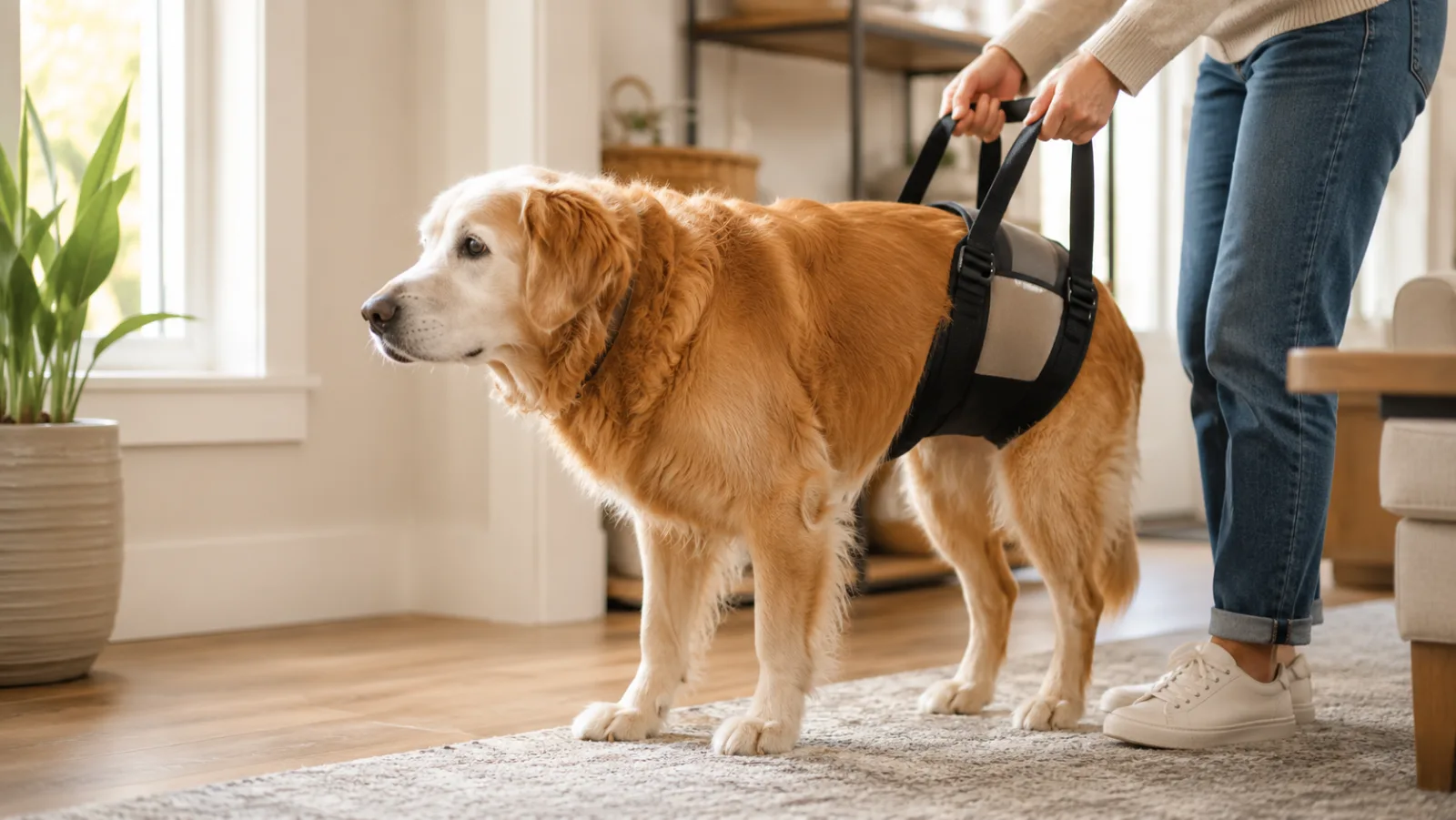
Rear-support sling with integrated leash and padded hip lift — the synthesis pick for short-duration rear-end assistance during stairs, potty trips, and post-op recovery.
Sources: GingerLead manufacturer documentation, AAHA 2022 Pain Management Guidelines for Dogs and Cats, Merck Veterinary Manual — postoperative care
Verified May 5, 2026
Greenies Pill Pockets for Dogs
Moldable treat pocket designed to conceal capsules and tablets — the synthesis pick for first-line medication compliance in dogs.
Sources: Greenies (Mars Petcare) manufacturer documentation, AAHA 2022 Pain Management Guidelines, ASPCA Animal Poison Control — xylitol warning
Verified May 5, 2026
Suitical Recovery Suit
Breathable recovery garment with clip-up system — the synthesis pick for trunk and abdominal incisions when the pet tolerates clothing better than a cone.
Sources: Suitical manufacturer documentation, Merck Veterinary Manual — postoperative care, AAHA 2020 Anesthesia and Monitoring Guidelines
Verified May 5, 2026
Our Picks
GingerLead
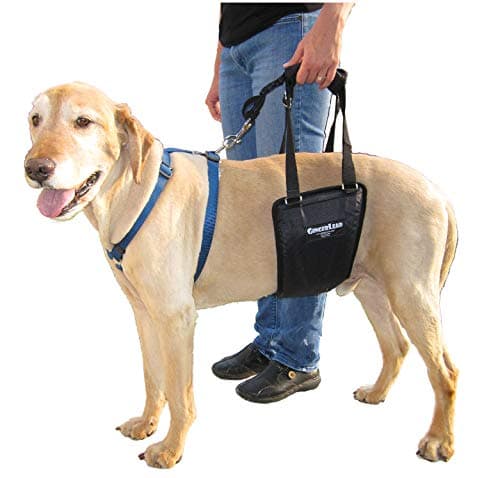
GingerLead Support Harness
9.3 / 10
- Padded hip-and-belly sling with integrated leash, made in the U.S.A. per GingerLead
- Cutouts for male and female dogs so the sling can stay on for potty trips
- Sized M/LG to fit medium-to-large dogs; brand publishes a measuring guide for fit
- Designed for TPLO, hip, and back recovery and for short-duration arthritis support
$69.95
Help 'Em Up
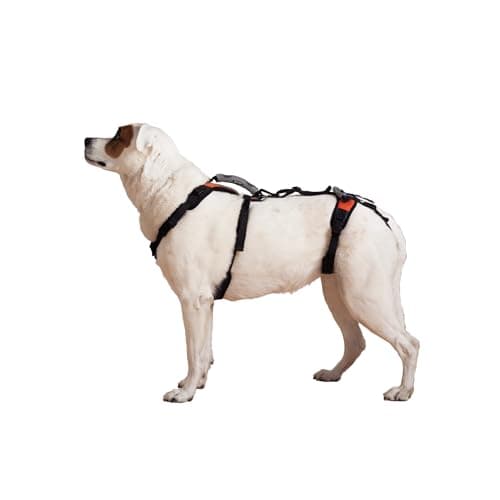
Help 'Em Up Harness
9.1 / 10
- Adjustable lifting harness with both front-leg and rear-leg support handles
- Designed for rehab, neurologic recovery, and advanced senior mobility
- Front and rear straps separate so caregivers can lift either end independently
- Brand publishes sizing guidance and case-specific fit recommendations
$125.00
Greenies
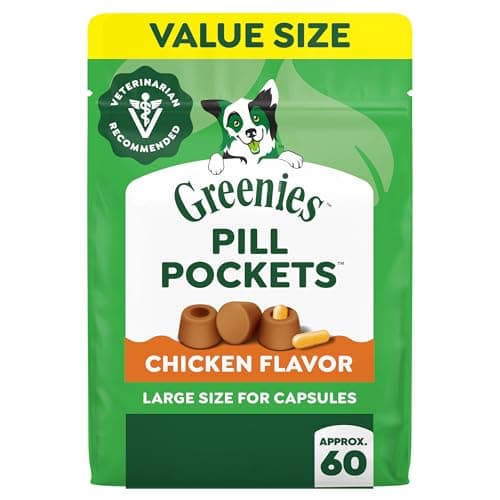
Greenies Pill Pockets for Dogs
9.0 / 10
- Moldable treat pocket designed to conceal capsules and tablets
- Large size accommodates capsule-format medications
- Chicken flavor — Mars Petcare's Greenies brand publishes ingredient transparency
- First-line option for dogs that will accept a disguised pill
$17.99
Greenies
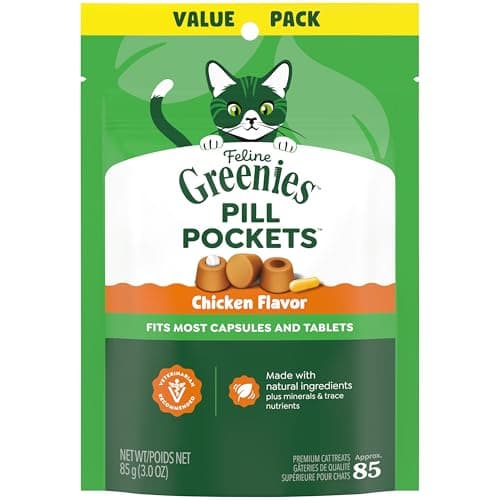
Greenies Feline Pill Pockets
8.8 / 10
- Soft cat treats sized to conceal small pills and tablet fragments
- Chicken flavor — Mars Petcare's Greenies feline line
- Cat-specific format — smaller pocket than the dog version
- First-line option for cats that will accept a disguised pill
$10.98
Tomlyn
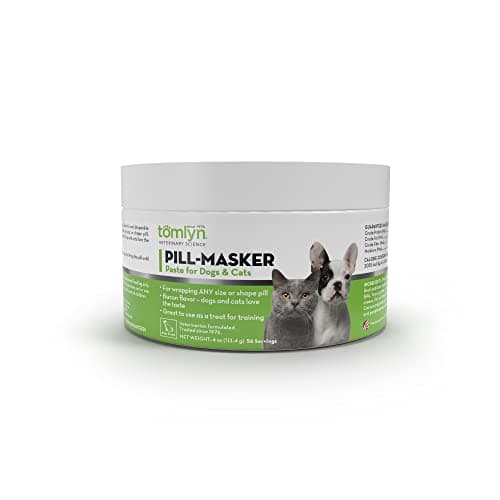
Tomlyn Pill-Masker Original Bacon-Flavored Paste
8.7 / 10
- Shapeable paste that wraps around odd-sized pills, capsules, or tablet fragments
- Bacon flavor — Tomlyn's original paste formulation
- Works for dogs and cats per Tomlyn product positioning
- Editorial role: the next step when standard treat pockets fail
$13.99
Suitical
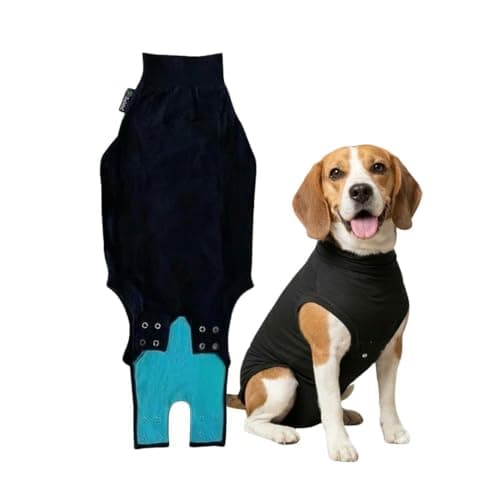
Suitical Recovery Suit
8.9 / 10
- Breathable fabric recovery garment with clip-up system for potty access
- Designed for spay, neuter, and incontinence support per Suitical
- Movement-friendly cut that some pets tolerate far better than a cone
- Sized by back length and weight; brand publishes a fit chart
$29.44
KONG
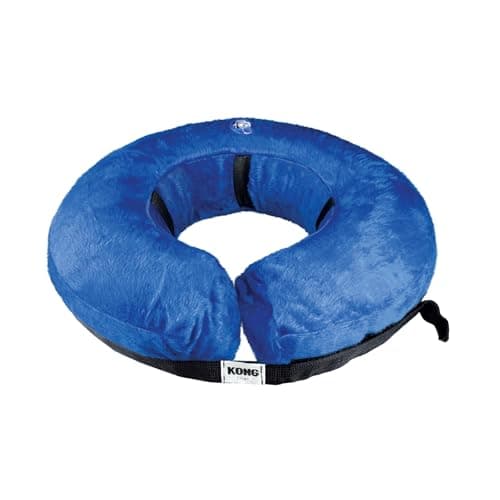
KONG Cloud Collar
8.4 / 10
- Inflatable collar designed for injury, rash, and post-surgical recovery
- Soft alternative to a hard plastic Elizabethan cone
- Brand publishes sizing for small, medium, and large dogs
- Can improve sleep and reduce furniture collisions when fit is right
$24.66
The Short Answer
If your pet is recovering at home from surgery, an injury, or a chronic mobility decline, the synthesis pick for rear-end support is the GingerLead Support Harness. For medication compliance, Greenies Pill Pockets are the first-line synthesis pick for dogs and cats that will accept a disguised pill. The Tomlyn Pill-Masker is the better pick when standard treat pockets fail on awkward capsules. The Suitical Recovery Suit is the synthesis pick for trunk and abdominal incisions where the pet tolerates a garment better than a cone. Every pick on this page is an adjunct to veterinary instructions. AAHA's 2022 pain-management guidelines and the Merck Veterinary Manual on postoperative care both frame recovery as a multimodal plan. Pain control, monitoring, and clear client communication come first. Aids and accessories are how a caregiver supports that plan at home. ASPCA Animal Poison Control is unambiguous that xylitol — common in sugar-free human peanut butters, gums, and candies — is severely toxic to dogs. Any pill-hiding hack must be checked against the ingredient list, not against intuition.
Every product on this list has been scored against the PetPal Gear Score, a weighted composite of expert consensus, observed effectiveness, animal safety, long-term durability, and value. Review method: Editorial synthesis of veterinary, trade-association, and toxicology guidance — the 2022 AAHA Pain Management Guidelines for Dogs and Cats, the 2020 AAHA Anesthesia and Monitoring Guidelines, ASPCA Animal Poison Control's xylitol warnings, the Merck Veterinary Manual chapters on perioperative care and postoperative recovery, manufacturer documentation for GingerLead, Greenies (Mars Petcare), Tomlyn, and Suitical, and post-surgical caregiver community discussion. PetPalHQ does not run a testing lab.. Synthesized from 9+ expert sources.
For most households, the question is not "what is the best recovery product" in the abstract. It is "my pet just had surgery, the surgeon handed me written instructions, and I need to make this work for the next two weeks without making anything worse." Every product on this page is an adjunct to those written instructions, not a substitute for them. The 2022 AAHA Pain Management Guidelines for Dogs and Cats describe perioperative recovery as a multimodal plan. Pharmacology, monitoring, wound care, and clear client communication all move together. The 2020 AAHA Anesthesia and Monitoring Guidelines extend that framing through the immediate post-anesthetic period. The Merck Veterinary Manual chapters on perioperative and postoperative care reinforce the same point: home-recovery aids work because they support the plan, not because they replace it.
The picks below are editorial synthesis. PetPalHQ does not run a testing lab. Every product on this page was selected by reviewing manufacturer documentation, the AAHA pain-management and anesthesia guidelines, the Merck Veterinary Manual on perioperative and postoperative care, ASPCA Animal Poison Control's xylitol warnings, and post-surgical caregiver community discussion. Where the evidence converged — that medication compliance is a leading recovery failure point, that wound access has to be blocked, that handling technique matters as much as the product itself — the recommendation is firm. Where it depended on the specific case, we have flagged the conditions explicitly: the surgical site, the body location, the pet's temperament, and whether the prescribing veterinarian has signed off.
A note on the urgency you may be feeling. The reader for this guide is usually sleep-deprived, watching a recovering pet, and deciding among aids while dinner gets cold. The simplification rule is this: every product is an adjunct to your veterinary team's instructions. If a product would conflict with those instructions, do not buy it. If a product fits them, the picks below are the synthesis recommendations for each category.
Comparison table
| Product | Form | Target species | Key features | Vet-recommended? | Amazon availability date-checked |
|---|---|---|---|---|---|
| GingerLead Support Harness | Rear sling | Dogs | Padded hip support, integrated leash, M/F cutouts | Conditional — surgeon approves lift points | 2026-05-05 |
| Greenies Pill Pockets (Dog) | Treat pocket | Dogs | Moldable, capsule-friendly, chicken-flavored | Conditional — confirm with food | 2026-05-05 |
| Greenies Feline Pill Pockets | Treat pocket | Cats | Cat-sized soft treat, chicken-flavored | Conditional — confirm with food | 2026-05-05 |
| Tomlyn Pill-Masker | Moldable paste | Dogs and cats | Bacon-flavored shapeable paste | Conditional — confirm ingredients | 2026-05-05 |
| Suitical Recovery Suit | Recovery garment | Dogs and cats | Breathable fabric, clip-up potty access | Conditional — site-dependent | 2026-05-05 |
GingerLead Support Harness
Rear-support sling designed for dogs with weak hindquarters, post-op TPLO and hip recoveries, and short-duration arthritis assistance. GingerLead's documentation describes a padded hip-and-belly cradle with male/female cutouts and an integrated leash, made in the U.S.A. Use it for stairs, controlled potty trips, and supervised walks during the recovery window approved by the surgeon. It is not an all-day device and not a substitute for clinical rehab. AAHA's 2022 pain-management guidelines frame supportive home handling as part of the multimodal recovery plan. A brand-published sizing guide is the difference between a sling that helps and one that shifts pressure to the wrong points.
Greenies Pill Pockets for Dogs
Moldable treat pocket from Mars Petcare's Greenies line, designed to conceal capsules and tablets in a chicken-flavored soft treat. The first-line synthesis pick for dog medication compliance. Medication adherence is one of the most under-recognized failure points in home recovery. The 2022 AAHA pain-management guidelines frame missed doses as a real driver of breakthrough pain. A treat pocket the dog accepts willingly solves the compliance problem without a behavior plan. Confirm with the prescribing veterinarian whether the medication can be given with food before assuming a Pill Pocket is appropriate. ASPCA Animal Poison Control is clear that human-food substitutes — peanut butter especially — must be checked for xylitol, which is severely toxic to dogs.
Greenies Feline Pill Pockets
The cat-specific format from the same Greenies line, sized for a cat's mouth and the smaller pills cats are typically prescribed. Cat compliance is often harder than dog compliance — the Merck Veterinary Manual notes that many cats reject pilled medication outright. A cat-sized pocket avoids the geometry problem of a dog-sized treat that the cat chews open before swallowing. The synthesis recommendation is to pre-condition the cat to accept plain pockets as treats before medication is needed, so the acute compliance moment is not also a novel-food moment. Confirm with the prescribing veterinarian whether the medication can be given with food. Never substitute a sugar-free human treat — ASPCA Animal Poison Control's warnings on xylitol apply across species, and human products can contain ingredients inappropriate for cats.
Tomlyn Pill-Masker
Bacon-flavored moldable paste from Tomlyn, designed to wrap around capsules, oddly-shaped tablets, and pills that defeat standard treat pockets. The synthesis pick when Pill Pockets have stopped working — the paste molds around the pill instead of forcing the pill to fit a fixed pocket geometry. Useful for both dogs and cats per Tomlyn. Inspect the ingredient list; ASPCA Animal Poison Control is explicit that xylitol is severely toxic to dogs, and the discipline of using a purpose-built veterinary paste rather than a kitchen substitute removes that risk. Confirm with the prescribing veterinarian that the medication can be given with a flavored paste and that the timing relative to food is appropriate.
Suitical Recovery Suit
Breathable fabric recovery garment with a clip-up system for potty trips, designed for trunk and abdominal incisions. The Merck Veterinary Manual on perioperative care frames postoperative wound protection as part of the recovery plan. A garment the pet tolerates is, in practice, more effective than a cone the pet fights. The decision between suit and cone depends on three factors: incision site, fabric coverage of that site, and the pet's determination to lick. A suit works for a spay or abdominal incision when the fabric covers the actual surgical site. A suit does not work for a limb, head, or face wound, and it does not work if the pet can still reach the incision through the cut of the garment. Read Suitical's fit chart by back length and weight before buying.
When a cone is the wrong device
The decision rule for any cone alternative is that the geometry has to actually block wound access. AAHA's 2020 anesthesia and monitoring guidelines and the Merck Veterinary Manual on postoperative care are both explicit that wound protection is non-negotiable. A soft collar the pet can compress, bypass, or work around is a comfort accessory, not a recovery device. For limb, paw, and around-the-face wounds, a hard cone is usually still the right answer. For a determined licker on a trunk or abdominal wound, the hard cone is also still the right answer. Where a hard cone is genuinely derailing the recovery — sleep deprivation, constant collisions, stress severe enough to matter — raise the alternatives with the surgeon and let the wound geometry decide, not the pet's comfort.
How to use safely
Sling and harness sizing. Follow the brand's measuring guide, not your eye. A poorly fitted sling shifts pressure to the abdomen or thoracic cavity instead of the hindquarters — the failure mode an arthritic or post-op dog cannot afford. The Merck Veterinary Manual on postoperative care notes that uncoordinated handling can strain incision sites and surgical hardware. AAHA's 2022 pain-management guidelines frame appropriate handling as part of the multimodal plan. Measure the dog before buying. Adjust the sling before lifting. Re-check fit after weight loss or muscle change.
Gait support, not dragging. A recovery sling is for assistance, not for towing. Move the dog at the dog's pace, not yours, and stop the session when the dog does. AAHA's pain-management guidance frames home-handling failures as a real source of preventable recovery setbacks; rushing a tired post-op dog through a stair set is exactly that kind of failure.
Pill aid safety — the xylitol rule. ASPCA Animal Poison Control is explicit that xylitol is severely toxic to dogs. Xylitol is common in many sugar-free human peanut butters, gums, mints, and candies. The discipline is simple: read the ingredient list before any human-food substitution touches the pet. A purpose-built pet pill pocket or pet pill-masking paste sidesteps the risk in a way a kitchen hack cannot. If you must use a household food, check it against the ASPCA Animal Poison Control xylitol warning at https://www.aspca.org/pet-care/animal-poison-control/xylitol-toxic-dogs and confirm with the prescribing veterinarian.
E-collar versus recovery suit. The right device is the one that blocks access to the actual wound. Garment comfort matters, but wound protection comes first. A suit works for trunk and abdominal incisions where the fabric covers the surgical site. A soft inflatable collar can replace a hard cone for some trunk and hindquarter wounds with surgeon approval. A hard cone is usually still the right pick for limb, paw, head, and face wounds, and for any pet whose lick fixation will defeat a softer alternative. Watch the wound. If licking starts, switch the device.
When to call the surgeon. Incision swelling, redness spreading, discharge, repeated vomiting, severe lethargy, refusal of pain medication, or any sign that the recovery course is going backward. AAHA's pain-management guidelines name pain-control failure as a recurring source of recovery setbacks, and the Merck Veterinary Manual on postoperative care is clear that complications progress fastest when caregivers wait. Call when in doubt.
What we don't recommend
Cheap generic lift wraps with unclear support points. Sling-style products without brand-published anatomical lift instructions are the failure mode AAHA's pain-management guidance flags as inappropriate handling. The wrong lift points shift pressure to the abdomen or thoracic cavity. That can strain incisions or surgical hardware. Spend the additional dollars on a brand with a measuring guide and documented use cases.
Any treat, paste, or food substitute containing xylitol. This is the headline warning of this guide. ASPCA Animal Poison Control is explicit that xylitol is severely toxic to dogs. It is common in many sugar-free human peanut butters, gums, mints, candies, baked goods, and toothpaste. A "natural sugar-free" peanut butter can contain xylitol. A dog-shaped silhouette on a human product does not mean the product is safe. Read the ingredient list before any human-food substitution touches the pet. The full ASPCA warning is at https://www.aspca.org/pet-care/animal-poison-control/xylitol-toxic-dogs and is required reading for any household giving medication with food. If exposure happens, contact ASPCA Animal Poison Control or your nearest emergency veterinary hospital immediately.
"Calming recovery wraps" making medical claims without support. Any product claiming to reduce post-op pain, accelerate wound healing, or replace prescribed analgesia without published evidence belongs in the skip pile. AAHA's pain-management guidelines describe analgesia as multimodal and prescription-led. A fabric wrap is not a replacement for a controlled pain-management plan.
Soft collars the pet can easily bypass. A soft alternative is only an alternative if it actually blocks wound access. The Merck Veterinary Manual on postoperative care and AAHA's anesthesia and monitoring guidance both treat wound protection as non-negotiable. If the pet can compress, bend, or work around the collar to reach the incision, the comfort upside does not matter. Switch to a hard cone.
Head-to-Head Comparison
| Feature | GingerLead Support Harness | Help 'Em Up Harness | Greenies Pill Pockets for Dogs | Greenies Feline Pill Pockets | Tomlyn Pill-Masker Original Bacon-Flavored Paste | Suitical Recovery Suit | KONG Cloud Collar |
|---|---|---|---|---|---|---|---|
| Form factor | Rear sling | Full-body harness | Treat pocket (dog) | Treat pocket (cat) | Moldable paste | Recovery garment | Inflatable soft collar |
| Target species | Dogs | Dogs | Dogs | Cats | Dogs and cats | Dogs and cats | Dogs (sized variants for cats/small pets exist) |
| Best for | Rear-end weakness, post-op stairs | Front + rear support, rehab | First-line dog meds | First-line cat meds | Awkward capsules / when pockets fail | Trunk and abdominal incisions | Cone alternative for trunk/hindquarter wounds |
| Vet-recommended? | Conditional — surgeon approves lift points | Conditional — rehab oversight ideal | Conditional — confirm with food | Conditional — confirm with food | Conditional — confirm ingredient list | Conditional — site-dependent | Conditional — wound-geometry dependent |
| Amazon availability date-checked | 2026-05-05 | 2026-05-05 | 2026-05-05 | 2026-05-05 | 2026-05-05 | 2026-05-05 | 2026-05-05 |
| Check price | Amazon | Amazon | Amazon | Amazon | Amazon | Amazon | Amazon |
$69.95
- Padded hip-and-belly sling with integrated leash, made in the U.S.A. per GingerLead
- Cutouts for male and female dogs so the sling can stay on for potty trips
- Sized M/LG to fit medium-to-large dogs; brand publishes a measuring guide for fit
- Designed for TPLO, hip, and back recovery and for short-duration arthritis support
The GingerLead Support Harness is the synthesis pick to anchor any post-op or chronic-mobility recovery kit. GingerLead's product positioning matches the use case AAHA's 2022 pain-management guidelines describe as supportive home care — short-duration rear-end assistance for a dog with a weak hind end, post-surgical instability, or a balance problem after a hip, knee, or back event. GingerLead documents a padded sling, an integrated leash so the caregiver controls direction without juggling a separate lead, and male/female cutouts so the harness can stay on long enough to manage a potty trip without re-rigging.
Why fit and lift points matter more than price: the Merck Veterinary Manual chapter on postoperative care notes that uncontrolled handling of a recovering dog can place strain on incision sites, joints, or surgical hardware. AAHA's guidance frames pain management as multimodal — meaning what you do at home affects whether the pharmacological plan actually works. A sling that sits in the wrong place shifts pressure onto the abdomen or thoracic cavity instead of the hindquarters. That is the failure mode an arthritic or post-op dog cannot afford.
What the spec sheet does not tell you: GingerLead is a short-duration aid, not a 24-hour solution, and not a rehab device. Use it for the bathroom break, the car, the stairs, and the slow yard walk. Do not drag a dog through a session that exceeds what your surgeon or rehab veterinarian approved. Use it to assist, not to substitute for a veterinary mobility plan.
What We Love
- Brand-specific cutouts make potty support practical without removing the harness
- Integrated leash keeps the caregiver's hands focused on the lift, not on a separate lead
- Designed around documented post-op and senior use cases — TPLO, hip, back, balance
- U.S.-made construction with brand-published fit guide
What Could Be Better
- Rear support only — not the right pick for dogs that also need front-end assistance
- Sizing is critical; the wrong size shifts pressure to the wrong points
- Not a rehab device — short-duration support, not a substitute for clinical rehab
The Verdict
The synthesis pick when the recovering dog needs short-duration rear-end help during stairs, potty trips, and supervised walks. Best fit for medium-to-large dogs with surgeon-approved lift points and a caregiver willing to follow the brand's measuring guide.
$125.00
- Adjustable lifting harness with both front-leg and rear-leg support handles
- Designed for rehab, neurologic recovery, and advanced senior mobility
- Front and rear straps separate so caregivers can lift either end independently
- Brand publishes sizing guidance and case-specific fit recommendations
The Help 'Em Up Harness is the upgrade path when a rear-only sling is not enough. Help 'Em Up's product positioning is explicit that the harness supports both front and rear assistance. That is the dividing line for dogs recovering from neurologic events, advanced orthopedic disease, or any mobility decline severe enough that the caregiver is also supporting the front end. AAHA's 2022 pain-management guidelines emphasize that supportive care for moderate-to-severe musculoskeletal disease often involves owner-led handling techniques alongside pharmacology and rehab. The Help 'Em Up brand markets the harness for exactly that handover — daily handling done by the owner under a veterinary plan.
Why the dual-strap design earns inclusion: the Merck Veterinary Manual chapter on postoperative recovery and the AAHA pain-management guidance both flag inappropriate handling as a source of preventable setbacks during home recovery. A dog with paretic rear limbs or post-spinal-surgery weakness needs rear support. A dog with weak front limbs may need front support. Many dogs in advanced senior decline need both, and a single rear sling cannot deliver that.
What the spec sheet does not tell you: Help 'Em Up frequently sells direct from the brand and through veterinary rehab channels rather than only through Amazon. Caregivers should compare manufacturer pricing and case-specific sizing recommendations against any third-party listing. Read the brand's measuring guidance carefully before buying — a full-body harness on the wrong dog is harder to correct than a misfitted rear sling.
What We Love
- Front and rear handles cover the full spectrum of mobility decline
- Rehab-oriented design with brand-published case guidance
- Daily-wear construction so caregivers do not have to re-rig before every assist
- Brand sells direct, with custom sizing support for difficult cases
What Could Be Better
- Higher price than a rear-only sling
- Two-handle handling has a learning curve; not the right pick for a one-handed caregiver
- Direct-from-brand purchasing may make Amazon listings less consistent
- Overkill for dogs that only need short-duration rear support
The Verdict
The synthesis pick when both front and rear assistance are needed. Best fit for dogs in advanced senior decline, rehab, or post-neurologic-event recovery, with a caregiver willing to learn the dual-handle technique.
$17.99
- Moldable treat pocket designed to conceal capsules and tablets
- Large size accommodates capsule-format medications
- Chicken flavor — Mars Petcare's Greenies brand publishes ingredient transparency
- First-line option for dogs that will accept a disguised pill
Greenies Pill Pockets for Dogs are the first-line synthesis pick for medication compliance. Medication adherence is one of the most under-recognized failure points in home recovery. AAHA's 2022 pain-management guidelines stress that pharmacological pain control only works if the prescribed dose actually reaches the patient. The Merck Veterinary Manual chapter on postoperative care frames missed doses as a real driver of breakthrough pain and slowed recovery. Mars Petcare's Greenies materials describe Pill Pockets as a moldable treat pocket designed to conceal a capsule or tablet inside a flavored treat the dog will eat voluntarily.
Why this is the simplest first-line option: many dogs that fight a bare pill will accept the same medication wrapped in a flavored pocket without protest. That solves the compliance problem without requiring a behavior plan or pharmacist consultation. Greenies' chicken flavor and capsule-sized format match the most common veterinary prescriptions — antibiotics, anti-inflammatories, and post-op pain medications.
What the spec sheet does not tell you: not every medication can be given with food. Some prescriptions require an empty stomach; some have absorption interactions with treats. Confirm with the prescribing veterinarian or pharmacist before assuming a Pill Pocket is appropriate for a specific medication. ASPCA Animal Poison Control is also explicit that any DIY substitute — peanut butter, cheese, deli meat — must be checked for xylitol. Xylitol is severely toxic to dogs and shows up in many sugar-free human products. A purpose-built pet pill pocket sidesteps that risk in a way a kitchen hack cannot.
What We Love
- Brand-published ingredient transparency from Mars Petcare's Greenies line
- Capsule-friendly format covers the most common veterinary prescriptions
- Sidesteps the xylitol-exposure risk that ASPCA Animal Poison Control flags for human-food substitutes
- Familiar, high-acceptance flavor profile for most dogs
What Could Be Better
- Not appropriate for medications that must be given on an empty stomach
- Some bitter or strongly-flavored pills can still be detected
- Daily use adds calories — a real factor for weight-managed senior dogs
The Verdict
The synthesis pick for first-line dog medication compliance. Best fit for dogs that will accept a disguised pill, taken with veterinary confirmation that the medication can be given with food.
$10.98
- Soft cat treats sized to conceal small pills and tablet fragments
- Chicken flavor — Mars Petcare's Greenies feline line
- Cat-specific format — smaller pocket than the dog version
- First-line option for cats that will accept a disguised pill
Greenies Feline Pill Pockets are the cat-specific synthesis pick because cat medication compliance is, if anything, harder than dog compliance. The Merck Veterinary Manual notes that many cats will reject pilled medication outright. AAHA's pain-management guidance flags compliance failure as a recurring source of suboptimal cat recovery. Mars Petcare's Greenies feline line offers a smaller, cat-sized treat pocket that conceals a small pill or tablet fragment in a chicken-flavored soft treat.
Why a cat-specific format earns its own slot: dogs and cats differ in mouth size, swallowing behavior, and food acceptance. A pocket sized for a dog capsule is too large for a cat and may be chewed open before the medication is swallowed. Greenies' feline pocket addresses that geometry directly.
What the spec sheet does not tell you: cats are often suspicious of new foods. A household introducing pill pockets only when the cat is sick is fighting the wrong battle at the wrong time. The synthesis recommendation is to get a cat used to plain pill pockets — empty, as treats — before the medication is ever needed. Cats that already accept the treat will accept it again with a pill inside. Confirm with the prescribing veterinarian whether the medication can be given with food. Never substitute a sugar-free human treat — ASPCA Animal Poison Control's xylitol warnings apply across species, and even flavored human products can contain ingredients that are inappropriate for cats.
What We Love
- Cat-sized format that does not announce itself as oversized
- Brand-published ingredient list and transparency
- Pre-conditioning cats to accept plain pockets makes acute compliance much easier
- Sidesteps the xylitol-exposure risk of human-food hacks
What Could Be Better
- Cats are individually unpredictable — some refuse on sight regardless of brand
- Pocket size may not conceal larger antibiotic capsules
- Best results require pre-conditioning before medication is needed
The Verdict
The synthesis pick for first-line cat medication compliance. Best fit for cats already accepting treats, with veterinary confirmation that the medication can be given with food.
$13.99
- Shapeable paste that wraps around odd-sized pills, capsules, or tablet fragments
- Bacon flavor — Tomlyn's original paste formulation
- Works for dogs and cats per Tomlyn product positioning
- Editorial role: the next step when standard treat pockets fail
The Tomlyn Pill-Masker is the synthesis pick when Pill Pockets stop working. Tomlyn's product positioning explicitly addresses the awkward pill — capsules that are too large for a standard treat pocket, oddly-shaped tablets, split pills with sharp edges, or medications a pet has learned to detect. The paste format is the editorial advantage. Instead of a fixed-shape pocket the medication has to fit inside, the paste molds around the medication, which makes it the better tool for compliance edge cases.
Why a paste belongs alongside pill pockets: AAHA's pain-management guidelines and the Merck Veterinary Manual on postoperative care both name compliance as a leading cause of recovery setbacks. A single product cannot solve every case. Some pets reject pill pockets outright after a few uses. Some medications come in capsule formats that are simply too large. A bacon-flavored paste that conforms to the pill is the natural escalation step, and it works for both dogs and cats per Tomlyn.
What the spec sheet does not tell you: ingredient discipline matters more for paste than for a sealed treat pocket because the paste interacts with the pill directly. Caregivers should inspect the ingredient list and avoid any human substitution. ASPCA Animal Poison Control is explicit that xylitol, common in sugar-free human peanut butters and gums, is severely toxic to dogs. Human-substitute pastes can introduce that risk. A purpose-built veterinary paste like Tomlyn's keeps the pet on a known, pet-formulated ingredient list.
What We Love
- Mold-around-the-pill format handles awkward capsules that defeat treat pockets
- Cross-species use — dogs and cats per Tomlyn
- Bacon flavor profile is high-acceptance for most pets
- Pet-formulated ingredient list avoids the xylitol risk of human paste hacks
What Could Be Better
- Paste storage and dosing is messier than a discrete treat pocket
- Compliance can drop on a strongly-flavored medication once the pet detects it
- Not as portable as treat-pocket formats for travel dosing
The Verdict
The synthesis pick for the awkward-medication case. Best fit when standard pill pockets have failed and the prescribing veterinarian confirms the medication can be given with a flavored paste.
$29.44
- Breathable fabric recovery garment with clip-up system for potty access
- Designed for spay, neuter, and incontinence support per Suitical
- Movement-friendly cut that some pets tolerate far better than a cone
- Sized by back length and weight; brand publishes a fit chart
The Suitical Recovery Suit is the synthesis pick when a recovery garment makes more sense than an Elizabethan collar. Suitical's product positioning is explicit that the suit is designed for wound and suture protection on the trunk and abdomen, with a clip-up system that lets caregivers manage potty trips without removing the entire garment. The Merck Veterinary Manual's perioperative content frames postoperative wound protection as part of the recovery plan, and a garment that the pet tolerates is, in practice, more effective than a cone the pet fights.
Why the suit-versus-cone question is not a default answer: AAHA's 2020 anesthesia and monitoring guidelines and the Merck Veterinary Manual on postoperative care both make the same point — wound access has to be blocked, not negotiated. A suit works for trunk and abdominal incisions where the fabric covers the surgical site. A suit does not work for an incision the pet can still reach by bending through the cut of the garment. It is also not the right pick for limb, head, or face wounds at all.
What the spec sheet does not tell you: temperament drives fit success more than measurement does. A pet that fixates on licking will defeat a marginal suit fit. A pet that simply wants to move comfortably often does dramatically better in fabric than in plastic. Read Suitical's fit chart by back length and weight before buying, and check the suit covers the actual surgical site — not just "the trunk" generically.
What We Love
- Breathable fabric is dramatically less stressful for many pets than a plastic cone
- Clip-up system avoids re-dressing the pet for every potty trip
- Brand-published fit chart is detailed by back length and weight
- Cross-species — dogs and cats per Suitical's product line
What Could Be Better
- Wrong tool for limb, head, or face incisions
- Determined lickers can still reach abdominal incisions through the fabric
- Wound protection depends entirely on garment-to-incision-site coverage
- Daily washing or rotation needed for continuous wear
The Verdict
The synthesis pick for trunk and abdominal incisions when the pet tolerates clothing better than a cone. Best fit when the surgical site is fully covered by the garment and the pet is not a determined licker.
$24.66
- Inflatable collar designed for injury, rash, and post-surgical recovery
- Soft alternative to a hard plastic Elizabethan cone
- Brand publishes sizing for small, medium, and large dogs
- Can improve sleep and reduce furniture collisions when fit is right
The KONG Cloud Collar is the synthesis pick in the soft-collar category because some pets simply cannot recover well in a hard Elizabethan cone. Sleep deprivation, persistent furniture collisions, and the stress of a rigid cone can derail a recovery that is otherwise going fine on the medication and wound-care side. KONG's product positioning frames the inflatable Cloud Collar as a softer alternative for injuries, rashes, and post-surgical recovery — the use cases where a hard cone is creating more problem than it solves.
Why this is the editorial caveat to read carefully: AAHA's 2020 anesthesia and monitoring guidelines and the Merck Veterinary Manual on postoperative care are both explicit that any recovery collar has to actually prevent access to the wound. A soft or inflatable collar that the pet can compress, bypass, or work around is a comfort accessory, not a recovery device. The decision is not "soft is better than hard." The decision is "which device blocks access to this specific wound on this specific pet's body geometry." Some pets need the hard cone. Others recover dramatically better in a soft alternative. The wound site is what decides.
What the spec sheet does not tell you: KVP's EZ Soft Cloth Recovery Collar is a comparable cloth-style soft collar if the inflatable form factor does not suit the pet — same caveat applies. The cloth design has to actually block wound access. For limb wounds, around-the-face wounds, or determined lickers, a hard cone is often still the right answer. Discuss the choice with the surgeon, and watch the wound — if licking starts, switch back.
What We Love
- Inflatable design reduces collisions and sleep disruption for many pets
- Less stressful for cone-averse pets recovering from minor procedures or rashes
- KONG-published sizing across small, medium, and large dogs
- Easier visibility for the pet than a hard cone — some dogs eat and drink more readily
What Could Be Better
- Wound protection only works if the collar geometry blocks access — not all wounds qualify
- Limb, paw, and around-the-face wounds usually need a hard cone instead
- A determined licker can still reach abdominal or trunk wounds past an inflatable collar
- Inflation deflation issues are a documented user-feedback theme to watch for
The Verdict
The synthesis pick when a hard cone is causing real distress and the wound is in a location the soft form factor can still block. Best fit for trunk, hindquarter, and tail-area wounds with surgeon approval — switch to a hard cone the moment licking resumes.
How We Score
Formula
PetPal Recovery Score = (Expert Consensus × 0.35) + (Wound and Mobility Safety × 0.25) + (Caregiver Practicality × 0.20) + (Recovery-Problem Fit × 0.20)
Score Factors
- Expert Consensus · 35%
- Synthesized from the 2022 AAHA Pain Management Guidelines for Dogs and Cats, the 2020 AAHA Anesthesia and Monitoring Guidelines, the Merck Veterinary Manual chapters on perioperative and postoperative care, ASPCA Animal Poison Control's xylitol warnings, and manufacturer documentation. The PetPal Recovery Score is a composite of veterinary recovery-care criteria and manufacturer specs — PetPalHQ does not run a testing lab.
- Wound and Mobility Safety · 25%
- Whether the device demonstrably blocks wound access (for collars and suits) or supports the correct anatomical lift points (for slings and harnesses), measured against AAHA postoperative-recovery framing and the Merck Veterinary Manual on perioperative care.
- Caregiver Practicality · 20%
- How easy the device is for a sleep-deprived post-op caregiver to use correctly day after day — fit clarity, brand-published sizing, single-handed operation, and tolerance for missed reps.
- Recovery-Problem Fit · 20%
- Whether the product geometry fits the most common recovery problems — rear weakness, full-body decline, medication compliance, trunk/abdominal wound protection, cone-aversion — without forcing a caregiver into a workflow they will abandon.
| Rank | Product | Score |
|---|---|---|
| #1 | GingerLead GingerLead Support Harness | 9.3 |
| #2 | Help 'Em Up Help 'Em Up Harness | 9.1 |
| #3 | Greenies Greenies Pill Pockets for Dogs | 9.0 |
| #4 | Suitical Suitical Recovery Suit | 8.9 |
| #5 | Greenies Greenies Feline Pill Pockets | 8.8 |
| #6 | Tomlyn Tomlyn Pill-Masker Original Bacon-Flavored Paste | 8.7 |
| #7 | KONG KONG Cloud Collar | 8.4 |
When NOT to Buy
Skip a recovery aid purchase entirely if your pet has not yet been evaluated for a worsening symptom — sudden lameness, sharp pain, vocalization on movement, dragging rear paws, repeated vomiting, severe lethargy, incision swelling, or any acute change in mobility or behavior. The Merck Veterinary Manual is clear that those signs warrant veterinary assessment. They can signal post-surgical complications, infection, or a separate orthopedic or neurologic problem. A sling, suit, or collar is supportive care, not a diagnosis or a treatment. Skip cheap generic lift wraps with unclear support points entirely. AAHA's pain-management guidance frames inappropriate handling as a real source of preventable setbacks. Skip any treat, paste, or peanut-butter substitute containing xylitol — ASPCA Animal Poison Control's warnings on xylitol toxicity in dogs are explicit and life-threatening. Skip a soft Elizabethan-style collar if the wound geometry means the pet can still reach the incision. Skip a recovery suit if the surgical site is on a limb, head, or face. Above all, do not let any recovery aid substitute for the veterinary recovery plan. AAHA's 2022 pain-management guidelines and the Merck Veterinary Manual on postoperative care both frame home-recovery products as adjuncts to a multimodal plan — not replacements for it. That plan includes pain control, monitoring, wound care, and clear surgeon communication.
For dogs
For dogs in home recovery, the AAHA 2022 Pain Management Guidelines for Dogs and Cats and the AAHA 2020 Anesthesia and Monitoring Guidelines both frame perioperative care as a multimodal plan. Pharmacology, monitoring, wound care, and clear client communication move together. The Merck Veterinary Manual chapter on postoperative care reinforces that uncoordinated handling of a recovering dog can place strain on incision sites, joints, or surgical hardware — which is why the lift-aid choices on this page are dog-specific. The GingerLead Support Harness is the synthesis pick for short-duration rear-end assistance during stairs, potty trips, and supervised walks. The brand documents male/female cutouts and an integrated leash designed for TPLO, hip, and back recovery. It is dog-specific in design and sizing, and it is the only lift aid on this page — a dog that needs front-end support as well is past what a rear sling can do, and that is a conversation for the rehab veterinarian rather than a shopping decision. AKC senior-dog content reinforces that handling technique matters as much as the lift hardware itself.
For medication compliance in dogs, the AAHA 2022 pain-management guidelines stress that pharmacological pain control only works if the prescribed dose actually reaches the patient. The Merck Veterinary Manual frames missed doses as a real driver of breakthrough pain and slowed recovery. Greenies Pill Pockets for Dogs are the first-line synthesis pick. Mars Petcare's Greenies materials describe a moldable treat pocket designed to conceal capsules and tablets. The chicken-flavor format covers the most common veterinary prescriptions. The Tomlyn Pill-Masker Original Bacon-Flavored Paste is the next-step compliance tool when standard pill pockets fail on awkward capsules.
The xylitol rule deserves dog-specific emphasis. ASPCA Animal Poison Control is unambiguous that xylitol is severely toxic to dogs. It is common in many sugar-free human peanut butters, gums, mints, and candies. It can cause severe and rapid hypoglycemia with liver injury at higher doses. Any pill-hiding hack must be checked against the ingredient list, not against intuition. A purpose-built pet pill pocket sidesteps that risk in a way a kitchen substitution cannot. For wound protection, the Suitical Recovery Suit comes in dog sizes. Surgeon approval on the specific incision and the geometry of the device decides whether it fits the case.
For cats
For cats, the recovery-aid conversation is shaped by two realities the Cornell Feline Health Center, AAFP Senior Care Guidelines, and ISFM all emphasize. Cats hide pain effectively. Cat medication compliance is, if anything, harder than dog compliance. The Merck Veterinary Manual notes that many cats reject pilled medication outright. AAHA's 2022 pain-management guidance flags compliance failure as a recurring source of suboptimal feline recovery — which is why cat-specific products earn their own slots in this guide. Greenies Feline Pill Pockets are the synthesis pick for first-line cat compliance. The Greenies feline line offers a smaller, cat-sized treat pocket sized for a cat's mouth and the smaller pills cats are typically prescribed. A pocket sized for a dog capsule may be chewed open before the medication is swallowed. The synthesis recommendation is to pre-condition the cat to accept plain pockets as treats before medication is needed, so the acute compliance moment is not also a novel-food moment.
The Tomlyn Pill-Masker Original Bacon-Flavored Paste is positioned by Tomlyn for both dogs and cats. Suitical produces feline sizes of the Recovery Suit suitable for trunk and abdominal incisions where the cat tolerates fabric better than a cone. The AAHA 2020 Anesthesia and Monitoring Guidelines and the Merck Veterinary Manual chapter on postoperative care are explicit that any recovery collar — soft or hard — has to actually block access to the wound. Wound geometry decides which device fits, not comfort.
The xylitol warning is also feline-relevant. ASPCA Animal Poison Control emphasizes the cross-species danger: even flavored human products can contain ingredients inappropriate for cats. A dog that finds a cat-targeted treat with xylitol can be acutely poisoned. ASPCA Cat Care and AVMA consumer guidance both push owners toward purpose-built pet pill pockets rather than human-food substitutions. AAFP/ISFM's environmental-needs framework adds the recovery-environment piece: a recovering cat needs predictable resources — quiet rest space, easy litter access, low-stress feeding — to comply with veterinary instructions. Cornell Feline Health Center materials reinforce that environmental stability is part of post-op care, not an extra. Confirm with the prescribing veterinarian whether any medication can be given with food before assuming a pocket or paste is appropriate.
Frequently Asked Questions
- Is xylitol dangerous?
- Yes — seriously dangerous in dogs. ASPCA Animal Poison Control is explicit that xylitol can cause severe and rapid hypoglycemia in dogs, with liver injury at higher doses. Even small amounts can be life-threatening. Xylitol is found in many sugar-free human products, including peanut butters, gums, mints, candies, baked goods, and some toothpaste. Before any human-food substitution touches a pill or treat for your dog, read the ingredient list. The full ASPCA Animal Poison Control warning is at https://www.aspca.org/pet-care/animal-poison-control/xylitol-toxic-dogs. If a dog is exposed, contact ASPCA Animal Poison Control or the nearest emergency veterinary hospital immediately. The cleanest household-level discipline is to use purpose-built pet pill pockets or pet pill-masking paste, which sidestep the risk by design.
- Are slings okay after surgery?
- Often yes, but only with surgeon approval on the specific lift points and the timing. The Merck Veterinary Manual on postoperative care notes that uncoordinated handling can strain incision sites and surgical hardware. AAHA's 2022 pain-management guidelines treat home-handling technique as part of the multimodal recovery plan. A rear-support sling like the GingerLead can be appropriate for stairs, potty trips, and supervised walks during a TPLO, hip, or back recovery. The surgeon's instructions decide. A dog that needs front-end support as well has moved past what a sling handles on its own, and that is a rehab-veterinary conversation.
- Pill Pockets or Pill-Masker?
- Pill Pockets first. They are the simpler tool, they cover the most common dog and cat prescriptions, and most pets accept them without protest. Move to the Tomlyn Pill-Masker when Pill Pockets stop working — usually because the medication is an awkward capsule, the pill is split with sharp edges, or the pet has learned to detect the pocket. The paste molds around the pill instead of asking the pill to fit a fixed pocket geometry. Confirm with the prescribing veterinarian whether the medication can be given with food in either case.
- Recovery suit or cone?
- It depends on the incision location and whether the pet can still lick the wound. The Suitical Recovery Suit works for trunk and abdominal incisions where the fabric covers the actual surgical site. A suit does not work for limb, paw, head, or face incisions. A cone — hard or soft — is usually the right answer for those. AAHA's 2020 anesthesia and monitoring guidelines and the Merck Veterinary Manual on postoperative care both treat wound protection as non-negotiable. Whichever device actually blocks access wins, regardless of how comfortable the alternative looks.
- Can soft collars replace hard cones?
- Sometimes, but only when the wound geometry allows it. Inflatable and cloth alternatives can be a good fit for trunk and hindquarter wounds where the soft form factor still blocks access. They are usually not the right choice for limb, paw, or around-the-face wounds, or for a pet whose lick fixation will defeat a softer alternative. Watch the wound. If licking starts, switch to a hard cone.
- When should I call the surgeon?
- Any time the recovery course looks worse, not better. Specifically: incision swelling or discharge, redness spreading from the wound, repeated vomiting, severe lethargy, refusal of prescribed pain medication, or signs of pain-control failure. The Merck Veterinary Manual on postoperative care is clear that complications progress fastest when caregivers wait, and AAHA's 2022 pain-management guidelines name uncontrolled pain as a recurring driver of recovery setbacks. Call when in doubt; surgeon's offices expect the call.
- My pet refuses Pill Pockets — what now?
- Try the Tomlyn Pill-Masker as the next step. The moldable paste handles cases the fixed pocket cannot. If the pet rejects both, talk to the prescribing veterinarian about pilling technique, alternative formulations (some medications come as flavored chews, transdermal gels, or compounded liquids), or a pill-popper tool. Avoid human-food substitutes — ASPCA Animal Poison Control's xylitol warnings make the kitchen-hack approach risky, and many human peanut butters and similar foods contain xylitol.
- How long should my dog wear a recovery sling each day?
- Only as long as the surgeon recommends, in the situations the surgeon recommends — typically stairs, potty trips, and supervised short walks during the early-recovery window. The GingerLead and similar rear-support slings are short-duration aids, not all-day devices, and not substitutes for clinical rehab. AAHA's 2022 pain-management guidelines frame supportive handling as part of a multimodal plan, but the plan is the surgeon's, not the sling's.
- Can I leave a recovery suit on overnight?
- Only if the surgeon approves it for your pet's incision and the suit is fully covering the surgical site. Suitical's product positioning supports continuous wear with the clip-up potty access, but determined lickers can still reach abdominal incisions through fabric, and a suit on the wrong incision site is no protection at all. Check the wound at every potty break. If licking starts, switch to a cone.
- My senior dog also has chronic mobility decline — is this guide enough?
- It is the recovery side of the picture. For long-term senior mobility — joint supplements, orthopedic beds, ramps and stairs, in-home accessibility — see the parent hub at /guides/senior-pet-mobility-preventive-care/ and the sibling spokes on supplements, beds, ramps, and home monitoring. Recovery aids and chronic-mobility aids overlap (a sling helps both). But the chronic side requires its own plan with the veterinarian.
Bottom Line
Get the GingerLead Support Harness if your dog needs short-duration rear-end assistance for stairs, potty trips, or post-op walks, with surgeon approval on the lift points.
Get Greenies Pill Pockets for first-line medication compliance — the dog or cat version depending on the patient — with veterinary confirmation that the medication can be given with food.
Get the Tomlyn Pill-Masker if standard pill pockets have failed on awkward capsules, and use it as the next-step compliance tool, not the first-line choice.
Get the Suitical Recovery Suit for trunk and abdominal incisions when the pet tolerates fabric better than a cone, with the suit fully covering the actual surgical site.
Sources & Methodology
Methodology
PetPal Recovery Score = (Expert Consensus × 0.35) + (Wound and Mobility Safety × 0.25) + (Caregiver Practicality × 0.20) + (Recovery-Problem Fit × 0.20)
Expert review sources
- American Animal Hospital Association — 2022 AAHA Pain Management Guidelines for Dogs and Cats
- American Animal Hospital Association — 2020 AAHA Anesthesia and Monitoring Guidelines for Dogs and Cats
- ASPCA Animal Poison Control — Xylitol Warning for Dogs
- Merck Veterinary Manual — Perioperative Care chapter
- Merck Veterinary Manual — Postoperative Care chapter
- GingerLead — Support Harness product documentation
- Greenies (Mars Petcare) — Pill Pockets product line documentation
- Tomlyn — Pill-Masker product documentation
- Suitical — Recovery Suit product documentation
Community sources
- r/dogs — post-op recovery thread discussion
- r/seniordogs — sling-versus-harness threads
- r/cats — pilling techniques discussion
- r/AskVet — recovery suit vs. cone discussion
Prices and specs verified May 5, 2026.
About the author
Nick Miles is the chief editor of PetPalHQ. The picks above are editorial synthesis of veterinary-association guidance, toxicology resources, and manufacturer documentation — PetPalHQ does not run a testing lab. The PetPal Recovery Score is a composite of expert recovery-care criteria and manufacturer specs, not a measurement. Sources are cited by name throughout.
PetPalHQ is a participant in the Amazon Services LLC Associates Program. We may earn commissions from qualifying purchases — at no extra cost to you.
More Guides
Cats & Dogs
Senior Pet Mobility and Preventive Care: 2026 Guide for Aging Dogs and Cats
Cats & Dogs
Best Joint Supplements and Fish Oils for Aging Dogs and Cats (2026)

Cats & Dogs
Best Orthopedic Dog Beds for Senior Pets (2026)
Cats & Dogs
Best Dog Ramps and Stairs for Senior Dogs (2026)
Cats & Dogs
At-Home Pet Health Monitoring Tools (2026): Smart Scales, Activity Trackers, and Smart Litter for Senior Pets

Cats & Dogs