Cats & Dogs
Pet Grooming, Dental Care & Shedding Control for Cats and Dogs: A Complete 2026 Owner Guide
A safe routine for cats and dogs combines coat brushing, nail maintenance, skin and ear checks, dental prevention, and species-appropriate shedding control — with veterinary care for pain, infection, dental disease, severe mats, or behavior that makes home care unsafe.
By Nick Miles · Updated May 5, 2026 · 16 min read
PetPalHQ is reader-supported. We may earn a commission from qualifying Amazon purchases at no extra cost to you.
Every product on this list has been scored against the PetPal Gear Score, a weighted composite of expert consensus, observed effectiveness, animal safety, long-term durability, and value. Review method: Editorial synthesis of veterinary and professional grooming guidance — AVMA, AAHA Dental Care Guidelines, Veterinary Oral Health Council, Cornell Feline Health Center, Merck Veterinary Manual, ASPCA, AKC, Professional Pet Groomers and Stylists Alliance, and peer-reviewed veterinary dental-homecare literature.. Synthesized from 12+ expert sources.
Grooming is one of the easiest ways to notice health problems early. For cats and dogs, the practical routine is not just baths and brushing: it includes dental prevention, coat and skin checks, nail maintenance, shedding control, and knowing when a mat, hairball, bad breath, or behavior change is no longer a home-care problem.
This guide synthesizes the consensus across veterinary, dental, and professional grooming sources for the questions cat and dog owners actually ask: how often to brush, when to bathe, why dental care matters more than most owners realize, what to do about shedding and hairballs, and how to tell whether a problem belongs at home, with a groomer, or with a veterinarian. PetPalHQ does not run a testing lab — the recommendations below are editorial synthesis of expert guidance, with sources cited by name throughout.
What universal grooming rules does every cat and dog owner need to know?
Before anything else, six rules show up across every credible veterinary and grooming reference, and none of them depend on coat type, breed, or species. They are drawn from the American Veterinary Medical Association, the American Animal Hospital Association, Cornell Feline Health Center, ASPCA, Merck Veterinary Manual, and the Professional Pet Groomers and Stylists Alliance.
| Rule | Plain-English explanation | Source |
|---|---|---|
| Brush before bathing | Water tightens mats and makes tangles harder or more painful to remove | ASPCA Dog Grooming Tips |
| Do not cut mats with scissors | The Merck Veterinary Manual warns scissors can easily cut skin; severe mats are safer with a vet or groomer | Merck Veterinary Manual |
| Daily toothbrushing is the dental-care ideal | The AVMA says daily is best; several times per week can still help when daily is not realistic | American Veterinary Medical Association |
| Use pet-specific dental products | The Veterinary Oral Health Council maintains accepted-product lists for dogs and cats | VOHC |
| Frequency depends on coat, species, season, and tolerance | The AKC says grooming frequency varies by size, breed, and coat type; ASPCA says cats need brushing even though they self-groom | AKC, ASPCA |
| Stop home grooming when pain, fear, bleeding, infection, or severe mats appear | Cats or dogs that fight grooming enough to risk injury belong with a professional groomer or veterinarian | ASPCA Cat Grooming Tips |
Expert consensus from the American Veterinary Medical Association, American Animal Hospital Association, Cornell Feline Health Center, ASPCA, Merck Veterinary Manual, and the Professional Pet Groomers and Stylists Alliance points to the same practical line: home grooming is routine maintenance, while pain, infection, severe mats, dental disease, and unsafe handling belong with a veterinarian or qualified professional.
Why is dental care the grooming step owners most often underestimate?
Dental disease is the most common dental condition in dogs and cats — and most pets already have it before owners notice. The AAHA 2019 Dental Care Guidelines state that by three years of age, most dogs and cats have some level of periodontal disease, often unnoticed by owners. The American Veterinary Medical Association warns that "doggie breath" can be the first noticeable sign of serious disease, not a normal feature of pet ownership.
Toothbrushing is the gold standard
The AVMA's pet dental care guidance is direct: daily brushing is best, and brushing several times per week can still be effective when daily brushing is not realistic. A 2022 Frontiers in Veterinary Science review of dog owners' dental-care strategies frames daily toothbrushing as the evidence-based gold standard, with passive products positioned as complements rather than replacements. The same literature — including a 2023 PMC adherence study — also acknowledges that real-world owner compliance is low, which is why the safer editorial wording is "build the most consistent routine you can sustain" rather than "brush daily or do nothing."
A few practical points the consensus literature agrees on: use a soft-bristled pet toothbrush or finger brush, use pet-specific toothpaste (human toothpaste contains ingredients not appropriate for pets), and introduce brushing gradually so the pet is not fighting the experience.
VOHC-accepted products fill the gaps
The Veterinary Oral Health Council maintains accepted-product lists for both dogs and cats; the seal indicates a product has met VOHC standards for plaque and/or tartar control under defined testing protocols. The November 2025 dog list and July 2025 cat list cover separate categories: dental chews, dental diets, water additives, gels, wipes, and toothpastes.
The honest framing: VOHC-accepted dental chews, diets, water additives, gels, and wipes are useful adjuncts and fallback tools — not replacements for toothbrushing or for veterinary dental treatment when disease is already present.
Cat-specific dental risks
Cornell Feline Health Center names gingivitis, periodontitis, and tooth resorption as three of the most common dental diseases in cats, and notes dental disease can cause serious pain and quality-of-life problems that owners often miss because cats hide oral discomfort. Cornell's tooth resorption page reports the condition affects an estimated 20% to 60% of cats, and close to three-quarters of cats five years and older. Tooth resorption is a strong reason cat owners should not assume "she's still eating, so her mouth is fine."
Dog-specific dental risks
Small-breed and toy dogs with crowded teeth, brachycephalic dogs, and senior dogs all sit higher on the dental-risk curve. So do dogs with prior periodontal disease and dogs that refuse to chew. The AAHA Periodontal Disease Staging document is explicit that staging is most accurate in an unconscious patient after intraoral radiographs and periodontal probing — meaning a thorough dental evaluation is a veterinary procedure, not something an owner can replace with a flashlight and a guess.
When bad breath becomes a vet issue
Persistent bad breath, visible tartar, gum redness, drooling, pawing at the mouth, dropped food, or a sudden change in eating habits are reasons to schedule a veterinary dental evaluation. The AVMA's 2026 "doggie breath" press release is explicit on that point — the smell is not a personality trait, it is often the first noticeable symptom of disease.
| Method | Role | Strength | Limitation |
|---|---|---|---|
| Toothbrushing | Primary home-care habit | Best-supported daily preventive routine; AVMA gold standard | Requires pet tolerance and owner consistency |
| VOHC dental chew or treat | Adjunct or fallback | Easier adherence for some pets; size-specific options | Not a substitute for exams or cleanings |
| Dental diet | Adjunct | Useful when prescribed within an overall diet plan | Not appropriate for every pet or condition |
| Water additive, gel, or wipe | Adjunct | Helpful when brushing is impossible | Evidence varies by product; cautious wording warranted |
| Professional cleaning | Veterinary treatment | Below-gumline cleaning, probing, radiographs, extractions | Requires veterinary evaluation and anesthesia planning |
How should you approach coat care and shedding control by pet type?
A short-coated dog, double-coated dog, curly-coated dog, long-haired cat, and short-haired indoor cat do not need identical grooming routines. The AKC's at-home grooming guidance is explicit that frequency depends on size, breed, and coat type; the ASPCA's general cat care page notes most cats stay relatively clean but still benefit from regular brushing.
Short-coated dogs
A short or smooth coat usually does well with weekly brushing using a rubber curry, soft slicker, or grooming mitt. Shedding still happens — sometimes heavily — and brushing helps spread skin oils, capture loose hair before it ends up on furniture, and give the owner a regular look at the skin underneath.
Double-coated dogs
Double-coated breeds (huskies, German shepherds, golden retrievers, corgis, and many others) carry both a soft undercoat and a coarser top coat. The AKC's double-coat guidance recommends at least weekly brushing with a slicker brush followed by a comb, with seasonal increases during the heavier "blowing coat" periods. Undercoat rakes and deshedding tools have a place, but the AKC and most professional groomers warn against shaving a double coat as a default shedding solution. The safer wording: do not shave a double-coated dog for shedding control unless a veterinarian or qualified groomer recommends it for a specific welfare or medical reason.
Curly and wool-coated dogs
Poodles, doodles, bichons, and similar curly-coated breeds mat quickly and usually need professional clipping in addition to home brushing and combing. Daily or near-daily brushing with a slicker followed by a stainless-steel comb is the realistic baseline; line-brushing through to the skin matters because surface brushing alone leaves felt mats forming underneath. Owners of curly and wool coats should expect a professional groomer in their pet's life, not just dream of one.
Short-haired cats
Most short-haired cats do well with weekly brushing using a soft slicker, grooming mitt, or fine-toothed comb. The ASPCA notes that regular brushing keeps the coat cleaner, reduces shedding, and cuts down hairballs. Senior, overweight, arthritic, or hairball-prone short-haired cats may need more frequent help even though their coat looks unchanged.
Long-haired cats
Persians, Maine Coons, ragdolls, and similar long coats need frequent — often daily — combing through to the skin to prevent mats behind the ears, in the armpits, on the belly, and under the rear. Cornell Feline Health Center suggests daily combing during shedding periods to minimize hairball development. Long-haired cats also benefit from sanitary trims around the rear, which a professional groomer or veterinarian can do safely.
Senior or limited-mobility pets
Arthritic dogs, obese cats, and senior pets of any species often groom themselves less effectively. They need more owner help — gentler brushing, shorter sessions, more frequent nail checks, more careful inspection of skin folds and the areas they can no longer reach. The Merck Veterinary Manual notes regular brushing helps remove loose hair and prevent mats that can irritate skin or contribute to infection, which matters most in pets that cannot maintain themselves.
Brushing, bathing, nails, ears, and skin checks
Brush before bathing — every time
ASPCA dog-bathing instructions begin with brushing out dead hair and mats before wetting the coat, and the same logic applies to bathing a long-haired cat in the rare case one needs a bath. Bathing a matted coat tightens the mats, increases skin pull, and can make the next groom session significantly worse.
How often dogs need baths
Sources disagree, and the disagreement is not trivial. The ASPCA's general dog care page says most dogs do not need to be bathed more than a few times a year. The ASPCA's separate at-home grooming article describes at least every three months as appropriate for some dogs, with more frequent baths for outdoor activity or skin problems. The safest editorial wording: many dogs need baths only when dirty, smelly, or as directed for skin and coat needs. A quarterly bath is a reasonable starting point for many pets, but frequency should adjust to coat type, activity level, odor, skin health, and veterinary guidance.
Why cats usually do not need routine baths
The ASPCA's general cat care page is direct: most cats stay relatively clean and rarely need a bath, while regular brushing handles shedding and hairball control. Cats may need a bath after contamination (chemical spill, sticky substance), if they cannot self-groom because of obesity or arthritis, if a long coat has soiled, or if a veterinarian prescribes a medicated shampoo. Routine cosmetic bathing is not part of normal cat care.
Nail trims and paw checks
Merck Animal Health's home-grooming guidance says clicking, snagging, or curling nails are signs a trim may be needed, and that hesitant owners should ask a veterinarian or groomer to demonstrate the technique. Indoor cats, dewclaws, low-activity dogs, and senior pets all need more attention because their nails do not naturally wear down. Universal cautions: avoid the quick (the pink blood-and-nerve area inside the nail), keep styptic powder handy, and stop and reschedule if the pet is panicking rather than tolerating the trim.
Ear and eye checks without over-cleaning
Routine ear checks — looking, smelling, watching the pet's behavior — are part of grooming. Routine deep cleaning is not. Ears with discharge, redness, odor, head shaking, or scratching are a veterinary issue, not a deeper-Q-tip issue. Eye discharge, squinting, or sudden tearing changes deserve the same routing. Wrinkles, folds, paws between the toes, and sanitary areas all benefit from regular gentle inspection, particularly in brachycephalic breeds where fold dermatitis is a known problem.
Hairballs, mats, and shedding: what is normal and what is not
Normal vs sudden shedding
Some shedding is normal coat-cycle turnover, and many breeds shed more seasonally. Sudden patchy shedding, bald spots, inflamed skin, fleas, persistent scratching, sores, odor, or coat-quality changes are not "needs a stronger brush" — they are veterinary signals. The ASPCA recommends frequent brushing to reduce shedding and daily flea-and-tick checks in warm weather. The Merck Veterinary Manual reminds owners that topical treatment is a key part of veterinary dermatology for bacterial and yeast overgrowth, seborrhea, and allergic dermatitis, which is the medical way of saying that abnormal skin and coat problems are not just cosmetic.
Hairballs in cats
Cornell Feline Health Center's "A Hairy Dilemma" notes cats ingest loose hair during normal grooming and that occasional hairballs — perhaps every week or two — may not be unusual. Cornell's separate "The Danger of Hairballs" page is more cautious: repeated unproductive retching, lethargy, refusal to eat, or excessive grooming should prompt veterinary attention rather than another tube of hairball gel. Frequent brushing is the most reliable way to reduce hairballs at the source: the Merck Veterinary Manual's hairball management table says brushing limits the hair cats swallow.
Mats and why scissors are risky
The Merck Veterinary Manual is explicit: scissors can easily cut skin when removing mats, and pet clippers are the safer tool when clipping is appropriate. The mat itself is often pulling skin tight, so what looks like loose fur from above is sitting on a thin layer of stretched skin underneath. Tight, painful, extensive, or skin-level mats — particularly mats with broken skin, odor, swelling, or visible irritation — should be handled by a qualified groomer or, if there is medical complication, by a veterinarian first.
When a coat problem is really a medical problem
Greasy coat, dandruff, persistent odor, sudden heavy shedding, bald patches, repeated hairballs, and overgrooming can all look like grooming issues and turn out to be medical ones. Cornell Feline Health Center connects excessive self-grooming and hair ingestion to allergy-related skin problems, and the Merck Veterinary Manual treats bacterial and yeast overgrowth, seborrhea, and allergic dermatitis as veterinary categories. The editorial rule: if a "grooming problem" comes back after good grooming, it is probably not a grooming problem.
When should you choose home grooming, a professional groomer, or veterinary care?
The line between these three tiers is not about effort — it is about what can safely be done without clinical tools, training, or diagnosis. Expert consensus from the American Veterinary Medical Association, the ASPCA, Cornell Feline Health Center, the Professional Pet Groomers and Stylists Alliance, and the Merck Veterinary Manual draws a clear boundary: routine maintenance stays home, severe mats and dental disease go professional or veterinary.
| Approach | Best for | Not enough for |
|---|---|---|
| Home grooming | Routine brushing, light shedding, basic nail maintenance, toothbrushing practice, handling checks | Severe mats, dental disease, infection, intense fear, pain, embedded nails |
| Professional groomer | Breed-specific coat work, clipping, deshedding services, mat prevention, safe drying, owner education | Medical diagnosis, anesthesia dental care, infected skin, severe oral disease |
| Veterinarian | Dental disease, pain, infection, severe mats with skin injury, dermatology issues, ear infections, senior mobility concerns | Routine cosmetic styling, unless the clinic offers grooming as a service |
The Professional Pet Groomers and Stylists Alliance Standards of Care, Safety and Sanitation say pets should be handled safely, humanely, and compassionately; pets should not be left unsupervised on grooming tables or in tubs; and pets should be monitored closely during drying. These are not just nice-to-haves — drying, in particular, is where heat injuries and respiratory distress have happened in poorly run shops. When evaluating a groomer, asking how they supervise tables, tubs, and dryers is a direct test of whether they meet PPGSA's baseline.
What are the most common grooming mistakes cat and dog owners make?
Most grooming problems trace back to a short list of predictable errors that show up across veterinary, dental, and professional grooming guidance. The same sources — the AVMA, AAHA, Cornell Feline Health Center, Merck Veterinary Manual, ASPCA, and the Professional Pet Groomers and Stylists Alliance — name these failure modes repeatedly, which makes them worth knowing before the first tool purchase.
Waiting for bad breath. Bad breath is often a late symptom, not an early one. The AVMA's "doggie breath could be a sign of serious disease" messaging is explicit: persistent bad breath, visible tartar, gum redness, drooling, pawing at the mouth, dropped food, or eating changes are reasons to schedule a veterinary dental evaluation.
Treating chews as a replacement for dental care. The Frontiers in Veterinary Science 2022 review of dog owners' dental strategies is direct that daily toothbrushing is the evidence-based gold standard and passive home care is a complement, not a replacement. VOHC-accepted chews, diets, water additives, gels, and wipes belong in the routine — but they belong as adjuncts.
Cutting mats with scissors. The Merck Veterinary Manual explicitly warns owners not to use scissors on mats because it is easy to cut the skin underneath. Pet clippers are the safer tool when clipping is appropriate, and severe mats are safer in the hands of a professional groomer or veterinarian.
Bathing over mats. The ASPCA's dog-grooming sequence starts with brushing out dead hair and tangles before wetting the coat. Water tightens mats and makes the next pass at brushing more painful, not less.
Overbathing dogs and bathing cats unnecessarily. Many dogs do not need frequent baths, and most cats do not need baths at all. Overbathing strips skin oils and can drive itching, dandruff, and irritation that owners then try to treat with more bathing.
Ignoring nails. Nails that click, snag, or curl can become painful and affect gait. Merck Animal Health's owner guidance treats clicking and snagging as a clear "trim now" signal, with the option to ask a vet or groomer to demonstrate.
Treating frequent hairballs as normal. Cornell Feline Health Center's hairball pages distinguish occasional hairballs (often unremarkable) from repeated unproductive retching, lethargy, or appetite loss (a veterinary issue). The latter is not a grooming nuisance.
Choosing tools before understanding coat type. A slicker built for a poodle is the wrong primary tool for a beagle, and an undercoat rake aimed at a husky will hurt a curly-coated dog. The AKC's coat-type guidance is the safer starting point — buy for the coat, not the marketing.
Frequently Asked Questions
- How often should I brush my dog?
- Most dogs benefit from at least weekly brushing. Long, curly, double, or mat-prone coats may need brushing several times per week or more. The American Kennel Club says grooming frequency depends on size, breed, and coat type. The AKC's double-coat guide recommends at least weekly brushing with a slicker followed by a comb for many double-coated dogs.
- How often should I brush my cat?
- Regular brushing helps cats by removing loose hair, reducing shedding, and cutting down hairballs. The ASPCA says most cats rarely need baths but should be brushed or combed regularly. Cornell Feline Health Center recommends daily combing during shedding periods. That is especially true for long-haired, senior, overweight, or hairball-prone cats.
- Is daily toothbrushing really necessary for dogs and cats?
- Daily brushing is the home dental-care ideal. The American Veterinary Medical Association says daily brushing is best. Brushing several times per week can still be effective when daily brushing is not realistic. The 2019 AAHA Dental Care Guidelines and a 2022 Frontiers in Veterinary Science review both treat daily brushing as the evidence-based gold standard.
- Are dental chews enough by themselves?
- Usually not. The Veterinary Oral Health Council maintains accepted-product lists for dogs and cats. The seal indicates a product has met VOHC standards for plaque and/or tartar control. VOHC chews, diets, water additives, gels, and wipes are useful adjuncts and fallback tools. They should not be used as substitutes for toothbrushing or veterinary dental treatment when disease is already present.
- Why does my pet's breath smell bad?
- Persistent bad breath is often a sign of dental disease, oral infection, or another health problem. The AVMA's 2026 "doggie breath could be a sign of serious disease" press release is direct: the smell can be the first noticeable symptom of periodontal disease. Bad breath plus visible tartar, gum redness, drooling, pawing at the mouth, dropped food, or eating changes calls for a veterinary dental evaluation — not a stronger breath spray.
- How often should I bathe my dog?
- It depends on coat, odor, activity, and skin health. The ASPCA's general dog-care page says most dogs do not need to be bathed more than a few times a year. A separate ASPCA grooming article describes at least every three months as appropriate for some dogs, with more frequent baths for outdoor activity or skin problems. A quarterly bath is a reasonable starting point for many pets. The right answer comes from your veterinarian and your dog's individual coat and lifestyle.
- Do cats need baths?
- Most cats rarely need a bath. The ASPCA says most cats stay relatively clean and rarely need bathing because they self-groom. Regular brushing handles routine cleanliness. A bath becomes appropriate after contamination, when a cat cannot self-groom because of obesity or arthritis, when a long coat has soiled, or when a veterinarian prescribes a medicated shampoo for a skin condition.
- What should I do if my dog or cat has mats?
- Do not pull, yank, or cut mats with scissors. The Merck Veterinary Manual warns that scissors can cut the skin pulled tight underneath the mat. Tight, painful, extensive, or skin-level mats — particularly with broken skin, odor, swelling, or visible irritation — should be handled by a qualified groomer or veterinarian. Minor tangles can often be brushed out gently with a slicker followed by a stainless-steel comb.
- Are hairballs normal in my cat?
- Occasional hairballs can occur because cats swallow loose hair while grooming. Cornell Feline Health Center's "A Hairy Dilemma" suggests an occasional hairball every week or two may not be unusual. But Cornell's "The Danger of Hairballs" page is clear that lethargy, refusal to eat, or repeated unproductive retching requires veterinary attention. Frequent brushing is the most reliable way to reduce hairballs by limiting how much hair gets swallowed in the first place.
- When should I choose a professional groomer over home grooming?
- Choose a professional groomer for breed-specific coat work, clipping, severe shedding, mat prevention, safe drying, nail help, or any time home grooming is unsafe for the pet or the owner. The Professional Pet Groomers and Stylists Alliance Standards of Care, Safety and Sanitation emphasize humane handling, supervision on tables and in tubs, and close monitoring during drying. Those are the questions worth asking when screening a shop.
Bottom Line
Daily toothbrushing is the home dental-care ideal. The American Veterinary Medical Association says daily brushing is best. Brushing several times per week can still help when daily is not realistic.
Most dogs and cats already have dental disease earlier than owners realize. The AAHA 2019 Dental Care Guidelines state that by three years of age, most dogs and cats have some level of periodontal disease. It is often unnoticed by their owners.
Brush before bathing, and never cut mats with scissors. The Merck Veterinary Manual warns that scissors can easily cut skin. ASPCA dog-grooming guidance starts every bath with brushing out dead hair and tangles first.
Grooming frequency depends on species, coat type, season, health, and tolerance. The American Kennel Club says how often a dog needs grooming depends on size, breed, and coat. The ASPCA says most cats stay relatively clean but still need regular brushing.
Stop home grooming and call a veterinarian or qualified groomer when pain, infection, severe mats, dental disease, embedded nails, or unsafe handling appear. The Veterinary Oral Health Council, Cornell Feline Health Center, and Professional Pet Groomers and Stylists Alliance all draw the same line between routine maintenance and medical care.
For coat-heavy grooming days, the right tool prevents the mat: a high-velocity dryer blows a double coat dry to the skin, a grooming vacuum kit captures loose undercoat while you deshed, grooming clippers handle overgrown coat between groomer visits, and a raised bathing tub or wash station saves your back on bath day. The American Kennel Club ties all of it to breed, coat type, and season.
All articles in this guide
Best Dog and Cat Dental Care Products: Toothpaste, Chews, Wipes, and VOHC Picks (2026)
Daily toothbrushing with pet-safe toothpaste is the home dental-care baseline the AVMA, AAHA, and Cornell Feline Health Center all converge on; VOHC acceptance is the clearest evidence filter for chews, wipes, and water additives that claim plaque or tartar control.
12 min read
Best Dog Brushes for Shedding, Mats, and Every Coat Type (2026)
Dog brushes earn their place by matching the coat, not by being the best-selling tool — slickers detangle, undercoat deshedders thin double coats, rubber curry brushes suit short hair, and a metal comb is the only honest way to verify your work.
12 min read
Best Cat Brushes for Shedding, Mats, and Hairballs (2026)
For most cats, a self-cleaning slicker plus a steel comb is the right starter pair; add a FURminator for heavy undercoat shedding and a grooming glove if your cat tolerates petting better than brushing — but skip dematting tools for tight mats, which need a groomer or vet.
11 min read
Best Pet Shampoos and Wipes for Dogs and Cats (2026)
For routine baths, an Earthbath Hypoallergenic shampoo handles most dogs and cats; add Burt's Bees or Wahl oatmeal shampoo for itchy dogs, Earthbath wipes for between-bath cleanup, and use medicated shampoo only on a veterinarian's direction — never as a self-diagnosis tool.
11 min read
Best Dog Nail Clippers and Grinders for Safer Home Trims (2026)
For most owners, a sharp plier-style clipper paired with styptic powder is the safest starter combination; switch to a Dremel-style grinder when nails are dark, when you cannot see the quick, or when your dog tolerates vibration better than a sudden clip.
11 min read
Best Cat Nail Clippers and Grooming Restraints for Low-Stress Trims (2026)
For most cat owners, a small stainless-steel scissor-style clipper plus a calm towel wrap is enough; when standard low-stress handling has failed and nail care is being skipped entirely, the next step is a cat-friendly veterinarian or a Fear Free-certified groomer rather than a stronger restraint at home.
10 min read
Best Dog and Cat Ear Cleaners for Routine Grooming (2026)
For most pets, an ear cleaner is a routine-maintenance product, not a treatment. Use a labeled cleanser like Virbac EpiOtic Advanced for waxy but non-painful ears — and see a veterinarian for pain, head shaking, persistent odor, discharge, or swelling, which are signals of an actual ear infection that ear cleaners do not fix.
10 min read
Best Home Dog Grooming Kits and Tools (2026)
A home grooming kit covers maintenance — brushing, light trims, paw and sanitary tidy-ups, and bath-day blowouts. It does not replace a professional groomer for severe mats, double-coat shedding, anxious dogs, or breed-specific styling. The AKC, ASPCA, and Merck Veterinary Manual all draw the same line between routine home care and work that belongs with a groomer or veterinarian.
13 min read
Best Hypoallergenic & Sensitive-Skin Shampoos for Dogs and Cats (2026)
For most itchy dogs and cats, a fragrance-free Earthbath Hypo-Allergenic shampoo is the safest routine pick; add Earthbath Oatmeal & Aloe for dry, flaky skin, reach for vet-derm-formulated Douxo S3 Calm for diagnosed atopic pets, and use medicated shampoo only on a veterinarian's direction.
12 min read
How to Trim Your Dog's Nails at Home (Clippers, Grinders, Paw Care)
This is not a grooming-kit roundup — it is the home nail-and-paw routine, with the tools it actually needs and the one skill that decides whether it works. Trimming a dog's nails is simple mechanically: cut tiny slices below the quick, round the edge, and keep styptic powder within reach for the nick that happens to careful owners too. The hard part is the dog. A pet that yanks its paw back is not a technique problem, it is a fear problem, and the fix is a slow desensitization ladder — not a tighter grip. If nails have grown long enough to curl into the pad, or the quick is invisible on jet-black nails and you cannot see where to stop, that is a groomer or veterinary visit first, not a DIY project.
12 min read
How to Groom a Double-Coated Dog at Home: The Deshedding Method (2026)
This is not a grooming-kit roundup — it is the deshedding method. A double coat is not deshedded by a single brush: it is a wet-to-dry technique — bathe to loosen the undercoat, force-dry to blow it out, then line-brush what is left — and you must never shave it, because shaving ruins the insulating coat and can permanently alter regrowth. The picks below are the tools that method actually needs, in the order the method uses them. If the coat is matted to the skin, hot-spotted, or the dog panics at the dryer, this is a groomer or veterinary visit first, not a DIY project.
12 min read
Best Professional Dog Grooming Tables: Hydraulic and Electric (2026)
A professional grooming table raises and lowers to your work height, so you stop bending over the dog. Hydraulic tables use a foot pump and need no outlet. Electric tables lift at the touch of a pedal, smoothly and quietly. The right choice depends on your dogs' size, your back, and whether you want electronics at all. Restraint arms steady a pet, but they never replace active supervision.
12 min read
Best Medicated Anti-Itch Dog Shampoos (2026)
Medicated shampoos treat infections, not allergies — a chlorhexidine-plus-ketoconazole combo covers most flares, with stronger and more focused picks for pyoderma, yeast, and scaling seborrhea, all keyed to the active ingredient your dog's diagnosis calls for.
13 min read
Sources & Methodology
Expert review sources
- American Veterinary Medical Association — Pet Dental Care
- American Veterinary Medical Association — Doggie breath could be a sign of serious disease (2026)
- American Veterinary Medical Association — Pet Dental Care client brochure (2020)
- Veterinary Oral Health Council — Accepted Products (2025/2026)
- Veterinary Oral Health Council — Accepted Products for Dogs (Nov 2025 PDF)
- Veterinary Oral Health Council — Accepted Products for Cats (July 2025 PDF)
- American Animal Hospital Association — 2019 AAHA Dental Care Guidelines for Dogs and Cats
- American Animal Hospital Association — Periodontal Disease Staging (2019)
- Cornell Feline Health Center — Feline Dental Disease
- Cornell Feline Health Center — Tooth Resorption
- Cornell Feline Health Center — A Hairy Dilemma
- Cornell Feline Health Center — The Danger of Hairballs
- Merck Veterinary Manual — Routine Health Care of Dogs (2025)
- Merck Veterinary Manual — Managing Hairballs in Cats
- Merck Veterinary Manual — Principles of Topical Treatment in Animals (2025)
- Merck Animal Health USA — How to Groom Your Pet at Home (2022)
- ASPCA — Dog Grooming Tips
- ASPCA — Cat Grooming Tips
- ASPCA — General Dog Care
- ASPCA — General Cat Care
- ASPCA — At-Home Pet Grooming: Top Tips and Recommendations (2020)
- American Kennel Club — How to Groom a Dog at Home (2026)
- American Kennel Club — How to Groom a Double-Coated Dog (2024)
- Professional Pet Groomers and Stylists Alliance — Standards of Care, Safety and Sanitation (2015)
- Frontiers in Veterinary Science — Dog Owners' Ideas and Strategies Regarding Dental Health (2022)
- PMC — Adherence to dental home care in dogs with periodontitis (2023)
Community sources
- AKC Groomer Hub — National Core Professional Dog Grooming Educational Standards
- National Dog Groomers Association of America
Prices and specs verified May 4, 2026.
About the author
Nick Miles is the chief editor of PetPalHQ. PetPalHQ does not run a testing lab — every claim on this page is synthesized from veterinary references, veterinary dental organizations, professional grooming standards, and peer-reviewed dental-homecare literature. Sources are cited by name in body prose; the bibliography above lists every primary source consulted for this hub.
PetPalHQ is a participant in the Amazon Services LLC Associates Program. We may earn commissions from qualifying purchases — at no extra cost to you.
More Guides
Cats & Dogs
Best Dog and Cat Dental Care Products: Toothpaste, Chews, Wipes, and VOHC Picks (2026)

Cats & Dogs
Best Dog Brushes for Shedding, Mats, and Every Coat Type (2026)
Cats & Dogs
Best Cat Brushes for Shedding, Mats, and Hairballs (2026)
Cats & Dogs
Best Pet Shampoos and Wipes for Dogs and Cats (2026)
Cats & Dogs
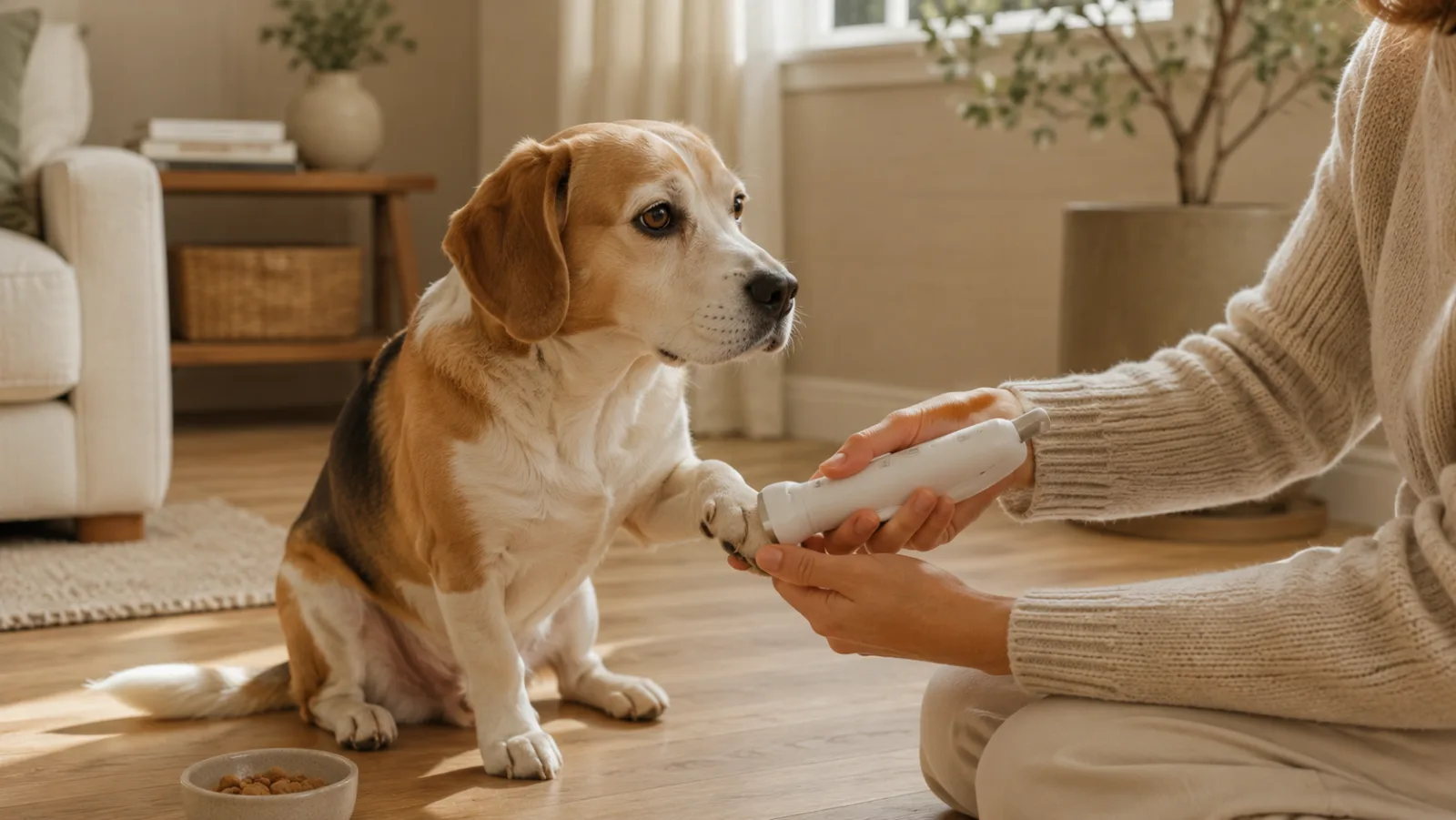
Best Dog Nail Clippers and Grinders for Safer Home Trims (2026)
Cats & Dogs
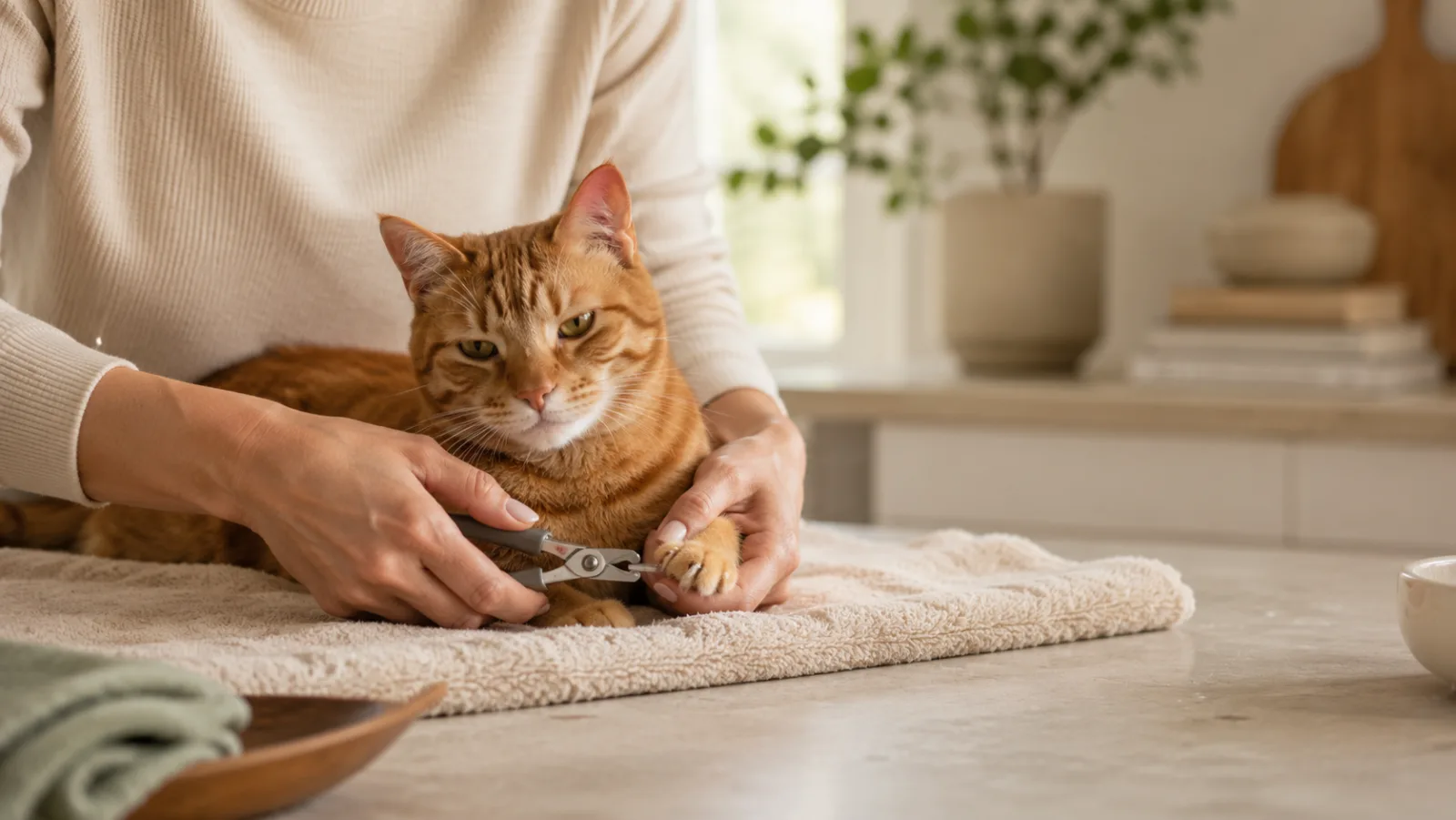
Best Cat Nail Clippers and Grooming Restraints for Low-Stress Trims (2026)
Cats & Dogs
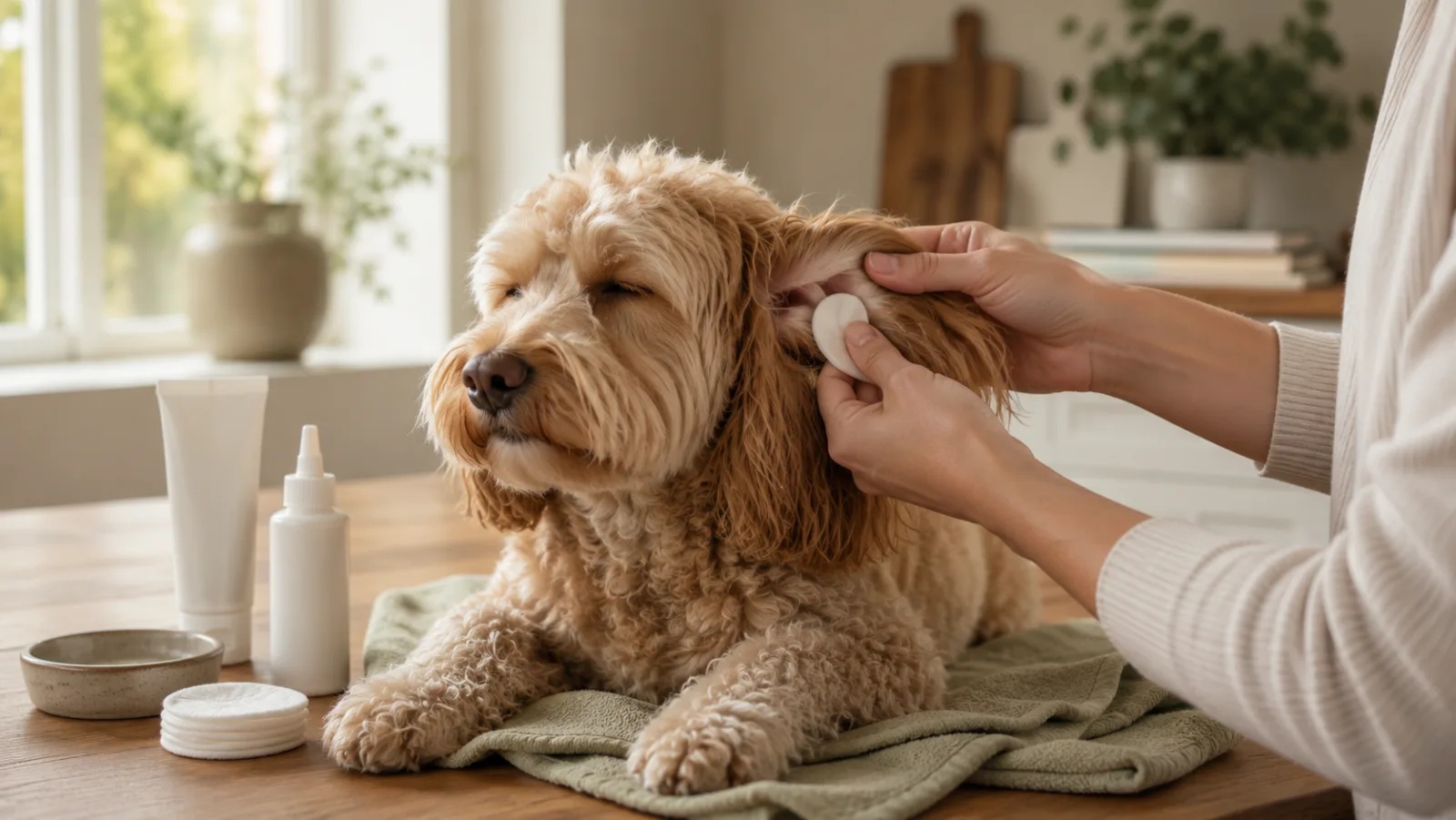
Best Dog and Cat Ear Cleaners for Routine Grooming (2026)

Cats & Dogs
Best Home Dog Grooming Kits and Tools (2026)

Cats & Dogs