Playground
New Guinea Pig Starter Setup: The Bring-Home Checklist (2026)
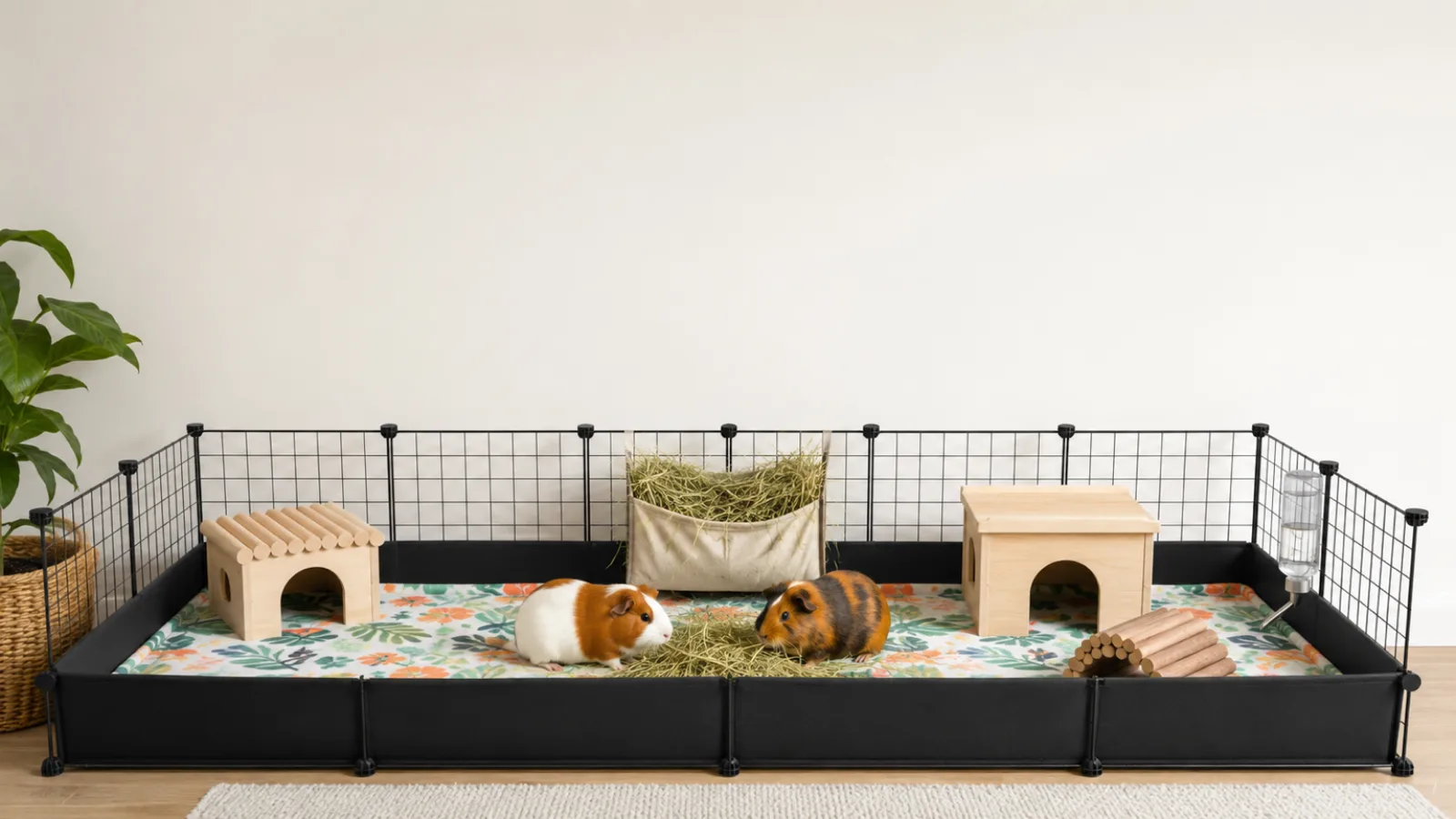
This is not a habitat head-to-head — it is a bring-home checklist. Guinea pigs fail not because owners are cruel, but because they are provisioned like impulse toys instead of the social, vitamin-C-dependent herd animals they are. This page is the whole starter cart, in the order a first-time owner should buy it: one floor-space habitat as the foundation, unlimited grass hay, fortified pellets that supply the vitamin C a guinea pig cannot make on its own, washable fleece, a leak-proof water bottle, and enough hideouts for a pair. Before any of it, plan for two pigs and a five-to-seven-year commitment — and read the caveats if you are buying on impulse, for a child, or for a single pig you cannot spend real hours with each day.
By Nick Miles · Updated July 12, 2026 · 12 min read
PetPalHQ is reader-supported. We may earn a commission from qualifying Amazon purchases at no extra cost to you.
Evidence at a Glance
MidWest Guinea Habitat Cage (171GH)
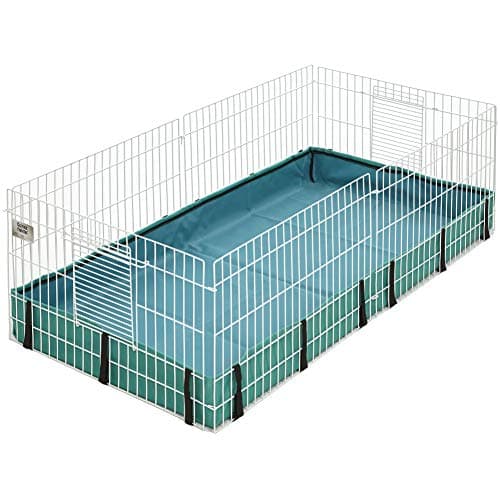
The floor-space foundation — a stated 8 square feet (47 x 24 x 14 inches) with a washable leak-proof PVC-lined canvas bottom that is gentle on delicate feet, 14-inch sides, tool-free setup, and modular expandability per MidWest. It clears the single-pig floor standard out of the box and connects to a second unit when a pair needs more room.
Sources: MidWest Homes for Pets product listing, Guinea-pig welfare floor-space consensus, PetPalHQ guinea-pig habitat analysis (best-guinea-pig-cages-habitats-2026)
Verified Jul 12, 2026
Small Pet Select 1st Cut Timothy Hay
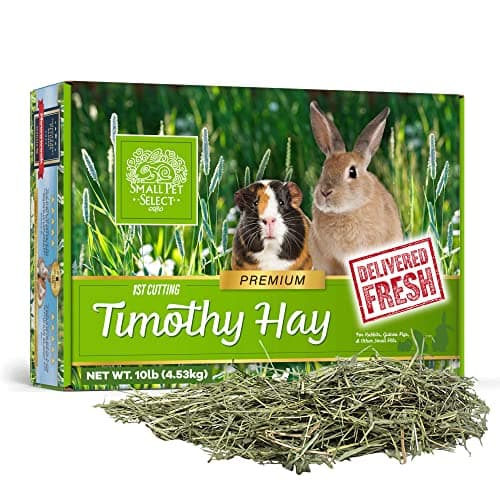
The diet core — 100% US-grown 1st cut Timothy hay, hand-packed in a 10 lb box, with the higher fiber and stem content that wears down constantly growing teeth per Small Pet Select. Unlimited grass hay is the single most important thing in a guinea pig's diet, and this is the base it should always have.
Sources: Small Pet Select product listing, Small-animal veterinary husbandry consensus, Guinea-pig welfare diet consensus
Verified Jul 12, 2026
Oxbow Essentials Adult Guinea Pig Food
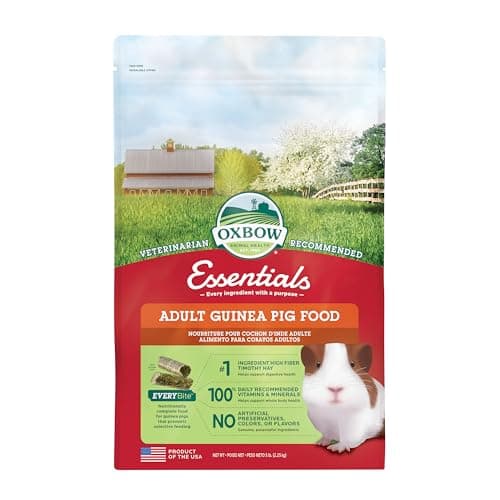
The vitamin-C base — a Timothy-hay-based pellet made with stabilized vitamin C and formulated with 100% of a guinea pig's daily recommended vitamins and minerals per Oxbow. Because guinea pigs cannot make their own vitamin C, a fortified pellet is the reliable daily source that guards against scurvy, with fresh vegetables added on top.
Sources: Oxbow product listing, Guinea-pig welfare vitamin-C consensus, Small-animal veterinary husbandry consensus
Verified Jul 12, 2026
Our Picks
MidWest Homes for Pets
MidWest Guinea Habitat Cage (171GH)
8.7 / 10
- 8 square feet of floor (47 x 24 x 14 inches), meeting the single-pig standard per MidWest
- Leak-proof PVC-lined canvas bottom is hand washable and gentle on sensitive feet
- 14-inch sides contain the pigs while leaving easy owner access from the top
- Tool-free setup in minutes, aimed at first-time owners
$62.99
Current price · checked Sep 8, 2026
Small Pet Select
Small Pet Select 1st Cut Timothy Hay
8.6 / 10
- 100% US-grown 1st cut Timothy hay, hand-packed in small batches per Small Pet Select
- Higher fiber and stem content to wear down constantly growing teeth
- 10 lb box that stores easily and doubles as an enrichment digging box
- Minimally handled and shipped fresh rather than compression-packed
$34.99
Current price · checked Sep 8, 2026
Oxbow
Oxbow Essentials Adult Guinea Pig Food
8.5 / 10
- Made with stabilized vitamin C, the nutrient a guinea pig cannot produce itself, per Oxbow
- Timothy-hay-based, high-fiber formula that supports digestion
- Formulated with 100% of a guinea pig's daily recommended vitamins and minerals
- No artificial preservatives, colors, or flavors per the listing
$12.40
Current price · checked Sep 8, 2026
cimiycob
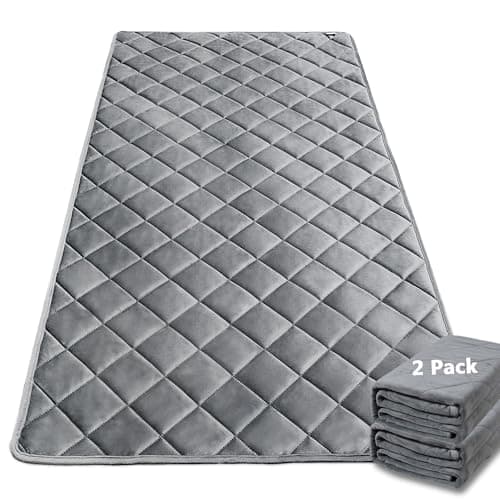
cimiycob Fleece Cage Liner (2-Pack)
8.0 / 10
- Sized 49 x 24 inches to fit the MidWest Guinea Habitat, holding its fit after repeated washes per cimiycob
- Four-layer construction with a soft fleece top that wicks moisture off delicate feet
- Waterproof TPU inner layer and non-slip backing to stay put during zoomies
- Anti-debris treatment so hay and fur shake off before washing
$28.49
Current price · checked Sep 8, 2026
Choco Nose
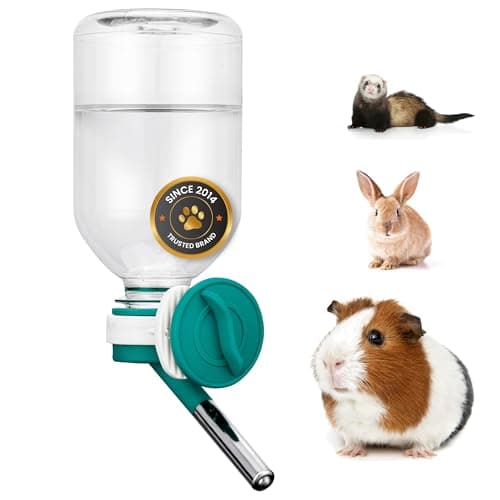
Choco Nose No-Drip Water Bottle
7.9 / 10
- US-patented no-drip nozzle designed to prevent leaks and wet bedding per Choco Nose
- 10 mm mini nozzle the maker recommends for guinea pigs
- 10.2 fl oz capacity, made of BPA-free material
- Screw-on bracket with snap-on and snap-off design for easy cleaning and refilling
$12.69
Current price · checked Sep 8, 2026
JVVGPET
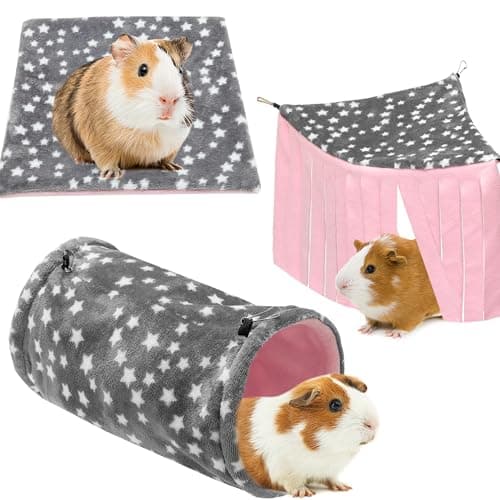
JVVGPET Guinea Pig Hideout (3-Pack)
7.8 / 10
- Three-piece set — a soft mat, a fleece tunnel, and a corner curtain hideout per JVVGPET
- Corner hideout gives a prey animal the enclosed, private space it needs to feel safe
- Fleece tunnel satisfies the natural instinct to burrow and explore
- Waterproof 13.4-inch mat and machine-washable fleece throughout
$17.99
Current price · checked Sep 8, 2026
The Short Answer
Set the whole thing up before the guinea pigs arrive, and buy it in this order. Start with the foundation — floor space — because most pet-store cages are simply too small: the MidWest Guinea Habitat Cage gives a stated 8 square feet at about $62.99, a floor-first starting point for a pair. Then lock in the diet, which is where guinea pig welfare is won or lost. Grass hay must be available at all times, so Small Pet Select 1st Cut Timothy Hay is the unlimited base of the diet. Fortified pellets carry the part a guinea pig's body cannot handle on its own: guinea pigs cannot make their own vitamin C and will develop scurvy without a daily source, so Oxbow Essentials Adult Guinea Pig Food supplies stabilized vitamin C as the reliable base, with fresh vegetables on top. Round out the habitat with the pieces a first-timer skips: washable cimiycob Fleece Cage Liners instead of loose bedding, a leak-proof Choco Nose No-Drip Water Bottle, and JVVGPET fleece hideouts — one hiding place per pig, plus a spare, because guinea pigs are prey animals that need somewhere to feel safe. Two rules sit above the cart: plan for a pair, because a lone guinea pig needs hours of daily owner time to stand in for a companion, and plan for a five-to-seven-year commitment. This is a setup checklist that builds one complete home, not a cage-versus-cage ranking.
Every product on this list has been scored against the PetPal Gear Score, a weighted composite of expert consensus, observed effectiveness, animal safety, long-term durability, and value. Review method: Editorial synthesis of guinea-pig welfare consensus, small-animal veterinary husbandry consensus, and r/guineapigs community consensus, with manufacturer documentation for product specifications. Husbandry claims are stated at the level of established consensus — guinea pigs cannot synthesize vitamin C and need a daily dietary source, hay should be available at all times, they are social herd animals that do best in pairs, and they need ground floor space rather than height. Product specifications are drawn only from each item's current Amazon listing. No statistics are invented. PetPalHQ does not run a testing lab and makes no hands-on claims.. Synthesized from 3+ expert sources.
A guinea pig setup goes wrong, in this guide's editorial judgment, for one reason more than any other: the animals are bought first and provisioned second. A family sees two small, gentle pigs, brings them home the same afternoon, and only then starts working out the cage, the food, and the vitamin C. The gear scramble that follows is stressful for the owner and worse for a prey animal dropped into an unfinished home. This page flips the order. Everything below is meant to be bought and set up before the guinea pigs arrive, so day one is calm.
Start with floor space, because it is the decision every other one depends on and the one no accessory can undo. Guinea pigs are ground animals — they roam, they popcorn, they forage across a flat surface, and they do not use height the way a hamster or a rat does. That means the size of the floor matters more than levels or features, and most pet-store cages are simply too small. Plan for a pair from the start, because guinea pigs are social herd animals that do best with a companion, and a pair needs more floor than one. Buy the space you will need in a year, not the minimum you can get away with in week one.
Then lock in the diet, which is where guinea pig welfare is truly won or lost. Two things are non-negotiable. Grass hay must be available at all times — it supplies the constant fiber a guinea pig's gut needs and the chewing that keeps its ever-growing teeth worn down. And vitamin C must come from food every single day, because guinea pigs, almost uniquely among small pets, cannot make their own. Without a daily source they develop scurvy. That is why a fortified pellet is treated here as medical, not optional, with fresh vegetables added on top. The picks below are the whole starter cart, in the order a first-time owner should buy it — where a claim rests on a maker's documentation, that is named rather than asserted, because PetPalHQ does not run a testing lab.
One welfare spine sits above the whole setup and never bends. Guinea pigs do best in pairs, need floor space over levels, need unlimited hay and daily vitamin C, need fresh water and enough hiding places for a prey animal, and must never be given exercise wheels or balls, which can injure their spines. They are a five-to-seven-year commitment and a quiet-room animal, not a match for a chaotic home or an impulse buy. Get the home right before they arrive, and the rest of their care becomes routine.
Head-to-Head Comparison
| Feature | MidWest Guinea Habitat Cage (171GH) | Small Pet Select 1st Cut Timothy Hay | Oxbow Essentials Adult Guinea Pig Food | cimiycob Fleece Cage Liner (2-Pack) | Choco Nose No-Drip Water Bottle | JVVGPET Guinea Pig Hideout (3-Pack) |
|---|---|---|---|---|---|---|
| Role in the setup | Floor-space foundation | Diet core (fiber, teeth) | Vitamin-C base | Cage floor | Fresh water | Safety and hiding |
| Where it goes | The quiet room, sited first | The hay rack, always full | The food bowl, measured daily | Lining the cage base | Mounted on the cage side | Ends of the habitat |
| Welfare or convenience | Welfare essential — space | Welfare essential — unlimited | Welfare essential — medical | Convenience and comfort | Welfare essential — water | Welfare essential — cover |
| How often you handle it | Set up once, expand later | Refill daily, never rationed | Measured portion daily | Spot-clean daily, wash often | Refill fresh every day | One per pig plus a spare |
| Check price | Amazon | Amazon | Amazon | Amazon | Amazon | Amazon |
$62.99
Current price · checked Sep 8, 2026
- 8 square feet of floor (47 x 24 x 14 inches), meeting the single-pig standard per MidWest
- Leak-proof PVC-lined canvas bottom is hand washable and gentle on sensitive feet
- 14-inch sides contain the pigs while leaving easy owner access from the top
- Tool-free setup in minutes, aimed at first-time owners
- Expandable and modular — connect a second habitat for pair-sized floor space
A guinea pig home starts with one number, not one product: floor space. Guinea pigs are ground animals that roam, popcorn, and forage across a flat surface, so the size of the floor decides more about their welfare than any feature on the box. The MidWest Guinea Habitat Cage earns the foundation slot because it clears the entry standard honestly. MidWest documents a 47 x 24 x 14 inch enclosure providing 8 square feet of interactive space, a washable leak-proof PVC-lined canvas bottom that protects delicate feet, 14-inch sides, tool-free assembly, and modular doors that let you connect a second unit.
Where it fits the setup: this is the shell everything else goes inside, and its value is that it meets the floor-space bar most cheap cages miss. Eight square feet clears the recommended minimum for a single pig, but guinea pigs do best in pairs, and a pair is happier with more — which is exactly why the expandable design matters, because you can add a second habitat rather than replace the first. Owners weighing a bigger footprint, a C&C build, or a pair-sized layout should read our full ranking of guinea pig cages and habitats before deciding, since the floor plan constrains everything you put in it. Buy for the pair you intend to keep, not the single pig you start with.
The honest caveats are about size and expectation. Eight square feet meets the one-pig standard, but it sits under the roughly 10.5 square feet welfare guidance recommends for a pair, so a two-pig home should plan to expand or size up. The open-top design is easy to reach into but offers no protection from a curious dog or cat, so it belongs in a quiet, secure room. And bigger is always better here — no listed dimension is a ceiling to aim for, only a floor to clear. Confirm current price, dimensions, and availability before buying, since large-item listings shift. Chosen as a floor-first foundation to build a pair's home around, it is the strongest single starting point in this setup.
What We Love
- Clears the single-pig floor-space standard at a stated 8 square feet
- Washable PVC-lined canvas bottom is easy to clean and kind to feet
- Tool-free setup suits a first-time owner
- Expandable and modular, so a pair can gain floor space later
What Could Be Better
- Eight square feet sits under the recommended pair size — a two-pig home should expand
- Open top offers no protection from household dogs or cats
- Large footprint needs a dedicated, quiet spot before the pigs arrive
- Fabric base needs regular washing to stay hygienic
The Verdict
Buy this as the floor-first foundation, not the finished home. It clears the single-pig space standard and expands for a pair, which is what a guinea pig setup needs most — just plan to size up if you keep two, because bigger is always better and most starter cages are too small.
Sources
- MidWest Homes for Pets (Amazon product listing, Guinea Habitat Cage 171GH): measures 47 x 24 x 14 inches and provides 8 square feet of interactive space, which the listing states meets veterinarian and breeder recommendations for one to three guinea pigs
- Guinea-pig welfare floor-space consensus: welfare guidance recommends at least 7.5 square feet of floor for one guinea pig and roughly 10.5 square feet for a pair, and most pet-store cages fall well short of that
$34.99
Current price · checked Sep 8, 2026
- 100% US-grown 1st cut Timothy hay, hand-packed in small batches per Small Pet Select
- Higher fiber and stem content to wear down constantly growing teeth
- 10 lb box that stores easily and doubles as an enrichment digging box
- Minimally handled and shipped fresh rather than compression-packed
- The unlimited base of the diet, available to the pigs at all times
If the habitat is the foundation, hay is the diet, full stop. A guinea pig's gut is built to process fiber all day, and its teeth grow for life and need constant chewing to stay worn down — which is why grass hay should be in front of the pigs at all times, not rationed. Small Pet Select 1st Cut Timothy Hay is the base for that. The maker documents 100% US-grown 1st cut Timothy hay, hand-packed in small batches, with higher fiber and more flower heads than other cuttings and a higher stem content that helps wear down overgrown teeth, shipped fresh in a 10 lb box rather than compression-packed.
Where it fits the setup: this is the single most important thing the pigs eat, and it never runs out. Unlimited hay does two jobs at once — it supplies the fiber that keeps the digestive system moving and gives the teeth the grinding they need to stay healthy. First cut is the coarser, higher-fiber option, which is what most adult guinea pigs should have as their staple. Pair it with the fortified pellets below and a daily serving of fresh vegetables, and the diet core is complete. Keep the hay in a rack or a clean corner so it stays dry, and refill it before it runs low rather than after.
The honest caveats are about handling and role. Hay quality varies batch to batch even from a good supplier, so check each box for dust, mold, or damp before offering it, and store it somewhere dry and airy. First cut is coarser than second cut; a few pigs prefer softer hay, though the higher fiber of first cut is the better everyday staple for most adults. And hay is the base, not the whole diet — it does not supply enough vitamin C on its own, which is the job of the pellets and veg. Confirm current price and availability before buying, since bag sizes and pricing change. As the diet core, unlimited grass hay is the one thing a guinea pig should never be without.
What We Love
- Unlimited grass hay is the correct base of a guinea pig's diet
- Higher-fiber first cut helps wear down constantly growing teeth
- Shipped fresh and minimally handled rather than compression-packed
- Large 10 lb box lasts and stores easily
What Could Be Better
- Hay quality varies batch to batch — inspect for dust and mold before feeding
- Coarser first cut is less soft than second cut, which a few pigs prefer
- Does not supply enough vitamin C on its own — pellets and veg are still needed
The Verdict
The base of the whole diet: unlimited first-cut grass hay for fiber and tooth wear, available at all times rather than rationed. Just inspect each box for dust or damp, store it dry, and remember hay alone does not cover vitamin C — that is the pellets' job.
Sources
- Small Pet Select (Amazon product listing, 1st Cut Timothy Hay, 10 LB): 100% US-grown 1st cut Timothy hay, hand-packed in small batches, with higher fiber and more flower heads than other cuttings and a higher stem content to wear down overgrown teeth
- Small-animal veterinary husbandry consensus: unlimited grass hay should make up the large majority of a guinea pig's daily diet, providing the constant fiber that keeps the gut moving and wears down continuously growing teeth
$12.40
Current price · checked Sep 8, 2026
- Made with stabilized vitamin C, the nutrient a guinea pig cannot produce itself, per Oxbow
- Timothy-hay-based, high-fiber formula that supports digestion
- Formulated with 100% of a guinea pig's daily recommended vitamins and minerals
- No artificial preservatives, colors, or flavors per the listing
- The reliable daily vitamin-C base, with fresh vegetables layered on top
Here is the medical fact that sets guinea pigs apart from most other small pets: they cannot make their own vitamin C. Like humans, their bodies lack the enzyme to synthesize it, so they must get it from food every single day, and a chronic shortfall leads to scurvy — swollen joints, poor healing, and a sick pig. That makes vitamin C non-negotiable, not a bonus. Oxbow Essentials Adult Guinea Pig Food is the reliable base for it. Oxbow documents a Timothy-hay-based pellet packed with stabilized vitamin C and prebiotics, formulated with 100% of a guinea pig's daily recommended vitamins and minerals, with no artificial preservatives, colors, or flavors.
Where it fits the setup: pellets are the dependable floor under the diet, and stabilized vitamin C is why. The vitamin C in fresh food and in plain pellets degrades over time with light, air, and age, so a fortified pellet with a stabilized form gives a steadier daily dose than hoping the vegetables cover it. The intended pattern is simple: unlimited hay as the bulk, a measured daily portion of fortified pellets as the vitamin-C base, and a daily serving of fresh vegetables — bell peppers and leafy greens are common vitamin-C-rich choices — layered on top. The pellets are the insurance; the veg is the enrichment and the extra.
The honest caveats are about dose and freshness. Even stabilized vitamin C fades, so buy pellet quantities the pigs will finish within the timeframe on the bag and store them sealed and cool — a stale bag is a weaker dose. Pellets are a measured base, not a free-feed food; over-feeding pellets crowds out hay and can lead to weight and dental problems, so the portion is small and the hay is unlimited, not the other way around. And any sign of illness, or a pig that goes off its food, is a vet question, not a supplement question — an exotics-experienced vet is worth lining up early. Confirm current price and availability before buying. As the vitamin-C base, a fortified pellet is the closest thing to a daily insurance policy against scurvy.
What We Love
- Supplies stabilized vitamin C, the nutrient guinea pigs cannot make themselves
- Timothy-hay-based and high-fiber, matching the correct diet shape
- Formulated with 100% of daily recommended vitamins and minerals per Oxbow
- No artificial preservatives, colors, or flavors
What Could Be Better
- Vitamin C degrades over time — buy amounts the pigs finish fresh and store sealed
- Pellets are a measured base, not free-feed; over-feeding crowds out hay
- Does not replace fresh vegetables or veterinary care for a sick pig
The Verdict
The daily insurance against scurvy: a fortified pellet is the reliable vitamin-C base a guinea pig's body cannot supply on its own. Feed a measured portion alongside unlimited hay and fresh veg, buy it fresh, and store it sealed so the vitamin C stays potent.
Sources
- Oxbow (Amazon product listing, Essentials Adult Guinea Pig Food, 5 lb): Timothy-hay-based pellet packed with stabilized vitamin C and prebiotics and formulated with 100% of a guinea pig's daily recommended vitamins and minerals, with no artificial preservatives, colors, or flavors
- Guinea-pig welfare vitamin-C consensus: guinea pigs cannot synthesize their own vitamin C and require a daily dietary source, because a chronic shortfall causes scurvy — this makes a fortified pellet or supplement medical, not optional
$28.49
Current price · checked Sep 8, 2026
- Sized 49 x 24 inches to fit the MidWest Guinea Habitat, holding its fit after repeated washes per cimiycob
- Four-layer construction with a soft fleece top that wicks moisture off delicate feet
- Waterproof TPU inner layer and non-slip backing to stay put during zoomies
- Anti-debris treatment so hay and fur shake off before washing
- Reusable 2-pack — swap a fresh liner in while the other is in the wash
Once the habitat is chosen, the floor inside it needs covering, and the choice is between disposable bedding and washable fleece. The cimiycob Fleece Cage Liner is the reusable route. cimiycob documents a 49 x 24 inch liner sized for the MidWest Guinea Habitat, built in four layers — a soft fleece top that wicks moisture away from feet, a waterproof TPU inner layer, and a non-slip backing that holds during a guinea pig's zoomies — with an anti-debris treatment so hay and fur shake off before it goes in the wash. It ships as a 2-pack so one liner is always clean while the other is laundering.
Where it fits the setup: fleece turns cage cleaning into a laundry routine instead of a bag-of-bedding expense. The waterproof layer keeps urine off the cage base, the wicking top keeps the surface the pigs walk on dry, and the two-pack means you can spot-clean daily and do a full swap on wash day without the cage ever sitting bare. Cut against loose paper bedding, fleece is tidier and reusable, which many owners prefer once the pigs are litter-aware. It is a comfort-and-convenience layer, not a welfare essential like hay or vitamin C, but it makes the daily upkeep sustainable.
The honest caveats are about the routine fleece demands. Fleece needs daily spot-cleaning — lifting droppings and shaking out hay — and a full wash every few days, so it trades an upfront cost for ongoing laundry rather than ongoing bedding purchases. New fleece sometimes needs washing a few times before it wicks properly, so it may not perform on day one. And it is not absorbent on its own; the design relies on the layers underneath, so a soaked liner still needs changing promptly. Confirm current price and availability before buying. As the floor layer, washable fleece is the sustainable choice for an owner willing to do the laundry.
What We Love
- Reusable fleece replaces ongoing disposable-bedding costs
- Sized for the MidWest habitat with a non-slip, waterproof build
- Two-pack keeps a clean liner ready during wash day
- Wicking top keeps the walking surface dry and kind to feet
What Could Be Better
- Needs daily spot-cleaning and a full wash every few days
- New fleece may need washing several times before it wicks well
- Not absorbent alone — a soaked liner still needs prompt changing
The Verdict
The sustainable floor for an owner who will do the laundry: washable fleece sized for the habitat, tidier and cheaper over time than loose bedding. Just commit to daily spot-cleaning and a wash every few days, and pre-wash new liners so they actually wick.
$12.69
Current price · checked Sep 8, 2026
- US-patented no-drip nozzle designed to prevent leaks and wet bedding per Choco Nose
- 10 mm mini nozzle the maker recommends for guinea pigs
- 10.2 fl oz capacity, made of BPA-free material
- Screw-on bracket with snap-on and snap-off design for easy cleaning and refilling
- Chew-resistant construction built for long-term cage use
Fresh water has to be available at all times, and in a cage an open bowl gets fouled with hay, bedding, and droppings fast — which is why a mounted bottle is the standard. The Choco Nose No-Drip Water Bottle covers it. Choco Nose documents a US-patented no-drip nozzle designed to prevent leaks and keep bedding dry, a 10 mm mini nozzle the maker recommends for guinea pigs, a 10.2 fl oz BPA-free bottle, and a screw-on bracket with a snap-on, snap-off design for easy cleaning and refilling.
Where it fits the setup: the leak-proof claim is the point of this pick. A dripping bottle soaks the fleece or bedding directly below it, undoing the dry floor the liner is there to provide, so a nozzle built to resist that keeps one corner of the cage from turning into a wet patch. Mounted on the side of the habitat at guinea-pig height, it keeps the water clean and off the floor, and the snap-off bracket makes the daily refill and regular cleaning quick. Fill it fresh every day regardless of how much is left — water in a bottle still goes stale.
The honest caveats are about upkeep and monitoring. No bottle is truly guaranteed leak-free forever; nozzles can stick or drip as they age, so check the spot beneath it and clean the ball valve regularly. Bottles also grow biofilm inside if they are not scrubbed, so a bottle brush and a real wash matter more than a quick rinse. And a new pig has to learn the nozzle — most take to it quickly, but watch that each pig is actually drinking in the first days, since a pair means two mouths to confirm. Confirm current price and availability before buying. As the water layer, a leak-resistant mounted bottle keeps water clean and the cage floor dry.
What We Love
- No-drip nozzle helps keep bedding and fleece dry
- Mini nozzle sized by the maker for guinea pigs
- Snap-off bracket makes daily refills and cleaning easy
- BPA-free and built to resist chewing
What Could Be Better
- No bottle stays leak-free forever — check beneath it as it ages
- Needs regular scrubbing inside to prevent biofilm
- A new pig may need a day or two to learn the nozzle
The Verdict
The water layer that keeps the cage floor dry: a leak-resistant mounted bottle sized for guinea pigs. Refill it fresh daily, scrub it regularly to stop biofilm, and confirm every pig in a pair is actually drinking in the first days.
$17.99
Current price · checked Sep 8, 2026
- Three-piece set — a soft mat, a fleece tunnel, and a corner curtain hideout per JVVGPET
- Corner hideout gives a prey animal the enclosed, private space it needs to feel safe
- Fleece tunnel satisfies the natural instinct to burrow and explore
- Waterproof 13.4-inch mat and machine-washable fleece throughout
- One hideout per pig, plus a spare — the prey-species rule for a pair
Guinea pigs are prey animals, and a prey animal that has nowhere to hide is a stressed animal. In the wild they bolt for cover; in a cage they need enclosed spaces they can retreat into to feel safe, or they never fully settle. The JVVGPET Guinea Pig Hideout set covers that need. JVVGPET documents a three-piece fleece set — a soft, waterproof 13.4-inch mat, a fleece tunnel for burrowing and exploring, and a triangular corner curtain hideout that creates a private, enclosed space — all machine-washable.
Where it fits the setup: hiding places are a welfare requirement, not decoration, and the rule of thumb is one hideout per pig plus a spare so no pig is ever cornered or left without cover. For a pair, that means at least two enclosed retreats and ideally a third, which is why a multi-piece set fits this requirement better than a single igloo. The tunnel adds an enrichment route that taps the natural urge to burrow, and the fleece pieces wash alongside the cage liners on laundry day. Placed at opposite ends of the habitat, the hideouts also give two pigs their own space to withdraw to, which eases tension.
The honest caveats are about chewing and coverage. Soft fabric hideouts can be chewed, so inspect them for loose threads or damage and replace them when worn — a frayed fabric loop is a snag hazard. Fleece also holds odor and moisture, so these belong in the wash rotation, not left until they are grimy. And for a pair, one set may not be enough to give every pig its own retreat plus a spare, so a second set or an extra hard hideout may be worth adding. Confirm current price and availability before buying. As the safety layer, enough hiding places are what let a prey animal actually relax in its home.
What We Love
- Gives a prey species the enclosed retreats it needs to feel safe
- Three pieces cover hiding, burrowing, and resting in one set
- Machine-washable, fitting the fleece laundry routine
- Tunnel adds enrichment that taps the natural urge to burrow
What Could Be Better
- Fabric can be chewed — inspect and replace worn pieces
- Holds odor and moisture, so it needs regular washing
- One set may not give every pig in a pair a retreat plus a spare
The Verdict
The safety layer a prey animal cannot do without: enough enclosed hideouts for each pig to retreat, in washable fleece. Follow the one-per-pig-plus-a-spare rule, inspect the fabric for chewing, and add a second set if a pair needs more cover.
How We Score
Formula
PetPal Guinea-Pig-Readiness Score = (Expert Consensus × 0.35) + (Setup Fit × 0.25) + (Safety / Welfare Design × 0.20) + (Value × 0.20)
Score Factors
- Expert Consensus · 35%
- Synthesized from guinea-pig welfare consensus, small-animal veterinary husbandry consensus, and r/guineapigs community consensus, with manufacturer documentation for specifications. The PetPal Guinea-Pig-Readiness Score is a composite of expert opinion — PetPalHQ does not run a testing lab.
- Setup Fit · 25%
- How directly the item advances a complete bring-home setup — floor space, unlimited hay, a daily vitamin-C base, a clean floor, fresh water, and hiding places — rather than how it performs as a standalone product ranked against rivals.
- Safety / Welfare Design · 20%
- Alignment with guinea-pig welfare principles — enough ground floor space, unlimited hay, a daily vitamin-C source, fresh water always available, and enough hiding places for a prey animal kept as a pair.
- Value · 20%
- Cost relative to the item's role in the setup, including durability and how much of the healthy, low-stress outcome the item is responsible for.
| Rank | Product | Score |
|---|---|---|
| #1 | MidWest Homes for Pets MidWest Guinea Habitat Cage (171GH) | 8.7 |
| #2 | Small Pet Select Small Pet Select 1st Cut Timothy Hay | 8.6 |
| #3 | Oxbow Oxbow Essentials Adult Guinea Pig Food | 8.5 |
| #4 | cimiycob cimiycob Fleece Cage Liner (2-Pack) | 8.0 |
| #5 | Choco Nose Choco Nose No-Drip Water Bottle | 7.9 |
| #6 | JVVGPET JVVGPET Guinea Pig Hideout (3-Pack) | 7.8 |
When NOT to Buy
A guinea pig is not an impulse buy, and some homes should not bring one home at all — at least not yet. The most common mistake is buying on the spot for a child or a classroom, treating a five-to-seven-year commitment as a short-term novelty. Guinea pigs live for years, need daily feeding, daily cleaning, and regular vitamin-C-rich food, and they are a poor match for a young child who wants a pet that plays back. If the household is not ready to own the animal for its whole life and do the daily work, waiting is the kinder choice.
The second mistake is planning for a single pig with little interaction. Guinea pigs are social herd animals, and a lone pig is a lonely one — welfare guidance treats a pair as the default, and keeping one alone only works if an owner can genuinely stand in for a companion with hours of daily attention, which most people cannot. If you cannot commit to a pair or to that much daily time, reconsider before buying. And do not try to fix loneliness or boredom with the wrong gear: guinea pigs must never be given exercise wheels or exercise balls, which force an unnatural arched spine and can cause serious back and foot injury. Floor space and floor time are the correct outlet, not a wheel.
Finally, size the space honestly. A cage under roughly 7.5 square feet is too small for even one guinea pig, and most pet-store cages fall short. A prey animal also needs a quiet room — the noise and unpredictability of dogs, cats, or loud young children keep a guinea pig in a state of stress, so a busy or chaotic home is a poor fit without a calm, secure space to house them. Confirm current price, dimensions, and availability on every item before buying, since listings and pricing move. If you cannot provide the space, the pair, and the years, the honest answer is not a smaller setup — it is not yet.
Frequently Asked Questions
- Can I keep just one guinea pig?
- It is far better to keep two. Guinea pigs are social herd animals, and welfare guidance treats a pair as the default rather than a luxury. A lone guinea pig is prone to loneliness and boredom, and the only way keeping one works is if the owner can genuinely stand in for a companion with hours of interaction every day, which most people realistically cannot manage. Two pigs keep each other company, communicate in ways a human cannot replicate, and are generally calmer and more confident for it. The main trade-off is space, since a pair needs a larger floor than a single pig, but that is a reason to size the cage up, not a reason to keep one alone. If you are choosing between one pig with little daily time and a pair with the space they need, the pair is the kinder setup.
- Do guinea pigs really need vitamin C every day?
- Yes, and it is genuinely medical rather than a nice-to-have. Guinea pigs are one of the few animals that cannot synthesize their own vitamin C, so they must take it in from food every single day. A chronic shortfall causes scurvy, which shows up as swollen or painful joints, reluctance to move, poor coat, slow healing, and a generally unwell pig. The reliable way to cover it is a guinea-pig-specific fortified pellet made with stabilized vitamin C, fed in a measured daily portion, backed up by fresh vegetables that are naturally rich in it, such as bell peppers and leafy greens. Ordinary rabbit food does not fit this need, and the vitamin C in plain food degrades over time, which is why a stabilized, fresh pellet matters. If a guinea pig ever seems unwell or stops eating, that is a veterinary question, not something to solve with more supplements at home.
- How big does the cage need to be?
- Bigger than most pet-store cages, and bigger than most first-time owners expect. Welfare guidance points to a floor of at least 7.5 square feet for a single guinea pig and roughly 10.5 square feet for a pair, measured as continuous ground-level floor rather than added-up levels. Guinea pigs are ground animals, so ramps and lofts do not substitute for floor — the flat, usable space is what they actually roam and forage across. Many cages sold in stores are only three or four square feet, which is why picking a cage that clears the standard, or a C&C setup you can size to the pair, matters more than any single feature. Treat those numbers as a floor to clear, not a target to hit exactly. If in doubt, go larger, because no guinea pig has ever suffered from too much room, and a bigger space also makes daily cleaning and enrichment easier.
- What exactly do guinea pigs eat?
- The diet has three parts, in order of quantity. First and most important is unlimited grass hay, such as Timothy hay, which should be available at all times and makes up the large majority of what a guinea pig eats — it supplies fiber for digestion and the constant chewing that keeps teeth worn down. Second is a measured daily portion of guinea-pig-specific fortified pellets, which are there mainly to guarantee the daily vitamin C the animal cannot make itself; pellets are a small, controlled part of the diet, not a free-feed food. Third is a daily serving of fresh vegetables, especially vitamin-C-rich ones like bell peppers and leafy greens, which add variety and extra nutrition. Fresh water rounds it out and must always be available. What to avoid is just as important: no muesli-style mixes that let a pig pick out the sugary bits, and treats kept minimal. Hay first, pellets measured, veg daily is the simple shape to remember.
- Can guinea pigs use exercise wheels or balls?
- No — exercise wheels and exercise balls are unsafe for guinea pigs and should never be used. A guinea pig's spine is not built to arch the way a wheel or ball forces it to, and using one can cause serious back and foot injury. Their exercise needs are met on the flat instead: enough floor space in the cage, plus supervised floor time in a safely enclosed area where they can run and popcorn on level ground. Enrichment comes from tunnels, hideouts, foraging for hay, and simply having room to move and the company of another pig, not from a spinning device. This is one of the clearest lines in guinea pig care, and it is worth stating plainly because wheels and balls are still sold and marketed for small animals. If the goal is a more active, engaged pig, the answer is more space and more floor time, never a wheel.
Bottom Line
Set it up before they come home, and buy for the pair you intend to keep. Floor space is the foundation: the MidWest Guinea Habitat clears the single-pig standard and expands for two, and bigger is always better — most pet-store cages are too small.
Diet is where guinea pig welfare is won. Unlimited first-cut grass hay like Small Pet Select is the base and must never run out, because it supplies the fiber and tooth wear a guinea pig needs all day.
Vitamin C is medical, not optional. Guinea pigs cannot make their own and get scurvy without a daily source, so a fortified pellet like Oxbow Essentials is the reliable base, with fresh vegetables layered on top.
Provision the rest deliberately: washable cimiycob fleece over loose bedding, a leak-proof Choco Nose bottle for clean water and a dry floor, and enough JVVGPET hideouts for one per pig plus a spare, because a prey animal needs somewhere to feel safe.
The welfare spine never bends: a pair over a single pig, floor space over levels, unlimited hay, daily vitamin C, no exercise wheels or balls, a quiet room, and a five-to-seven-year commitment. Get those right and the gear is the easy part.
Sources & Methodology
Methodology
PetPal Guinea-Pig-Readiness Score = (Expert Consensus × 0.35) + (Setup Fit × 0.25) + (Safety / Welfare Design × 0.20) + (Value × 0.20)
Expert review sources
- Guinea-pig welfare consensus — housing, social needs, and the daily vitamin-C requirement
- Small-animal veterinary husbandry consensus — diet, dental health, and preventive care
- r/guineapigs community consensus — cage sizing, pairs, and daily care, as consensus, not quotation
- MidWest Homes for Pets — Guinea Habitat Cage product documentation
- Small Pet Select — 1st Cut Timothy Hay product documentation
- Oxbow — Essentials Adult Guinea Pig Food product documentation
- cimiycob — Fleece Cage Liner product documentation
- Choco Nose — No-Drip Water Bottle product documentation
- JVVGPET — Guinea Pig Hideout product documentation
Community sources
- r/guineapigs — cage sizing, pairs, and bring-home setup consensus
- r/petcare — small-animal husbandry and first-owner consensus
Prices and specs verified July 12, 2026.
About the author
Nick Miles is the chief editor of PetPalHQ. This guinea pig starter plan and its kit are editorial synthesis of guinea-pig welfare consensus, small-animal veterinary husbandry consensus, and r/guineapigs community consensus, with manufacturer documentation for specifications — PetPalHQ does not run a testing lab. The PetPal Guinea-Pig-Readiness Score is a composite of expert opinion, not a measurement. Sources are cited by name throughout.
PetPalHQ is a participant in the Amazon Services LLC Associates Program. We may earn commissions from qualifying purchases — at no extra cost to you.
More Guides
Playground
Best Guinea Pig Cages & Habitats 2026: The C&C Size Debate, and How Much Space Your Cavies Really Need
Playground
Best Outdoor Rabbit Hutches & Runs 2026: Predator-Proofing, Weatherproofing, and How Much Space a Rabbit Really Needs
Playground
Best Hamster Habitats & Cages 2026: Large Cages That Meet the Floor-Space Standard
Playground
Best Ferret Cages & Multi-Level Habitats 2026: Escape-Proof Mansions Built for Climbing Animals
Playground
New Rabbit Starter Setup: The First-Week Checklist (2026)
Playground