Cats & Dogs
Setting Up a Dog Post-Surgery Recovery Station (TPLO / Cruciate Prep Checklist)
A recovery station is not a shopping list — it's a room you build in a specific order, before your dog comes home, so the first two weeks (the phase every surgeon calls the most critical) are already solved. This guide stages the build: pick the zone, traction the path, protect the wound where the incision actually is, add a rear-support sling for the hind end a TPLO surgery loads, solve the car for rechecks, fight crate boredom, and plan for hygiene. It funnels into PetPalHQ's recovery-aids roundup for which exact collar or sling to buy, and stays clearly apart from the senior-arthritis home-setup guide — this station is acute, time-boxed, and dismantled the day the surgeon clears the dog.
By Nick Miles · Updated September 30, 2026 · 13 min read
PetPalHQ is reader-supported. We may earn a commission from qualifying Amazon purchases at no extra cost to you.
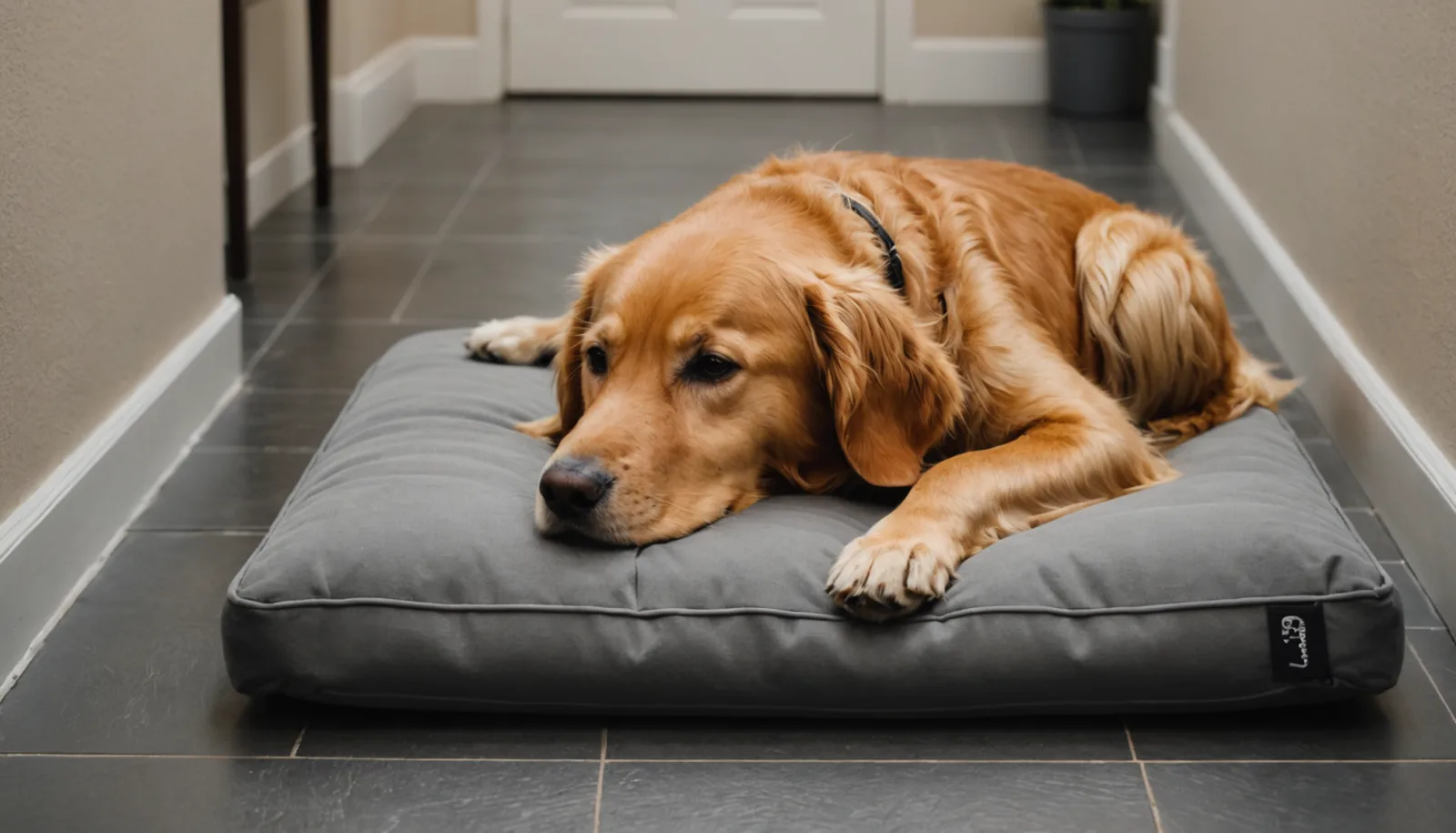
Evidence at a Glance
PETMAKER Foldable Metal Exercise Pen, 8-Panel
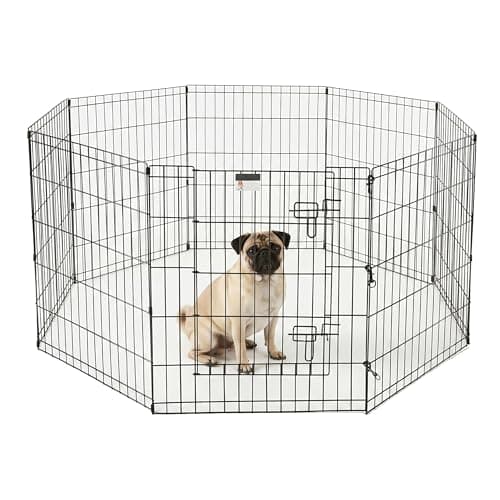
The zone the whole station is built around — an 8-panel, 24×30-inch confinement pen set up before surgery day, so a groggy dog comes home to a room that's already solved rather than one assembled in a panic.
Sources: PETMAKER (Amazon product listing), SustainableVet, Maplewood Veterinary Center
Verified Jul 16, 2026
BENCMATE Inflatable Dog Cone Collar Alternative
The primary wound barrier for a TPLO's knee incision — a softer alternative to a hard E-collar, sized small through large, chosen because a torso suit does not cover a leg wound.
Sources: BENCMATE (Amazon product listing), SustainableVet
Verified Jul 16, 2026
GingerLead Dog Rear Support Sling Harness
The mobility-assist pick for a hind-limb surgery — a rear-lift sling, chosen over a full-body alternative.
Sources: GingerLead (Amazon product listing), GaitGuard
Verified Jul 16, 2026
Our Picks
PETMAKER
PETMAKER Foldable Metal Exercise Pen, 8-Panel
8.5 / 10
- 8 panels, each 24 in wide by 30 in high, per PETMAKER
- Foldable metal construction, buildable before surgery day
- Defines a confined zone with sight-lines to the family
- Off the pen-roundup's ranked SKU — points there for model depth
$47.95
Current price · checked Sep 8, 2026
TTelephant
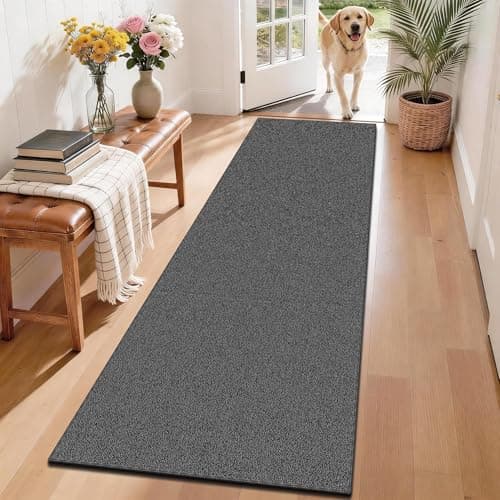
TTelephant Waterproof Non-Slip Runner Rug for Dogs, 2×6 ft
8.2 / 10
- 2 ft by 6 ft washable, waterproof, non-slip runner, per TTelephant
- Marketed for dogs — built for a post-op floor path
- Lists at $36.99, currently $29.59
- Lay it crate-to-door and crate-to-water-bowl
$36.99
Current price · checked Sep 8, 2026
Dr. Buzby's
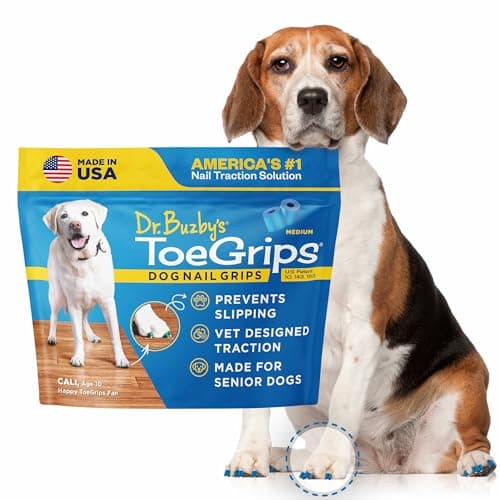
Dr. Buzby's Medium ToeGrips for Dogs
7.9 / 10
- Nail-grip traction rings, medium size, per Dr. Buzby's
- Also available in S/L/XL — size to the dog
- Complements the floor runner rather than replacing it
- Fits on the nails, not near the incision
$39.99
Current price · checked Sep 8, 2026

BENCMATE
BENCMATE Inflatable Dog Cone Collar Alternative
8.6 / 10
- Soft inflatable collar, cone alternative, small-through-large sizing, per BENCMATE
- Lists at $18.89, currently $17.99
- The primary wound barrier for a TPLO/cruciate leg incision
- More tolerable than a hard cone, but not foolproof on a low hind-leg wound
$16.99
Current price · checked Sep 8, 2026
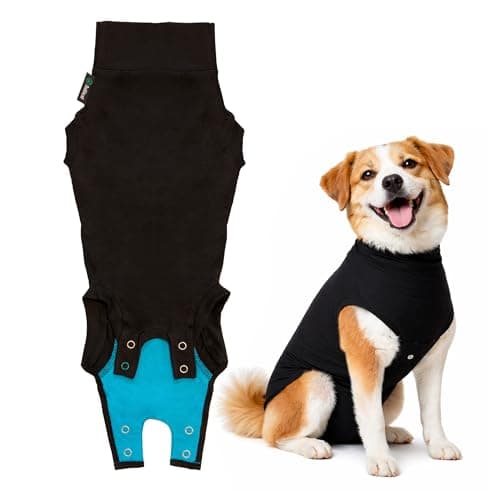
Suitical
Suitical Recovery Suit for Dogs
7.6 / 10
- Full-body recovery suit with a clip-up system, per Suitical
- Earns a station spot for torso comfort, not knee-wound protection
- The same SKU also lives on the recovery-aids roundup for abdominal/spay-neuter wounds
- A leg-sleeve variant exists for limb-incision coverage — check before ordering the torso suit for that job
$29.44
Current price · checked Sep 8, 2026
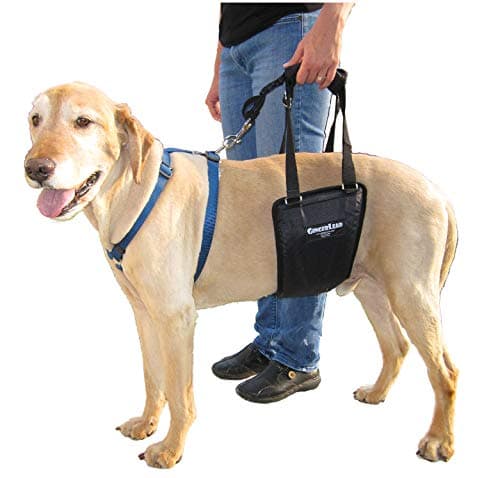
GingerLead
GingerLead Dog Rear Support Sling Harness, M/LG
8.8 / 10
- Rear-support sling with a cutout, M/LG unisex, per GingerLead
- Lifts the hind end for potty breaks and the few unavoidable steps
- The clinically apt choice for a hind-limb surgery like TPLO
- Points to the lift-harness roundup for the full comparison
$69.95
Current price · checked Sep 8, 2026
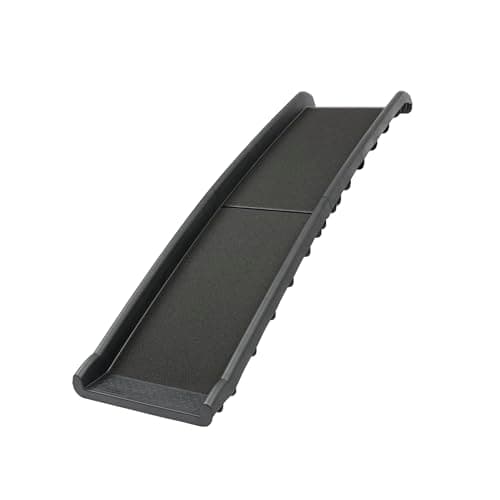
PetSafe
PetSafe Happy Ride 62-Inch Folding Pet Ramp
8.3 / 10
- 62-inch folding ramp for cars, trucks, and SUVs, per PetSafe
- Removes the jump-into-the-car step vet rechecks require
- Folds down for storage between recheck trips
- A telescoping premium alternative exists off-basket
$59.99
Current price · checked Sep 8, 2026
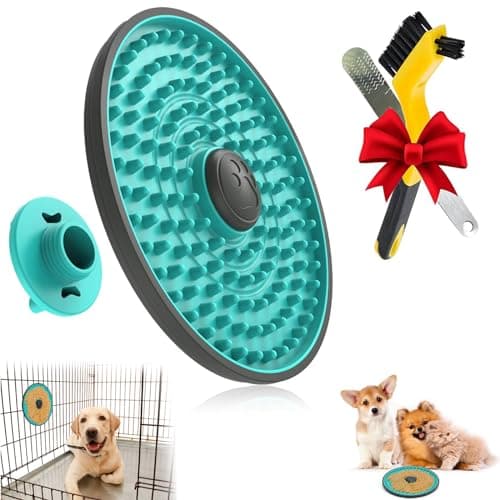
Lalolee
Lalolee Lick Mat for Dogs, Crate Slow Feeder
7.8 / 10
- Crate-sized lick pad and slow feeder, per Lalolee
- Mental stimulation within strict activity limits
- Supervise use — position away from the incision, no craning or twisting
- Any clean, crate-sized lick mat works — model choice is low-stakes
$9.99
Current price · checked Sep 8, 2026
Eterish
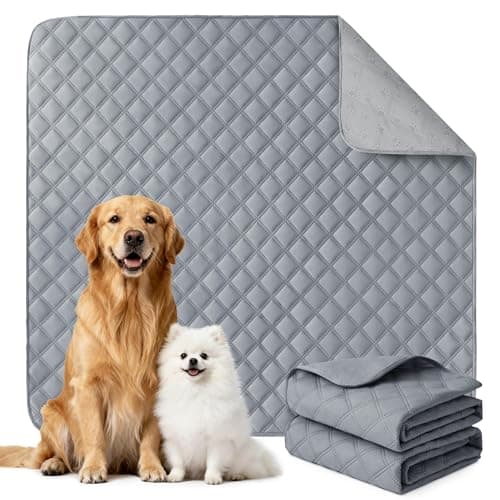
Eterish Reusable Washable Pee Pads, 36×41 in, 2-Pack
8.0 / 10
- Reusable, washable L/XL pad, 2-pack, per Eterish
- Lists at $16.99, currently $14.99
- A groggy or posture-limited dog will have accidents — plan for it, not around it
- Washable beats disposable across a multi-week recovery
$16.99
Current price · checked Sep 8, 2026
The Short Answer
Build the recovery station before your dog comes home, in this order. First, a confined zone with sight-lines to the family — a pen or gated room, set up before surgery day. Second, non-slip traction on every hard floor between the crate and the door, plus paw-side grips for the spots a runner won't reach. Third, a wound barrier sized to the incision: for a TPLO, that's the knee, so an inflatable collar or hard cone is the primary barrier, not a torso suit alone. Fourth, a rear-support sling for potty breaks, because the load and the incision both sit on the hind leg. Fifth, a car ramp for the vet rechecks the timeline requires. Sixth, a lick mat for the boredom of weeks of restriction. Seventh, washable pads for the accidents a groggy or posture-limited dog will have. The first two weeks are strict rest — every source here says so — and a station built in advance means you aren't improvising while your dog is sore and groggy. This guide sets up the room; your surgeon's discharge sheet still rules the medicine, the exercises, and when the restriction ends.
Every product on this list has been scored against the PetPal Gear Score, a weighted composite of expert consensus, observed effectiveness, animal safety, long-term durability, and value. Review method: Editorial synthesis of pre-surgery shopping guidance and recovery-timeline documentation from two veterinary-clinic sources (Maplewood Veterinary Center) and three surgery-and-rehab resources (TopDog Health, SustainableVet, GaitGuard). All protocol content — confinement, traction, wound-barrier choice, mobility support, and recovery-week ranges — is attributed verbatim to these sources; medication, dosing, exercise prescriptions, and the exact date restriction ends are always deferred to the reader's own surgeon. Product specifications come from each item's Amazon listing. No first-hand product testing — PetPalHQ does not run a testing lab. Wound-site framing (collar vs. suit) is kept consistent with PetPalHQ's recovery-aids roundup, which cites the Merck Veterinary Manual and AAHA 2020 postoperative-care guidance.. Synthesized from 5+ expert sources.
A recovery station is not a shopping list. It's a room you build in a specific order, before your dog comes home, so the first two weeks — the phase every surgeon calls the most critical — are already solved. That's the premise of this guide. Your surgeon has scheduled the TPLO or cruciate repair and told you to set up a confined recovery space and buy a few things, but a discharge sheet is not a blueprint. This is that blueprint: what to buy, where to stage it, and in what order, built before the dog comes home from surgery.
This guide is a sequence, not a roundup. It does not re-run a rank battle on cones, slings, or beds. Each pick below is a staged station component — zone, then traction, then wound protection, then mobility, then car access, then enrichment, then hygiene — that points to the relevant PetPalHQ roundup for full product comparison. It stays apart from two neighboring pages on purpose. The recovery-aids roundup runs the actual product rank battle on the collar, the sling, the suit, and pill-delivery aids; this guide is the setup sequence that funnels into it for "which exact model." And the senior-dog arthritis home-setup guide is chronic and permanent, with no end date; this guide is acute — a healthy dog with a single surgical injury, a strict 8-to-16-week restriction, and a return to normal. Same gear category as both neighbors, opposite job: this station is temporary, and you dismantle it when the surgeon clears the dog.
A note on how this guide is built. Every stage below is attributed to one of five vet-clinic or surgery-and-rehab sources — Maplewood Veterinary Center, TopDog Health, SustainableVet, and GaitGuard — and where those sources give different recovery-week ranges, this guide presents an attributed range rather than inventing a single calendar. Nothing here is medication guidance, an exercise prescription, or a ruling on when your dog's restriction ends; those stay with your surgeon. PetPalHQ does not run a testing lab, and product specifications come from each item's Amazon listing.
PetPalHQ.com earns affiliate commissions from qualifying purchases. Recommendations are based on expert consensus — a synthesis of veterinary-clinic and surgery-rehab documentation plus manufacturer listing specifications — to find gear worth staging in a recovery station. Commission rates never influence editorial recommendations.
Head-to-Head Comparison
| Feature | PETMAKER Foldable Metal Exercise Pen, 8-Panel | TTelephant Waterproof Non-Slip Runner Rug for Dogs, 2×6 ft | Dr. Buzby's Medium ToeGrips for Dogs | BENCMATE Inflatable Dog Cone Collar Alternative | Suitical Recovery Suit for Dogs | GingerLead Dog Rear Support Sling Harness, M/LG | PetSafe Happy Ride 62-Inch Folding Pet Ramp | Lalolee Lick Mat for Dogs, Crate Slow Feeder | Eterish Reusable Washable Pee Pads, 36×41 in, 2-Pack |
|---|---|---|---|---|---|---|---|---|---|
| Stage | 0 — Zone | 1 — Traction | 1 — Traction | 2 — Wound | 2 — Wound | 3 — Mobility | 4 — Car access | 5 — Enrichment | 6 — Hygiene |
| Role in the station | Confinement pen | Floor traction | Paw traction | Primary wound barrier | Torso comfort | Rear-support sling | Folding ramp | Lick mat | Washable pad |
| What it solves | Confined, sight-lined zone | Grippy path to door and bowls | Grip on floors the runner misses | Blocks licking/chewing the incision | Torso comfort, cleaner house | Lifts the hind end for potty breaks | Removes the no-jump car step | Mental stimulation in confinement | Accident cleanup |
| Station-Readiness fit label | Confined-Before-Home | No-Slip Path | No-Slip Path | Barrier-to-Incision-Site | Barrier-to-Incision-Site | Rear-Lift Ready | Supporting stage | Supporting stage | Supporting stage |
| PetPal Station-Readiness Score | 8.5 | 8.2 | 7.9 | 8.6 | 7.6 | 8.8 | 8.3 | 7.8 | 8.0 |
| Check price | Amazon | Amazon | Amazon | Amazon | Amazon | Amazon | Amazon | Amazon | Amazon |
$47.95
Current price · checked Sep 8, 2026
- 8 panels, each 24 in wide by 30 in high, per PETMAKER
- Foldable metal construction, buildable before surgery day
- Defines a confined zone with sight-lines to the family
- Off the pen-roundup's ranked SKU — points there for model depth
- Pair with leash-and-supervise for a dog that tries to climb
Build this stage first, because everything below assumes the zone already exists. SustainableVet's TPLO recovery guidance is direct: "Your dog should remain in a confined, safe area, like a crate or small room, to prevent unnecessary movement." GaitGuard says the same thing in fewer words: "Keep your dog in a crate or small pen." PETMAKER's 8-panel pen gives you that room without sacrificing family sight-lines to a closed door — each panel runs 24 inches wide and 30 inches high, foldable metal, so you can shape it around a family-room corner instead of banishing the dog to an empty bedroom.
Set it up before the dog comes home, not the night you get back from the hospital. Maplewood's shopping list frames this stage as pre-op prep: "Limiting access to stairs and high-activity areas can help prevent accidental injuries." A pen built on a calm afternoon comes out square, with no gaps and a clear water-bowl spot — not one assembled half-asleep with a groggy, sore dog waiting in the car.
Here's the honest limit this station won't paper over: a 30-inch pen is a boundary marker, not a barrier a motivated dog respects. A determined jumper can clear it, and the climb attempt itself is a re-injury risk. Pair the pen with a leash-tethered, supervised routine for every trip outside it, and for a large or athletic breed, consider gating off a small room instead — a gated room can beat a pen the dog might try to scale. One big-ticket item the vets flag doesn't get rostered here: Maplewood calls a supportive recovery bed "one of the most important purchases," but at roughly $400 for the supportive beds worth buying, it deserves its own decision rather than a single model forced into this basket — see the orthopedic dog bed roundup.
What We Love
- Defines the confined zone every source calls for on day one
- 24×30-inch panels shape around a family room, not just a spare bedroom
- Foldable metal sets up in an afternoon before surgery day
- Keeps family sight-lines, which lowers isolation stress
What Could Be Better
- A boundary marker, not a barrier a determined dog respects
- A large or athletic breed may try to climb or jump it
- Does not include the bed — that's a separate, bigger-ticket decision
The Verdict
Get the PETMAKER pen and build it before surgery day, not after. It gives your dog a confined zone with family sight-lines, which SustainableVet and GaitGuard both call for — just pair it with a leash and supervision, since a pen alone won't stop a determined climber, and budget the recovery bed as its own purchase.
Sources
- PETMAKER (Amazon product listing, Foldable Metal Exercise Pen): 8 panels, each 24 inches wide by 30 inches high, foldable metal construction
- SustainableVet (Before and After TPLO Surgery: Dog Health and Recovery Timeline): Your dog should remain in a confined, safe area, like a crate or small room, to prevent unnecessary movement.
- Maplewood Veterinary Center (What to Buy Before TPLO Surgery for Your Dog): Limiting access to stairs and high-activity areas can help prevent accidental injuries.
$36.99
Current price · checked Sep 8, 2026
- 2 ft by 6 ft washable, waterproof, non-slip runner, per TTelephant
- Marketed for dogs — built for a post-op floor path
- Lists at $36.99, currently $29.59
- Lay it crate-to-door and crate-to-water-bowl
A hind-leg incision and a hard floor are a bad combination, and every vet source in this guide says so. Maplewood: "Hardwood, tile, and laminate floors can become hazardous after surgery." SustainableVet: "Avoid stairs, slippery floors, and rough terrain." GaitGuard is the most specific: "Avoid slick floors like tile, wood, or vinyl. Place non-slip mats near your dog's bed, food, and water bowls." The runner is how you act on that advice — lay it down the path your dog will actually walk: crate to the door, crate to the water bowl, door to the yard.
TTelephant's 2×6-foot runner is washable and waterproof, which matters in a station where accidents happen (see the hygiene stage below), and it's marketed specifically for dogs rather than a general kitchen mat. It lists at $36.99 and currently sells for $29.59.
A single 2×6-foot runner won't cover every hard floor in the house, and it isn't a substitute for the paw-side traction below — a runner treats the path, not the dog's feet. If your hallway runs longer than six feet, plan on more than one length, or pair it with toe grips for the stretches the runner doesn't reach.
What We Love
- Washable and waterproof, which suits a station with accident risk
- Marketed for dogs, not a repurposed household mat
- Currently $29.59, down from a $36.99 list price
- Covers the highest-traffic stretch: crate to door to bowls
What Could Be Better
- One 2×6-ft length won't cover a long hallway on its own
- Treats the floor, not the dog's feet — pair with toe grips for full coverage
The Verdict
Get the TTelephant runner and lay it down the exact crate-to-door-to-bowl path your dog will use — hardwood and tile are the named re-injury hazard in every source here. At $29.59 (listed $36.99) it's cheap insurance; just measure your hallway, since one length may not cover it all.
Sources
- TTelephant (Amazon product listing, Waterproof Non-Slip Runner Rug): 2 ft by 6 ft washable, waterproof, non-slip runner rug, marketed for dogs
- GaitGuard (TPLO Recovery Week by Week: Walks, Exercises and Red Flags): Avoid slick floors like tile, wood, or vinyl. Place non-slip mats near your dog's bed, food, and water bowls.
- Maplewood Veterinary Center (What to Buy Before TPLO Surgery for Your Dog): Hardwood, tile, and laminate floors can become hazardous after surgery.
$39.99
Current price · checked Sep 8, 2026
- Nail-grip traction rings, medium size, per Dr. Buzby's
- Also available in S/L/XL — size to the dog
- Complements the floor runner rather than replacing it
- Fits on the nails, not near the incision
- The two-surface traction answer: floor plus feet
A runner solves the floor. ToeGrips solve the dog. The two-surface pairing is the honest traction answer for a limb-favoring dog: the runner covers the path you laid it on, and toe grips give paw-side grip on every stretch of hardwood the runner doesn't reach — the kitchen, the far end of the hallway, a vet lobby floor. Dr. Buzby's makes these as nail-grip traction rings, sized medium here, with small, large, and extra-large also available; size them to your dog rather than guessing.
This is a genuine ninth pick in the station, not a filler add-on. It earns its spot because floor-plus-paw traction is what the vet sources are actually describing when they warn about slick floors — Maplewood, SustainableVet, and GaitGuard all name hard floors as a hazard — and a runner alone only protects the path you thought to cover.
Be honest about fitment: ToeGrips go on the nails, well clear of a leg incision, so they're fine to use post-op — but a very swollen or painful paw may resist having anything fitted onto it in the first days home. Introduce them gently, and hold off fitting them until the paw itself is comfortable to handle if your dog resists.
What We Love
- Complements the floor runner instead of duplicating it
- Covers hardwood stretches a single runner can't reach
- Sized medium through extra-large — fit to the dog
- Fits on the nails, well clear of a leg incision
What Could Be Better
- A swollen or painful paw may resist fitting in the first days
- Needs correct sizing to grip properly
- Not a substitute for the floor runner on the main path
The Verdict
Get ToeGrips as the paw-side half of the traction stage — a runner covers the path, ToeGrips cover the dog, and slick floors are the re-injury hazard every source in this guide names. Skip fitting them in the first days if the paw is too swollen or sore to handle.
Sources
- Dr. Buzby's ToeGrips (Amazon product listing, Medium ToeGrips for Dogs): Nail-grip traction rings, medium size, also available in small, large, and extra-large
- GaitGuard (TPLO Recovery Week by Week: Walks, Exercises and Red Flags): Avoid slick floors like tile, wood, or vinyl.
$16.99
Current price · checked Sep 8, 2026
- Soft inflatable collar, cone alternative, small-through-large sizing, per BENCMATE
- Lists at $18.89, currently $17.99
- The primary wound barrier for a TPLO/cruciate leg incision
- More tolerable than a hard cone, but not foolproof on a low hind-leg wound
- Hard cone remains the vet default and the fallback if this isn't enough
Where the incision sits decides which barrier is right — and for a TPLO, it sits on the knee, not the belly. That single fact is why this station's primary wound barrier is a collar, not the recovery suit below. SustainableVet is direct: "To prevent licking or chewing, which can lead to infection, your dog must wear an Elizabethan collar (E-collar) or another protective device." BENCMATE's inflatable is that "another protective device" — a soft, air-filled ring that's easier on a dog than a rigid cone, sized small through large.
It lists at $18.89 and currently sells for $17.99. PetPalHQ's recovery-aids roundup carries the same wound-site framing, citing the Merck Veterinary Manual and AAHA postoperative-care guidance: a torso suit isn't the right pick for a limb incision at all. This station stays consistent with that — the inflatable, or a hard cone, is the tool for a leg wound, and the recovery suit earns its own spot below for a different job. For the full comparison against a hard cone and other collar options, see the recovery-aids roundup.
Be honest about the ceiling here. An inflatable is more tolerable than a hard cone, but a determined dog can still reach a low hind-leg incision around a soft collar's edge — this isn't a guarantee the knee is unreachable. If your dog reaches the incision despite the inflatable, a hard cone is the fallback, not a sign you bought the wrong thing. Ask your surgeon which barrier they want at discharge; some practices supply one directly.
What We Love
- The barrier type vets actually call for on a limb incision
- Softer and more tolerable than a rigid E-collar for most dogs
- Currently $17.99, down from an $18.89 list price
- Sized small through large
What Could Be Better
- A determined dog can still reach a low hind-leg wound around a soft collar
- Hard cone is the fallback if the inflatable isn't enough
- Not a substitute for the surgeon's discharge instructions on which barrier to use
The Verdict
Get the BENCMATE inflatable as the primary wound barrier for a TPLO knee incision — a torso suit doesn't cover a leg wound, and this is the softer version of the E-collar every source says the dog needs. At $17.99 (listed $18.89) it's the affordable first try; keep a hard cone in mind as the fallback if a determined dog still reaches the site.
Sources
- BENCMATE (Amazon product listing, Inflatable Dog Cone Collar Alternative): Soft inflatable collar, cone alternative, small through large sizing
- SustainableVet (Before and After TPLO Surgery: Dog Health and Recovery Timeline): To prevent licking or chewing, which can lead to infection, your dog must wear an Elizabethan collar (E-collar) or another protective device.
$29.44
Current price · checked Sep 8, 2026
- Full-body recovery suit with a clip-up system, per Suitical
- Earns a station spot for torso comfort, not knee-wound protection
- The same SKU also lives on the recovery-aids roundup for abdominal/spay-neuter wounds
- A leg-sleeve variant exists for limb-incision coverage — check before ordering the torso suit for that job
- Keeps a house cleaner during a groggy, med'd recovery
This one needs an honest correction up front: the base Suitical torso suit does not cover a TPLO's knee incision, and this station won't pretend otherwise. PetPalHQ's own recovery-aids roundup — grounded in the Merck Veterinary Manual and AAHA 2020 postoperative-care guidance — frames the suit as built for abdominal or spay-neuter wounds, "not the right pick for limb, head, or face wounds at all." A stifle incision is a limb wound. That's exactly why the primary barrier above is the inflatable collar, not this suit.
So why does the suit still earn a spot in the station? Three honest reasons: torso comfort and abrasion protection while the dog moves around the pen, a cleaner house during a groggy, med'd recovery when accidents happen, and — for owners who specifically want limb coverage from the Suitical line — a separate leg-sleeve variant that is not the torso suit reviewed here. Check the leg-sleeve option before ordering if knee coverage from this brand is what you're after; the clip-up torso suit itself does not do that job.
Keep the framing straight when you're shopping: cone-vs-suit isn't a default choice, it's a wound-site question, and for a TPLO the answer is collar first, suit as a comfort layer second — never the reverse.
What We Love
- Clip-up system is easy to get a groggy dog into
- Keeps the torso and house cleaner during accident-prone days
- A leg-sleeve variant exists for owners who want limb coverage from this brand
- Same SKU used on the recovery-aids roundup for its correct use case
What Could Be Better
- Does NOT cover a knee or limb incision — do not use it as the wound barrier for TPLO
- Only a comfort and cleanliness role in this specific station
- The leg-sleeve variant, not this torso suit, is the one that reaches a leg wound
The Verdict
Get the Suitical suit for torso comfort and house-cleanliness during recovery, not as your knee-incision barrier — a TPLO wound is on the leg, and the suit's own product family says it isn't built for limb wounds. Keep the BENCMATE inflatable or a hard cone as the actual wound protection.
Sources
- Suitical (Amazon product listing, Recovery Suit for Dogs): Full-body recovery suit with a clip-up closure system
- PetPalHQ recovery-aids roundup (citing the Merck Veterinary Manual and AAHA 2020 postoperative-care guidance): A recovery suit is best suited to abdominal or spay-neuter wounds and is not the right pick for limb, head, or face wounds at all.
$69.95
Current price · checked Sep 8, 2026
- Rear-support sling with a cutout, M/LG unisex, per GingerLead
- Lifts the hind end for potty breaks and the few unavoidable steps
- The clinically apt choice for a hind-limb surgery like TPLO
- Points to the lift-harness roundup for the full comparison
A TPLO incision and the surgical load both sit on the hind limb, so the sling that helps is the one built for the back end. GaitGuard's line is exact: "A rear sling lifts the back end and reduces strain on the healing leg." SustainableVet backs it up more loosely — "Use a sling or towel under the belly if needed" — and Maplewood frames the whole category: "A support harness can make moving easier, especially during the first few weeks." GingerLead's rear-support sling, with a cutout built for that hind-end lift, is the primary pick here for exactly that job.
There's a fit reason this is the primary pick over a full-body alternative some owners consider: a full-body front-and-rear harness is genuine overkill for a single hind-limb repair, so the rear sling is the better fit for this specific surgery. If you want a full-body option anyway, for a dog needing front-and-rear assist, the roundup linked below covers those options.
This guide doesn't re-run the sling comparison here. The GingerLead itself is compared head-to-head (against the Help 'Em Up harness) on our recovery and medication-compliance roundup; for other lift-harness and support-sling options, see the lift-harness and support-sling roundup.
What We Love
- Targets the hind end, exactly where a TPLO incision and load sit
- Cutout design built specifically for rear support
- Lighter and simpler than a full front-and-rear harness for a single hind-limb repair
What Could Be Better
- Not built for a dog needing BOTH front and rear support — that's a different harness
- M/LG sizing only in this listing — confirm fit for your dog
- A sling, not a wheelchair — still requires the owner to lift and guide
The Verdict
Get the GingerLead rear sling for potty breaks and the unavoidable few steps — it's the clinically apt pick for a hind-limb surgery like TPLO. If your dog genuinely needs front-and-rear support, a full-body harness is the alternative to look at.
Sources
- GingerLead (Amazon product listing, Dog Rear Support Sling Harness): Rear-support sling harness with a cutout design, M/LG unisex sizing
- GaitGuard (TPLO Recovery Week by Week: Walks, Exercises and Red Flags): A rear sling lifts the back end and reduces strain on the healing leg.
- Maplewood Veterinary Center (What to Buy Before TPLO Surgery for Your Dog): A support harness can make moving easier, especially during the first few weeks.
$59.99
Current price · checked Sep 8, 2026
- 62-inch folding ramp for cars, trucks, and SUVs, per PetSafe
- Removes the jump-into-the-car step vet rechecks require
- Folds down for storage between recheck trips
- A telescoping premium alternative exists off-basket
- Points to the full ramps roundup for model depth
Recovery doesn't happen entirely at home — GaitGuard's timeline includes rechecks, and any recheck means a car trip. The rule for getting there is blunt: "Do not let your dog jump into the car. Use a harness to lift and gently place your dog in the car." A ramp is the practical way to avoid a manual lift-and-place routine on every visit, especially with a large dog.
PetSafe's Happy Ride ramp folds out to 62 inches and sets up quickly at the car door, then folds back down for storage between rechecks. It's off the ramps roundup's own ranked SKU on purpose, so this station doesn't duplicate that page's comparison — for the full field, including a telescoping premium option, see the dog ramps and stairs roundup.
One practical note: introduce the ramp calmly, on flat ground first if you can, before the first real car trip. A groggy, sore dog meeting an unfamiliar ramp for the first time right at the car door adds stress to an already hard day.
What We Love
- Removes the no-jump rule's biggest logistics problem: the car
- 62-inch length suits most sedans and SUVs
- Folds for storage between the recheck trips that need it
- Off the ramps-roundup's ranked SKU — no duplicated comparison
What Could Be Better
- A large or nervous dog may need a practice run before the first real trip
- Folding ramps take up trunk or hallway storage space
- A telescoping premium alternative exists if this one doesn't suit your vehicle
The Verdict
Get the PetSafe ramp before the first recheck — vets need the dog back in, and the no-jump rule applies to every one of those trips. Introduce it calmly before surgery day rather than for the first time at a stressful car-door moment.
Sources
- PetSafe (Amazon product listing, Happy Ride Folding Pet Ramp): 62-inch folding ramp for cars, trucks, and SUVs
- GaitGuard (TPLO Recovery Week by Week: Walks, Exercises and Red Flags): Do not let your dog use stairs or get on furniture. Do not let your dog jump into the car. Use a harness to lift and gently place your dog in the car.
$9.99
Current price · checked Sep 8, 2026
- Crate-sized lick pad and slow feeder, per Lalolee
- Mental stimulation within strict activity limits
- Supervise use — position away from the incision, no craning or twisting
- Any clean, crate-sized lick mat works — model choice is low-stakes
- Points to the lick-mat roundup for the wider field
Confinement is the treatment, but boredom is the side effect, and it's a real one — a dog restricted to a pen for weeks needs something to do with its brain, not just its body. Maplewood addresses it directly, in the same shopping list that calls for the pen and the collar: "Since activity levels will be limited, mental stimulation becomes especially important." A lick mat is a low-effort way to deliver that inside the confined zone, in the crate or pen, without adding any physical exertion.
Lalolee's version is sized for a crate, which keeps it inside the zone rather than encouraging the dog to wander for it. The exact model here is genuinely low-stakes — this station rosters a clean, crate-sized option, but any comparable lick mat does the same job; see the lick mats and slow-feeder roundup for the full comparison.
Keep enrichment inside the restriction, not outside it. Supervise every session, and don't position the mat somewhere the dog has to crane or twist toward a fresh incision to use it. Boredom relief is not a loophole in the activity limit — it's a way to make the limit tolerable.
What We Love
- Delivers mental stimulation without any physical exertion
- Crate-sized, so it stays inside the confined zone
- Cheap enough in this roster to keep a spare on hand
- Model choice is genuinely low-stakes
What Could Be Better
- Needs supervision — don't leave a dog unattended with any chew item post-op
- Position matters — avoid postures that twist toward the incision
- Not a substitute for the surgeon-approved activity level
The Verdict
Get a crate-sized lick mat like the Lalolee for the boredom that comes with weeks of restriction — Maplewood calls mental stimulation 'especially important' once activity drops. Keep it supervised and positioned so the dog isn't craning toward the incision to use it.
Sources
- Lalolee (Amazon product listing, Lick Mat Crate Slow Feeder): Crate-sized lick pad and slow feeder
- Maplewood Veterinary Center (What to Buy Before TPLO Surgery for Your Dog): Since activity levels will be limited, mental stimulation becomes especially important.
$16.99
Current price · checked Sep 8, 2026
- Reusable, washable L/XL pad, 2-pack, per Eterish
- Lists at $16.99, currently $14.99
- A groggy or posture-limited dog will have accidents — plan for it, not around it
- Washable beats disposable across a multi-week recovery
- A heavier 4-pack alternative exists for bigger dogs or a heavier early phase
A dog on pain medication, or one that physically cannot posture normally in the first days, will have accidents. That's not a failure of the station — it's a predictable part of the timeline, and Maplewood's shopping list plans for it directly: "Having extra blankets and washable bedding available makes cleanup easier." The washable pad is that plan, laid under the crate or the pen's resting spot before you need it, not fetched in a panic afterward.
Eterish's reusable pad runs 36 by 41 inches, large/extra-large sizing, in a 2-pack so you always have a dry one in rotation while the other washes. It lists at $16.99 and currently sells for $14.99. Reusable beats disposable across an 8-to-16-week recovery arc on both cost and waste — you're not buying a new stack every week.
One firm rule for this stage: cleanup prose stops at the pad. This station doesn't route you to any odor-removal product for accident cleanup — that's outside what this guide covers. If your dog is a bigger breed, or you're in the heaviest early days, a 4-pack of heavier underpads is the upgrade; the 2-pack here is sized for on-basket value.
What We Love
- Sized 36×41 in, large/extra-large — suits most dogs
- Reusable across the full 8-to-16-week recovery, not a weekly disposable buy
- Currently $14.99, down from a $16.99 list price
- 2-pack keeps a dry one in rotation while the other washes
What Could Be Better
- A 2-pack may run short for a heavy-accident stretch or a large dog — a 4-pack upgrade exists
- Washing adds a laundry task to an already busy recovery
- Doesn't replace vigilance about the posture and mobility limits that cause the accidents
The Verdict
Get the Eterish washable pads and lay them down before you need them — Maplewood specifically calls out washable bedding for post-op cleanup, and a groggy or posture-limited dog having an accident is normal, not a setback. At $14.99 (listed $16.99) the 2-pack covers most homes; size up to a 4-pack for a bigger dog or a heavier early phase.
Sources
- Eterish (Amazon product listing, Reusable Washable Pee Pads): Reusable, washable pad, 36 by 41 inches, large/extra-large, 2-pack
- Maplewood Veterinary Center (What to Buy Before TPLO Surgery for Your Dog): Having extra blankets and washable bedding available makes cleanup easier.
How We Score
Formula
PetPal Station-Readiness Score = (Zone Containment × 0.35) + (Traction Coverage × 0.25) + (Wound Barrier Fit × 0.20) + (Mobility Assist × 0.20)
Score Factors
- Zone Containment · 35%
- Fit label: Confined-Before-Home. Is the zone built, sized, and sight-lined before surgery day? This carries the highest weight because the persona failure this guide exists to prevent is improvising a confinement setup while the dog is already groggy and sore. SustainableVet: "Your dog should remain in a confined, safe area, like a crate or small room, to prevent unnecessary movement."
- Traction Coverage · 25%
- Fit label: No-Slip Path. Is every hard floor between the crate and the door made grippy, with the runner and the toe grips together? Slippery floors are the named re-injury hazard across Maplewood, SustainableVet, and GaitGuard.
- Wound Barrier Fit · 20%
- Fit label: Barrier-to-Incision-Site. Is the licking barrier matched to where the incision actually is — a knee, which needs a collar or cone, not a torso suit alone? Grounded in SustainableVet's E-collar guidance and PetPalHQ's recovery-aids roundup, which cites the Merck Veterinary Manual and AAHA 2020 postoperative-care guidance.
- Mobility Assist · 20%
- Fit label: Rear-Lift Ready. Is a rear-support sling on hand for potty breaks and the few unavoidable steps? GaitGuard: "A rear sling lifts the back end and reduces strain on the healing leg."
| Rank | Product | Score |
|---|---|---|
| #1 | GingerLead GingerLead Dog Rear Support Sling Harness, M/LG | 8.8 |
| #2 | BENCMATE BENCMATE Inflatable Dog Cone Collar Alternative | 8.6 |
| #3 | PETMAKER PETMAKER Foldable Metal Exercise Pen, 8-Panel | 8.5 |
| #4 | PetSafe PetSafe Happy Ride 62-Inch Folding Pet Ramp | 8.3 |
| #5 | TTelephant TTelephant Waterproof Non-Slip Runner Rug for Dogs, 2×6 ft | 8.2 |
| #6 | Eterish Eterish Reusable Washable Pee Pads, 36×41 in, 2-Pack | 8.0 |
| #7 | Dr. Buzby's Dr. Buzby's Medium ToeGrips for Dogs | 7.9 |
| #8 | Lalolee Lalolee Lick Mat for Dogs, Crate Slow Feeder | 7.8 |
| #9 | Suitical Suitical Recovery Suit for Dogs | 7.6 |
When NOT to Buy
Don't buy anything before the pre-op consult. Your surgeon's discharge list is the authority here — some practices supply the cone or the sling directly, specify a crate over a pen, or set a different restriction than the general guidance in this station. Build the station after the consult, so you aren't double-buying gear the clinic already covers.
Crate versus pen is a real choice, not "buy both." A tighter crate may be the surgeon's call for the strictest early phase; a pen suits a larger zone once the dog is further along. Don't buy a pen if your surgeon wants strict crate rest instead — this station is built on honesty, not on padding the roster.
This station is not pain management. Nothing rostered here treats pain, controls a medication schedule, or replaces a scheduled recheck. Dosing, exercise prescriptions, and exactly when the restriction ends are always the surgeon's call, never this guide's.
Skip fitting the toe grips if the paw is too swollen or painful right now. Introduce them later, once the paw is comfortable to handle — don't force fitment onto a fresh post-op foot.
Skip a full-body harness unless your dog genuinely needs front-and-rear support. The rear sling this station rosters is built for the hind end; revisit the full-body option later if your dog turns out to need it.
And know the difference between acute and chronic. If your dog's mobility problem is age-related and permanent rather than a single surgical injury with a defined recovery arc, this time-boxed station is the wrong frame entirely — see the senior-dog arthritis home-setup guide instead, which is built for a house you adapt forever, not a room you dismantle at the surgeon's clearance.
Frequently Asked Questions
- What do I actually need to buy before TPLO surgery?
- The vet-published station list runs: a confined zone (pen or gated room), non-slip floor and paw traction, a wound-protection collar matched to the incision site, a rear-support sling, a car ramp, an enrichment item, washable pads, and — as its own bigger purchase — an orthopedic bed. Maplewood's own pre-surgery shopping list is the ground truth for this roster. Medication and pill-delivery aids are a separate buy; see the recovery-aids roundup for those.
- How long is the recovery — when does the restriction end?
- Treat it as an attributed range, not a fixed calendar. Strict rest runs the first 2 weeks, per Maplewood, with gradual light activity in weeks 3 through 8. TopDog Health puts primary bone healing at a minimum of 8 weeks, and Maplewood notes most dogs recover in roughly 8 to 12 weeks, though SustainableVet puts full strength at 3 to 6 months. GaitGuard's rehab plans run conditioning work out to weeks 13 through 16. Your surgeon's own timeline overrides all of this — these ranges are the general shape, not your dog's specific date.
- Cone, inflatable collar, or recovery suit — which one?
- It depends on where the incision is. A TPLO incision sits on the knee, so the barrier is an inflatable collar or a hard cone, not a torso suit alone — the suit is built for abdominal wounds. SustainableVet is direct about the requirement itself: your dog "must wear an Elizabethan collar (E-collar) or another protective device."
- Why does everyone say non-slip floors matter so much?
- Because a dog favoring one hind leg slips easily on hardwood or tile, and a slip can re-injure the surgical repair. Maplewood: "Hardwood, tile, and laminate floors can become hazardous after surgery." SustainableVet and GaitGuard both list slippery floors among the hazards to avoid, and GaitGuard specifically calls for non-slip mats near the dog's bed, food, and water bowls.
- My dog seems fine after a few days — can I ease up?
- No. TopDog Health is blunt: "Over-activity can be devastating with regards to the TPLO," and the same source calls the first 12 weeks "the most critical time for recovery." Dogs often feel good well before the bone has actually healed. Follow the surgeon's restriction, not the dog's mood.
- How do I get my dog outside to pee without hurting the leg?
- Leash-only, short trips, with a rear-support sling to take the load off the healing leg. GaitGuard: "A rear sling lifts the back end and reduces strain on the healing leg." SustainableVet adds the simpler version of the same advice: "Use a sling or towel under the belly if needed."
- Do I need the pen if I already have a crate?
- Either satisfies the core requirement — SustainableVet calls for "a confined, safe area, like a crate or small room." A pen defines a slightly larger zone with family sight-lines; a crate is tighter rest. Neither is a jump-proof barrier on its own, so leash-tether and supervise regardless, and for a large breed, a gated small room can beat a pen it might try to climb.
- What about pain meds and the pill schedule?
- That's out of scope for this station — it's your surgeon's protocol, not a product decision. Pill-delivery aids live on the recovery-aids roundup. This guide sets up the room, not the medicine.
Bottom Line
Get the PETMAKER pen and build it before surgery day — it defines the confined, sight-lined zone every source calls for, but pair it with a leash and supervision, since a pen alone won't stop a determined climber.
Get the TTelephant runner and lay it crate-to-door-to-bowls — hardwood and tile are the named re-injury hazard in every vet source here, and at $29.59 (listed $36.99) it's cheap insurance.
Add Dr. Buzby's ToeGrips for the paw-side half of traction — a runner covers the path, ToeGrips cover the dog's feet on the stretches the runner can't reach.
Get the BENCMATE inflatable collar as the primary wound barrier — a TPLO incision is on the knee, not the belly, so this is the softer version of the E-collar every source says the dog needs.
Get the Suitical suit for torso comfort and a cleaner house, not as the wound barrier — the suit's own product family says it isn't built for limb wounds.
Get the GingerLead rear sling for potty breaks — it targets the hind end where a TPLO's incision and load sit.
Get the PetSafe ramp before the first recheck — the no-jump rule applies to every car trip the recovery timeline requires.
Add a crate-sized lick mat like the Lalolee for the boredom of weeks of restriction — mental stimulation matters once activity drops, and the model choice itself is low-stakes.
Get the Eterish washable pads and lay them down before you need them — a groggy or posture-limited dog having an accident is normal, and washable beats disposable across an 8-to-16-week recovery.
Sources & Methodology
Methodology
PetPal Station-Readiness Score = (Zone Containment × 0.35) + (Traction Coverage × 0.25) + (Wound Barrier Fit × 0.20) + (Mobility Assist × 0.20)
Expert review sources
- Maplewood Veterinary Center (What to Buy Before TPLO Surgery for Your Dog) — the pre-surgery shopping list itself: a supportive bed, non-slip flooring, a protective collar, a support harness, leash-only activity control, mental stimulation, and washable bedding
- Maplewood Veterinary Center (TPLO Surgery for Dogs: Recovery & Care Guide) — the recovery timeline: strict rest the first 2 weeks, gradual light activity weeks 3-8, and increased activity after 8 weeks based on veterinary guidance
- TopDog Health (Tibial Plateau Leveling Osteotomy) — the first 12 weeks are the most critical recovery window, primary healing takes a minimum of 8 weeks, and over-activity can be devastating to a TPLO repair
- SustainableVet (Before and After TPLO Surgery: Dog Health and Recovery Timeline) — confinement to a safe area, avoiding slippery floors, using a sling under the belly if needed, the E-collar requirement, and a 3-to-6-month full recovery arc
- GaitGuard (TPLO Recovery Week by Week: Walks, Exercises and Red Flags) — crate/pen confinement, the no-stairs-no-furniture-no-jumping-in-the-car rule, non-slip mat placement, the rear-sling role, and a 16-week conditioning arc
Prices and specs verified July 17, 2026.
About the author
Nick Miles is the chief editor of PetPalHQ. This recovery-station setup protocol is an editorial synthesis of pre-surgery shopping guidance and recovery-timeline documentation from Maplewood Veterinary Center, TopDog Health, SustainableVet, and GaitGuard. Wound-site framing for the collar-versus-suit decision is kept consistent with PetPalHQ's recovery-aids roundup, which cites the Merck Veterinary Manual and AAHA 2020 postoperative-care guidance. Product specifications come from each item's Amazon listing, verified 2026-07-16 and re-checked 2026-07-17. PetPalHQ does not run a testing lab, and the PetPal Station-Readiness Score is a composite of documented veterinary guidance and station-build logistics, not a lab measurement. No recovery-week calendar is invented here — sources differ (8-to-12 weeks per Maplewood, 8-week primary healing per TopDog, 3-to-6 months full recovery per SustainableVet, 16-week conditioning per GaitGuard), so this guide presents an attributed range and defers the actual restriction timeline to the reader's own surgeon.
PetPalHQ is a participant in the Amazon Services LLC Associates Program. We may earn commissions from qualifying purchases — at no extra cost to you.
More Guides
Cats & Dogs
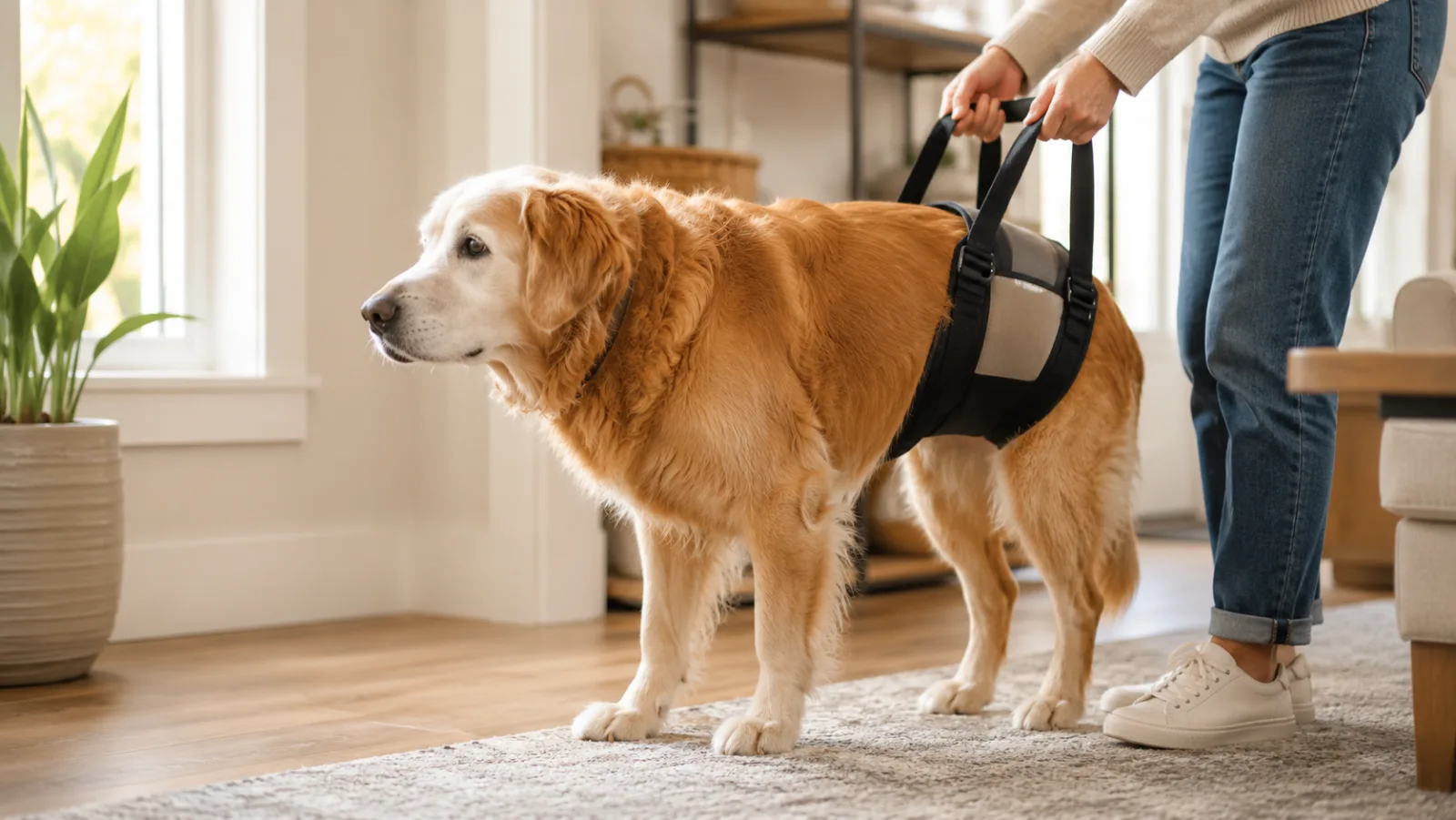
Best Pet Recovery and Medication Compliance Aids: Slings, Pill Pockets & Recovery Suits (2026)
Cats & Dogs
Best Dog Lift Harnesses & Support Slings 2026: Worn Aids Ranked for Senior and Post-Op Mobility
Cats & Dogs
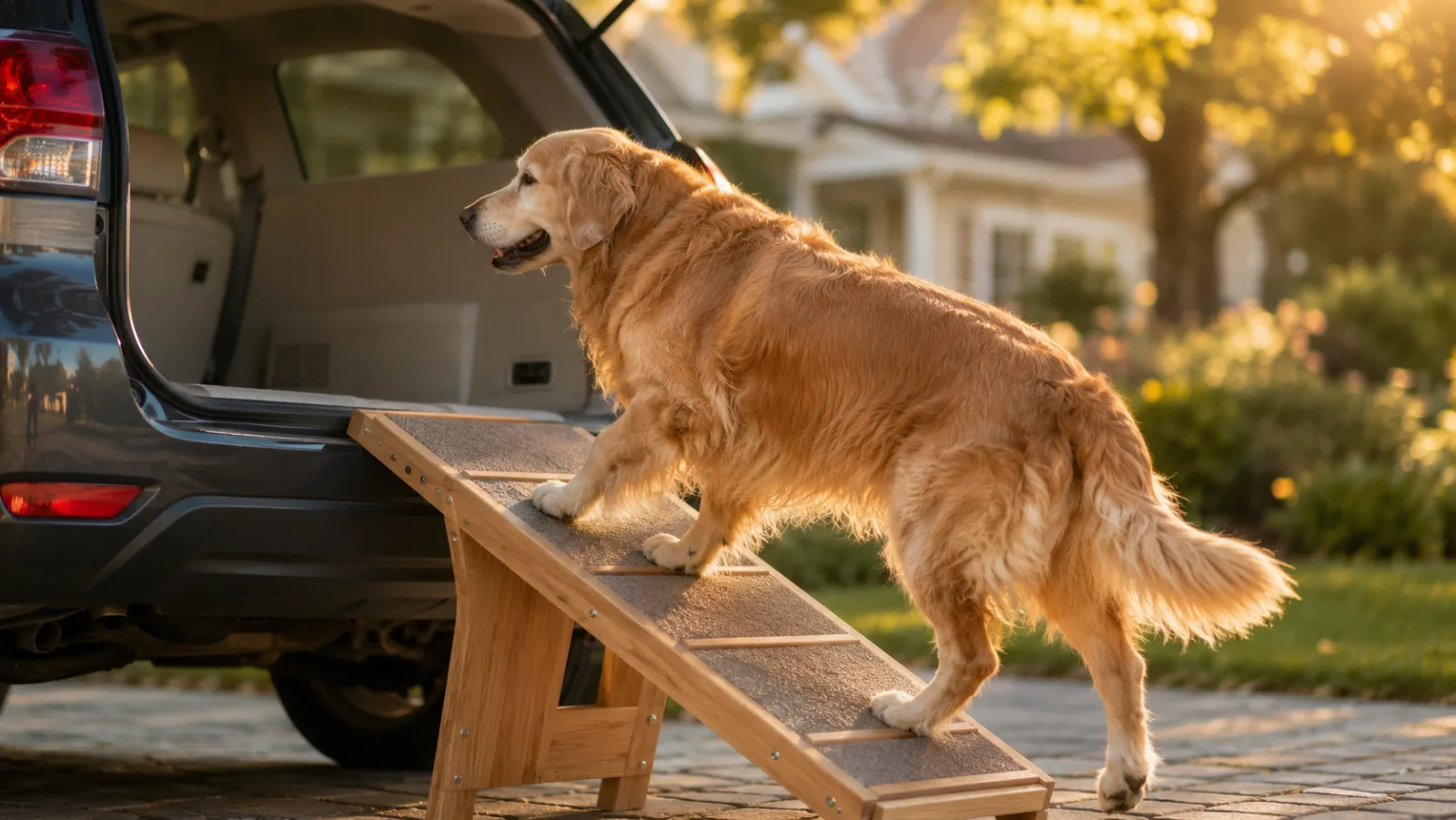
Best Dog Ramps and Stairs for Senior Dogs (2026)

Cats & Dogs
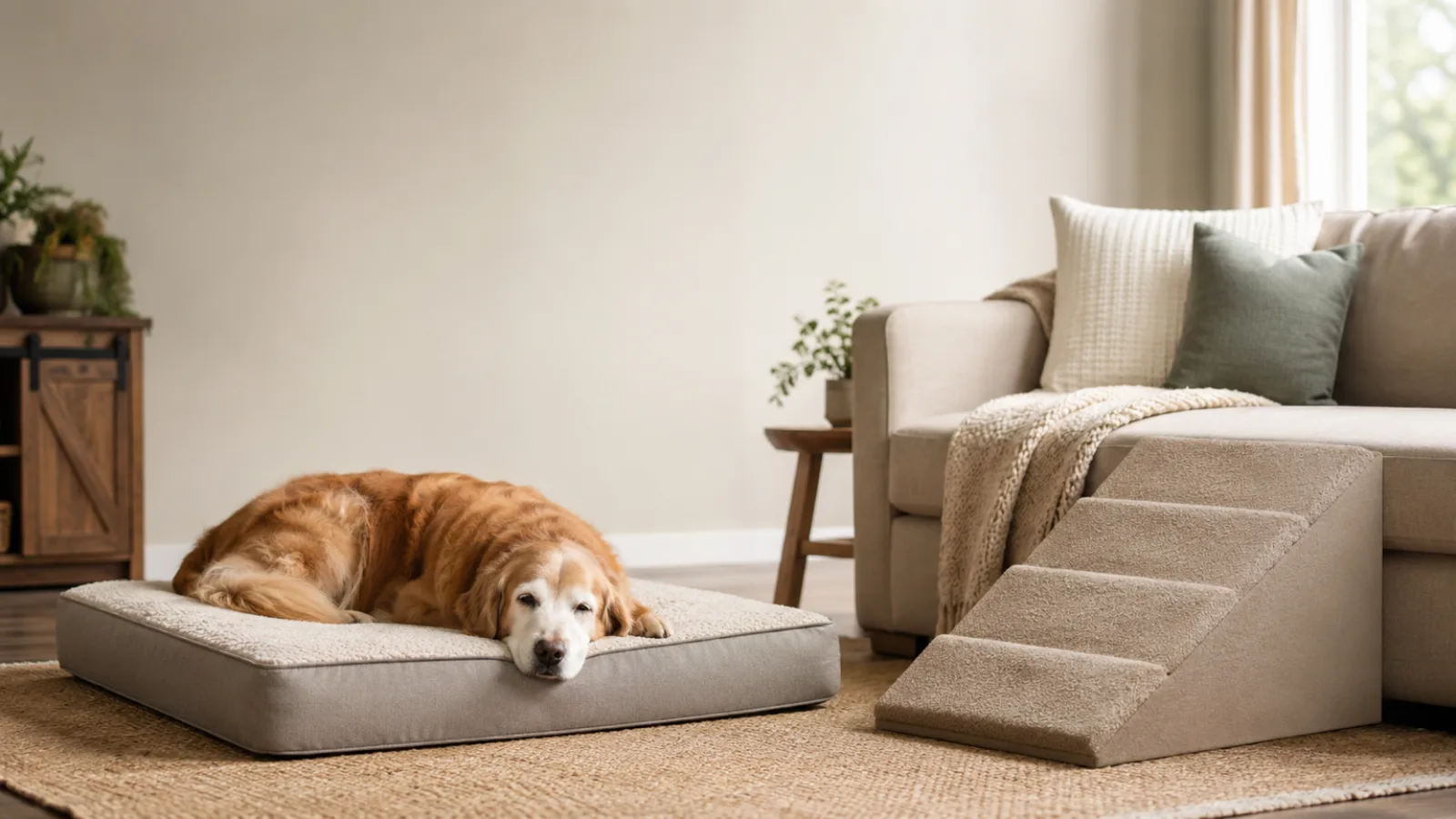
Best Orthopedic Dog Beds for Senior Pets (2026)
Cats & Dogs
Best Heavy-Duty Dog Exercise Pens & Playpens 2026: Portable Panel Pens That Actually Hold Your Dog
Cats & Dogs