Cats & Dogs
How to Set Up a Catio (Outdoor Cat Enclosure) in 2026
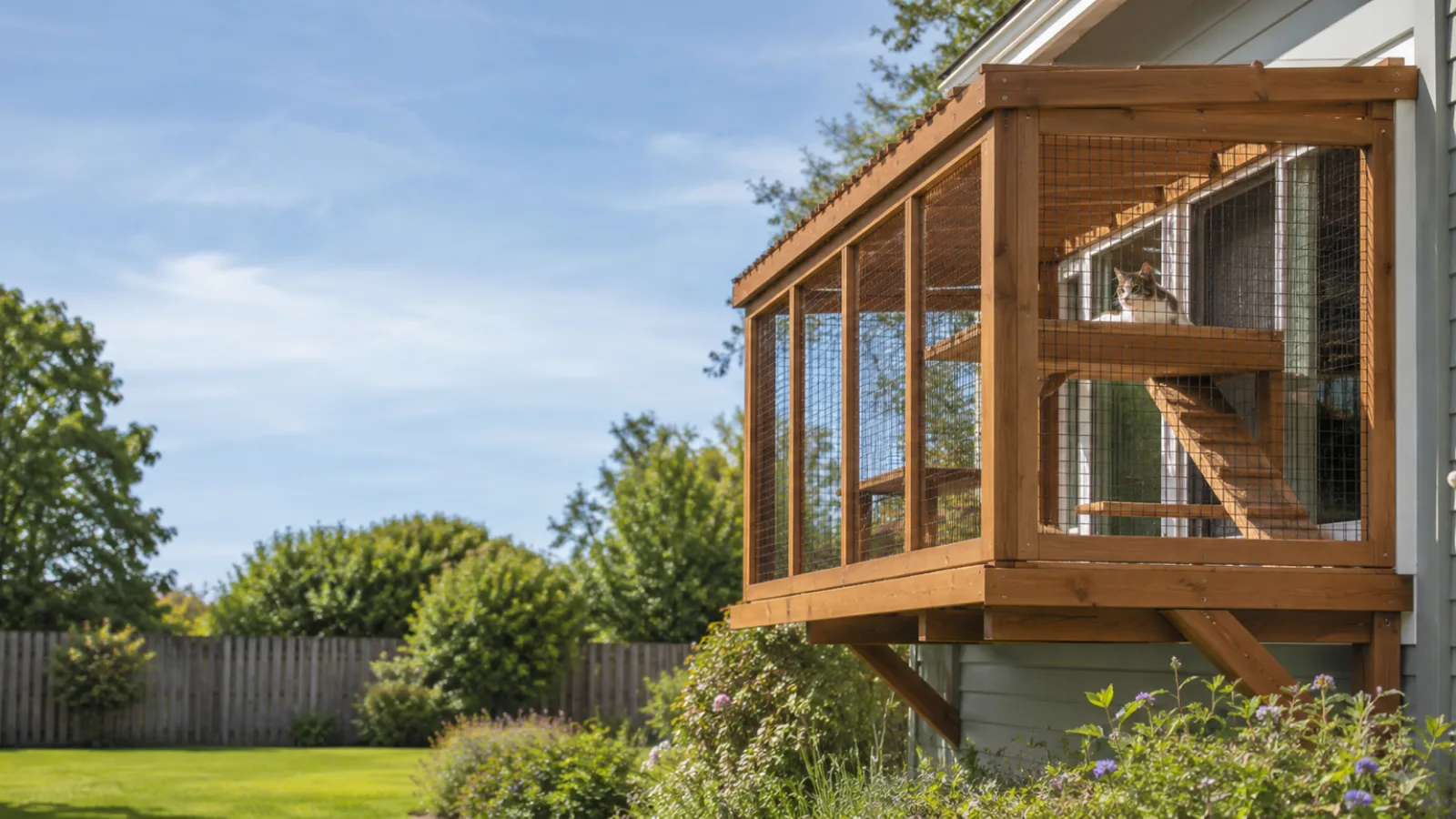
This is not a head-to-head enclosure ranking — it is a build plan. A catio is a small building project, and the enclosure is only one line item: what actually keeps a cat safe, sheltered, and genuinely enriched outdoors is everything you add around it and where you put it. The picks below are the setup kit — a strong foundation enclosure, the microchip door that makes it usable, vertical territory, weather shelter, a portable alternative for renters, an outdoor feeding station, and living greenery — not seven enclosures ranked against each other. If your cat has an escape history, a contagious condition, or you cannot commit to the cost and the top-to-bottom enclosing, read the caveats before you buy anything.
By Nick Miles · Updated August 12, 2026 · 12 min read
PetPalHQ is reader-supported. We may earn a commission from qualifying Amazon purchases at no extra cost to you.
Evidence at a Glance
FunXplore 71.1" Large Cat Catio
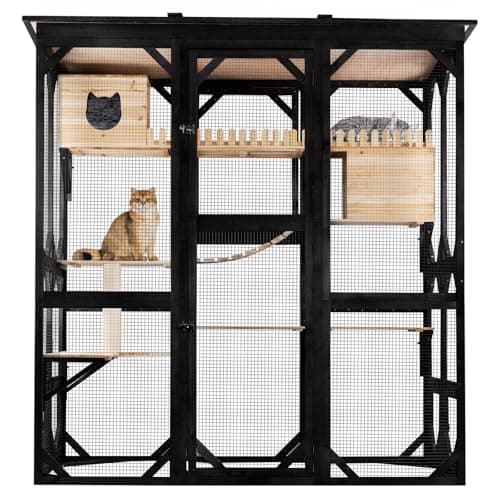
The buildable foundation — a walk-in, weatherproof enclosure with a flip-friendly asphalt roof, six access doors for connecting to windows and tunnels, an elevated shelf, and four multi-tier observation decks per FunXplore, giving you a secure shell to provision rather than a bare cage.
Sources: FunXplore manufacturer documentation, American Bird Conservancy Cats Indoors guidance, Humane Society outdoor-cat-safety guidance
Verified Jul 11, 2026
SureFlap Microchip Cat Flap
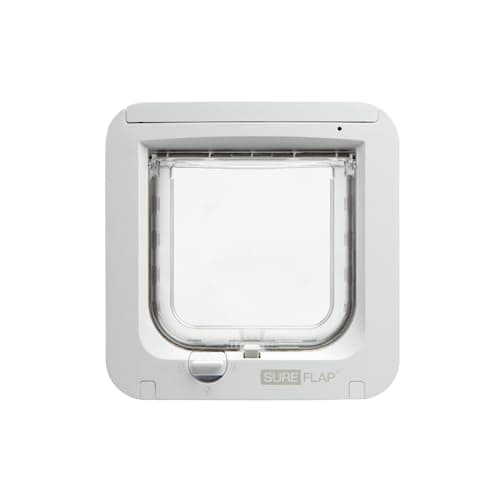
The access that makes the catio usable — RFID reads your cat's implanted microchip and lets only your cat pass while keeping strays and wildlife out, learning up to 32 identities per SureFlap; it is the piece that turns a box in the yard into a door the cat uses on its own.
Sources: SureFlap manufacturer documentation, Humane Society outdoor-cat-safety guidance, American Bird Conservancy Cats Indoors guidance
Verified Jul 11, 2026
Sobly Wall-Mounted Cat Climber Set
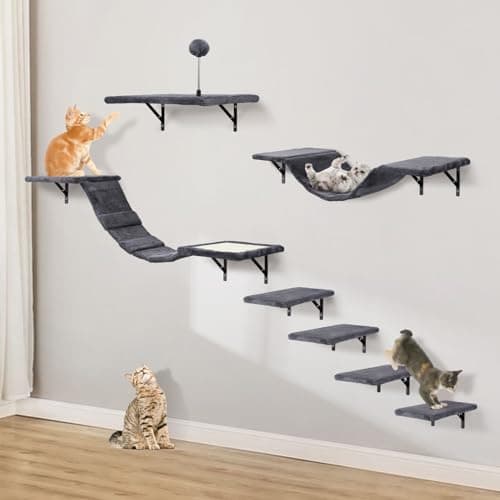
The enrichment that makes it more than a cage — a seven-piece wood climber set of shelves, perches, a bridge, a hammock, and a scratching board per Sobly, putting the vertical territory cats seek into the walls of the enclosure.
Sources: Sobly manufacturer documentation, ASPCA enrichment guidance, American Bird Conservancy Cats Indoors guidance
Verified Jul 11, 2026
Our Picks
FunXplore
FunXplore 71.1" Large Cat Catio Outdoor Enclosure
8.7 / 10
- Walk-in full-height 67" front door for entering without bending, per FunXplore
- Flip-friendly asphalt roof built to handle snowstorms and hail per the listing
- 6 access doors, including 4 ground-floor doors for senior cats and kittens
- Remove the back panel to attach to windows or a pet flap, or connect to tunnels
$279.99
Current price · checked Sep 8, 2026
SureFlap
SureFlap Microchip Cat Flap
8.5 / 10
- RFID reads your cat's implanted microchip and admits only your cat, per SureFlap
- Learns up to 32 identities; one-button programming
- Works with 9, 10, and 15-digit microchip numbers
- Flap opening is 4 3/4" (H) by 5 5/8" (W); installs in doors, windows, or walls
$127.72
Current price · checked Sep 8, 2026
Sobly
Sobly Wall-Mounted Cat Climber Set (7 Pcs)
8.2 / 10
- Seven-piece set: shelves, perches, a bridge, a hammock, a scratching board, and a ball
- Wall-mounted, so it uses the enclosure's vertical space, not its floor
- Made from wood per Sobly, for climbing and napping
- Scratching board built into the set covers a second enrichment need
$49.99
Current price · checked Sep 8, 2026
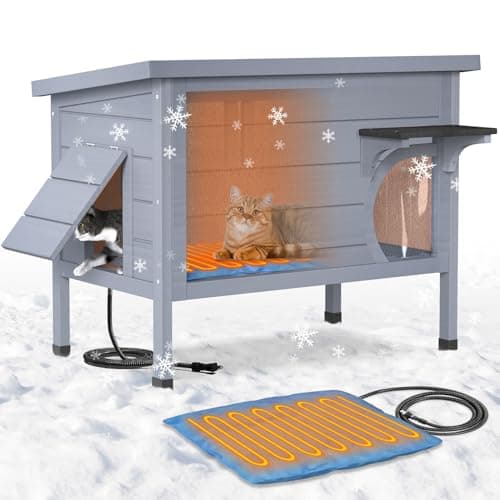
PETIMBER
PETIMBER Heated Outdoor Cat House
8.0 / 10
- Weather-resistant asphalt roof sloped to shed water, with an asphalt door overhang and PVC flaps per PETIMBER
- 16.1-inch square heating pad that maintains a constant temperature; washable pad cover
- Thermal insulation barriers on all interior sides
- Escape door on the side panel for a quick second exit
$129.99
Current price · checked Sep 8, 2026
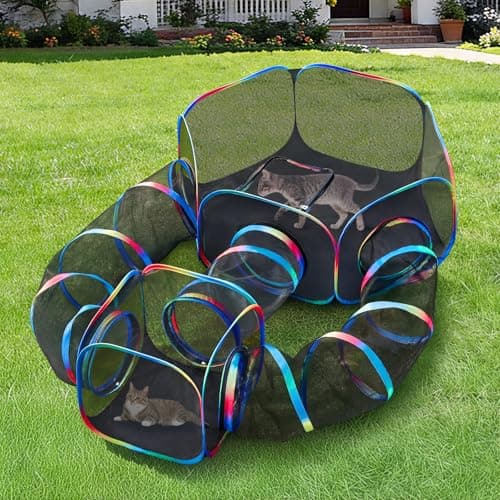
TOYSBOOM
TOYSBOOM 5-in-1 Portable Outdoor Cat Enclosure
7.8 / 10
- 5-in-1 pop-up enclosure: tent, cube, and tunnels that zip together, no tools
- Tent measures 45" x 45" x 18"; tunnel runs 130" long, 15+ sq ft of play space
- Scratch-resistant, breathable mesh for visibility and airflow per TOYSBOOM
- Dual zippered tent doors; secure zipper connections between pieces
$43.99
Current price · checked Sep 8, 2026
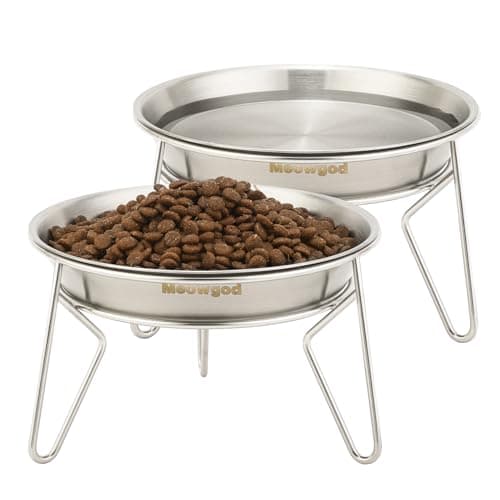
Meowgod
Meowgod Elevated Cat Bowls (Raised Stainless, 2-Pack)
7.9 / 10
- Raised stainless steel bowls on an anti-slip metal stand, sold as a 2-pack
- 6.7" extra-wide base keeps whiskers off the rim to reduce whisker fatigue
- 15 oz capacity per bowl for food or water without constant refilling
- Non-slip silicone on the stand base resists sliding and tipping
$19.99
Current price · checked Sep 8, 2026
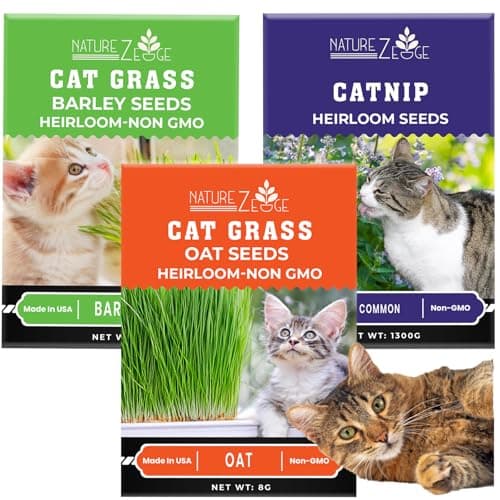
NatureZ Edge
NatureZ Edge Cat Grass & Catnip Seeds (3-Pack)
7.7 / 10
- 3-pack variety kit: catnip, oat, and barley grass seeds per NatureZ Edge
- All-natural greens that support well-being and help reduce hairballs, per the listing
- Satisfies a cat's natural chewing instinct with safe plants
- Grows fresh cat grass and catnip year-round for indoor and enclosed cats
$6.99
Current price · checked Sep 8, 2026
The Short Answer
Treat the catio as a build, not a purchase. Start by siting it: pick level ground next to a window or door for access, with partial shade so the cat can move between sun and shelter, away from heavy foot traffic. Then choose one strong enclosure as the foundation — the walk-in, weatherproof FunXplore 71.1" Catio anchors this setup with its asphalt roof, six access doors, and multi-tier decks. Make it usable by turning a panel into a real door: a microchip cat flap lets only your cat pass and keeps strays and wildlife out, and our microchip cat door guide covers the models worth cutting a hole for. Then provision it so it is enrichment rather than a cage — vertical territory with the Sobly Wall-Mounted Cat Climber Set, a weather retreat like the PETIMBER Heated Outdoor Cat House, an outdoor feeding station with raised stainless Meowgod bowls, and living greenery from NatureZ Edge Cat Grass & Catnip Seeds. If you rent or cannot install a permanent structure, the pop-up TOYSBOOM 5-in-1 Portable Enclosure is the honest alternative — supervised, not a permanent catio. The safety core is the same throughout: a secure, gap-free, fully enclosed structure, shade and shelter always available, and fresh water on hand. A catio is not a substitute for supervision for a cat with an escape history, and it is not for unvaccinated or contagious cats sharing outdoor air.
Every product on this list has been scored against the PetPal Gear Score, a weighted composite of expert consensus, observed effectiveness, animal safety, long-term durability, and value. Review method: Editorial synthesis of welfare and safety guidance — the American Bird Conservancy Cats Indoors program, the Humane Society of the United States' outdoor-cat-safety guidance, and ASPCA enrichment guidance. Manufacturer documentation from FunXplore, Sobly, PETIMBER, TOYSBOOM, Meowgod, and NatureZ Edge was reviewed. Community consensus from r/catio and r/CatAdvice was included as consensus, not quotation. No first-hand product testing — PetPalHQ does not run a testing lab.. Synthesized from 4+ expert sources.
A catio goes wrong, in this guide's editorial judgment, for one reason more than any other: it is treated as a product you buy instead of a space you plan. An owner orders an enclosure, sets it in the first flat spot in the yard, puts the cat inside, and wonders why the cat sits by the door wanting back in. The enclosure was never the hard part. Where you put it, how the cat gets in and out, whether there is shade when the sun moves and shelter when the rain starts, and whether there is anything up there worth doing — that is the catio. The structure is one line item in a small building project.
Start with siting, because it is the decision every other one depends on and the one no purchase can undo. The best spot is level ground beside a window or a door, so access is short and the cat can come and go without a long exposed run. Partial shade matters more than full sun: a cat wants to choose between a warm patch and a cool one through the day, and a spot that bakes from noon on is a spot the cat abandons by afternoon. Keep it clear of heavy foot traffic and loud activity, where a nervous cat will hide rather than settle. None of that is a measured rule — it is design judgment, and it is worth more than any spec on the enclosure box.
Then build outward from the foundation. Pick one strong enclosure as the shell and provision it: an access door so the cat uses the space on its own schedule, vertical territory so it climbs and surveys instead of pacing a floor, a weather retreat so cold and rain do not end every outing, an outdoor-grade feeding station, and living greenery for the senses. The picks below are that kit, in build order, not seven enclosures ranked against each other. Each one earns its place by doing a job the finished catio needs done — and where a claim rests on a source or a maker's documentation, that is named rather than asserted, because PetPalHQ does not run a testing lab.
One principle sits above the whole build and never bends. A catio is safe only when the structure is secure and fully enclosed with no gaps, shade and shelter are always within reach, fresh water is on hand, and you control which animals share the air. A cat with an escape history needs more than a fence; an unvaccinated or contagious cat should not share the space; and weather extremes mean the shelter earns its keep or the cat comes inside. Treat the catio as the project it is, and it becomes the thing an indoor cat rarely gets — the outdoors, made safe.
Head-to-Head Comparison
| Feature | FunXplore 71.1" Large Cat Catio Outdoor Enclosure | SureFlap Microchip Cat Flap | Sobly Wall-Mounted Cat Climber Set (7 Pcs) | PETIMBER Heated Outdoor Cat House | TOYSBOOM 5-in-1 Portable Outdoor Cat Enclosure | Meowgod Elevated Cat Bowls (Raised Stainless, 2-Pack) | NatureZ Edge Cat Grass & Catnip Seeds (3-Pack) |
|---|---|---|---|---|---|---|---|
| Role in the setup | Foundation enclosure | House-to-catio access | Vertical enrichment | Weather shelter | Portable alternative | Feeding station | Sensory greenery |
| Where it goes | The yard, sited and built | Cut into a panel, window, or wall | Mounted on framing inside | A dry corner or the shelf inside | Any yard or patio, supervised | The elevated shelf or a dry deck | A pot on a shelf or deck |
| Permanent or portable | Permanent build | Permanent install | Permanent mount | Movable within the run | Portable, packs away | Movable | Movable |
| Weatherproof? | Roof yes, walls open mesh | Weather-sealed flap install | No — needs the roof over it | Yes — insulated and sealed | No — fair-weather only | Stainless resists outdoor grime | Living plant — needs light and water |
| Check price | Amazon | Amazon | Amazon | Amazon | Amazon | Amazon | Amazon |
$279.99
Current price · checked Sep 8, 2026
- Walk-in full-height 67" front door for entering without bending, per FunXplore
- Flip-friendly asphalt roof built to handle snowstorms and hail per the listing
- 6 access doors, including 4 ground-floor doors for senior cats and kittens
- Remove the back panel to attach to windows or a pet flap, or connect to tunnels
- Elevated shelf fits taller litter boxes and feeders; 4 multi-tier decks, sisal post, dual hideaways, and an aerial bridge
A catio is not a product you buy — it is a small building project, and the enclosure is only one line item; what keeps a cat safe, sheltered, and genuinely enriched outdoors is everything you add around it and where you put it. The FunXplore 71.1" Catio earns the foundation slot because it is the line item you build the rest of the setup onto, not a finished answer. FunXplore documents a walk-in structure with a full-height 67" front door, a flip-friendly asphalt roof rated for snowstorms and hail, reinforced wooden corner bars, an elevated shelf sized for taller litter boxes and feeders, and four multi-tier observation decks with a sisal post, dual hideaways, and an aerial crossing bridge.
Where it fits the setup: this is the shell, and its value is in what it lets you connect. The six access doors are the reason it anchors a real catio rather than a standalone cage — remove the back panel to attach it to a window or a pet flap, use the four ground-floor doors for senior cats and kittens, and join it to tunnels to extend the run. That door-and-panel flexibility is exactly what makes microchip-flap access downstream possible, and the elevated shelf gives the litter box and the raised feeding station a dry, off-ground home. Households weighing this shell against other structures on price, footprint, and enclosing should read our full ranking of catio enclosures before committing, because the foundation choice constrains everything you bolt onto it.
The honest caveats are structural. It ships in two separate packages that may arrive on different days, so plan the build around that, not around a single delivery. The weatherproofing claim covers the roof; the walls are open mesh, so the "shelter" in this guide is the separate weather retreat you add inside, not the enclosure itself. And the safety of any enclosure lives in the assembly — a secure, gap-free, fully enclosed top is the entire point, so every panel and seam has to be checked before a cat goes in, and re-checked over time as hardware loosens. As always, confirm current price, dimensions, and availability before buying, since large-item listings and bundle contents shift. Bought as a foundation to provision rather than a finished habitat, it is the strongest single starting point in this setup.
What We Love
- Six access doors make it the connectable core of a real catio, not a standalone cage
- Walk-in height lets an owner enter to clean, groom, and bond without stooping
- Elevated shelf and multi-tier decks give the litter box, feeder, and climbing all a place
- Asphalt roof is rated by FunXplore for snow and hail
What Could Be Better
- Ships in two packages that can arrive separately, complicating the build
- Open mesh walls mean weather shelter is a separate purchase, not built in
- Large-item assembly and siting is real work — this is a project, not an unboxing
- Safety depends entirely on gap-free assembly and ongoing hardware checks
The Verdict
Buy this as the foundation, not the finished catio. Its six doors and connectable panels are what let you add microchip access, shelter, and a feeding station around it — but budget for the separate shelter, the two-package build, and the ongoing job of keeping every seam gap-free.
Sources
- FunXplore (Amazon product listing, 71.1" Large Cat Catio): walk-in weatherproof outdoor cat enclosure with a flip-friendly asphalt roof built to handle snowstorms and hail, 6 access doors, an elevated shelf, and 4 multi-tiered observation decks
- Feline welfare and catio-safety consensus: a secure outdoor enclosure lets a cat express natural behaviors such as climbing, birdwatching, and sunning while a physical barrier protects it from traffic, predators, and disease and protects local wildlife
$127.72
Current price · checked Sep 8, 2026
- RFID reads your cat's implanted microchip and admits only your cat, per SureFlap
- Learns up to 32 identities; one-button programming
- Works with 9, 10, and 15-digit microchip numbers
- Flap opening is 4 3/4" (H) by 5 5/8" (W); installs in doors, windows, or walls
- Runs on 4 AA alkaline batteries, up to 12 months, with a low-battery indicator
An enclosure the cat cannot enter on its own is a box in the yard; the piece that turns it into a catio is the door. The SureFlap Microchip Cat Flap is that door. SureFlap documents an RFID reader that scans the cat's implanted microchip on entry and admits only your cat while keeping stray animals out, learning up to 32 identities with one-button programming. It reads 9, 10, and 15-digit microchip numbers, installs in a door, window, or wall, and runs on four AA batteries for an estimated twelve months with a low-battery light.
Where it fits the setup: the FunXplore shell is designed to accept exactly this. Its removable back panel and pet-flap-ready doors give the SureFlap a mounting surface, so the cat can move between house and catio freely without a human on door duty — while the RFID gate does the one job a plain flap cannot, which is keeping the neighborhood tom, the raccoon, and the opossum on the other side of the wall. That selective control is the welfare argument for the whole build: outdoor time is only safe if you decide who shares the air, and a microchip door is how you enforce it. Readers deciding between models on range, weather sealing, and battery life should compare a microchip cat door that only your cat can open before drilling anything, because the mounting cut is permanent.
The honest caveats are about fit and upkeep. The flap opening is fixed at 4 3/4" by 5 5/8", so SureFlap's own advice to check your cat's size against it is not optional — a large or broad cat may not fit comfortably. It needs a microchip; cats without one require the separately sold collar tags, which reintroduces the collar-loss problem a microchip solves. And it is battery-powered, so a dead set of AAs quietly turns the door into a wall until someone notices the indicator. Confirm current price and availability before buying. As the access layer, though, nothing else on this page changes a catio from a place you carry the cat into to a place the cat chooses.
What We Love
- Selective RFID entry keeps strays and wildlife out while admitting only your cat
- Learns up to 32 identities and installs in a door, window, or wall
- Twelve-month battery life with a low-battery indicator reduces fuss
- Turns a static enclosure into a door the cat uses on its own schedule
What Could Be Better
- Fixed flap opening may not suit a large or broad-chested cat
- Requires a microchip; collar tags for un-chipped cats are sold separately
- Battery-powered, so a dead set silently disables the door
- Cutting it into a wall or panel is a permanent, unforgiving install
The Verdict
The single most functional upgrade in the setup: it converts the enclosure from a carry-in box into a door the cat operates itself, while keeping strays and wildlife out. Check your cat's size against the fixed opening first, and keep spare AAs on hand so the door never quietly becomes a wall.
Sources
- SureFlap (Amazon product listing, Microchip Cat Flap): microchip cat flap uses RFID to read your cat's implanted ID microchip, allowing your cat access without letting in stray animals, and learns up to 32 identities
- Feline welfare and catio-safety consensus: controlling which animals share a cat's outdoor space reduces exposure to strays, wildlife conflict, and transmissible disease
$49.99
Current price · checked Sep 8, 2026
- Seven-piece set: shelves, perches, a bridge, a hammock, a scratching board, and a ball
- Wall-mounted, so it uses the enclosure's vertical space, not its floor
- Made from wood per Sobly, for climbing and napping
- Scratching board built into the set covers a second enrichment need
- Space-saving layout keeps the ground clear for the litter box and feeder
Give a cat a floor and you have given it a cage; give it height and you have given it territory. The Sobly Wall-Mounted Cat Climber Set adds that height to the inside of the catio. Sobly documents a seven-piece wood set of climbing shelves, perches, a bridge, a hammock, a scratching board, and a ball, all wall-mounted so it draws on the enclosure's vertical surface rather than eating the floor the litter box and feeder need. Mounted up the mesh-side framing or an adjacent wall, it turns the FunXplore shell's decks and bridge into a genuine climb-and-survey circuit.
Where it fits the setup: the difference between an enclosure a cat tolerates and one it seeks out is whether the space rewards the behaviors a cat actually wants to perform, and vertical movement is near the top of that list. Height lets a cat climb, perch above eye level, and survey the yard — the birdwatching-and-sunning payoff the barrier makes safe. The built-in scratching board folds a second natural behavior into the same install, and the hammock gives a sunning cat a place to settle. For households extending this idea indoors or planning a more elaborate wall run, cat wall-shelf systems covers the layout and load questions in depth; the same mounting discipline applies whether the wall is inside the house or inside the catio.
The honest caveats are about mounting and durability. It is wall-mounted furniture holding a live animal at height, so it is only as safe as its anchors — into solid framing, not thin mesh or a single soft panel, and re-checked as it settles. Wood left in an open-mesh catio takes weather that indoor furniture never sees, so a shaded, roof-covered run and periodic inspection matter for how long it lasts. And a nervous or arthritic cat may not use height at all, in which case ground-level enrichment serves it better. Confirm current price and availability before buying. As the enrichment layer, it is the cheapest lever between a cage and a place the cat wants to be.
What We Love
- Uses vertical space, keeping the enclosure floor free for litter and feeding
- Seven pieces cover climbing, perching, napping, and scratching in one set
- Turns a static shell into a climb-and-survey circuit the cat seeks out
- Low cost for a meaningful jump in genuine enrichment
What Could Be Better
- Safe only if anchored into solid framing, not thin mesh or a single panel
- Wood in an open-mesh catio weathers faster than indoor furniture
- A timid or arthritic cat may not use height, wasting the install
The Verdict
Compared with everything else in the kit, this is the smallest spend that most changes what the catio is — height is the line between a cage and territory. Just treat it as load-bearing furniture: anchor into real framing, keep it under the roof, and skip it for a cat that will not climb.
Sources
- Sobly (Amazon product listing, Wall-Mounted Cat Climber Set): wall-mounted cat climber set with climbing shelves, perches, a bridge, a hammock, a scratching board, and a ball — a 7-piece wood indoor cat furniture set
- Feline welfare and catio-safety consensus: cats make heavy use of vertical space, and adding height to an enclosure is what turns it into enrichment rather than a cage
$129.99
Current price · checked Sep 8, 2026
- Weather-resistant asphalt roof sloped to shed water, with an asphalt door overhang and PVC flaps per PETIMBER
- 16.1-inch square heating pad that maintains a constant temperature; washable pad cover
- Thermal insulation barriers on all interior sides
- Escape door on the side panel for a quick second exit
- Elevated legs and PVC leg covers keep moisture out; openable roof for air circulation
Outdoor time is only humane if the cat can get out of the weather, and an open-mesh enclosure does not provide that on its own. The PETIMBER Heated Outdoor Cat House is the retreat you place inside the run to cover the gap. PETIMBER documents a wooden shelter measuring 31.1 x 18.5 x 27.5 inches with thermal insulation barriers on all sides, a 16.1-inch square heating pad that holds a constant temperature, a weather-resistant asphalt roof sloped to shed water, an asphalt door overhang with PVC flaps to keep rain out, and elevated legs with PVC covers to block ground moisture.
Where it fits the setup: the FunXplore roof keeps rain off the top of the run, but a cat caught in cold, wind, or a summer downpour needs an insulated box to withdraw into, and this is that box. Placed on the enclosure's elevated shelf or a dry corner, it becomes the "shelter" half of the shade-and-shelter rule this build treats as non-negotiable. The escape door on the side panel is a thoughtful safety touch for an outdoor shelter, giving a startled cat a second way out instead of a single blockable entrance, and the openable roof lets you air it out or reach in to clean.
The honest caveats sit around the heat and the placement. The heating pad is an electrical device in an outdoor setting, so it needs a safe, weather-appropriate power route and the manufacturer's own guidance followed — heat is a benefit in winter and a hazard if misused, and a shelter is for withdrawal, not for trapping heat around a cat in summer, when shade and airflow matter more than a pad. Wood in the weather needs the roof over it and periodic checks, and at about 31 inches on its longest side it takes real space inside the enclosure, which a small catio may not spare. Confirm current price and availability before buying. As the shelter layer, it is what makes cold, wet, or blazing days survivable without hauling the cat indoors every time the sky changes.
What We Love
- Insulated, heated retreat covers the cold-and-wet gap an open run leaves
- Sloped asphalt roof, door overhang, and PVC flaps keep the interior dry
- Side escape door gives a startled cat a second exit
- Elevated legs and openable roof help with moisture and cleaning
What Could Be Better
- Heating pad is an outdoor electrical device that must be powered and used safely
- In summer, shade and airflow matter more than a heat source
- Wooden shelter needs the roof over it and regular weather checks
- At about 31 inches on its longest side it consumes real floor space in a small enclosure
The Verdict
The piece that makes weather survivable without a trip indoors every time it rains: an insulated, heated box to withdraw into. Route the power safely, keep it under the roof, and remember that on a hot day the cat needs shade and air more than the pad — shelter cuts both ways.
$43.99
Current price · checked Sep 8, 2026
- 5-in-1 pop-up enclosure: tent, cube, and tunnels that zip together, no tools
- Tent measures 45" x 45" x 18"; tunnel runs 130" long, 15+ sq ft of play space
- Scratch-resistant, breathable mesh for visibility and airflow per TOYSBOOM
- Dual zippered tent doors; secure zipper connections between pieces
- Folds into an included carry bag; plastic ground nails anchor it to grass
Not everyone can bolt a permanent structure to a rented yard, and pretending otherwise is how a guide loses trust. The TOYSBOOM 5-in-1 Portable Outdoor Cat Enclosure is the honest alternative for that reader. TOYSBOOM documents a pop-up, soft-sided system — a 45" x 45" x 18" tent plus a 130" tunnel and cube that zip together with no tools for 15-plus square feet of play space — built from scratch-resistant breathable mesh, with dual zippered tent doors, plastic ground nails to anchor it to grass, and a carry bag it folds into.
Where it fits the setup: this is the catio you can put up on a Saturday, use with the cat supervised, and pack away before the landlord notices. For renters, apartment dwellers with a shared patio, or anyone who wants outdoor time before committing to a build, it delivers the core payoff — a barrier between the cat and traffic, predators, and escape — without a permanent footprint. It also travels, so the same enclosure works for a camping trip or a visit to family, which the FunXplore foundation cannot.
The honest caveat is the one this pick exists to make plainly: a soft-sided pop-up is not a permanent catio and should not be treated as one. Mesh and zippers are a supervised solution, not an unattended one — a determined cat can work a zipper or claw mesh given enough unwatched time, and the ground nails hold it against wind, not against a cat that decides to dig out. It gives no weather protection to speak of, so it is a fair-weather, someone's-home tool. And it is smaller than a walk-in structure, so it is a play session, not a place to live. Confirm current price and availability before buying. Judged honestly as a supervised, portable option rather than a permanent enclosure, it is the right answer for the reader a fixed build leaves out.
What We Love
- No-tools pop-up gives renters a real outdoor barrier without a permanent build
- Packs into a carry bag, so it travels and stores easily
- 15-plus square feet with a long tunnel covers play and exploration
- Breathable mesh gives airflow and clear sightlines to supervise
What Could Be Better
- Soft-sided mesh and zippers are a supervised solution, not unattended-safe
- Little to no weather protection — a fair-weather tool only
- Ground nails hold against wind, not against a cat that digs
- Smaller than a walk-in structure; a play session, not a habitat
The Verdict
The right answer for the reader a permanent build leaves out — renters and travelers who need a supervised outdoor barrier they can pack away. Just hold the line on what it is: a watched, fair-weather play enclosure, never a stand-in for a fixed, weatherproof catio.
$19.99
Current price · checked Sep 8, 2026
- Raised stainless steel bowls on an anti-slip metal stand, sold as a 2-pack
- 6.7" extra-wide base keeps whiskers off the rim to reduce whisker fatigue
- 15 oz capacity per bowl for food or water without constant refilling
- Non-slip silicone on the stand base resists sliding and tipping
- Food-grade SUS304 stainless steel, easy to wipe clean
A catio the cat spends real time in needs food and water out there, and what you serve it in matters more outdoors than in. The Meowgod Elevated Cat Bowls are the feeding station for the run. Meowgod documents a two-pack of raised stainless steel bowls on an anti-slip metal stand, each with a 6.7" extra-wide base that keeps a cat's whiskers off the rim, a 15-ounce capacity, non-slip silicone under the stand, and food-grade SUS304 construction that wipes clean.
Where it fits the setup: stainless is the material argument for an outdoor bowl. It resists the grime, staining, and odor absorption that plastic picks up fast in a dusty, humid, sun-exposed enclosure, and it takes a real cleaning without scratching into a bacteria-friendly surface — which is why it earns the outdoor feeding slot over a cheaper plastic dish. The raised stand keeps food off the ground and away from the damp, the two-bowl set covers water and food at once, and the wide whisker-friendly base is a small comfort that matters for a cat eating in a less familiar place. Place it on the FunXplore elevated shelf or a dry deck, not on open ground where rain and dirt reach it.
The honest caveats are about what a bowl is and is not. Standing water in an open bowl still goes stale, warms in the sun, and collects debris outdoors, so it needs changing more often than an indoor dish — a bowl is not a fountain, and a hot day can foul it by afternoon. The metal stand can slide on a slick deck despite the silicone if it is bumped hard, and stainless will ding. And no feeding station replaces the daily check that the water is fresh and the food has not drawn insects. Confirm current price and availability before buying. For the outdoor feeding job specifically, though, raised stainless is the material that holds up where plastic quietly degrades.
What We Love
- Stainless resists the grime, staining, and odor that plague outdoor plastic bowls
- Raised stand keeps food and water off the damp ground
- Two-bowl set covers food and water in one whisker-friendly station
- Food-grade SUS304 takes a real cleaning without scratching
What Could Be Better
- Open water still goes stale and warm outdoors and needs frequent changing
- A bowl is not a fountain — no circulation or filtration
- The stand can slide on a slick deck if knocked hard
The Verdict
Use case: the cat that spends hours in the catio and needs food and water that hold up outdoors, where stainless beats plastic on grime and cleaning. Just plan to refresh the water more often than indoors — an open bowl in the sun fouls by afternoon.
$6.99
Current price · checked Sep 8, 2026
- 3-pack variety kit: catnip, oat, and barley grass seeds per NatureZ Edge
- All-natural greens that support well-being and help reduce hairballs, per the listing
- Satisfies a cat's natural chewing instinct with safe plants
- Grows fresh cat grass and catnip year-round for indoor and enclosed cats
- The lowest-cost enrichment lever in the whole setup
The cheapest thing on this page is also the one that most makes a catio a place a cat wants to be. NatureZ Edge Cat Grass & Catnip Seeds close the setup with living greenery. NatureZ Edge documents a three-pack variety kit of catnip, oat, and barley grass seeds — all-natural greens the maker positions as supporting well-being and helping reduce hairballs, while giving a cat a safe outlet for its natural chewing instinct. Grown in a pot on the enclosure's shelf or deck, they add a sensory layer the hardware cannot.
Where it fits the setup: an enclosure gives a cat safety and height, but greenery gives it something to do with its senses — grass to nibble, catnip to roll in, a patch of living plant that changes and grows. If you are building outdoor space for more than one cat, a shared catnip patch and a couple of grass pots spread the interest around and cut competition over a single spot. It is the lever that shifts a catio from a place the cat is put to a place the cat chooses, and at this price it is almost free to add.
The honest caveats are about the plants themselves. Catnip's effect is genetic — a meaningful share of cats simply do not respond to it, so treat the catnip half as a maybe and the grass as the reliable draw. Seeds need time, light, and water to grow, so this is a plant-it-and-wait addition, not an instant one, and grass gets chewed down and needs replanting. Keep the growing containers stable and out from underfoot so a pot is not tipped, and remember that greens are enrichment, not food — heavy grazing that leads to persistent vomiting is a vet question, not more grass. Confirm current price and availability before buying. As the finishing enrichment layer, a few dollars of seed buys more genuine feline interest than almost anything else in the kit.
What We Love
- The lowest-cost enrichment in the setup by a wide margin
- Three seed types give both a reliable grass draw and a catnip option
- Living, changing greenery adds sensory interest hardware cannot
- Safe chewing outlet the listing links to hairball reduction
What Could Be Better
- Catnip response is genetic — many cats ignore it
- Seeds take time and care to grow; not an instant addition
- Grass gets grazed down and needs periodic replanting
The Verdict
A flat recommendation: for a few dollars, living greenery buys more real feline interest than almost any hardware here, so plant it. Just set expectations — the grass is the dependable draw, the catnip is a coin flip, and both take a couple of weeks to come in.
How We Score
Formula
PetPal Gear Score = (Expert Consensus × 0.35) + (Setup Fit × 0.25) + (Safety / Welfare Design × 0.20) + (Value × 0.20)
Score Factors
- Expert Consensus · 35%
- Synthesized from the American Bird Conservancy Cats Indoors program, the Humane Society of the United States' outdoor-cat-safety guidance, ASPCA enrichment guidance, and manufacturer documentation. The PetPal Gear Score is a composite of expert opinion — PetPalHQ does not run a testing lab.
- Setup Fit · 25%
- How directly the item advances a complete catio build — providing the buildable foundation, the access that makes it usable, vertical territory, shelter, feeding, and enrichment — rather than how it performs as a standalone product ranked against rivals.
- Safety / Welfare Design · 20%
- Alignment with outdoor-cat-safety principles — a secure, gap-free, fully enclosed structure, shade and shelter always available, fresh water on hand, and control over which animals share the space.
- Value · 20%
- Cost relative to the item's role in the setup, including durability outdoors and how much of the safe-and-enriched outcome the item is responsible for.
| Rank | Product | Score |
|---|---|---|
| #1 | FunXplore FunXplore 71.1" Large Cat Catio Outdoor Enclosure | 8.7 |
| #2 | SureFlap SureFlap Microchip Cat Flap | 8.5 |
| #3 | Sobly Sobly Wall-Mounted Cat Climber Set (7 Pcs) | 8.2 |
| #4 | PETIMBER PETIMBER Heated Outdoor Cat House | 8.0 |
| #5 | Meowgod Meowgod Elevated Cat Bowls (Raised Stainless, 2-Pack) | 7.9 |
| #6 | TOYSBOOM TOYSBOOM 5-in-1 Portable Outdoor Cat Enclosure | 7.8 |
| #7 | NatureZ Edge NatureZ Edge Cat Grass & Catnip Seeds (3-Pack) | 7.7 |
When NOT to Buy
A catio is not a substitute for supervision for every cat, and some cats should not be given one at all. A cat with a known escape history or a habit of climbing and clearing fences is not safe in an enclosure without a fully enclosed, gap-free top — and even then, a determined escape artist warrants supervised time rather than unattended outdoor hours. If you cannot guarantee the structure is sealed top to bottom, do not put that cat in it.
Health rules some cats out of shared outdoor air entirely. An unvaccinated cat, or one with a contagious condition, should not share a catio's air and surfaces with other cats — outdoor enclosures do not stop airborne or contact transmission between animals using the same space. And weather is a hard limit in both directions: extreme cold or heat means the cat needs the insulated shelter or, past a point, needs to come inside, because a shelter box is a retreat, not climate control. If you are building outdoor space for more than one cat, add enough shelter, feeding stations, and vertical routes that the cats are not forced to compete, and introduce shared space carefully — introducing a second cat to a multi-cat home covers the pacing that keeps a shared enclosure from becoming a flashpoint.
Finally, the honest budget caveat: a catio is a project and a cost, not a single purchase. The enclosure is one line item; the microchip door, the shelter, the vertical territory, the feeding station, and the greenery are the rest of it, and the labor of siting, building, sealing, and maintaining is real. If you cannot commit to the full setup and its upkeep, a smaller supervised, portable enclosure is the more honest choice than a half-built permanent one. Confirm current price, dimensions, and availability on every item before buying — large-item listings, bundle contents, and sellers move over time.
Frequently Asked Questions
- Where should I actually put a catio?
- Start with access and light, then work outward. The strongest location is level ground right against a window or exterior door, so the cat's route in and out is short and the enclosure can connect directly to the house rather than sitting marooned across the yard. Aim for partial shade over full sun, because a cat wants to move between warm and cool spots through the day and will abandon a space that overheats by mid-afternoon. Keep it away from heavy foot traffic, driveways, and loud equipment, where a cautious cat hides instead of exploring. Level ground also matters structurally — a wobbling enclosure on a slope is harder to seal and keep gap-free. Treat all of this as design judgment rather than a measured formula; the siting decision shapes whether the catio gets used far more than any single feature of the enclosure itself.
- Permanent build or portable pop-up — which should I get?
- It depends almost entirely on whether you own the space and can commit to the upkeep. A permanent walk-in enclosure is the better cat experience — more room, real weather protection, room for shelter and climbing and a feeding station — but it is a build, a fixed footprint, and ongoing maintenance, and it usually is not an option for renters. A soft-sided pop-up enclosure is the honest middle path: it gives a barrier between the cat and traffic, predators, and escape, packs away, and travels, but it is a supervised, fair-weather tool rather than a place a cat lives unattended. The deciding questions are simple: do you control the yard, can you seal and maintain a permanent structure, and will the cat be supervised? If you cannot commit to a full permanent setup, a portable enclosure used with someone home is more honest than a half-finished fixed one.
- Does an indoor cat even need a catio, or is that just for the owner?
- An indoor cat does not need one to be healthy, and it is fair to be skeptical of enrichment sold as a necessity — but a catio is one of the more genuine enrichment upgrades available, because it lets a cat perform behaviors indoor life suppresses. Climbing to height, watching birds, feeling sun and moving air, nibbling grass, and surveying territory are things cats are strongly motivated to do, and a safe enclosure delivers them without the risks of true free-roaming outdoor access — traffic, predators, disease, and the toll free-roaming cats take on wildlife. The honesty check is this: a catio only counts as enrichment if it actually contains enrichment. An empty mesh box is a cage. Height, shelter, greenery, and a reason to be out there are what make the difference between a space the cat seeks and one it tolerates.
- How do I use a catio through winter and summer?
- Treat the two seasons as opposite problems. In winter the risk is cold and wet, so the cat needs an insulated, sealed shelter to withdraw into, dry footing, and a limit on how long it stays out when temperatures drop — a shelter box is a retreat, not climate control, and past a point the cat comes inside. In summer the risk flips to heat, and the priority becomes shade and airflow, not a heat source: an open, well-ventilated spot out of direct sun, fresh water refreshed more often than you would indoors because it warms and fouls quickly, and shorter midday sessions. In both extremes the rule is the same — the enclosure gives the cat options, and you supervise the limits. Weather is a hard boundary in both directions, and no shelter makes an unsafe temperature safe.
- How do I introduce my cat to the catio so it actually uses it?
- Slowly, and on the cat's terms rather than a schedule. A cat dropped into an unfamiliar enclosure and left there often just wants back inside, which reads as rejection when it is really a rushed introduction. Start with short, calm, supervised sessions, ideally when the cat is relaxed, and let it explore at its own pace instead of being carried in and shut in. Bring familiar things into the space — a favorite bed or blanket in the shelter, a feeding station, a grass pot — so it smells and feels like part of the cat's territory, not a foreign box. Let the cat retreat indoors whenever it wants, which paradoxically makes it more willing to stay out longer over time. As it grows confident, sessions lengthen naturally. For a cat that will use a microchip door, the door becomes the point where the catio stops being a supervised outing and becomes a space the cat chooses on its own.
Bottom Line
Site it before you buy it. Level ground next to a window or door for access, partial shade so the cat can move between sun and shelter, and away from heavy foot traffic — the location decides half of whether the catio works, and no product fixes a bad spot.
Build on one solid foundation, then provision around it. The walk-in FunXplore Catio at $279.99 is the shell; a microchip flap is the access that makes it a door the cat uses; the Sobly wall climber at $49.99 is the height that makes it territory instead of a cage.
Cover shelter, feeding, and enrichment deliberately. A PETIMBER heated house for cold and wet, raised stainless Meowgod bowls that outlast plastic outdoors, and a few dollars of NatureZ Edge grass and catnip are what make the space one the cat chooses to use.
If you rent or cannot build, be honest about it: the pop-up TOYSBOOM enclosure is a supervised, fair-weather alternative, not a permanent catio — and if you are building outdoor space for more than one cat, spread out the shelter, food, and climbing so they never have to compete.
The safety core never changes: a secure, gap-free, fully enclosed structure, shade and shelter always available, fresh water on hand, and control over which animals share the air. A catio is a project, not a purchase, and that is exactly why it works when you treat it as one.
Sources & Methodology
Methodology
PetPal Gear Score = (Expert Consensus × 0.35) + (Setup Fit × 0.25) + (Safety / Welfare Design × 0.20) + (Value × 0.20)
Expert review sources
- American Bird Conservancy — Cats Indoors program and catio guidance
- The Humane Society of the United States — Keeping cats safe outdoors
- ASPCA — Cat enrichment and environmental needs guidance
- FunXplore — 71.1" Large Cat Catio product documentation
- Sobly — Wall-Mounted Cat Climber Set product documentation
- PETIMBER — Heated Outdoor Cat House product documentation
- TOYSBOOM — 5-in-1 Portable Cat Enclosure product documentation
- Meowgod — Elevated Cat Bowls product documentation
- NatureZ Edge — Cat Grass & Catnip Seeds product documentation
Community sources
- r/catio — catio siting, build, and predator-proofing consensus
- r/CatAdvice — outdoor enrichment and supervised-access consensus
Prices and specs verified July 11, 2026.
About the author
Nick Miles is the chief editor of PetPalHQ. This catio setup plan and its kit are editorial synthesis of the American Bird Conservancy Cats Indoors program, the Humane Society of the United States' outdoor-cat-safety guidance, ASPCA enrichment guidance, and manufacturer documentation — PetPalHQ does not run a testing lab. The PetPal Gear Score is a composite of expert opinion, not a measurement. Sources are cited by name throughout.
PetPalHQ is a participant in the Amazon Services LLC Associates Program. We may earn commissions from qualifying purchases — at no extra cost to you.
More Guides
Cats & Dogs
Best Catios & Outdoor Cat Enclosures of 2026
Cats & Dogs
Best Microchip Cat Doors for Chip-Selective Entry (2026)
Playground
Best Cat Wall Shelf Systems for Vertical Territory (2026)
Cats & Dogs
Best Cat Scratching Posts and Furniture Alternatives (2026)
Cats & Dogs
Best Cat Pheromone Diffusers and Calming Products: Multi-Cat Tension, Vet Visits, Moving (2026)
Cats & Dogs