Playground
New Sugar Glider Starter Checklist: A Provisioning Kit for a First Colony (2026)
This is not a head-to-head cage ranking — it is a provisioning checklist for bringing home your first sugar gliders, and the plural is deliberate. Sugar gliders are social colony animals that must not be kept alone, live twelve to fifteen years, are strictly nocturnal, and need a complex diet — this is an advanced exotic pet, not a beginner impulse buy. The picks below are the starter kit as a checklist — a tall climbing cage, a bonding pouch, a safe wheel, a complete staple diet, climbing toys, hammocks, and a no-drip bottle — not seven products ranked against each other. Before any of it, read the caveats, because the two biggest first-time mistakes are keeping a single glider alone and getting the diet wrong, and both are welfare failures no amount of gear can fix.
By Nick Miles · Updated August 7, 2026 · 12 min read
PetPalHQ is reader-supported. We may earn a commission from qualifying Amazon purchases at no extra cost to you.
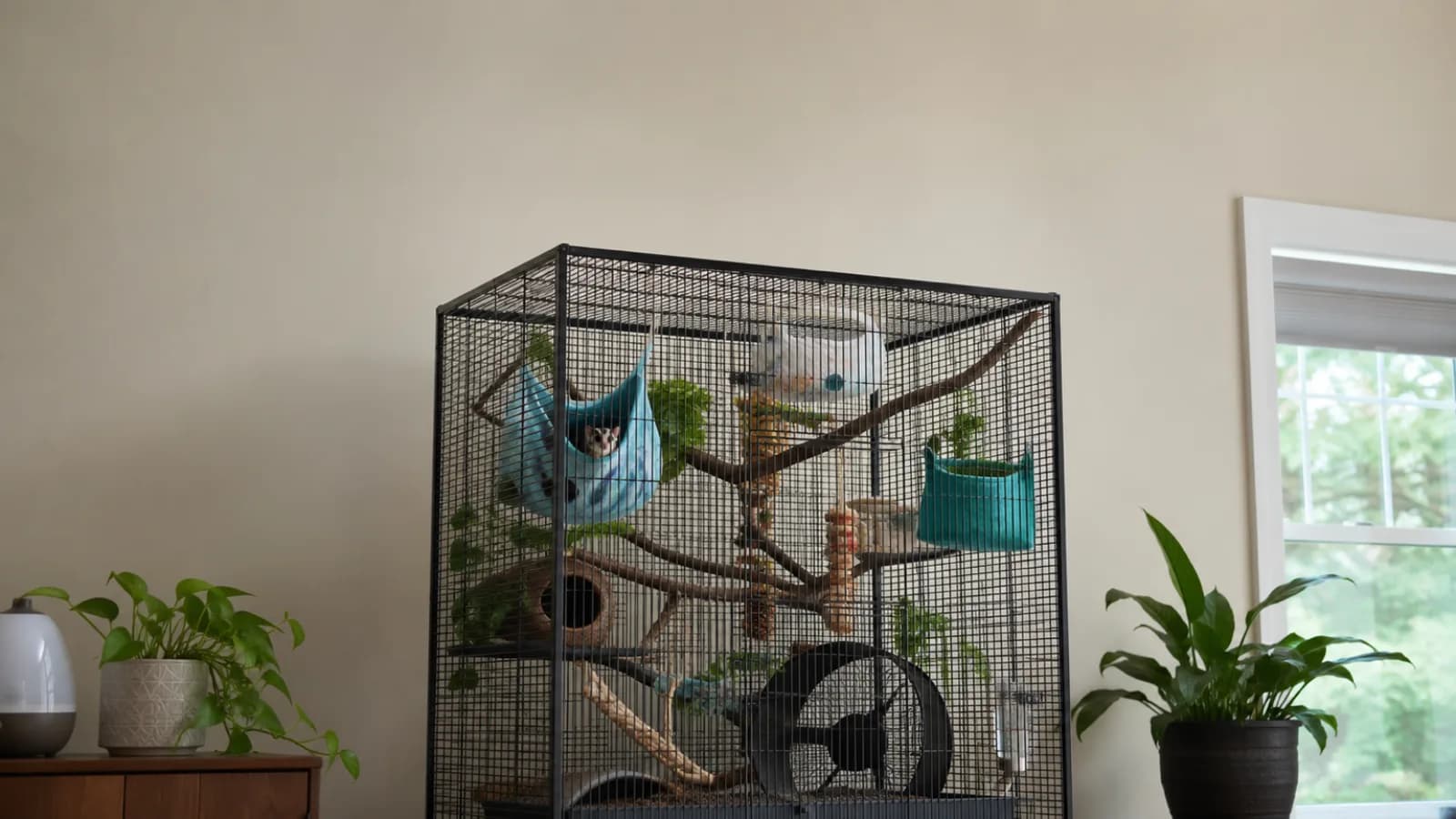
Evidence at a Glance
Yaheetech 69-Inch Extra-Large Climbing Cage
The home — a 69-inch wrought-iron three-level cage with 3/8-inch bar spacing, giving a sugar glider colony the vertical climbing and gliding height it needs, with spacing narrow enough that a small glider cannot escape or get stuck.
Sources: Yaheetech manufacturer documentation, Sugar glider keeper community consensus on vertical space, Published exotic-pet welfare guidance on glider housing
Verified Jul 12, 2026
Alrhso Sugar Glider Bonding Pouch (2 Pack)
The bed and bond — a breathable, double-stitched hanging sleeping pouch, two per pack so one is always clean, giving a nocturnal glider a dark daytime refuge and the keeper a proven way to bond with a new, wary animal.
Sources: Alrhso manufacturer documentation, Sugar glider keeper consensus on bonding and sleep, Published guidance on nocturnal exotic refuge
Verified Jul 12, 2026
Exotic Nutrition Silent Runner Pro Wheel
Safe exercise — a whisper-quiet, solid-running-surface exercise wheel with no dangerous crossbar or open spokes, which matters because the wrong wheel can catch and injure a glider's tail or feet, and gliders are highly active and need to run.
Sources: Exotic Nutrition manufacturer documentation, Sugar glider keeper consensus on safe wheels, Published exotic-pet welfare guidance on exercise safety
Verified Jul 12, 2026
Our Picks
Yaheetech
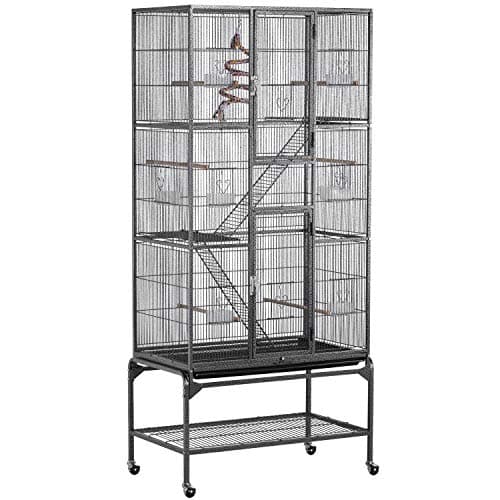
Yaheetech 69-Inch Extra-Large Wrought Iron Climbing Cage
8.6 / 10
- 69 inches tall with three tiers and 3/8-inch bars per Yaheetech
- Vertical height suits an arboreal climbing, gliding animal
- Narrow bar spacing keeps a small glider secure
- Multiple levels give climbing routes and layout options
$196.99
Current price · checked Sep 3, 2026
Alrhso
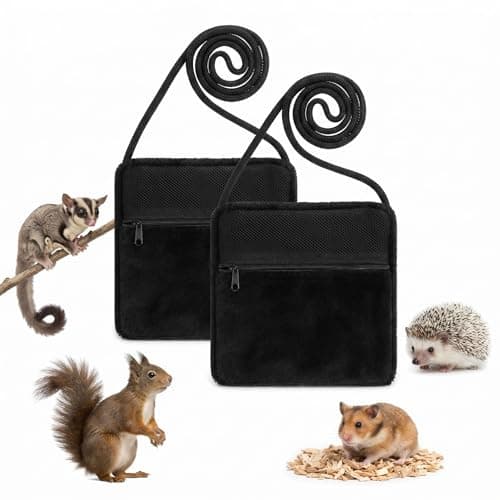
Alrhso Sugar Glider Bonding Pouch (2 Pack)
8.3 / 10
- Breathable soft pouch with reinforced stitching per Alrhso
- Hanging rope mounts it as a dark daytime bed
- Two per pack so one is always clean
- Doubles as a wearable pouch for bonding
$9.89
Current price · checked Sep 8, 2026
Exotic Nutrition
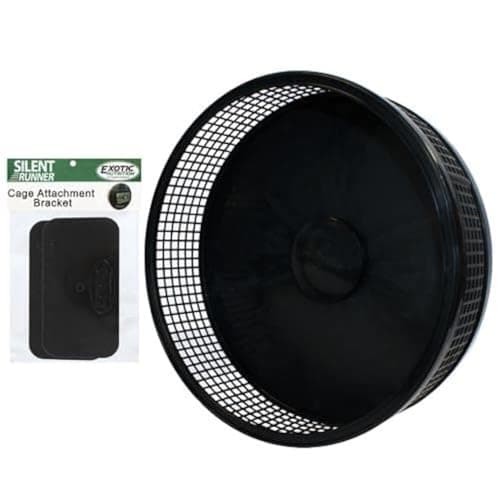
Exotic Nutrition Silent Runner Pro Sugar Glider Wheel
8.4 / 10
- Solid running surface with no dangerous crossbar per maker
- Whisper-quiet dual ball-bearing design for a nocturnal runner
- Includes a cage attachment to mount securely
- Gives a highly active glider needed nightly exercise
$33.99
Current price · checked Sep 8, 2026
Exotic Nutrition
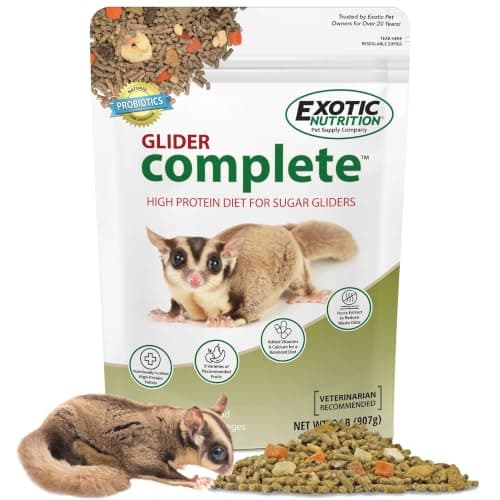
Exotic Nutrition Glider Complete Staple Diet
8.1 / 10
- High-protein staple food for sugar gliders per Exotic Nutrition
- Maker states it needs no added supplement at ~75% of diet
- Forms the base of a varied, vet-guided diet
- Offered alongside fresh produce and animal protein
$16.99
Current price · checked Sep 8, 2026
JARJARPLG
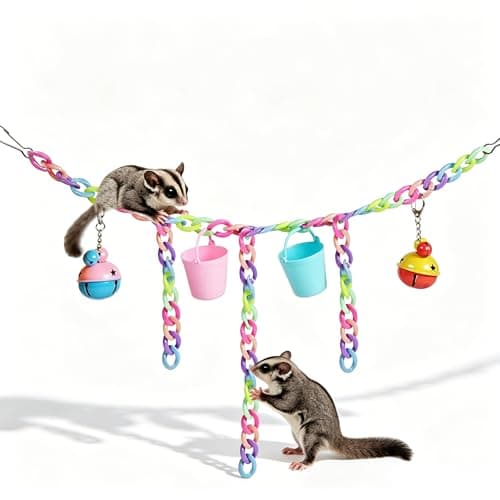
JARJARPLG Sugar Glider Climbing and Foraging Toy Set
8.0 / 10
- Sixty-five adjustable links form climbing paths per maker
- Adjustable to fit most glider cages
- Adds vertical climbing routes to the cage
- Rotated with other toys to keep interest fresh
$12.99
Current price · checked Sep 8, 2026
Hamiledyi
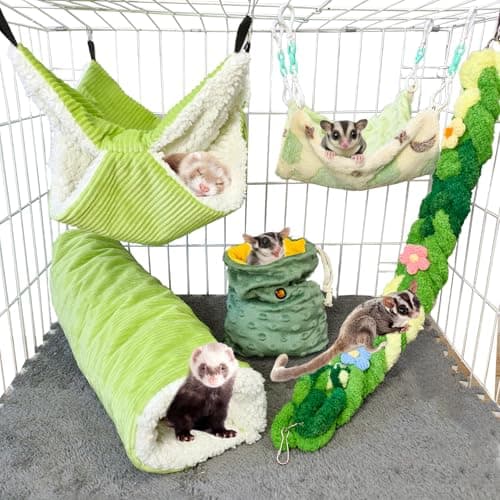
Hamiledyi Sugar Glider Hammock and Hangout Set (5 Pack)
7.9 / 10
- Five-piece set with hammock and tunnel per Hamiledyi
- Soft, lint-free fabric safe for small animals
- Adds several resting and huddling spots
- Fills the vertical cage with hangouts
$25.99
Current price · checked Sep 8, 2026
Choco Nose
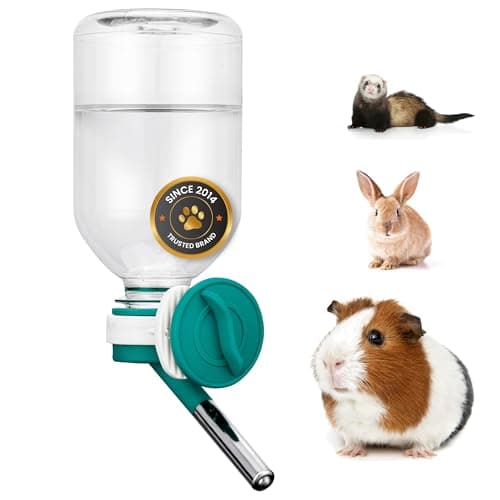
Choco Nose No-Drip Small Animal Water Bottle
7.8 / 10
- Patented leak-proof nozzle reduces drips per Choco Nose
- Screw-on bracket mounts securely to the cage
- Snap-on design for easy cleaning and refilling
- Keeps the cage dry and water uncontaminated
$12.69
Current price · checked Sep 8, 2026
The Short Answer
Provision for a first sugar glider colony as an advanced exotic, and start from the fact that you cannot keep just one — gliders are social colony animals that must live with at least one companion. House them tall: a Yaheetech 69-inch extra-large climbing cage gives the vertical space gliders need to climb and glide, with bar spacing narrow enough to hold a small animal. Add a bonding pouch so a glider has a soft, dark place to sleep and a way to bond with you, and a safe solid-surface wheel like the Exotic Nutrition Silent Runner Pro, which matters because ordinary spoked or crossbar wheels can injure a glider's tail or feet. Diet is where beginners most often fail: a nutritionally complete staple like Exotic Nutrition Glider Complete forms the base, but a glider's full diet is complex and needs an exotic vet's guidance, not seed or a random mix. Round it out with climbing and foraging toys, in-cage hammocks for rest, and a Choco Nose no-drip water bottle. The core truth never changes: sugar gliders are long-lived, nocturnal, social colony exotics with demanding diet and space needs — provision for at least a pair, get the diet right with a vet, and be certain this is the right pet before you bring any home.
Every product on this list has been scored against the PetPal Gear Score, a weighted composite of expert consensus, observed effectiveness, animal safety, long-term durability, and value. Review method: Editorial synthesis of sugar glider provisioning guidance — sugar glider keeper community consensus, published exotic-pet welfare and husbandry guidance on housing, diet, exercise, and social needs, and manufacturer documentation from Yaheetech, Alrhso, Exotic Nutrition, JARJARPLG, Hamiledyi, and Choco Nose. Community consensus from sugar glider keeping forums was included as consensus, not quotation. No first-hand product testing — PetPalHQ does not run a testing lab.. Synthesized from 6+ expert sources.
Provisioning a first sugar glider goes wrong, in this guide's editorial judgment, before any gear is bought — it goes wrong at the decision to get one at all, made without knowing what a glider is. A first-time owner sees a small, big-eyed, pocket-sized animal and pictures an easy, cuddly novelty pet. What they are actually taking on is a social colony exotic that must not be kept alone, lives twelve to fifteen years, is active and noisy all night, needs a complex diet that is a leading cause of illness when done wrong, and requires an exotic veterinarian. This checklist is written in the plural on purpose, because the single most important thing about sugar gliders is that you cannot responsibly keep just one.
Start, then, with honesty about the commitment, and then house the colony tall. Gliders are arboreal — they climb, leap, and glide — so a tall cage with narrow bar spacing matters far more than floor area, and it is furnished as a three-dimensional home. Two provisioning decisions are genuine safety and welfare choices rather than preferences: a solid-surface, crossbar-free wheel, because the wrong wheel injures a glider's tail and feet, and a diet built on a recognized staple within a vet-guided plan, because improvised glider diets make animals sick.
Then furnish the rest of the colony's needs. A bonding pouch gives a nocturnal glider a dark daytime bed and gives the keeper the patient tool for bonding a wary new animal. Climbing toys and several hammocks fill the vertical space for an intelligent, social group that rests in a huddle and plays through the night. A leak-proof water bottle supplies the simplest need, checked daily. The picks below are that starter kit as a checklist, in the order you need it, not seven products ranked against each other, and where a claim rests on a maker's documentation or keeper consensus, that is named rather than asserted, because PetPalHQ does not run a testing lab.
One truth sits above the whole checklist and never bends. Sugar gliders are demanding, long-lived, nocturnal, colony exotics, and the two failures that hurt them most — keeping one alone and getting the diet wrong — are welfare failures no cage, wheel, or toy can undo. Provisioning rewards the keeper who commits to a bonded pair, builds the diet with an exotic vet, houses the colony tall and enriched, and is honest with themselves about the years of specialized care ahead — and it fails the one who buys a single glider on impulse and a bag of the wrong food, because that is not what these animals need to live well.
Head-to-Head Comparison
| Feature | Yaheetech 69-Inch Extra-Large Wrought Iron Climbing Cage | Alrhso Sugar Glider Bonding Pouch (2 Pack) | Exotic Nutrition Silent Runner Pro Sugar Glider Wheel | Exotic Nutrition Glider Complete Staple Diet | JARJARPLG Sugar Glider Climbing and Foraging Toy Set | Hamiledyi Sugar Glider Hammock and Hangout Set (5 Pack) | Choco Nose No-Drip Small Animal Water Bottle |
|---|---|---|---|---|---|---|---|
| Item on the checklist | Tall climbing cage | Bonding pouch | Safe wheel | Staple diet | Climbing toys | Hammocks | Water bottle |
| What it provides | Vertical climbing home | Bed and bonding tool | Safe nightly exercise | The base of a vet-guided diet | Climbing enrichment | Resting and huddling spots | Clean constant water |
| Set up when | First, before the gliders | Hung and worn from day one | Mounted before arrival | Base of the daily diet | Furnished before arrival | Furnished before arrival | Mounted from day one |
| PetPal Glider-Readiness Score | 8.6 | 8.3 | 8.4 | 8.1 | 8.0 | 7.9 | 7.8 |
| Check price | Amazon | Amazon | Amazon | Amazon | Amazon | Amazon | Amazon |
$196.99
Current price · checked Sep 3, 2026
- 69 inches tall with three tiers and 3/8-inch bars per Yaheetech
- Vertical height suits an arboreal climbing, gliding animal
- Narrow bar spacing keeps a small glider secure
- Multiple levels give climbing routes and layout options
- The largest single item and foundation of the setup
A sugar glider colony's home is the foundation of the whole setup, and the rule is height above all. The Yaheetech 69-inch cage earns the first slot because it delivers the vertical climbing space gliders need. Yaheetech documents a 69-inch extra-large wrought-iron cage with 3/8-inch bar spacing and three tiers, made for small climbing animals including sugar gliders. Gliders are arboreal — they climb, leap, and glide — so a tall cage matters far more than a wide one, and the narrow bar spacing is the small-animal safety feature that stops a glider squeezing out or getting caught.
Where it fits the checklist: this is the foundation, set up and furnished before the gliders come home so their home is ready. The vertical space is filled with the climbing toys, hammocks, pouch, and wheel that come later, laid out so the colony can move up, across, and around rather than just sit on a floor. Multiple levels give the animals territory and routes, which matters for a colony sharing a space. If you want to compare glider-specific cages, taller options, or setups sized for a larger colony, a dedicated roundup is the place to look; our roundup of the best sugar glider cages lays out the choices by height, spacing, and colony size.
The honest caveats are about spacing, safety, and that a cage is only the start. Bar spacing must always suit a glider — narrow enough that the animal cannot escape or trap a limb — so any cage built for a bigger animal is checked carefully before use. A tall cage needs stable placement so it cannot tip, and it goes in a warm room out of draughts and direct sun, because gliders are heat-sensitive tropical animals. And the cage is an empty shell until it is furnished with places to climb, sleep, exercise, and forage, which is the rest of this checklist. Confirm current price and availability before buying. Bought tall and furnished thoughtfully, it is the vertical home an arboreal colony is provisioned into.
What We Love
- Vertical height suits a climbing, gliding arboreal animal
- Narrow 3/8-inch bar spacing keeps a small glider secure
- Three tiers give territory and climbing routes for a colony
- One substantial purchase that anchors the setup
What Could Be Better
- Bar spacing on any cage must be checked to suit a glider
- Needs stable placement in a warm, draught-free room
- An empty shell until furnished with the rest of the kit
The Verdict
House a glider colony tall, because they climb and glide rather than roam a floor, and confirm the bar spacing is narrow enough to hold a small animal. Place it stable, warm, and out of draughts and sun, then furnish the vertical space fully — the cage is the foundation, not the finished habitat.
Sources
- Yaheetech (Amazon product listing, 69-Inch Extra-Large Cage): a 69-inch extra-large wrought-iron cage with 3/8-inch bar spacing and three tiers, made for small climbing animals including ferrets, chinchillas, and sugar gliders
- Sugar glider keeper community consensus on vertical space: keepers house sugar gliders in the tallest cage they can because gliders are arboreal and climb and glide, so vertical height matters more than floor area, and they insist on narrow bar spacing because a glider can squeeze through or get caught in gaps meant for larger animals
$9.89
Current price · checked Sep 8, 2026
- Breathable soft pouch with reinforced stitching per Alrhso
- Hanging rope mounts it as a dark daytime bed
- Two per pack so one is always clean
- Doubles as a wearable pouch for bonding
- Gives a nocturnal glider a dark daytime refuge
The second item gives a glider its bed and the keeper a way to bond. The Alrhso pouch is a soft, hangable sleeping pouch. Alrhso documents a two-pack of breathable pouches with a sturdy hanging rope and reinforced double stitching for daily alternation and washing. Gliders are nocturnal and sleep the day away huddled in a dark, enclosed space, so a hung pouch is both their bed and, worn against the body, the classic tool for bonding a new, wary glider to a keeper's scent and presence.
Where it fits the checklist: this hangs in the cage from day one as a dark daytime refuge, and a second pouch is worn during the slow, patient bonding a new glider needs. Bonding is a real process with sugar gliders — a new animal is nervous and takes time and gentle, consistent contact to trust a keeper — and carrying it in a pouch against your body, letting it sleep there while it gets used to you, is how keepers build that trust. Having two pouches means one is always clean while the other is in the wash, which matters because a glider's pouch needs regular laundering.
The honest caveats are about hygiene, fabric, and pace. Pouches are washed regularly because they hold a sleeping animal all day, and worn or fraying fabric is replaced before loose threads can catch a glider's toes or tiny claws. Bonding cannot be rushed — a frightened new glider forced into contact bonds slower, not faster, so the pouch is a tool for patience, not speed. And a pouch is a refuge, not a substitute for companionship: it gives a glider somewhere to sleep, but only another glider gives it the colony company it actually needs. Confirm current price and availability before buying. Hung as a bed and worn for patient bonding, it is the soft, dark heart of a glider's day.
What We Love
- Gives a nocturnal glider a dark daytime bed
- Wearable pouch is the classic bonding tool
- Two per pack keeps one clean while one washes
- Inexpensive and simple to hang or carry
What Could Be Better
- Needs regular washing as a daily sleeping spot
- Frayed fabric must be replaced to protect tiny claws
- A refuge, not a substitute for glider companionship
The Verdict
Hang a pouch as a dark daytime bed and wear the spare for the slow bonding a new glider needs. Wash them often, replace any frayed fabric before it catches a claw, and remember the pouch builds trust with patience — it never replaces the companionship only another glider provides.
Sources
- Alrhso (Amazon product listing, Sugar Glider Bonding Pouch 2 Pack): a two-pack of breathable soft sugar glider pouches with a sturdy hanging rope and double-layered reinforced stitching, for daily alternation and washing
- Sugar glider keeper consensus on bonding and sleep: gliders are nocturnal and sleep huddled in a dark enclosed space by day, so keepers hang a soft pouch in the cage as a daytime bed and use a wearable bonding pouch to carry a new glider against their body, letting the wary animal grow used to their scent and presence
$33.99
Current price · checked Sep 8, 2026
- Solid running surface with no dangerous crossbar per maker
- Whisper-quiet dual ball-bearing design for a nocturnal runner
- Includes a cage attachment to mount securely
- Gives a highly active glider needed nightly exercise
- Sized and shaped to protect a glider's tail and feet
The third item is exercise, and it is a genuine safety decision, not a nicety. The Silent Runner Pro is a solid-surface wheel built for gliders. Exotic Nutrition documents a whisper-quiet dual ball-bearing wheel with a solid running surface and a cage attachment. The solid surface and absence of a crossbar are the point: gliders are highly active nocturnal runners, but a spoked or barred wheel can catch and injure a glider's long tail or tiny feet, so the wrong wheel is worse than none.
Where it fits the checklist: this mounts in the cage as the colony's exercise, and the quiet design matters because gliders run at night, when a squeaky wheel disturbs the household as much as it entertains the animal. A glider needs real physical activity — they are athletic little animals — and a safe wheel gives them a way to burn energy inside the cage. The solid running surface protects the tail and feet that an open wheel endangers, which is why keepers treat wheel choice as a safety spec rather than a matter of preference. It is one of the few items where the wrong product is an active hazard.
The honest caveats are about safety, cleaning, and it being one part of exercise. Even a good wheel is checked periodically for wear, and it is mounted securely so it cannot fall or spin off. It needs regular cleaning, since a wheel a glider runs on nightly gets soiled. And a wheel is not the whole of a glider's exercise — climbing, gliding, and supervised out-of-cage time in a glider-proofed space all matter too, so the wheel supplements an active, well-furnished cage rather than replacing it. Confirm current price and availability before buying. Chosen as a solid-surface, crossbar-free wheel and mounted securely, it gives an athletic nocturnal animal the safe exercise it needs.
What We Love
- Solid surface protects a glider's tail and feet
- No crossbar or open rungs to catch a limb
- Quiet enough for a nocturnal runner in the home
- Gives an athletic glider real nightly exercise
What Could Be Better
- Must be mounted securely and checked for wear
- Needs regular cleaning as a nightly-use item
- One part of exercise alongside climbing and out-of-cage time
The Verdict
Treat wheel choice as a safety spec, not a preference: solid surface, no crossbar, mounted securely. It gives an athletic nocturnal glider the running it needs, but pair it with climbing, gliding, and supervised out-of-cage time — the wheel supplements an active cage, it does not replace it.
Sources
- Exotic Nutrition (Amazon product listing, Silent Runner Pro Wheel): a sugar glider exercise wheel with a whisper-quiet dual ball-bearing design and a solid running surface, sold with a cage attachment, made for enrichment and exercise
- Sugar glider keeper consensus on safe wheels: keepers insist on a solid-surface wheel with no crossbar or open rungs for gliders, because a glider's long tail or small feet can be caught and injured in a spoked or barred wheel, and because gliders are highly active animals that genuinely need to run at night
$16.99
Current price · checked Sep 8, 2026
- High-protein staple food for sugar gliders per Exotic Nutrition
- Maker states it needs no added supplement at ~75% of diet
- Forms the base of a varied, vet-guided diet
- Offered alongside fresh produce and animal protein
- A recognized staple rather than a random seed mix
The fourth item is the base of the diet, and diet is where sugar glider keeping most often goes wrong. Glider Complete is a staple food. Exotic Nutrition markets a high-protein staple that the maker states needs no additional vitamin or mineral supplement when it forms about seventy-five percent of the diet, offered with animal proteins and fruits. That is the maker's claim, and it is repeated as the maker's — PetPalHQ does not run a testing lab. What is not in dispute among keepers is that a glider's diet is complex, easy to get dangerously wrong, and not something to improvise.
Where it fits the checklist: this is the diet base, but the whole point of this pick is honesty about what a base is. A sugar glider's full diet combines a recognized staple with the right balance of fresh fruits, vegetables, and animal protein, in ratios that matter, and an incorrect diet — too much fruit, the wrong calcium-to-phosphorus balance, a random mix — is a leading cause of serious illness in pet gliders. The single most important thing a new keeper can do is consult an exotic veterinarian about the diet rather than trusting any one product or online recipe, because gliders pay for diet mistakes with their health.
The honest caveats are the heart of this pick. A staple is a base, not a complete diet on its own regardless of any packaging claim, and it is fed within a full, vet-guided plan of staple plus fresh foods. Some foods are dangerous to gliders and some human foods are toxic, so a keeper checks a glider-safe list rather than offering scraps. And diet is lifelong and specific enough that professional guidance is not optional for a responsible keeper. Confirm current price and availability before buying. Used as the base of a balanced, vet-guided diet rather than the whole of it, it is one part of the single hardest thing to get right in glider care.
What We Love
- A recognized staple base rather than a random mix
- High protein suits a glider's needs
- A sensible foundation for a vet-guided diet plan
- Widely used in the glider-keeping community
What Could Be Better
- A base, not a complete diet — fresh foods are still needed
- Diet errors are a leading cause of glider illness
- Getting the full diet right needs an exotic vet, not a label
The Verdict
Use a recognized staple as the base of the diet, never the whole of it, and treat diet as the hardest and most important part of glider care. Build the full plan — staple plus the right fresh foods in the right ratios — with an exotic veterinarian, because gliders pay for diet mistakes with their health.
Sources
- Exotic Nutrition (Amazon product listing, Glider Complete Staple Diet): a high-protein staple sugar glider food that the maker states needs no additional vitamin or mineral supplement when it makes up about seventy-five percent of the glider's diet, offered alongside animal proteins and fruits
- Sugar glider keeper consensus on diet: a sugar glider's diet is complex and a leading cause of illness when done wrong, so keepers build it on a recognized staple plus fresh fruits, vegetables, and animal protein in the right ratios, and strongly advise consulting an exotic veterinarian rather than improvising a diet
$12.99
Current price · checked Sep 8, 2026
- Sixty-five adjustable links form climbing paths per maker
- Adjustable to fit most glider cages
- Adds vertical climbing routes to the cage
- Rotated with other toys to keep interest fresh
- Engages an intelligent, active animal
The fifth item keeps an intelligent, athletic animal occupied. The JARJARPLG set adds climbing routes to the cage. The maker documents a toy set of sixty-five connected adjustable links forming multiple climbing paths, adjustable to most cages. Gliders are active and clever, and they need to climb, explore, and problem-solve — an empty cage is a boring one, and a bored glider becomes stressed and prone to repetitive or self-harming behaviors.
Where it fits the checklist: this furnishes the vertical space with things to climb and navigate, laid out to make the tall cage a three-dimensional environment rather than a bare box. Climbing routes, foraging spots where food can be hidden, and a rotation of varied toys all work together to keep a colony engaged. Enrichment for gliders is not a single purchase but an ongoing practice of adding, moving, and swapping items so the environment stays novel. It works alongside the wheel, the hammocks, and the company of other gliders to make a full, stimulating home.
The honest caveats are about safety, materials, and rotation. Toys are checked for hazards — anything a glider could tangle a limb or tail in, small parts it could swallow, or sharp edges — and worn items are replaced. Materials matter, so anything that could be chewed apart into swallowable pieces is watched. And enrichment is ongoing: a fixed set left unchanged stops being enriching, so the real practice is rotation and refreshment over the animal's long life. Confirm current price and availability before buying. Laid out to fill the vertical cage and rotated to stay novel, it gives a clever, active colony the busy environment it needs.
What We Love
- Adds climbing routes to a tall glider cage
- Adjustable to fit most cage layouts
- Engages an intelligent, active animal
- Inexpensive enough to keep a rotation going
What Could Be Better
- Toys need checking for tangling and swallowable parts
- Chewable materials must be watched for safety
- A fixed set left unchanged stops being enriching
The Verdict
Fill the vertical cage with climbing routes and foraging spots, and rotate them, because a bored glider grows stressed and can self-harm. Check toys for tangling and swallowable parts, watch chewable materials, and treat enrichment as an ongoing practice over the animal's long life.
Sources
- JARJARPLG (Amazon product listing, Sugar Glider Toy Set): a sugar glider toy set with sixty-five connected adjustable plastic links that form multiple climbing paths, adjustable to fit most glider cages
- Sugar glider keeper consensus on enrichment: gliders are intelligent, active, and easily bored, so keepers fill the cage with climbing routes, foraging opportunities, and varied toys to rotate, because an under-enriched glider becomes stressed and can develop repetitive or self-harming behaviors
$25.99
Current price · checked Sep 8, 2026
- Five-piece set with hammock and tunnel per Hamiledyi
- Soft, lint-free fabric safe for small animals
- Adds several resting and huddling spots
- Fills the vertical cage with hangouts
- Reduces competition in a colony for resting places
The sixth item gives the colony places to rest beyond the sleeping pouch. The Hamiledyi set adds hammocks and a tunnel. Hamiledyi documents a five-piece small-animal set with a double-layer hammock, a fabric tunnel, and hanging accessories in soft lint-free material. A glider colony uses different spots at different times, and several soft hanging places to rest and huddle enrich the tall cage while reducing squabbles over the single best sleeping spot.
Where it fits the checklist: these hang throughout the vertical space, giving the colony resting and huddling spots at various heights alongside the primary bonding pouch. Gliders are social and often sleep in a pile, so more than one comfortable spot lets the group settle where it likes, and the tunnel and hammocks add the kind of cozy, enclosed places gliders naturally seek. Together with the climbing toys, they turn the tall cage into a fully furnished three-dimensional home rather than a bare enclosure with a single bed.
The honest caveats are about hygiene, wear, and threads. Fabric hangouts hold sleeping animals and get soiled, so they are washed regularly, and worn or fraying items are replaced before loose threads can catch a glider's small claws or tail — loose threads are a genuine hazard for small animals. Placement is chosen so hangouts are not directly under a favorite perch or the wheel where they would be fouled. And soft resting spots are comfort and enrichment, not a substitute for the pouch-based bonding or the companionship of other gliders. Confirm current price and availability before buying. Hung through the cage and kept clean, they give a social colony the several cozy resting spots it naturally wants.
What We Love
- Adds several soft resting and huddling spots
- Enriches the vertical space at varied heights
- Reduces competition over a single sleeping spot
- Soft, enclosed hangouts gliders naturally seek
What Could Be Better
- Fabric holds soil and needs regular washing
- Frayed threads must be replaced to protect claws and tails
- Comfort and enrichment, not a substitute for company
The Verdict
Hang several soft resting spots through the vertical cage so a social colony can huddle where it likes and squabble less. Wash them regularly, replace any fraying item before threads catch a claw or tail, and treat them as comfort and enrichment layered onto bonding and companionship.
Sources
- Hamiledyi (Amazon product listing, Sugar Glider Hammock 5 Pack): a five-piece small-animal set with a double-layer fabric hammock, a fabric tunnel, and hanging accessories in soft lint-free material, made as resting and play spots for gliders and similar small pets
- Sugar glider keeper consensus on resting spots: keepers give gliders several soft hanging places to rest and huddle throughout the cage in addition to the sleeping pouch, because a colony uses different spots at different times and multiple hangouts reduce competition and enrich the vertical space
$12.69
Current price · checked Sep 8, 2026
- Patented leak-proof nozzle reduces drips per Choco Nose
- Screw-on bracket mounts securely to the cage
- Snap-on design for easy cleaning and refilling
- Keeps the cage dry and water uncontaminated
- Checked daily for flow and that gliders drink
The final item is clean water, the simplest need and one worth getting right. The Choco Nose bottle delivers water without drenching the cage. Choco Nose documents a small-animal bottle with a patented leak-proof nozzle, a screw-on bracket, and a snap-on design for easy cleaning. Gliders need constant access to fresh water, and a leak-proof bottle keeps the cage dry and the water clean rather than fouling bedding and food with drips.
Where it fits the checklist: this mounts on the cage from day one, positioned where the gliders can reach it easily and where drips, if any, will not soak a hammock or the food. Fresh water is provided daily, and the bottle is the standard way to supply it cleanly in a cage. The leak-proof design matters practically — a dripping bottle wets the cage, wastes water, and can hide whether the animals are drinking — so a reliable nozzle earns its place in the daily routine.
The honest caveats are about checking, cleaning, and backups. The single most important habit is checking daily that the nozzle actually flows, because a stuck bottle leaves animals without water, which is dangerous fast — never assume a full bottle means water is getting out. The bottle is cleaned regularly to prevent bacterial or algal buildup in the nozzle and reservoir. And some keepers offer a backup water source or a second bottle in case one fails, since water is not something to leave to a single point of failure. Confirm current price and availability before buying. Mounted, checked daily for flow, and kept clean, it covers the simplest and most essential need on the checklist.
What We Love
- Leak-proof nozzle keeps the cage dry and water clean
- Mounts securely and cleans easily
- Supplies constant fresh water cleanly
- Inexpensive and simple to refill daily
What Could Be Better
- A stuck nozzle leaves animals without water — check daily
- Needs regular cleaning to prevent nozzle buildup
- A single bottle is a single point of failure — consider a backup
The Verdict
Mount a leak-proof bottle for constant clean water, and make checking the nozzle flow a daily habit, because a stuck bottle is dangerous fast. Clean it regularly, position it so drips do not foul the cage, and consider a backup source so water never rests on a single point of failure.
Sources
- Choco Nose (Amazon product listing, No-Drip Small Animal Water Bottle): a small-animal water bottle with a patented leak-proof nozzle that helps prevent drips, a screw-on cage bracket, and a snap-on design for easy cleaning and refilling
- Sugar glider keeper consensus on water: gliders need constant access to fresh clean water, and keepers favor a leak-proof bottle to keep the cage dry and the water uncontaminated, while checking daily that the nozzle flows and the animals are actually drinking
How We Score
Formula
PetPal Glider-Readiness Score = (Expert Consensus × 0.35) + (Checklist Fit × 0.25) + (Glider Welfare / Social and Safety Needs × 0.20) + (Value × 0.20)
Score Factors
- Expert Consensus · 35%
- Synthesized from sugar glider keeper community consensus, published exotic-pet welfare and husbandry guidance on housing, diet, exercise, and social needs, and manufacturer documentation. The PetPal Glider-Readiness Score is a composite of expert opinion — PetPalHQ does not run a testing lab.
- Checklist Fit · 25%
- How directly the item provisions a first glider colony's needs in a sensible order — a tall home, a bed and bonding tool, safe exercise, a diet base, enrichment, resting spots, and water — rather than how it performs as a standalone product ranked against rivals.
- Glider Welfare / Social and Safety Needs · 20%
- Alignment with sugar glider welfare principles — housing at least a bonded pair with vertical climbing space, a safe solid-surface wheel, a complex vet-guided diet, enrichment for an intelligent animal, and constant clean water. Gliders are colony animals that must not be kept alone, and diet and safe exercise are where beginners most often fail.
- Value · 20%
- Cost relative to the item's role on the checklist, including ongoing costs like fresh diet components, replacement pouches and hammocks, and cleaning, and how much of a well-provisioned colony the item is responsible for. This kit is the equipment cost, not the years of specialized daily care and companionship gliders require.
| Rank | Product | Score |
|---|---|---|
| #1 | Yaheetech Yaheetech 69-Inch Extra-Large Wrought Iron Climbing Cage | 8.6 |
| #2 | Exotic Nutrition Exotic Nutrition Silent Runner Pro Sugar Glider Wheel | 8.4 |
| #3 | Alrhso Alrhso Sugar Glider Bonding Pouch (2 Pack) | 8.3 |
| #4 | Exotic Nutrition Exotic Nutrition Glider Complete Staple Diet | 8.1 |
| #5 | JARJARPLG JARJARPLG Sugar Glider Climbing and Foraging Toy Set | 8.0 |
| #6 | Hamiledyi Hamiledyi Sugar Glider Hammock and Hangout Set (5 Pack) | 7.9 |
| #7 | Choco Nose Choco Nose No-Drip Small Animal Water Bottle | 7.8 |
When NOT to Buy
Sugar gliders are an advanced exotic, and the honest starting point is that they are the wrong pet for most people who want one. They are social colony animals that must not be kept alone — a single glider kept in isolation suffers, and responsible keeping means at least a bonded pair, which is why this whole checklist is written in the plural. They live twelve to fifteen years, so they are a decade-and-a-half commitment. They are strictly nocturnal, active and noisy at night when you want to sleep. Their diet is complex and a leading cause of illness when done wrong. And they need an exotic veterinarian, who is harder to find and more expensive than a regular vet. If any of that is a dealbreaker, that is the checklist doing its job before you bring an animal home, not after.
It is also legally and practically the wrong choice in many situations. Sugar gliders are illegal to keep in some places and restricted in others, so the first step before buying anything is confirming they are legal where you live. They are not a good match for young children, for people who are out most evenings, or for anyone wanting a cuddly, low-maintenance, daytime pet — a glider is none of those things. Bonding takes patient weeks, they bite when frightened, and they do not fit a casual lifestyle. The two biggest first-time mistakes are keeping a single glider alone and getting the diet wrong, and both are welfare failures that no cage or wheel on this list can fix.
Finally, the honest budget and effort note: the gear is a small fraction of the real commitment. The ongoing costs are the fresh components of a proper diet, exotic-vet care, replacement pouches and hammocks, and the space and time a colony needs every night for its whole long life. The biggest investment is the specialized, informed, daily care gliders demand. If you are certain this is the right pet and are comparing cages for a colony, our roundup of the best sugar glider cages is the honest place to size the single most important item — but only after you have confirmed the legality, the exotic-vet access, and your readiness for a pair. Confirm current price and availability on every item before buying, since prices and sellers move over time.
Frequently Asked Questions
- Can I keep just one sugar glider?
- No — and this is the single most important thing to understand before getting one. Sugar gliders are intensely social colony animals that in the wild live in groups, and a glider kept alone suffers real psychological harm: loneliness, stress, and sometimes self-destructive behaviors like over-grooming or self-mutilation. Responsible keeping means at least a bonded pair, and many keepers keep small groups. A human, however devoted, cannot substitute for the constant companionship of another glider, because you sleep at night when they are awake and cannot be with them around the clock. This is why every part of this checklist assumes a colony rather than a single animal, and why the cage, diet, and enrichment are all planned for more than one. If your situation only allows a single glider, the honest conclusion is that a sugar glider is not the right pet for you — the need for companionship is not negotiable.
- What do sugar gliders eat, and why is the diet so hard?
- A sugar glider's diet is complex, specific, and a leading cause of illness when it is wrong, which is exactly why it is the hardest part of glider care. It is not a single food: a proper diet combines a recognized staple with the right balance of fresh fruits, vegetables, and animal protein, in ratios that matter — particularly the calcium-to-phosphorus balance, which when wrong leads to serious metabolic bone disease. Common mistakes include feeding too much fruit, relying on an inappropriate mix, or improvising from unreliable online recipes. Some foods are outright toxic to gliders, so a keeper works from a glider-safe list rather than offering scraps. Because the stakes are high and the details are specific, the strong consensus is to build and check the diet with an exotic veterinarian rather than trusting any single product's packaging or an internet recipe. A staple food is a base, not the whole diet, and getting the full plan right is a lifelong, professionally guided responsibility.
- Why does the wheel have to be a special kind?
- Because the wrong wheel is a genuine injury hazard for a glider, not just a comfort issue. Sugar gliders are highly active and need to run, but they have long tails and tiny feet that can be caught in the crossbar or open rungs of an ordinary rodent wheel, causing serious injury. A glider-safe wheel has a solid running surface and no dangerous crossbar, so there is nothing for a tail or foot to catch on, and a quiet design matters too because gliders run at night when a squeaky wheel disturbs the household. Beyond the wheel, gliders need more than one form of exercise — climbing, gliding, and supervised out-of-cage time in a fully glider-proofed room all contribute — so the wheel supplements an active, well-furnished tall cage rather than being the whole of their activity. Treat wheel choice as a safety specification: solid surface, no crossbar, securely mounted, and checked periodically for wear.
- How big and what shape should a sugar glider cage be?
- Tall, first and foremost, because gliders are arboreal animals that climb, leap, and glide, so vertical height matters far more than floor space. The largest tall cage you can accommodate is the goal, furnished as a three-dimensional environment with climbing routes, hammocks, a pouch, and a wheel at various heights so the colony uses the whole volume. Bar spacing is a critical safety detail: it must be narrow enough that a small glider cannot squeeze through or trap a limb, which rules out cages built for larger animals unless the spacing genuinely suits a glider. Placement matters too — a stable position where the cage cannot tip, in a warm room out of draughts and direct sun, because gliders are heat-sensitive tropical animals sensitive to cold. And because you are housing a colony rather than a single animal, size up accordingly: more gliders need more space, more resting spots, and more feeding stations to prevent competition.
- Are sugar gliders good pets for beginners or children?
- Generally no, and it is kinder to be honest about that upfront. Sugar gliders are an advanced exotic pet with demanding, specialized needs: they must be kept in pairs or groups, they live twelve to fifteen years, they are strictly nocturnal and active and vocal at night, their diet is complex and easy to get dangerously wrong, and they need an exotic veterinarian who is harder to find and more expensive than a regular vet. They are also illegal or restricted in some places, so confirming local legality is a required first step. They bond slowly and can bite when frightened, which makes them a poor match for young children who want a cuddly, responsive, daytime pet — a glider is nocturnal, takes patient weeks to bond, and does not fit a casual or busy-evening lifestyle. None of this means gliders are bad pets; it means they are the right pet only for a committed keeper who has researched them thoroughly, can house a colony, has exotic-vet access, and is ready for a fifteen-year commitment to a demanding animal. If that is not an honest description of your situation, a sugar glider is the wrong choice.
Bottom Line
Provision for a colony, never a single glider. Sugar gliders are social animals that must not live alone, so plan for at least a bonded pair from the start — this is the first and most important decision, and no gear substitutes for a companion.
House them tall and let them exercise safely. A Yaheetech 69-inch cage gives the vertical climbing and gliding space an arboreal animal needs, and an Exotic Nutrition Silent Runner Pro is a safety choice — a solid-surface, crossbar-free wheel, because the wrong wheel injures tails and feet.
Get the diet right with a vet, not a label. A recognized staple like Glider Complete is only the base — a glider's full diet of staple plus the right fresh foods in the right ratios is complex, is a leading cause of illness when wrong, and needs an exotic veterinarian's guidance.
Furnish the vertical home fully. A bonding pouch gives a dark daytime bed and a bonding tool, climbing toys and several hammocks fill the cage for an active, social colony, and a leak-proof Choco Nose bottle supplies constant clean water checked daily for flow.
Be certain before you buy. Gliders are nocturnal, noisy, long-lived, legally restricted in places, and demanding — the two biggest first-time failures are keeping one alone and getting the diet wrong. Confirm legality, exotic-vet access, and your readiness for a pair before bringing any home.
Sources & Methodology
Methodology
PetPal Glider-Readiness Score = (Expert Consensus × 0.35) + (Checklist Fit × 0.25) + (Glider Welfare / Social and Safety Needs × 0.20) + (Value × 0.20)
Expert review sources
- Sugar glider keeper community consensus on colony housing and vertical space
- Published exotic-pet welfare guidance on glider diet, exercise, and social needs
- Keeper consensus on safe solid-surface wheels and vet-guided diet
- Yaheetech — 69-Inch Extra-Large Cage product documentation
- Exotic Nutrition — Silent Runner Pro and Glider Complete product documentation
- Alrhso, JARJARPLG, Hamiledyi, and Choco Nose product documentation
Community sources
- Sugar glider keeping forums — colony care, bonding, and diet consensus
- Exotic-pet community consensus on wheel safety and vet-guided nutrition
Prices and specs verified July 12, 2026.
About the author
Nick Miles is the chief editor of PetPalHQ. This first sugar glider provisioning checklist and its kit are editorial synthesis of sugar glider keeper community consensus, published exotic-pet welfare and husbandry guidance, and manufacturer documentation — PetPalHQ does not run a testing lab. The PetPal Glider-Readiness Score is a composite of expert opinion, not a measurement. Diet claims are described as makers present them; an exotic veterinarian should guide a glider's diet. Sources are cited by name throughout.
PetPalHQ is a participant in the Amazon Services LLC Associates Program. We may earn commissions from qualifying purchases — at no extra cost to you.