Dogs
Dog Crate Training Setup: A Gear-and-Method Sequence for a Calm, Willing Crate (2026)
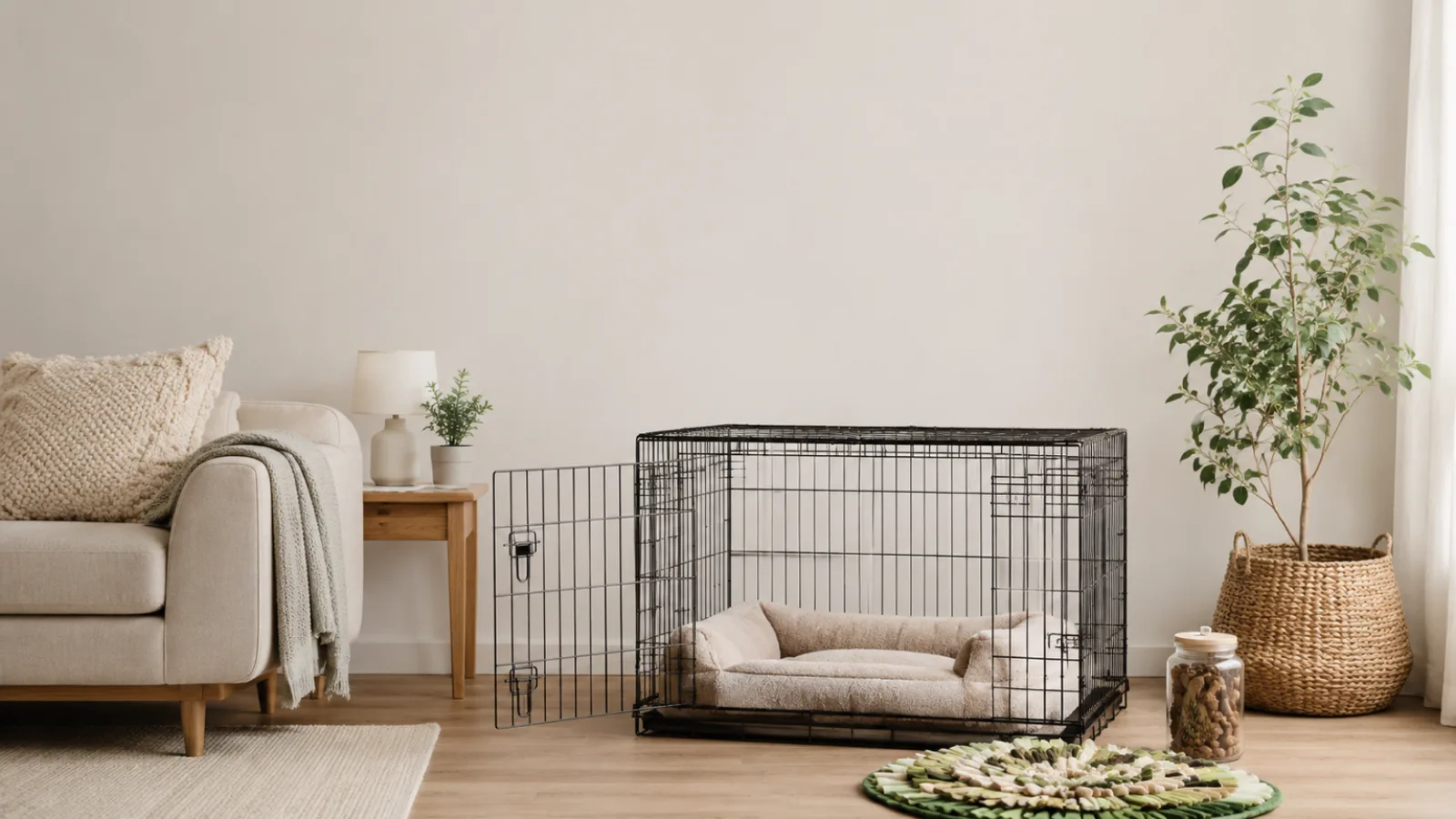
This is not a head-to-head crate ranking — it is a setup and method for teaching a dog to choose its crate, not to be locked in one. Crate training works when the crate becomes a den the dog walks into willingly, and that comes from the right-sized crate plus a patient, reward-based routine — never from shutting a distressed dog in and waiting. The picks below are the kit that supports that method in sequence — a training crate with a divider, a washable pad, a den-making cover, a crate fan for airflow, a lick mat that turns the crate into a good place, an honest word on calming aids, and a crash-tested travel crate — not seven products ranked against each other. If your plan is to buy a crate and force a scared dog inside, read the caveats first, because a crate used as punishment teaches the opposite of what crate training is for.
By Nick Miles · Updated August 21, 2026 · 12 min read
PetPalHQ is reader-supported. We may earn a commission from qualifying Amazon purchases at no extra cost to you.
Evidence at a Glance
MidWest 36-Inch iCrate with Divider
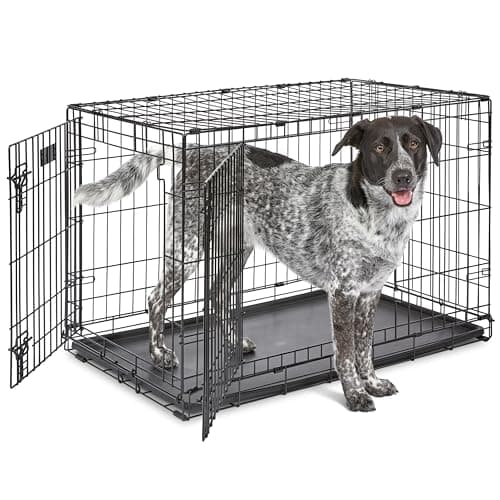
The training crate — a 36.5-inch double-door folding wire crate with a divider panel, sized so an adult dog can stand and turn while the divider shrinks the usable space for a puppy, which is what keeps a house-training dog from soiling one end and sleeping in the other.
Sources: MidWest Homes for Pets manufacturer documentation, Positive-reinforcement trainer consensus on crate sizing, Published canine-welfare guidance on crate space
Verified Jul 12, 2026
VERZEY Washable Crate Pad
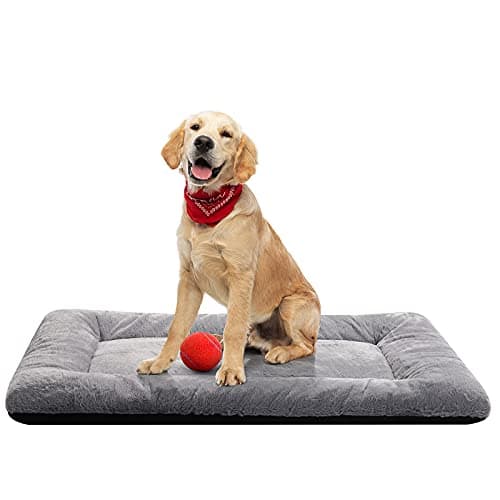
The floor — an ultra-soft, machine-washable crate pad sized for a 36-inch crate, giving the dog a comfortable surface that makes the crate somewhere it wants to settle, and that washes clean after the accidents early training inevitably brings.
Sources: VERZEY manufacturer documentation, Trainer consensus on crate comfort, Published guidance on crate bedding and hygiene
Verified Jul 12, 2026
GORILLA GRIP Breathable Crate Cover
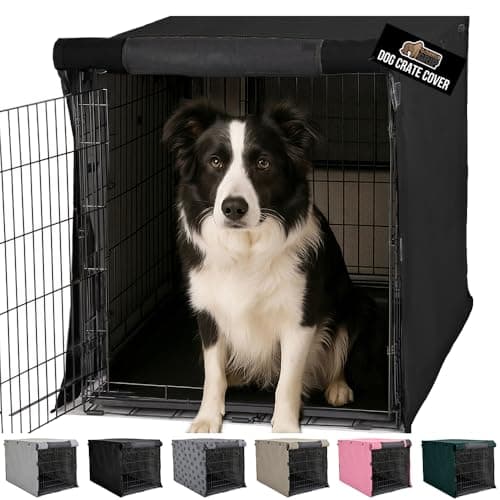
The den — a light-reducing crate cover with roll-up side flaps and mesh windows that darkens the crate into a quiet den for an anxious or overstimulated dog while keeping airflow, turning an open wire box into an enclosed, calming space.
Sources: GORILLA GRIP manufacturer documentation, Trainer consensus on den-making and calm, Published canine-welfare guidance on rest and overstimulation
Verified Jul 12, 2026
Our Picks
MidWest Homes for Pets
MidWest 36-Inch iCrate Double-Door Folding Dog Crate with Divider
8.7 / 10
- 36.5-inch double-door folding wire crate per MidWest
- Divider panel shrinks the space as a puppy grows
- Two doors give flexible placement in a room
- Slide-bolt latches with a paw block resist escapes
$61.93
Current price · checked Sep 8, 2026
VERZEY
VERZEY Washable Crate Pad for Medium and Large Dogs
8.3 / 10
- Ultra-soft faux-fur surface roughly 36 by 23 inches per VERZEY
- Sized to fit a standard 36-inch wire crate
- Machine washable and dryer safe for accident cleanup
- Gives the dog a reason to settle and rest in the crate
$19.99
Current price · checked Sep 8, 2026
GORILLA GRIP
GORILLA GRIP Breathable Dog Crate Cover
8.2 / 10
- Light-reducing fabric darkens the crate into a den per GORILLA GRIP
- Mesh windows and vent closures keep airflow
- Side flaps roll up and tie for a gradual introduction
- Fits a 36-inch crate with one, two, or three doors
$29.99
Current price · checked Sep 8, 2026
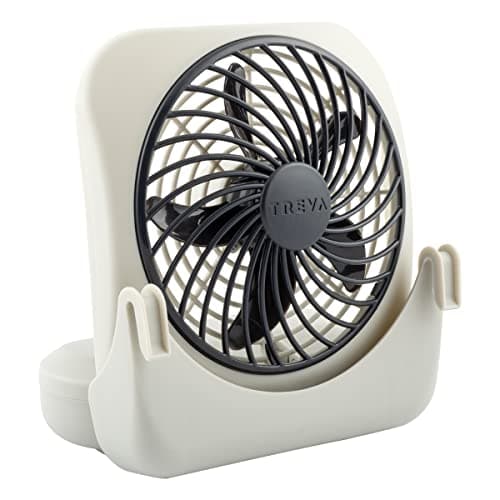
O2COOL
Treva 5-Inch Clip-On Pet Crate Fan
8.0 / 10
- Two-speed 5-inch fan runs quietly per O2COOL
- Bracket clips onto a crate door or side
- Battery powered so it needs no nearby outlet
- Improves airflow in a covered or warm crate
$19.99
Current price · checked Sep 8, 2026
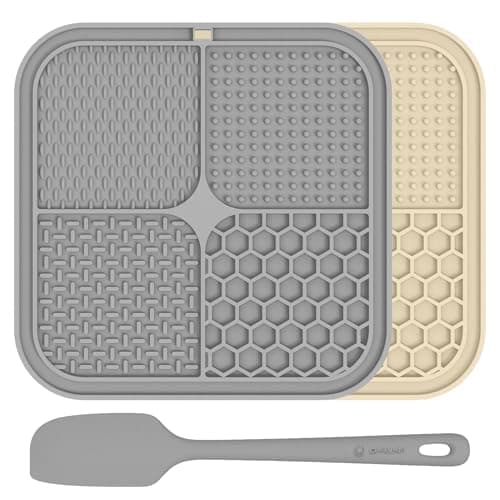
ChefAide
ChefAide Lick Mat for Dogs (2 Pack)
8.1 / 10
- Food-grade silicone with textured licking surfaces per ChefAide
- 49 suction cups anchor it to the crate floor or wall
- Freezer safe to make a longer-lasting frozen treat
- Turns crate time into a calm, rewarding food task
$5.99
Current price · checked Sep 8, 2026
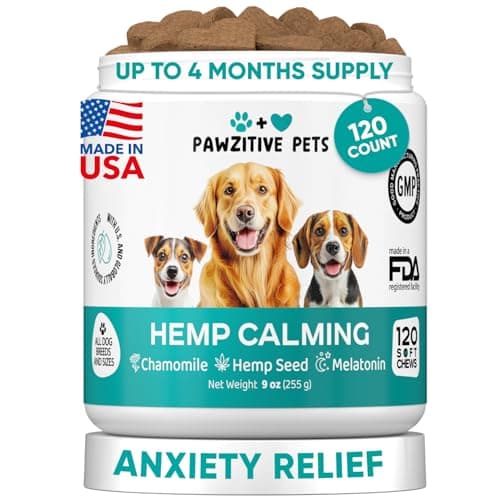
Pawzitive Pets
Pawzitive Pets Hemp Calming Chews for Dogs
7.7 / 10
- Hemp-based chew the maker formulates for situational stress
- Marketed for travel, storms, and fireworks by Pawzitive Pets
- Lists melatonin among its ingredients
- Used as a mild, temporary support, not a cure
$23.97
Current price · checked Sep 8, 2026
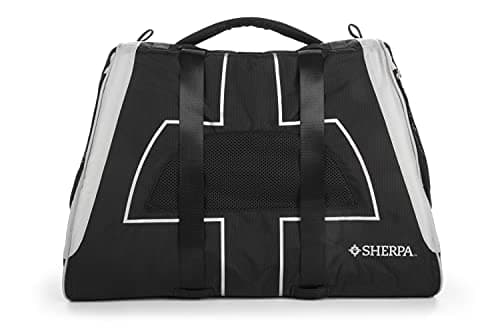
Sherpa
Sherpa Forma Frame Crash-Tested Travel Pet Carrier
7.9 / 10
- Crash-tested rigid-frame carrier with seatbelt straps per Sherpa
- Escape-proof locking zippers and claw-proof mesh
- Waterproof interior base for accidents in transit
- Carries the home crate's calm into the car
The Short Answer
Crate training works when the crate becomes a den the dog chooses, and it starts with the right gear used the right way — never by locking a distressed dog in and hoping. Size the crate first: a MidWest 36-inch iCrate with a divider panel gives an adult dog room to stand, turn, and lie down, and the divider lets you shrink the space for a puppy so it does not learn to soil one end. Make it comfortable and den-like next — a VERZEY washable pad for a soft floor, and a GORILLA GRIP breathable cover to darken the crate into a quiet den while keeping airflow. Keep it cool with a Treva clip-on crate fan, because a stuffy crate is one a dog avoids. Then do the actual training with food, not force: a ChefAide lick mat smeared with something tasty turns the crate into the best place in the house, fed in short, happy sessions that build up slowly. Calming chews like the Pawzitive Pets hemp chews are a modest support some owners use, not a substitute for the training or for a vet's help with real anxiety. And a crash-tested, seatbelt-anchored travel carrier carries the same den safely in the car. The core truth never changes: the dog learns to love the crate through patience and rewards — a crate is never a punishment, and a dog in genuine distress needs the method slowed down, not the door shut.
Every product on this list has been scored against the PetPal Gear Score, a weighted composite of expert consensus, observed effectiveness, animal safety, long-term durability, and value. Review method: Editorial synthesis of crate-training guidance — positive-reinforcement dog-trainer community consensus, published canine-welfare and behavior guidance on humane crate use and gradual conditioning, and manufacturer documentation from MidWest Homes for Pets, VERZEY, GORILLA GRIP, O2COOL, ChefAide, Pawzitive Pets, and Sherpa. Community consensus from dog-training forums was included as consensus, not quotation. No first-hand product testing — PetPalHQ does not run a testing lab.. Synthesized from 6+ expert sources.
Crate training goes wrong, in this guide's editorial judgment, for one reason more than any other: the crate is treated as a place to put a dog rather than a den the dog learns to choose. A beginner buys a crate, puts the dog in, shuts the door, and waits out the crying — and teaches the dog, cleanly and permanently, that the crate is where good things end. The crate was never the problem. The method was, and crate training is far more about how you introduce the crate than about which crate you buy.
Start with the right-sized crate, because size does half the housetraining work. A crate big enough to stand, turn, and lie down but no bigger encourages a dog not to soil where it sleeps, and a divider lets one crate fit a puppy today and the adult it becomes. But the crate is only a wire box until the method gives it meaning — which is why the real work is conditioning, not confinement. You make the crate comfortable with a washable pad, calm with a breathable cover, and airy with a fan, so the dog is physically glad to be there.
Then you do the actual training with food, not force. Feeding meals in the crate and giving a smeared, frozen lick mat inside it teaches the dog that the crate predicts the best parts of its day, so it walks in on its own — in short, happy sessions that lengthen at the dog's pace, never by shutting the door the moment the food goes down. Calming chews sit at the honest edge of all this: a mild, occasional helper some owners use, cleared with a vet, and never a substitute for the training or for professional help with real anxiety. The picks below are that kit, in the order the method uses them, not seven products ranked against each other, and where a claim rests on a maker's documentation or trainer consensus, that is named rather than asserted, because PetPalHQ does not run a testing lab.
One principle sits above the whole setup and never bends. A crate is never a punishment, and a dog learns to love it through patience and rewards rather than through a shut door. A dog in genuine distress needs the method slowed down and a veterinarian or behaviorist involved, not a stronger cage or a supplement. Crate training rewards the owner who sizes the crate right, makes it a comfortable den, and builds the association with food in unhurried sessions — and it punishes the one who buys a crate and forces a frightened dog inside, because that dog does not learn to settle. It learns to fear the very place the crate was meant to be.
Head-to-Head Comparison
| Feature | MidWest 36-Inch iCrate Double-Door Folding Dog Crate with Divider | VERZEY Washable Crate Pad for Medium and Large Dogs | GORILLA GRIP Breathable Dog Crate Cover | Treva 5-Inch Clip-On Pet Crate Fan | ChefAide Lick Mat for Dogs (2 Pack) | Pawzitive Pets Hemp Calming Chews for Dogs | Sherpa Forma Frame Crash-Tested Travel Pet Carrier |
|---|---|---|---|---|---|---|---|
| Stage in the setup | Size the crate | Soften the floor | Make the den | Keep it cool | Make it a good place | Calming support | Travel safely |
| When it comes into play | Before anything else | Once the dog is ready | Introduced gradually | With the cover | From the first session | Optional, situational | After home training |
| What it does | Right-sized den, aids housetraining | Comfortable resting surface | Darkens into a calm den | Keeps a covered crate airy | Builds the positive association | A mild helper, not a fix | Secured, familiar car travel |
| PetPal Crate-Readiness Score | 8.7 | 8.3 | 8.2 | 8.0 | 8.1 | 7.7 | 7.9 |
| Ongoing cost after purchase | Larger crate if needed | Washing and replacement | Occasional washing | Batteries | Toppings and cleaning | Refills if used | None after purchase |
| Check price | Amazon | Amazon | Amazon | Amazon | Amazon | Amazon | Amazon |
$61.93
Current price · checked Sep 8, 2026
- 36.5-inch double-door folding wire crate per MidWest
- Divider panel shrinks the space as a puppy grows
- Two doors give flexible placement in a room
- Slide-bolt latches with a paw block resist escapes
- Folds flat for travel or storage between uses
Crate training starts with a correctly sized crate, because the size does half the housetraining work on its own. The MidWest 36-inch iCrate earns the first slot because it is the training crate trainers reach for by default. MidWest documents a 36.5-inch double-door folding wire crate for 41-to-70-pound dogs with a divider panel, rounded corner clips, and slide-bolt latches with a paw block. The divider is the training feature: it lets you size the crate to a puppy today and open it up as the dog grows, so you buy one crate rather than three.
Where it fits the setup: this is the structure the whole method is built around, sized by a simple rule — big enough to stand, turn, and lie down, and no bigger. That "no bigger" matters because a dog will not soil where it sleeps, so a snug crate encourages a puppy to hold on, while a cavernous one lets it use a far corner as a toilet and undoes housetraining. The divider is how you keep the space right as the dog grows. If your dog is a determined escape artist or a heavy chewer who bends wire, a folding wire crate may not hold, and a sturdier build is the upgrade path; our roundup of the best heavy-duty dog crates is where to size up for a dog that defeats a standard crate.
The honest caveats are about fit, escapes, and what the crate cannot do alone. The 36-inch size suits a specific weight range, and a crate that is too small is as wrong as one too large, so match it to the adult size with the divider bridging the gap. A folding wire crate is not escape-proof for every dog — anxious or panicked dogs can injure themselves trying to get out, which is a sign to slow the training, not to buy a stronger cage and force the issue. And the crate is only a box until the method makes it a den; a dog shut in an unfamiliar crate with no positive association learns to dread it. Confirm current price and availability before buying. Sized correctly and paired with patient training, it is the foundation the rest of the setup and the whole method rest on.
What We Love
- Divider sizes the crate from puppy to adult on one purchase
- Snug fit supports housetraining by discouraging soiling
- Double doors give flexible room placement
- Folds flat for storage and travel between uses
What Could Be Better
- A folding wire crate does not hold every escape artist
- Wrong size — too big or too small — undermines the training
- Is only a den once the method gives it positive meaning
The Verdict
Start with a crate sized to stand, turn, and lie down and no bigger, using the divider to fit a growing puppy. Match it to the adult weight, treat panic-driven escape attempts as a cue to slow down rather than to cage harder, and remember the crate only becomes a den once the training gives it meaning.
Sources
- MidWest Homes for Pets (Amazon product listing, 36-Inch iCrate): a 36.5 by 23.25 by 24.75 inch double-door folding wire crate for 41-to-70-pound dogs with a divider panel, rounded corner clips, and slide-bolt latches with a paw block
- Positive-reinforcement trainer consensus on crate sizing: trainers size a crate so a dog can stand up, turn around, and lie down but no larger, and use a divider to shrink the space for a growing puppy, because a crate too big lets a house-training dog soil one end and sleep in the other, which defeats the training
$19.99
Current price · checked Sep 8, 2026
- Ultra-soft faux-fur surface roughly 36 by 23 inches per VERZEY
- Sized to fit a standard 36-inch wire crate
- Machine washable and dryer safe for accident cleanup
- Gives the dog a reason to settle and rest in the crate
- Anti-slip backing keeps the pad in place
The second stage makes the crate somewhere a dog wants to be rather than a bare metal tray. The VERZEY crate pad gives it a soft, washable floor. VERZEY documents an ultra-soft faux-fur pad about 36 by 23 inches for 40-to-70-pound dogs, machine washable and dryer safe, sized for a standard wire crate. Comfort is a real part of crate training — a dog settles faster and rests more willingly on a soft surface than on hard wire, and a crate a dog is comfortable in is a crate it walks into on its own.
Where it fits the setup: this is the comfort layer, added once the crate is chosen and sized. Washability is the practical point in early training, when accidents and the occasional chewed corner are simply part of the process, so a pad that goes through the machine and comes out clean is worth more than a plush bed that does not. The pad also helps the crate feel like a bed rather than a cage, which is the emotional shift crate training is really after. It sits under the cover and inside the crate, the soft base of the den you are building.
The honest caveats are about chewing, soiling, and timing. A dog that is still shredding bedding or wetting it is telling you it is not ready for a soft pad yet — trainers keep heavy chewers and un-housetrained dogs on easy-clean surfaces until those habits pass, because a swallowed chunk of fabric is a genuine hazard. The pad needs regular washing to stay hygienic, especially early on. And comfort supports the method but does not replace it; a luxurious pad in a crate a dog was forced into does not make the dog like the crate. Confirm current price and availability before buying. Added at the right stage for a dog ready for it, it turns the crate floor into the base of a den.
What We Love
- Soft surface makes the dog more willing to settle and rest
- Machine washable for the accidents early training brings
- Sized to fit a standard 36-inch crate cleanly
- Inexpensive comfort that supports willing crate use
What Could Be Better
- Wrong for a dog still chewing or wetting bedding
- Needs regular washing to stay hygienic in early training
- Comfort supports the method but never replaces it
The Verdict
Add a soft, washable pad once the dog is ready for one — not chewing it, not soiling it. Wash it often in early training, keep heavy chewers on easy-clean surfaces until the habit passes, and treat comfort as support for the method, never a shortcut around it.
Sources
- VERZEY (Amazon product listing, Washable Crate Pad): an ultra-soft faux-fur crate pad measuring approximately 36 by 23 inches for 40-to-70-pound dogs, machine washable and dryer safe, sized to fit a standard wire crate
- Trainer consensus on crate comfort: a comfortable surface makes a dog more willing to settle in its crate, so trainers add soft, washable bedding once a dog is reliably not chewing or soiling it, while a dog that shreds or wets bedding is kept on easy-clean surfaces until the habit passes
$29.99
Current price · checked Sep 8, 2026
- Light-reducing fabric darkens the crate into a den per GORILLA GRIP
- Mesh windows and vent closures keep airflow
- Side flaps roll up and tie for a gradual introduction
- Fits a 36-inch crate with one, two, or three doors
- Reduces visual distraction for an anxious dog
The third stage turns the wire box into an enclosed den. The GORILLA GRIP cover darkens the crate while keeping it breathable. GORILLA GRIP documents a light-reducing cover with adjustable ventilation, mesh windows front and back, and side flaps that roll up and tie. Dogs are den animals, and many settle far better in a covered, darkened crate that cuts down the visual stimulation of a busy room — the cover is what shifts a crate from a cage on display to a quiet retreat.
Where it fits the setup: this is the den-making layer, added over the crate once the dog is comfortable going in. The roll-up flaps matter for the method: you can start with the cover fully open so the crate is not suddenly a dark cave, then lower the sides gradually as the dog grows comfortable, so covering is introduced at the dog's pace. Ventilation is the safety half — a covered crate must stay airy, which is why breathable fabric, mesh panels, and an open side matter, and why the cover pairs with airflow rather than sealing the dog in. Used well, a cover is one of the simplest ways to help an overstimulated or anxious dog rest.
The honest caveats are about heat, chewing, and never trapping. A cover reduces airflow even when breathable, so it must never turn the crate into a hot box, especially in warm weather — it works alongside a fan and good ventilation, not against them. A dog that pulls the cover through the bars and chews it is a dog to leave uncovered until that stops. And the cover should always leave the dog a way to see out and air to breathe; the goal is a calming den, never a sealed, dark, frightening enclosure. Confirm current price and availability before buying. Introduced gradually and kept breathable, it is the layer that makes the crate feel like a den instead of a cage.
What We Love
- Darkens the crate into a calming den for rest
- Roll-up flaps allow a gradual, dog-paced introduction
- Mesh and vents keep airflow while reducing distraction
- Fits standard 36-inch crates with multiple door layouts
What Could Be Better
- Reduces airflow — must never make the crate a hot box
- A dog that pulls it through the bars may chew it
- Must always leave a way to see out and breathe
The Verdict
Cover the crate to make a calm den, and introduce it gradually with the flaps up before lowering them. Keep it breathable and paired with airflow so it never overheats, leave the dog a way to see out, and drop the cover for any dog that chews it through the bars.
Sources
- GORILLA GRIP (Amazon product listing, Dog Crate Cover): a light-reducing crate cover with adjustable ventilation closures, mesh windows front and back, and side flaps that roll up and tie, made to darken a crate into a den while keeping airflow
- Trainer consensus on den-making and calm: many dogs settle better in a covered, darkened crate that mimics an enclosed den, so trainers drape a breathable cover to reduce visual stimulation for an anxious or overstimulated dog, while keeping enough airflow and an open side so the dog never feels trapped
$19.99
Current price · checked Sep 8, 2026
- Two-speed 5-inch fan runs quietly per O2COOL
- Bracket clips onto a crate door or side
- Battery powered so it needs no nearby outlet
- Improves airflow in a covered or warm crate
- Keeps the crate a place the dog wants to rest
The fourth stage keeps the den from becoming stuffy. The Treva crate fan clips on and moves air through the crate. O2COOL documents a 5-inch two-speed battery-powered fan with a bracket that hangs on a crate door or side and runs quietly. Comfort is not a luxury in crate training — a dog will not willingly rest somewhere too warm, and a covered crate in a warm room can get stuffy fast, so airflow is part of making the crate a place the dog chooses.
Where it fits the setup: this is the airflow half of a covered crate, paired directly with the cover so the two balance each other — the cover darkens and calms, the fan keeps the air moving. It clips to the crate without needing a nearby outlet, which makes it easy to position on the side away from where the dog rests. Quiet operation matters because a loud fan is its own distraction for a dog you are trying to settle. Used together, a breathable cover and a gentle fan give the enclosed, calm, airy den crate training is aiming for. If you are matching a fan to your crate size or want a quieter or higher-airflow option, our roundup of the best dog crate cooling fans is the place to compare them.
The honest caveats are about batteries, placement, and that a fan is not air conditioning. A battery fan moves air but does not cool a genuinely hot room, so it is not a substitute for keeping the crate out of direct sun and heat, and it never makes a parked car or a hot space safe. It needs its batteries checked so it does not quietly stop, and it must be clipped where the dog cannot pull or chew it or its bracket. And airflow supports comfort but is one piece of it, alongside placement, the cover, and the pad. Confirm current price and availability before buying. Clipped on to keep a covered crate airy, it helps the den stay somewhere the dog is glad to settle.
What We Love
- Keeps a covered crate airy so the dog will settle
- Clips on and runs on batteries with no outlet needed
- Quiet enough not to distract a resting dog
- Balances the cover so the den stays comfortable
What Could Be Better
- Moves air but does not cool a genuinely hot room
- Batteries must be checked so it does not stop unnoticed
- Must be clipped clear of a chewing or pulling dog
The Verdict
Pair a fan with the cover so the den stays airy while it stays calm. Clip it where the dog cannot reach it, keep the batteries fresh, and remember it moves air rather than cooling a hot room — crate placement out of heat and sun still matters most.
Sources
- O2COOL Treva (Amazon product listing, 5-Inch Pet Crate Fan): a 5-inch two-speed battery-powered pet crate fan with a bracket that hangs on a crate door or side, designed to run quietly and improve airflow for a pet in a crate or carrier
- Trainer consensus on crate airflow and comfort: a stuffy or warm crate is one a dog resists, so keepers keep crates in cool, airy spots and add a crate fan for warm rooms or covered crates, because comfort drives willing crate use and a dog will not choose to rest somewhere too hot
$5.99
Current price · checked Sep 8, 2026
- Food-grade silicone with textured licking surfaces per ChefAide
- 49 suction cups anchor it to the crate floor or wall
- Freezer safe to make a longer-lasting frozen treat
- Turns crate time into a calm, rewarding food task
- Two mats so one is always clean and ready
The fifth stage is the actual training tool, the one that does the conditioning. The ChefAide lick mat turns the crate into the place good things happen. ChefAide documents a two-pack of 8.5-inch food-grade silicone lick mats with textured surfaces and 49 suction cups, freezer and dishwasher safe, made to spread soft food for slow licking. This is where crate training is really made or lost: a dog that gets its best food tasks in the crate learns to love going in, and a lick mat smeared with something tasty and frozen gives it a long, calming reason to stay.
Where it fits the setup: this is the method in physical form, used from the very first crate session. You feed meals near or in the crate, then give a smeared lick mat inside it, in short sessions with the door open at first, so the dog walks in for the food and forms the association that the crate predicts good things. Licking is also naturally calming for dogs, which is why a frozen lick mat both rewards the crate and settles an anxious dog in it. The suction cups anchor it so a dog cannot flip it, and freezing the spread makes it last long enough to cover the early minutes that build duration. This is the pick that does the training; the crate is just where it happens. If you want more long-lasting crate-and-calm enrichment options, our roundup of the best lick mats for decompression and training compares textures and sizes for the job.
The honest caveats are about supervision, food, and pace. A lick mat is used with an eye on the dog, especially early, and heavy chewers should be watched so they lick rather than bite chunks off silicone. What you smear on it counts toward the day's food, so rich spreads are used in moderation to avoid an upset stomach or extra weight. And the mat rewards the crate — it does not license rushing the process; the association is built in short, happy, gradually lengthening sessions, never by shutting the door on a dog the moment the food goes in. Confirm current price and availability before buying. Used as the daily conditioning tool, it is the single pick that teaches a dog to choose its crate.
What We Love
- Turns crate time into a rewarding, calming food task
- Freezing the spread makes it last to build duration
- Suction cups anchor it so the dog cannot flip it
- Two mats keep one clean and ready at all times
What Could Be Better
- Used with supervision, especially for heavy chewers
- Spread counts as food — rich toppings in moderation
- Rewards the crate but does not license rushing training
The Verdict
Make the crate the best place in the house with a smeared, frozen lick mat, fed in short door-open sessions that lengthen slowly. Supervise heavy chewers, count the topping as food, and let the mat build the association at the dog's pace — this is the tool that does the training.
Sources
- ChefAide (Amazon product listing, Lick Mat 2 Pack): a two-pack of 8.5-inch food-grade silicone lick mats with textured surfaces and 49 suction cups on the back, freezer and dishwasher safe, made to spread soft food for slow licking
- Positive-reinforcement trainer consensus on crate conditioning: trainers build a positive crate association by feeding the dog in the crate and giving a long-lasting food task like a smeared lick mat or stuffed toy there, so the dog learns the crate predicts good things and chooses to go in, rather than being shut in and left
$23.97
Current price · checked Sep 8, 2026
- Hemp-based chew the maker formulates for situational stress
- Marketed for travel, storms, and fireworks by Pawzitive Pets
- Lists melatonin among its ingredients
- Used as a mild, temporary support, not a cure
- Best discussed with a veterinarian before use
The sixth stage is where honesty matters most. The Pawzitive Pets calming chews are a modest support some owners add, and it is important to be clear about what they are and are not. Pawzitive Pets markets a hemp-based chew formulated to ease stress and anxiety during events like travel, storms, and fireworks, with melatonin among its listed ingredients. What the maker claims is what the maker claims — PetPalHQ does not run a testing lab, and a calming chew is not a proven treatment, a sedative, or a substitute for the training that actually teaches a dog to be comfortable in its crate.
Where it fits the setup: this is optional, situational support, used sparingly and only alongside the method, never in place of it. Some owners find a calming supplement takes a little edge off during a specific stressful window — a thunderstorm on a night the dog is crated, a car trip — while the real work of crate comfort is still done by the gradual, reward-based training. The single most important thing to do first is talk to a veterinarian: a vet can advise whether a supplement is appropriate, flag interactions with any medication, and tell the difference between ordinary settling-in fuss and genuine separation anxiety, which is a medical and behavioral condition that needs professional help rather than a chew. If, with a vet's blessing, you do want to compare calming options, our roundup of the best pet calming aids for anxiety lays out the types honestly.
The honest caveats are the heart of this pick. A calming chew does not fix a dog that is distressed in its crate — a dog in real panic needs the training slowed right down and a vet or a qualified behaviorist involved, not a supplement and a shut door. Effects vary from dog to dog and are mild at most, dosing should follow the label and a vet's guidance, and no supplement makes it acceptable to force a frightened dog into a crate. Confirm current price and availability before buying. Treated as a small, occasional helper within a humane method and cleared with a vet first, it sits at the edge of the setup — useful to some, essential to none.
What We Love
- A mild, occasional support some owners use situationally
- Convenient chew form for a specific stressful window
- Sits alongside training without replacing it
- A prompt to involve a vet in the dog's crate comfort
What Could Be Better
- Not a proven treatment, a sedative, or a training substitute
- Effects vary and are mild at most from dog to dog
- Genuine anxiety needs a vet or behaviorist, not a chew
The Verdict
Treat calming chews as an optional, situational helper, never a fix for a distressed dog. Talk to a veterinarian before using any supplement, follow the label, and remember that real crate comfort comes from patient training — a dog in genuine panic needs the method slowed and professional help, not a shut door.
Sources
- Pawzitive Pets (Amazon product listing, Hemp Calming Chews): a hemp-based calming chew for dogs formulated by the maker to ease stress and anxiety during events like travel, storms, and fireworks, containing melatonin among its listed ingredients
- Canine-behavior consensus on calming aids: calming supplements are widely used as a mild, temporary aid for situational stress, but behavior guidance treats them as a support alongside training rather than a treatment, and advises consulting a veterinarian before using any supplement and for any dog with genuine separation anxiety
- Crash-tested rigid-frame carrier with seatbelt straps per Sherpa
- Escape-proof locking zippers and claw-proof mesh
- Waterproof interior base for accidents in transit
- Carries the home crate's calm into the car
- Secured by the vehicle seatbelt rather than loose
The final stage extends crate training to the car. The Sherpa Forma is a crash-tested travel carrier that anchors to a seatbelt. Sherpa documents a crash-tested carrier with a rigid frame, seatbelt-style straps, claw-proof mesh windows, escape-proof locking zippers, and a waterproof base, tested to comply with child-restraint standards. A dog that has learned to love its den at home has a huge head start on car travel, because the same calm-crate association carries over — and a secured travel crate keeps the dog and everyone in the vehicle far safer than a loose dog.
Where it fits the setup: this is where the home training pays off on the road. The comfort a dog builds in its home crate transfers to a travel crate, so the two work together — the lick-mat conditioning and the den feel you built at home make a secured car crate a familiar safe space rather than a frightening first. Anchoring by the seatbelt is the safety point that a soft, unsecured carrier misses: in a sudden stop, an unrestrained dog becomes a projectile, and a crash-tested, belted carrier is what turns car travel from a risk into a managed part of the dog's routine. If you want to compare crash-tested travel options for your dog's size and vehicle, our roundup of the best crash-tested travel dog crates lays out the choices.
The honest caveats are about fit, testing claims, and conditioning first. A travel carrier has to fit both the dog and the vehicle, so size and seat fit are checked before buying, and "crash-tested" claims vary between makers and standards, so it is worth understanding what a given product was actually tested against. And a travel crate works only if the dog is comfortable in it — a dog crated for the very first time in a moving car is set up to panic, so the home crate training comes first and the travel crate is introduced calmly, at rest, before any drive. Confirm current price and availability before buying. Introduced after the home training and anchored by the belt, it carries the den safely wherever the dog goes.
What We Love
- Crash-tested, seatbelt-anchored travel far safer than loose
- Carries the home crate's calm association into the car
- Escape-proof zippers and a waterproof base for transit
- Extends a humane crate routine to the road
What Could Be Better
- Must fit both the dog and the vehicle — check first
- Crash-test claims vary by maker and standard
- Only works if the dog is crate-comfortable first
The Verdict
Extend the training to the car with a crash-tested, seatbelt-anchored carrier, introduced after the home crate is a comfortable den. Check the fit to your dog and vehicle, understand what the crash-test claim covers, and never let a dog's first crate experience be a moving car.
Sources
- Sherpa (Amazon product listing, Forma Frame Crash-Tested Travel Pet Carrier): a crash-tested travel pet carrier with a rigid frame, seatbelt-style straps, claw-proof mesh windows, escape-proof locking zippers, and a waterproof interior base, tested to comply with child-restraint safety standards
- Pet-travel-safety consensus on secured carriers: an unsecured pet is a hazard to itself and everyone in a moving vehicle, so travel guidance favors a crash-tested carrier or crate anchored by the seatbelt, and a dog already comfortable in a crate at home settles far better in a secured travel crate than one crated for the first time in a car
How We Score
Formula
PetPal Crate-Readiness Score = (Expert Consensus × 0.35) + (Setup-and-Method Fit × 0.25) + (Dog Welfare / Humane Use × 0.20) + (Value × 0.20)
Score Factors
- Expert Consensus · 35%
- Synthesized from positive-reinforcement dog-trainer community consensus, published canine-welfare and behavior guidance on humane crate use and gradual conditioning, and manufacturer documentation. The PetPal Crate-Readiness Score is a composite of expert opinion — PetPalHQ does not run a testing lab.
- Setup-and-Method Fit · 25%
- How directly the item supports a humane crate-training method in order — sizing the crate, making it comfortable and den-like, keeping it airy, building a positive association with food, using calming support honestly, and extending the routine to the car — rather than how it performs as a standalone product ranked against rivals.
- Dog Welfare / Humane Use · 20%
- Alignment with humane crate-training principles — a correctly sized den, gradual reward-based conditioning, a crate the dog chooses rather than is forced into, honest limits on calming aids, and secured travel. The crate is never a punishment, and a distressed dog needs the method slowed and a professional involved.
- Value · 20%
- Cost relative to the item's role in the method, including ongoing costs like a larger crate as a puppy grows, washing, batteries, and lick-mat toppings, and how much of the calm-crate outcome the item is responsible for. This kit is the equipment cost, not the time and patience the method itself takes.
| Rank | Product | Score |
|---|---|---|
| #1 | MidWest Homes for Pets MidWest 36-Inch iCrate Double-Door Folding Dog Crate with Divider | 8.7 |
| #2 | VERZEY VERZEY Washable Crate Pad for Medium and Large Dogs | 8.3 |
| #3 | GORILLA GRIP GORILLA GRIP Breathable Dog Crate Cover | 8.2 |
| #4 | ChefAide ChefAide Lick Mat for Dogs (2 Pack) | 8.1 |
| #5 | O2COOL Treva 5-Inch Clip-On Pet Crate Fan | 8.0 |
| #6 | Sherpa Sherpa Forma Frame Crash-Tested Travel Pet Carrier | 7.9 |
| #7 | Pawzitive Pets Pawzitive Pets Hemp Calming Chews for Dogs | 7.7 |
When NOT to Buy
Crate training is a humane method or it is nothing, and the fastest way to get it wrong is to treat the crate as a place to put a dog rather than a den the dog chooses. A crate is never a punishment, never a way to confine a dog for long stretches while life happens elsewhere, and never somewhere to shut a frightened dog and wait out the crying. If your plan is to buy a crate and force a scared dog inside, the gear will not save the method — a crate used against a dog teaches it to dread the crate, which is the exact opposite of the goal. The dog learns to love the crate through patient, reward-based training, and no product on this page substitutes for that.
It is also the wrong approach in specific situations. A dog in genuine distress — panicking, injuring itself trying to escape, or showing real separation anxiety — does not need a stronger crate or a calming chew; it needs the training slowed right down and a veterinarian or a qualified behaviorist involved, because separation anxiety is a condition to treat, not a habit to cage. Crating is not a solution to leaving a dog alone too long, and no dog should be crated for longer than it can comfortably hold on or than its age and needs allow. If your instinct is to reach for a bigger cage or a supplement the moment the dog objects, that instinct is the warning sign that the method needs to slow down, not the equipment to change.
Finally, the honest budget and effort note: the gear is the small part, and the method is the real cost. Crate training takes days to weeks of short, patient, consistent sessions, and it cannot be rushed. There are ongoing costs — a larger crate as a puppy grows, washing bedding, lick-mat toppings, batteries — but the biggest investment is your time and consistency. If you are still choosing between a folding crate and a sturdier one for a dog that defeats standard crates, our roundup of the best heavy-duty dog crates is the honest place to size that up. Confirm current price and availability on every item before buying, since prices and sellers move over time.
Frequently Asked Questions
- What size crate do I need for crate training?
- One big enough for the dog to stand up, turn around, and lie down comfortably — and no bigger, which is the part people get wrong. The reason for the upper limit is housetraining: dogs instinctively avoid soiling where they sleep, so a snug crate encourages a puppy to hold on, while a crate with a lot of spare room lets it use one end as a toilet and sleep in the other, which undoes the training. For a growing puppy, the practical answer is a crate sized to the adult dog with a divider panel that shrinks the usable space now and opens up as the dog grows, so you buy one crate rather than a series of them. Match the crate to the dog's adult size and weight range, use the divider to bridge the gap, and check the fit as the dog grows — a crate that has become too small is as much a welfare problem as one that was always too big.
- How long does crate training take, and how do I actually do it?
- It usually takes days to a few weeks of short, patient sessions, and it is done with food and rewards rather than by shutting the door and waiting. The method in brief: introduce the crate with the door open and let the dog explore it, feed meals in or beside it, and give a long-lasting food task like a smeared, frozen lick mat inside it, so the dog forms the association that the crate predicts good things. Then build duration gradually — a few seconds with the door closed while the dog is busy with the lick mat, then a little longer, always ending before the dog gets distressed. The pace is set by the dog: you lengthen the time only as the dog stays relaxed, and you back up a step if it struggles. What you never do is rush it by shutting a crying dog in and leaving, because that teaches fear of the crate and sets the whole process back. Consistency and short, positive repetitions are what make it work, not speed.
- Is it cruel to crate a dog?
- Not when it is done as humane crate training — but it absolutely can be if the crate is misused. Dogs are den animals, and a properly introduced crate becomes a safe, calming space a dog chooses to rest in, which is why crate training done well is widely supported. The cruelty comes from misuse: using the crate as punishment, confining a dog in it for longer than it can comfortably manage, or forcing a frightened dog inside and ignoring its distress. The line is whether the dog is choosing the crate or being trapped in it. A dog that walks into an open crate to nap has a den; a dog shut in a crate it fears has a cage. So the humane version depends entirely on the method — gradual, reward-based conditioning, reasonable durations, and never using the crate against the dog — and on reading the dog honestly, slowing down when it struggles rather than pushing through.
- My dog cries or panics in the crate — what should I do?
- First, tell apart ordinary settling-in fuss from genuine distress, because they need different responses. A little whining as a dog gets used to the crate often settles with patient, gradual training and a rewarding lick mat, and it is best not to reward frantic crying by immediately letting the dog out at its loudest, while also never pushing a dog past what it can handle. But real panic — a dog that is frantic, drooling, injuring itself trying to escape, or distressed the moment it is left — is a different thing, and it is a sign to stop escalating and get help. That level of distress can indicate separation anxiety, which is a genuine behavioral and sometimes medical condition that a stronger crate and a calming chew will not fix. The right move is to slow the training right down, go back to steps the dog is comfortable with, and involve a veterinarian or a qualified positive-reinforcement behaviorist, who can rule out medical causes and build a proper desensitization plan. Forcing a panicking dog to "get used to it" makes anxiety worse, not better.
- Do calming chews help with crate training?
- They are a mild, situational helper at most, and they are not what makes crate training work. Calming supplements are widely used to take a little edge off during a specific stressful window, but they are not a proven treatment, not a sedative, and not a substitute for the training that teaches a dog to be comfortable in its crate — the conditioning does that job. The most important step before using any supplement is to talk to a veterinarian, who can advise whether it is appropriate for your dog, check for interactions with any medication, and, crucially, tell the difference between normal settling-in and genuine separation anxiety that needs professional treatment rather than a chew. Used honestly, a calming chew is a small extra for something like a storm on a night the dog is crated, layered on top of a humane method and cleared with a vet first. What it is not is a way to make a distressed dog tolerate a crate it is not ready for — that dog needs the method slowed and professional help, not a supplement.
Bottom Line
Size the crate right and let the method make it a den. A MidWest iCrate with a divider gives a stand-turn-lie-down space that shrinks for a puppy, but the crate only becomes somewhere the dog chooses through patient, reward-based training — never by forcing a scared dog inside.
Make the crate comfortable and calm. A VERZEY washable pad softens the floor for a dog ready for one, and a GORILLA GRIP breathable cover darkens it into a den, introduced gradually with the flaps up and kept airy so it never becomes a hot box.
Keep it airy and do the conditioning with food. A Treva clip-on fan balances the cover so the den stays comfortable, and a ChefAide lick mat smeared and frozen turns crate time into the best part of the dog's day — the single tool that teaches a dog to walk in willingly.
Be honest about calming aids and get a vet involved. Pawzitive Pets calming chews are a mild, occasional helper some owners use, not a fix — a distressed dog needs the training slowed and a veterinarian or behaviorist, because genuine separation anxiety is treated, not caged.
Extend the routine to the car once the home crate is a den. A crash-tested, seatbelt-anchored carrier carries the same calm association safely on the road — introduced calmly at rest, never as a dog's first crate experience in a moving vehicle.
Sources & Methodology
Methodology
PetPal Crate-Readiness Score = (Expert Consensus × 0.35) + (Setup-and-Method Fit × 0.25) + (Dog Welfare / Humane Use × 0.20) + (Value × 0.20)
Expert review sources
- Positive-reinforcement dog-trainer community consensus on humane crate training
- Published canine-welfare and behavior guidance on gradual crate conditioning
- Behavior consensus on calming aids as support, and on separation anxiety as a veterinary matter
- MidWest Homes for Pets — 36-Inch iCrate product documentation
- Sherpa — Forma Frame Crash-Tested Travel Carrier product documentation
- VERZEY, GORILLA GRIP, O2COOL Treva, ChefAide, and Pawzitive Pets product documentation
Community sources
- Dog-training forums — crate sizing, positive association, and gradual conditioning consensus
- Owner community consensus on den-making, lick-mat conditioning, and travel crates
Prices and specs verified July 12, 2026.
About the author
Nick Miles is the chief editor of PetPalHQ. This beginner crate-training setup and method are editorial synthesis of positive-reinforcement dog-trainer community consensus, published canine-welfare and behavior guidance, and manufacturer documentation — PetPalHQ does not run a testing lab. The PetPal Crate-Readiness Score is a composite of expert opinion, not a measurement. Calming aids are described as makers present them; a veterinarian should be consulted before use and for any dog with genuine anxiety. Sources are cited by name throughout.
PetPalHQ is a participant in the Amazon Services LLC Associates Program. We may earn commissions from qualifying purchases — at no extra cost to you.
More Guides
Cats & Dogs
Best Heavy-Duty and Escape-Proof Dog Crates for Powerful Dogs (2026)
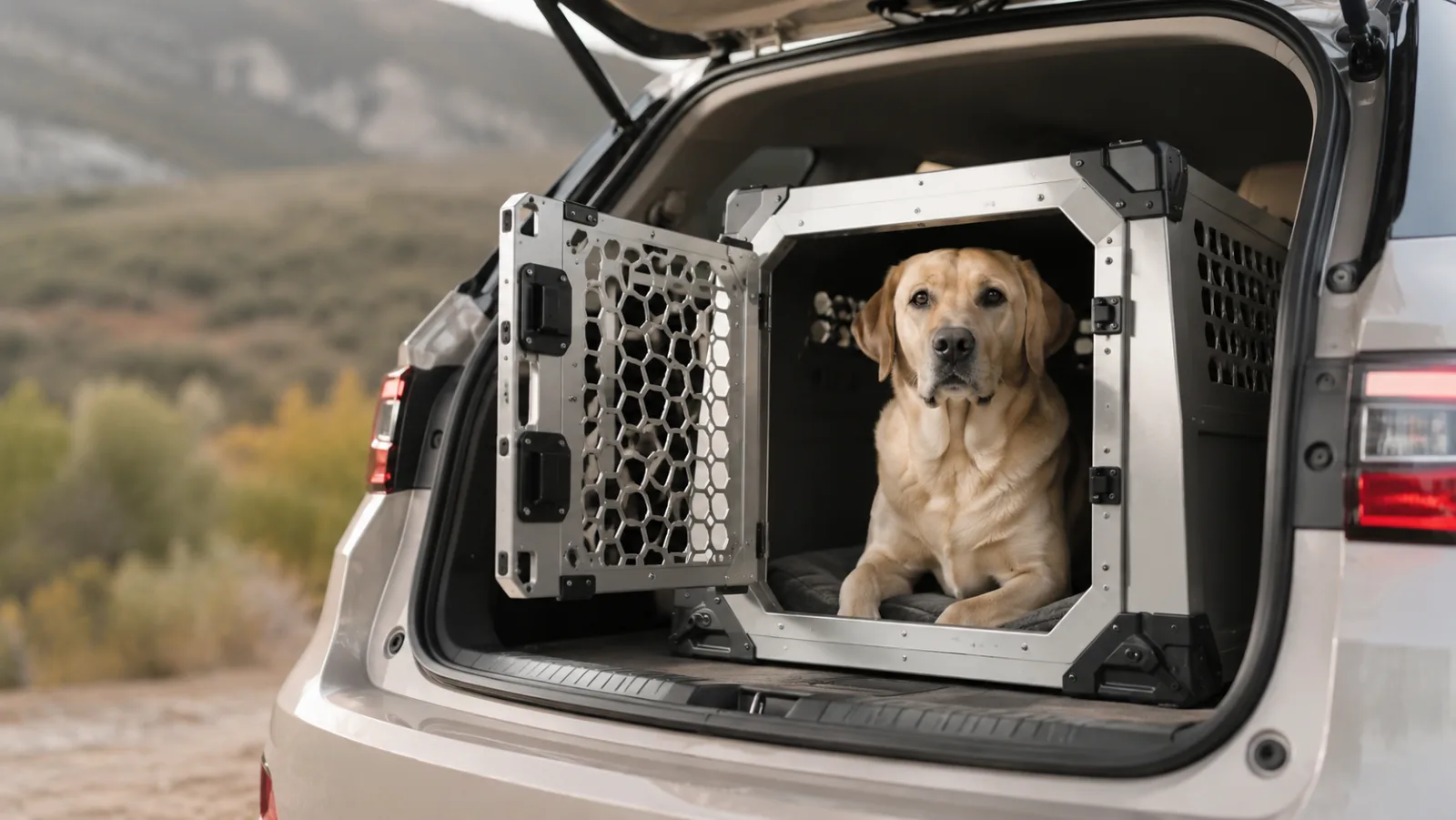
Cats & Dogs
Best Crash-Tested Travel Dog Crates (2026)
Cats & Dogs
Best Dog Crate Cooling Fans (2026)
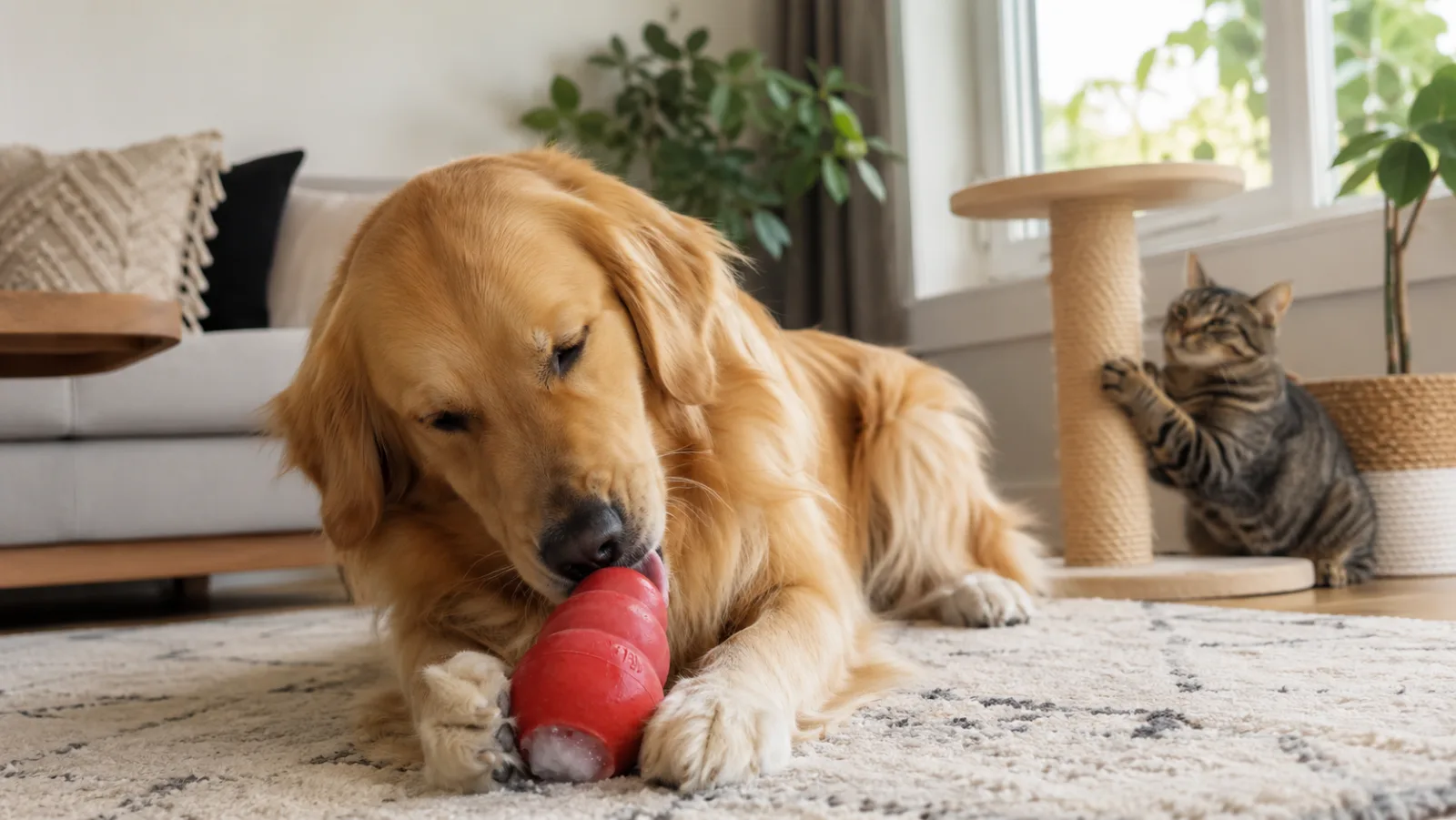
Cats & Dogs
Best Lick Mats for Dogs and Cats: Decompression, Baths, and Training (2026)
Cats & Dogs